Passage Study
The Place the Lord Will Choose
Deuteronomy 12:1–12:32
Deuteronomy 12 commands Israel to destroy Canaanite worship sites and seek the one place where the Lord will put His name. Sacrifice, tithes, and rejoicing belong there, while ordinary meat may be eaten throughout the towns without blood. The chapter guards worship from human invention and points to Jesus, the true meeting place between God and humanity, who gathers worshipers to the Father and sends them in holy mission.
- In this study
- 32 verses · 5 movements
Deuteronomy 12
12:1These are the statutes and the ordinances which you shall observe to do in the land which the LORD, the God of your fathers, has given you to possess all the days that you live on the earth.
12:2You shall surely destroy all the places in which the nations that you shall dispossess served their gods: on the high mountains, and on the hills, and under every green tree.
12:3You shall break down their altars, dash their pillars in pieces, and burn their Asherah poles with fire. You shall cut down the engraved images of their gods. You shall destroy their name out of that place.
12:4You shall not do so to the LORD your God.
12:5But to the place which the LORD your God shall choose out of all your tribes, to put his name there, you shall seek his habitation, and you shall come there.
12:6You shall bring your burnt offerings, your sacrifices, your tithes, the wave offering of your hand, your vows, your free will offerings, and the firstborn of your herd and of your flock there.
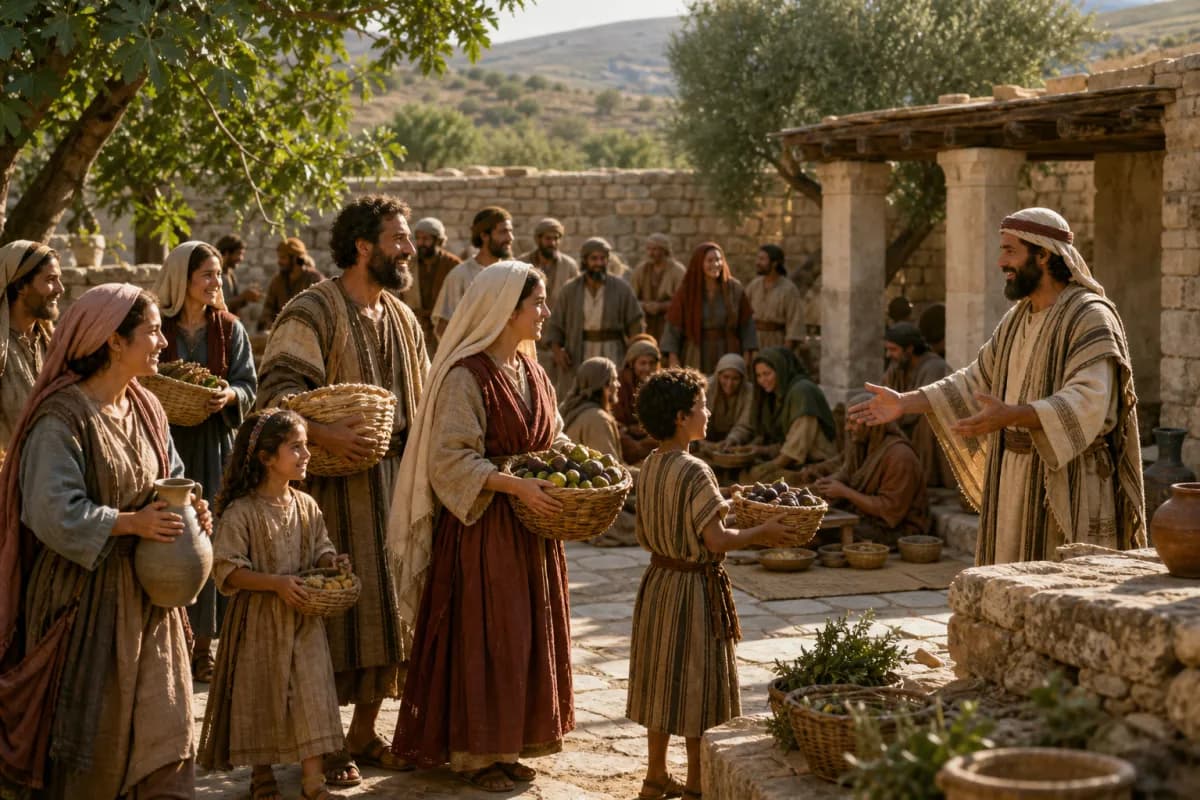
12:7There you shall eat before the LORD your God, and you shall rejoice in all that you put your hand to, you and your households, in which the LORD your God has blessed you.
12:8You shall not do all the things that we do here today, every man whatever is right in his own eyes;
12:9for you haven’t yet come to the rest and to the inheritance which the LORD your God gives you.
12:10But when you go over the Jordan and dwell in the land which the LORD your God causes you to inherit, and he gives you rest from all your enemies around you, so that you dwell in safety,
12:11then it shall happen that to the place which the LORD your God shall choose, to cause his name to dwell there, there you shall bring all that I command you: your burnt offerings, your sacrifices, your tithes, the wave offering of your hand, and all your choice vows which you vow to the LORD.
12:12You shall rejoice before the LORD your God—you, and your sons, your daughters, your male servants, your female servants, and the Levite who is within your gates, because he has no portion nor inheritance with you.
12:13Be careful that you don’t offer your burnt offerings in every place that you see;
12:14but in the place which the LORD chooses in one of your tribes, there you shall offer your burnt offerings, and there you shall do all that I command you.
12:15Yet you may kill and eat meat within all your gates, after all the desire of your soul, according to the LORD your God’s blessing which he has given you. The unclean and the clean may eat of it, as of the gazelle and the deer.
12:16Only you shall not eat the blood. You shall pour it out on the earth like water.
12:17You may not eat within your gates the tithe of your grain, or of your new wine, or of your oil, or the firstborn of your herd or of your flock, nor any of your vows which you vow, nor your free will offerings, nor the wave offering of your hand;
12:18but you shall eat them before the LORD your God in the place which the LORD your God shall choose: you, your son, your daughter, your male servant, your female servant, and the Levite who is within your gates. You shall rejoice before the LORD your God in all that you put your hand to.
12:19Be careful that you don’t forsake the Levite as long as you live in your land.
12:20When the LORD your God enlarges your border, as he has promised you, and you say, “I want to eat meat,” because your soul desires to eat meat, you may eat meat, after all the desire of your soul.
12:21If the place which the LORD your God shall choose to put his name is too far from you, then you shall kill of your herd and of your flock, which the LORD has given you, as I have commanded you; and you may eat within your gates, after all the desire of your soul.
12:22Even as the gazelle and as the deer is eaten, so you shall eat of it. The unclean and the clean may eat of it alike.
12:23Only be sure that you don’t eat the blood; for the blood is the life. You shall not eat the life with the meat.
12:24You shall not eat it. You shall pour it out on the earth like water.
12:25You shall not eat it, that it may go well with you and with your children after you, when you do that which is right in the LORD’s eyes.
12:26Only your holy things which you have, and your vows, you shall take and go to the place which the LORD shall choose.
12:27You shall offer your burnt offerings, the meat and the blood, on the LORD your God’s altar. The blood of your sacrifices shall be poured out on the LORD your God’s altar, and you shall eat the meat.
12:28Observe and hear all these words which I command you, that it may go well with you and with your children after you forever, when you do that which is good and right in the LORD your God’s eyes.
12:29When the LORD your God cuts off the nations from before you where you go in to dispossess them, and you dispossess them and dwell in their land,
12:30be careful that you are not ensnared to follow them after they are destroyed from before you, and that you not inquire after their gods, saying, “How do these nations serve their gods? I will do likewise.”
12:31You shall not do so to the LORD your God; for every abomination to the LORD, which he hates, they have done to their gods; for they even burn their sons and their daughters in the fire to their gods.
12:32Whatever thing I command you, that you shall observe to do. You shall not add to it, nor take away from it.
CONTEXTUAL OVERVIEW
After setting blessing and curse before Israel, Moses begins the covenant laws with worship. The people are about to enter a land marked by shrines on mountains, hills, and beneath green trees. Israel must not absorb those patterns and attach the Lord’s name to them. It must destroy those sites and seek the place the Lord Himself chooses.
The command gathers the people around God’s name, sacrifice, and joy. Families, servants, Levites, and households are to eat before the Lord and rejoice in His provision. Worship is not private spiritual preference; it is a shared response to the God who has brought His people near on His own terms.
HISTORICAL AND LITERARY CONTEXT
Deuteronomy 12 introduces the centralization of Israel’s sacrificial worship. The phrase “the place that the Lord your God will choose” initially leaves the location unnamed, keeping attention on God’s choice rather than on a humanly preferred shrine. Later biblical history identifies Jerusalem as the place associated with the temple, but this chapter speaks before Israel has entered the land.
The distinction between sacrificial animals and ordinary food is central. Israel may slaughter and eat animals in its towns according to God’s blessing, but blood is not eaten because life belongs to God. The command resists both a superstition that makes every meal a sacrifice and a casual treatment of the life God has given.
SECTION-BY-SECTION ANALYSIS
- The Lord chooses · Deuteronomy 12:14Israel’s worship begins with God’s self-disclosure, not with a location or practice selected for convenience.
- Rejoice before Him · Deuteronomy 12:12Sacrificial worship joins gratitude and shared celebration because God has supplied the household’s work and food.
- Do not copy · Deuteronomy 12:25Religious sincerity cannot make idolatrous methods acceptable when the Lord has spoken otherwise.
CHRIST IN THIS PASSAGE
The chosen sanctuary belongs to Israel’s covenant worship and should not be treated as a command to establish one earthly shrine for all Christians. Yet it teaches a lasting truth: sinners do not set the terms of access to God. Jesus fulfills that truth by becoming the place where God meets humanity. Through His death and resurrection, He brings worshipers to the Father rather than leaving them to construct their own approach.
Christ also purifies worship from manipulation. He gathers people from every nation into one body, offers His once-for-all sacrifice, and sends them to proclaim His gospel. The mission of the church is therefore neither to borrow idols nor to market a self-made spirituality; it is to invite the world to the Father through the Son in the power of the Spirit.
REFLECTION
This chapter makes us ask where we have allowed convenience, fashion, or personal taste to define worship. God’s commands are not a cage around joy. They protect the joy of meeting the living God rather than a god we have designed to affirm us.
Come to Jesus with a willingness to be corrected. Consider one practice of worship, use of money, or pattern of speech that needs to be brought under His word. Then gather with God’s people in grateful joy and make room for someone who needs to hear that God has truly made a way to Himself.
Original Hebrew Word Study
Deuteronomy 12:5
בָּחַר
bachar · H977
Usually translated: to choose
Bachar means to choose. The Lord chooses the place for His name, protecting Israel’s worship from being shaped by the idolatrous customs of the land.
Follow the Scripture trail
The Place the Lord Will Choose in the larger story
The connection: Deuteronomy teaches Israel to seek God where He chooses to place His name, resisting every attempt to make worship serve human desire. Jesus is God’s final meeting place with sinners, opening access to the Father and sending a worshiping people to invite every nation into His saving grace.
Respond to the passage
Ask Jesus where convenience or self-expression has displaced reverent obedience. Return to Him with gratitude, join His people in worship, and make one intentional invitation to someone who needs to know that Christ has opened the way to God.
- Why does Moses begin the detailed covenant laws with the destruction of false worship sites?
- What is the difference between eating ordinary meat in the towns and bringing sacrifices to the chosen place?
- How does Jesus fulfill the need for a God-appointed way of access without recreating Israel’s sanctuary system?
Prayer
Holy God, forgive me for shaping worship around my preferences instead of Your word. Thank You that Jesus has opened the way to Your presence. Form in me reverence, joy, and a faithful witness that invites others to the Father through Your Son. Amen.