Passage Study
A Holy People in the Ordinary Vulnerabilities of Life
Exodus 22:16–22:31
Exodus 22:16–31 gathers laws about seduction, sorcery, bestiality, idolatry, vulnerable foreigners, widows, orphans, lending, pledges, leaders, firstborn offerings, and food. Its variety reveals one covenant truth: Israel’s holiness must be visible wherever power can exploit, worship can be corrupted, or a neighbor can be ignored. Jesus brings outsiders near and forms a people whose holiness is marked by mercy and undivided loyalty to God.
- In this study
- 16 verses · 5 movements
Exodus 22
22:16“If a man entices a virgin who isn’t pledged to be married, and lies with her, he shall surely pay a dowry for her to be his wife.
22:17If her father utterly refuses to give her to him, he shall pay money according to the dowry of virgins.
22:18“You shall not allow a sorceress to live.
22:19“Whoever has sex with an animal shall surely be put to death.
22:20“He who sacrifices to any god, except to the LORD only, shall be utterly destroyed.
22:21“You shall not wrong an alien or oppress him, for you were aliens in the land of Egypt.
22:22“You shall not take advantage of any widow or fatherless child.
22:23If you take advantage of them at all, and they cry at all to me, I will surely hear their cry;
22:24and my wrath will grow hot, and I will kill you with the sword; and your wives shall be widows, and your children fatherless.
22:25“If you lend money to any of my people with you who is poor, you shall not be to him as a creditor. You shall not charge him interest.
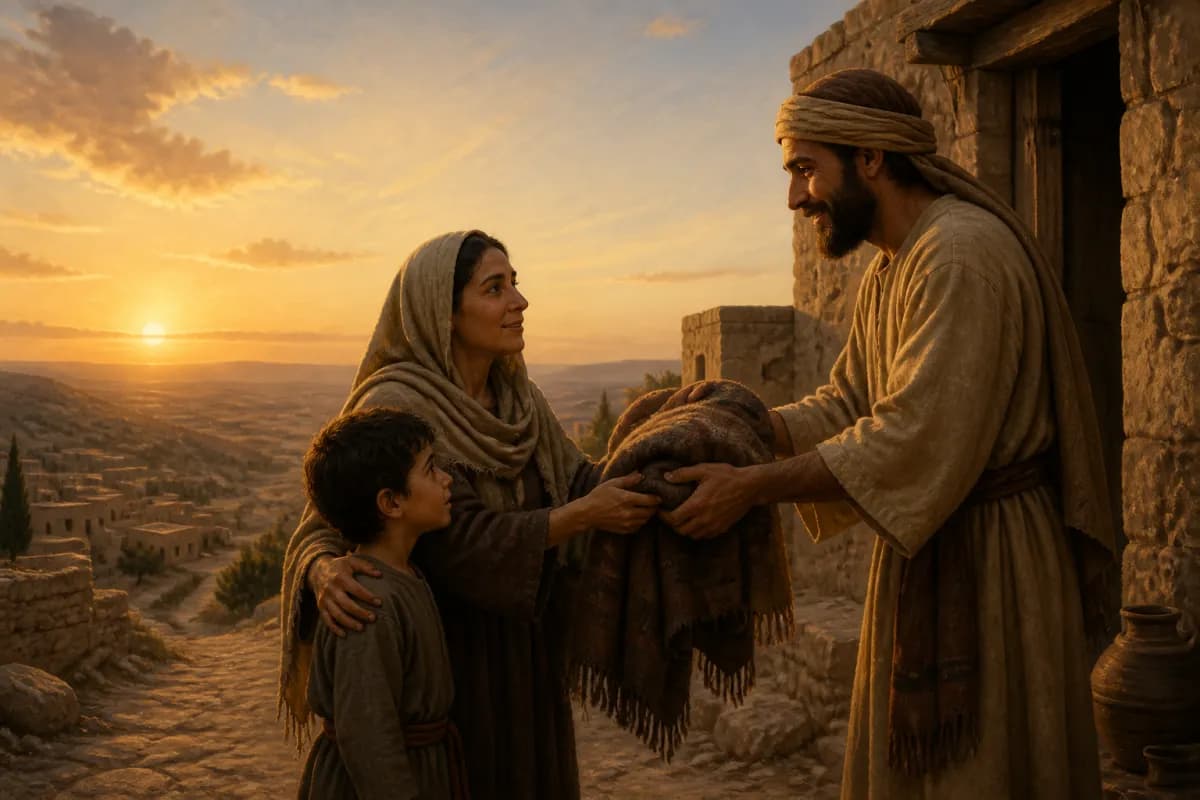
22:26If you take your neighbor’s garment as collateral, you shall restore it to him before the sun goes down,
22:27for that is his only covering, it is his garment for his skin. What would he sleep in? It will happen, when he cries to me, that I will hear, for I am gracious.
22:28“You shall not blaspheme God, nor curse a ruler of your people.
22:29“You shall not delay to offer from your harvest and from the outflow of your presses. “You shall give the firstborn of your sons to me.
22:30You shall do likewise with your cattle and with your sheep. It shall be with its mother seven days, then on the eighth day you shall give it to me.
22:31“You shall be holy men to me, therefore you shall not eat any meat that is torn by animals in the field. You shall cast it to the dogs.
CONTEXTUAL OVERVIEW
The movement from property law into holiness may feel abrupt, but Exodus refuses to split worship from ordinary ethics. Sexual power, money, immigration, family loss, speech about leaders, offerings, and food all belong before the God who brought Israel out of Egypt.
A repeated memory anchors the section: “you were aliens in the land of Egypt.” Israel cannot remember its own rescue while exploiting the person without kin, land, or protection. Holiness is not a private religious mood; it is God-shaped faithfulness in the places where someone else’s weakness may tempt us to take advantage.
HISTORICAL AND LITERARY CONTEXT
The cases name real pressures in village and household life. A widow or orphan could lose economic protection; a resident alien could face exclusion; a poor borrower could be trapped by interest or deprived of a cloak needed at night. The law identifies these people not as inconveniences but as neighbors heard by the God who hears cries.
The severe prohibitions on sorcery, bestiality, and sacrifice to other gods guard Israel’s covenant identity. They are not random taboos. Each rejects a false source of power or a distortion of creaturely life that competes with loyalty to the Lord who alone redeemed Israel.
SECTION-BY-SECTION ANALYSIS
- Exclusive worship · Exodus 22:20Israel may not seek power from practices or gods that deny the Lord who redeemed it.
- God hears cries · Exodus 22:27Widows, orphans, poor borrowers, and resident aliens receive explicit protection because the Lord sees their vulnerability.
- Whole-life holiness · Exodus 22:17Speech, money, offerings, and food are all placed under the covenant claim, “You shall be holy to me.”
CHRIST IN THIS PASSAGE
Jesus does not relax the concern for the vulnerable; He embodies it. He welcomes outsiders, confronts religious exploitation, and teaches His disciples to love God with all their heart and their neighbor as themselves. His saving mission brings people who were far off near to God and breaks the old patterns by which people secure themselves through idols or oppression.
The New Testament applies holiness to a people redeemed by Christ’s blood. That holiness is not withdrawal from wounded neighbors; it is merciful, truthful belonging to Jesus. Because He became poor for sinners and bore their curse, His people can use money, influence, and hospitality to make His grace visible.
REFLECTION
Consider which neighbor you are most tempted to overlook: the newcomer who needs help navigating a system, the single parent under financial strain, the person whose accent, poverty, or lack of influence makes them easy to dismiss. Exodus leaves no room for worship that ignores their cry.
Let Jesus search your loyalties as well. Idolatry often appears respectable: security in money, control, appetite, political identity, or social approval. Turn again to the Savior who made you His own, and choose one act of protection, hospitality, or generosity that reflects His mercy this week.
Original Hebrew Word Study
Exodus 22:31
קָדוֹשׁ
qadosh · H6918
Usually translated: holy
Qadosh means holy, set apart for God. The laws about vulnerable neighbors, worship, food, and justice belong together because God’s people are called to bear His distinct character in ordinary life.
Follow the Scripture trail
A Holy People in the Ordinary Vulnerabilities of Life in the larger story
The connection: Exodus joins holy worship to merciful protection of people without power and to undivided loyalty to the Lord. Jesus brings outsiders near through His saving death and creates a people whose holiness displays His justice, welcome, and grace.
Respond to the passage
Name one vulnerable neighbor or group you can see more clearly because of this passage. Ask Jesus to uncover any idol of security in your heart, then take one practical action of welcome, protection, or generous help.
- Why does the memory of Egypt matter for the treatment of resident aliens?
- What ties the prohibitions on idolatry to the commands about lending and pledges?
- How does Jesus’ welcome of outsiders shape Christian holiness today?
Prayer
Father, You are gracious and hear the cry of the afflicted. Forgive my divided loyalties and my indifference to vulnerable neighbors. Through Jesus, make my life holy in the way I use power, money, speech, and hospitality. Amen.