Passage Study
Psalm 103: Bless the Lord Who Forgives and Has Compassion
Psalms 103:1–103:22
Psalm 103 calls the soul, the heavenly host, and all creation to bless the Lord for His forgiveness, healing, redemption, compassion, and enduring covenant love. The psalm holds God’s holiness and human frailty together: He does not deal with His people according to their sins, yet His steadfast love belongs to those who fear Him. Jesus secures this forgiveness and gathers a people who bless the Father.
- In this study
- 22 verses · 5 movements
Psalms 103
103:1Praise the LORD, my soul! All that is within me, praise his holy name!
103:2Praise the LORD, my soul, and don’t forget all his benefits,
103:3who forgives all your sins, who heals all your diseases,
103:4who redeems your life from destruction, who crowns you with loving kindness and tender mercies,
103:5who satisfies your desire with good things, so that your youth is renewed like the eagle’s.
103:6The LORD executes righteous acts, and justice for all who are oppressed.
103:7He made known his ways to Moses, his deeds to the children of Israel.
103:8The LORD is merciful and gracious, slow to anger, and abundant in loving kindness.
103:9He will not always accuse; neither will he stay angry forever.
103:10He has not dealt with us according to our sins, nor repaid us for our iniquities.
103:11For as the heavens are high above the earth, so great is his loving kindness toward those who fear him.
103:12As far as the east is from the west, so far has he removed our transgressions from us.
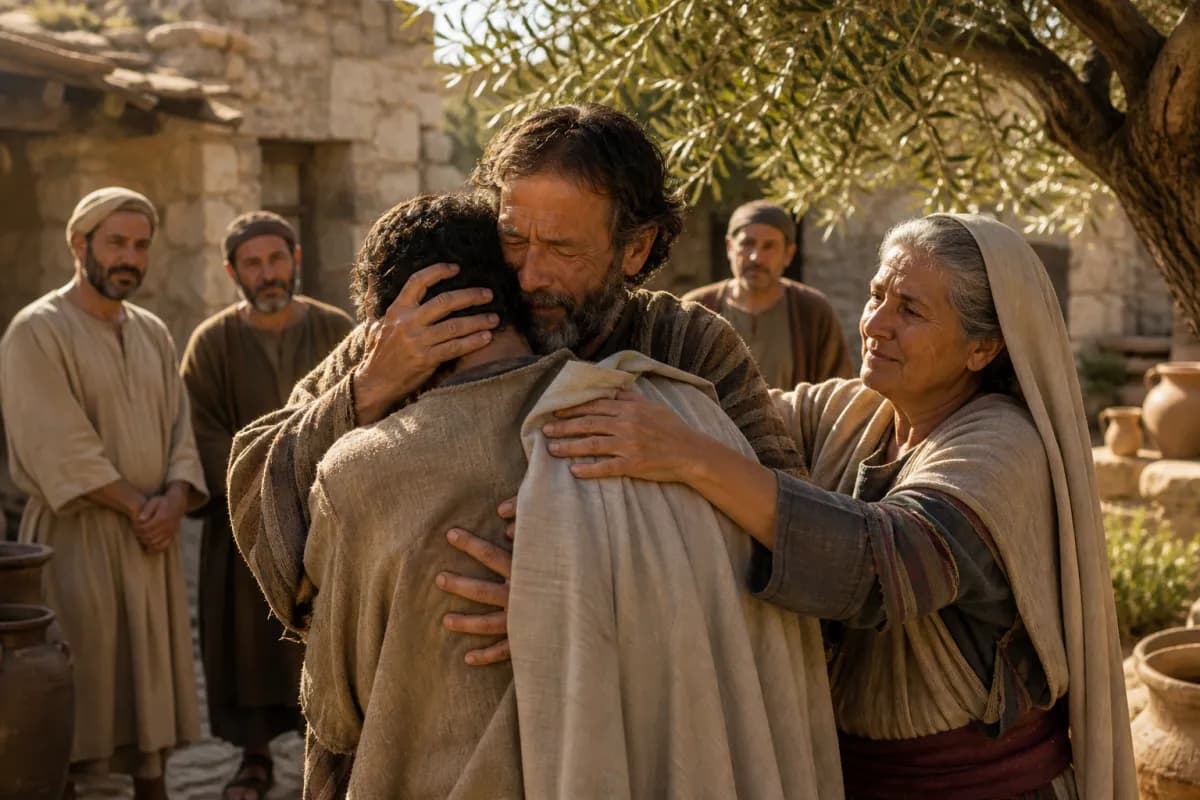
103:13Like a father has compassion on his children, so the LORD has compassion on those who fear him.
103:14For he knows how we are made. He remembers that we are dust.
103:15As for man, his days are like grass. As a flower of the field, so he flourishes.
103:16For the wind passes over it, and it is gone. Its place remembers it no more.
103:17But the LORD’s loving kindness is from everlasting to everlasting with those who fear him, his righteousness to children’s children,
103:18to those who keep his covenant, to those who remember to obey his precepts.
103:19The LORD has established his throne in the heavens. His kingdom rules over all.
103:20Praise the LORD, you angels of his, who are mighty in strength, who fulfill his word, obeying the voice of his word.
103:21Praise the LORD, all you armies of his, you servants of his, who do his pleasure.
103:22Praise the LORD, all you works of his, in all places of his dominion. Praise the LORD, my soul!
CONTEXTUAL OVERVIEW
Psalm 103 begins with self-address: “Bless the Lord, O my soul.” The singer calls his own inner life to remember what suffering, guilt, or distraction can make him forget. The benefits are not vague optimism. The Lord forgives iniquity, heals, redeems life from the pit, crowns with steadfast love and mercy, and satisfies His servant with good.
The praise widens in stages. David remembers God’s dealings with Moses and Israel, reflects on God’s compassion for dust-made people whose days vanish like grass, and then calls angels, heavenly hosts, and every work of God’s dominion to bless the Lord. Personal gratitude becomes cosmic worship because the Lord’s mercy and reign encompass all.
HISTORICAL AND LITERARY CONTEXT
Psalm 103 is a hymn of praise attributed to David. It is governed by the revealed name and character of God in Israel’s Scriptures, especially God’s self-declaration to Moses as merciful, gracious, patient, and abounding in steadfast love. The psalm remembers the exodus not as distant history but as the pattern of God’s continuing covenant mercy.
The references to healing and satisfying should be heard within praise poetry, where God is named as the giver and restorer of life. They do not turn every illness into evidence of insufficient faith or promise that every bodily affliction will be removed immediately. The psalm’s clearest contrast is between human transience and God’s everlasting covenant love.
SECTION-BY-SECTION ANALYSIS
- Verses 1–5 · Psalms 103:2The soul remembers concrete benefits: forgiveness, restoration, rescue, steadfast love, and renewed strength.
- Verses 6–14 · Psalms 103:3God’s mercy rests in His revealed character; He knows His people’s frailty and removes their sins far from them.
- Verses 15–22 · Psalms 103:1Human life fades like grass, but God’s covenant love and sovereign reign call all creation into praise.
CHRIST IN THIS PASSAGE
Psalm 103 praises the God who forgives rather than dealing with His people according to their sins. The New Testament makes clear how that mercy can be righteous: Jesus bears sin in His body, rises in victory, and brings forgiveness in His name. His healing ministry also reveals the compassionate kingdom Psalm 103 celebrates, while His resurrection promises the final restoration of bodies still marked by weakness.
Jesus teaches His disciples to address God as Father and makes them children of the Father by grace. In Him, the compassion shown to those who are dust becomes personal and secure. Christians bless the Lord not because they have outgrown frailty, but because the crucified and risen Christ has carried their sin and holds their future.
REFLECTION
Psalm 103 gives a remedy for spiritual amnesia. When guilt says you are only your worst failure, remember that the Lord forgives. When weakness says you are forgotten, remember that He knows you are dust. Let the psalm’s commands to the soul become a truthful rehearsal of God’s character rather than a demand to manufacture happy feelings.
Choose one benefit from verses 1–5 and thank Jesus for it in detail. If you are carrying unresolved shame, confess it and receive His forgiveness; if you are carrying bodily or emotional weakness, bring it to the compassionate Father without pretending it has already disappeared. Then let your gratitude become a specific act of mercy toward another frail person.
Original Hebrew Word Study
Psalm 103:8
רַחוּם
rachum · H7349
Usually translated: compassionate or merciful
Rachum means compassionate. God’s mercy is not reluctant; He knows our frailty and meets it with fatherly compassion.
Follow the Scripture trail
Psalm 103: Bless the Lord Who Forgives and Has Compassion in the larger story
The connection: Psalm 103 remembers God’s covenant mercy toward people who are guilty and frail. Jesus secures that mercy through His saving death and resurrection, forgives sins, brings people to the Father, and promises the final renewal that present healing only anticipates.
Respond to the passage
Bless the Lord by naming one specific mercy you have forgotten, receiving Christ’s forgiveness for one confessed sin, and extending patient compassion to one person whose weakness inconveniences you.
- Why does the psalm tell the soul to remember rather than merely to feel thankful?
- How do the images of east and west, a father’s compassion, and grass explain God’s mercy and human frailty?
- How does Jesus’ saving work give solid ground for the forgiveness Psalm 103 celebrates?
Prayer
Father, through Jesus You forgive, redeem, and show compassion to people made of dust. Teach my soul to remember Your mercy, receive Your forgiveness with humility, and reflect Your patient love to others. Amen.