Passage Study
Psalm 112: The Steady and Generous Life of One Who Fears the Lord
Psalms 112:1–112:10
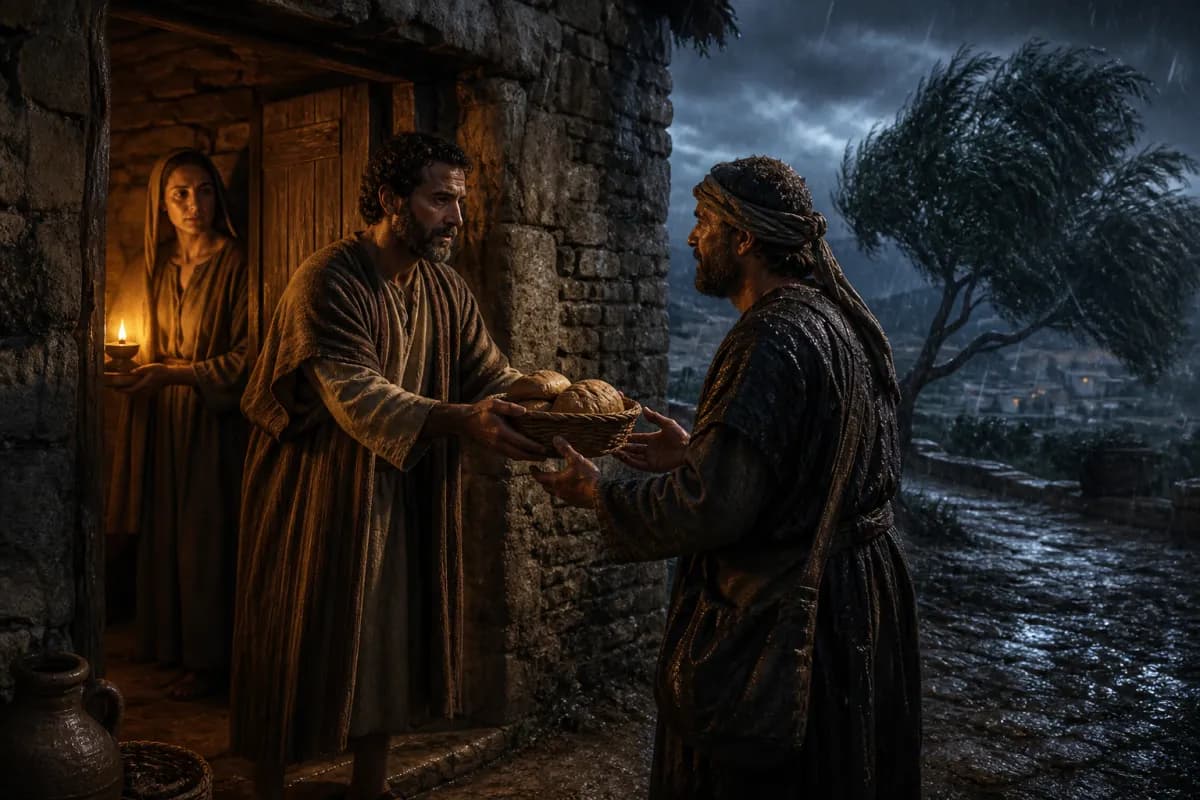
Psalm 112 describes the blessed life of the person who fears the Lord and delights in His commands. Rather than promising ease, it shows a household made steady by trust: light rises in darkness, the heart is firm amid bad news, and received blessing becomes openhanded care for the poor. Jesus embodies this faithful righteousness and makes His people generous through His grace.
- In this study
- 10 verses · 5 movements
Psalms 112
112:1Praise the LORD! Blessed is the man who fears the LORD, who delights greatly in his commandments.
112:2His offspring will be mighty in the land. The generation of the upright will be blessed.
112:3Wealth and riches are in his house. His righteousness endures forever.
112:4Light dawns in the darkness for the upright, gracious, merciful, and righteous.
112:5It is well with the man who deals graciously and lends. He will maintain his cause in judgment.
112:6For he will never be shaken. The righteous will be remembered forever.
112:7He will not be afraid of evil news. His heart is steadfast, trusting in the LORD.
112:8His heart is established. He will not be afraid in the end when he sees his adversaries.
112:9He has dispersed, he has given to the poor. His righteousness endures forever. His horn will be exalted with honor.
112:10The wicked will see it, and be grieved. He shall gnash with his teeth, and melt away. The desire of the wicked will perish.
CONTEXTUAL OVERVIEW
Psalm 112 follows Psalm 111, where the fear of the Lord is called the beginning of wisdom. Here that fear becomes visible in a particular kind of life: delight in God’s commandments, graciousness, lending, justice in affairs, generosity toward the poor, and a heart fixed on the Lord. The psalm does not admire private religious feeling detached from neighbors.
The supplied note on ashrei, “blessed, happy, or flourishing,” gives the opening its weight. This blessedness is not a guarantee that every day will be comfortable. Verses 7–8 expressly speak of bad news and enemies. Flourishing means that trust in the Lord makes a person steady enough to act with mercy when fear would normally close the hand.
HISTORICAL AND LITERARY CONTEXT
Psalm 112 is an alphabetic wisdom psalm, closely paired in form and vocabulary with Psalm 111. Psalm 111 praises what the Lord is and has done; Psalm 112 portrays the human life that answers such revelation with reverence. The psalm speaks in broad wisdom patterns, not as a mechanical formula by which prosperity can be demanded from God.
Its references to descendants, wealth, honor, lending, and dealings with justice belong to the ordinary social world of Israel. The concern is covenant-shaped character within that world. Material provision is never presented as an excuse for self-display; it is placed beside generosity, fairness, and care for those who are poor.
SECTION-BY-SECTION ANALYSIS
- Verses 1–3 · Psalms 112:1Fear of the Lord and delight in His commands give the psalm’s account of household blessing and enduring righteousness.
- Verses 4–6 · Psalms 112:2The upright bring grace, mercy, and justice into dark circumstances, lending and conducting their affairs fairly.
- Verses 7–10 · Psalms 112:7A heart trusting the Lord faces bad news without collapse and turns received blessing into generosity toward the poor.
CHRIST IN THIS PASSAGE
Psalm 112 does not predict a particular event in Jesus’ ministry, but it sketches a righteous life that exposes our need and finds its fullest embodiment in Him. Jesus delights in the Father’s will, remains faithful under hostility, and gives Himself for the needy rather than protecting His own comfort. His steadfastness in suffering gives substance to the psalm’s confidence under bad news.
The New Testament directly applies Psalm 112:9 to generous giving in Christ’s church. Jesus’ saving mission frees His people from treating possessions as a shield against fear; having received grace from the One who became poor for sinners, they can give with justice and joy. This is a strong canonical application, not a claim that every faithful giver will avoid hardship.
REFLECTION
Notice which part of Psalm 112 meets your present pressure: bad news, anxiety about provision, a temptation to protect your reputation, or reluctance to give. Bring that exact fear to Jesus. Ask Him to make your heart firm in the Father’s care rather than merely asking for the fear to disappear.
Then let trust take a concrete form. Conduct one financial or relational matter with unusual fairness, or give help where someone’s need has become visible. The psalm’s steady heart is not passive. It is a heart freed by Christ to be gracious, merciful, and just.
Original Hebrew Word Study
Psalm 112:1
אַשְׁרֵי
ashrei · H835
Usually translated: blessed, happy, or flourishing
Ashrei names the deep flourishing of the person who fears the Lord, a life freed for generosity and steadiness.
Follow the Scripture trail
Psalm 112: The Steady and Generous Life of One Who Fears the Lord in the larger story
The connection: Psalm 112 portrays a righteous and generous life rooted in fear of the Lord. Jesus lives that faithfulness perfectly, gives Himself for the needy, and by His grace forms people whose trust in Him becomes steadfast, just, and openhanded.
Respond to the passage
Name the bad news or scarcity that has made your heart unsteady. Trust it to Jesus, then take one generous or just action that shows your security rests in Him rather than in what you can keep.
- Why does Psalm 112 place generosity beside a heart that is unafraid of bad news?
- How does the psalm keep household blessing from becoming a promise of effortless prosperity?
- What does Paul’s use of Psalm 112:9 show about grace and generosity in Christ?
Prayer
Lord Jesus, make my heart firm in Your care. Deliver me from fearful grasping, teach me to delight in the Father’s will, and make Your generosity visible in the way I deal with others. Amen.