Passage Study
Psalm 121: The Keeper Who Never Sleeps
Psalms 121:1–121:8
Psalm 121 lifts a traveler’s eyes toward the hills and answers with a confession: help comes from the Lord, Maker of heaven and earth. Israel’s Keeper neither sleeps nor slumbers; He shades, guards, and keeps His people’s going out and coming in. Jesus is the risen Shepherd who keeps His own through life and death and brings them safely into the Father’s home.
- In this study
- 8 verses · 5 movements
Psalms 121
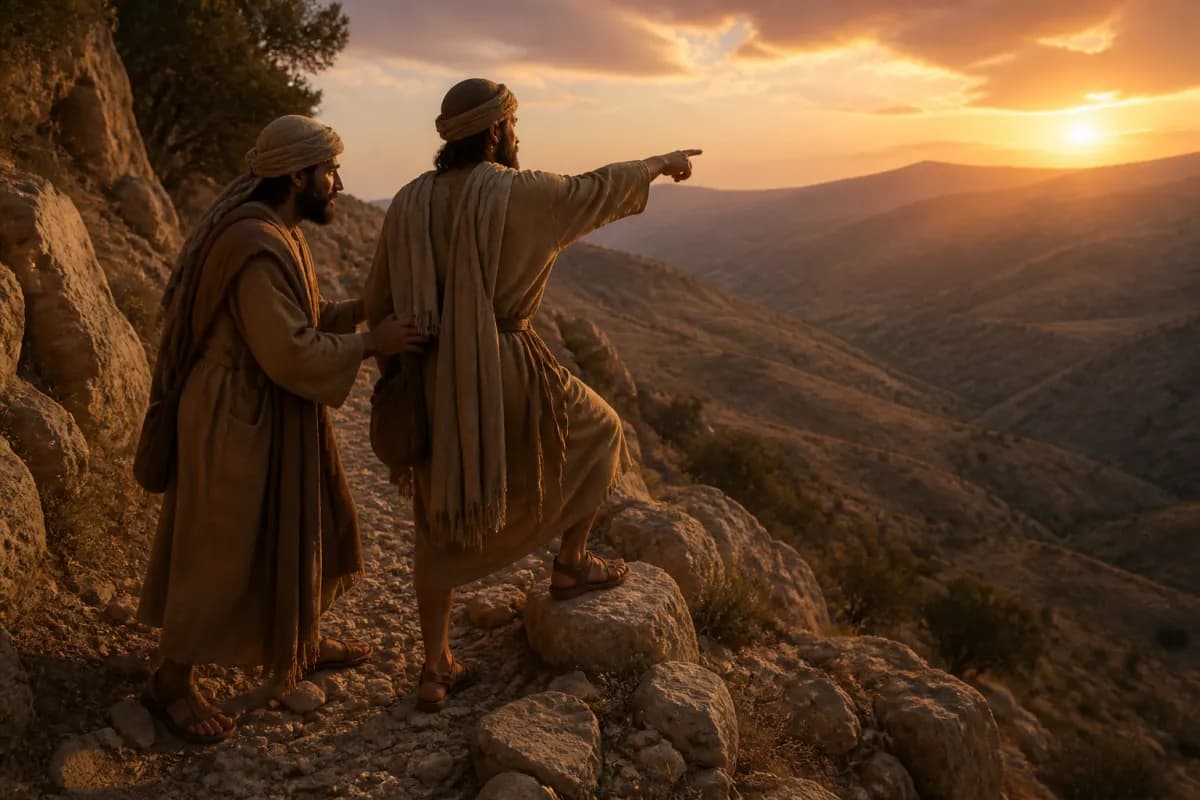
121:1I will lift up my eyes to the hills. Where does my help come from?
121:2My help comes from the LORD, who made heaven and earth.
121:3He will not allow your foot to be moved. He who keeps you will not slumber.
121:4Behold, he who keeps Israel will neither slumber nor sleep.
121:5The LORD is your keeper. The LORD is your shade on your right hand.
121:6The sun will not harm you by day, nor the moon by night.
121:7The LORD will keep you from all evil. He will keep your soul.
121:8The LORD will keep your going out and your coming in, from this time forward, and forever more.
CONTEXTUAL OVERVIEW
Psalm 121 begins with eyes lifted toward the hills and a question about help. The hills may suggest the traveler’s difficult route toward Jerusalem or the surrounding high places where people sought help from other powers. The psalm answers without hesitation: help comes from the Lord, the Maker of heaven and earth.
The supplied note on shamar, “to keep, guard, or watch over,” is repeated throughout the song. The Lord’s care is active and personal. He does not merely observe a pilgrim’s danger; He keeps, shades, and watches over Israel without the lapses that mark every human guard.
HISTORICAL AND LITERARY CONTEXT
As a Song of Ascents, Psalm 121 fits the journey of worshipers traveling to Zion. Its language of foot, sun, moon, going out, and coming in names the exposure of ordinary travel and daily life. The poem may be read as a dialogue: a pilgrim voices the opening confession, and another voice gives reassurance, though the text does not identify speakers.
The song does not promise that a believer will never suffer physical injury or loss. Its repeated promise of keeping is covenant assurance: the Creator’s care is not interrupted by day or night, and no threat can separate His people from His preserving purpose. The final line extends that confidence beyond one journey to the whole course of life.
SECTION-BY-SECTION ANALYSIS
- Verses 1–2 · Psalms 121:2The traveler’s help comes from the Lord, the Maker of heaven and earth, rather than from the hills themselves.
- Verses 3–4 · Psalms 121:3Israel’s Keeper does not sleep and will not finally abandon His people to a slipping path.
- Verses 5–8 · Psalms 121:6The Lord’s guarding presence shades and keeps His people in every departure, return, day, and night.
CHRIST IN THIS PASSAGE
Psalm 121’s promise belongs first to the Lord as Israel’s Keeper. Jesus reveals this divine care as the Good Shepherd who knows His sheep, gives His life for them, and assures that no one can snatch them from His hand. This is a strong canonical development of the psalm’s guarding language, not a claim that Jesus removes every earthly hardship.
The risen Christ keeps His people through the danger Psalm 121 knows by bringing them into lasting life with God. His saving mission does not depend on a disciple’s uninterrupted strength; He intercedes for His own and will raise them on the last day. The believer’s journey is therefore held by a Keeper whose care extends beyond death.
REFLECTION
Psalm 121 is for moments when the road ahead looks exposed and you cannot see how to secure every outcome. Lift your eyes from the danger and name the Lord as Maker and Keeper. Make prudent plans, but let prayer replace the demand that you must function as your own never-sleeping guard.
Receive the psalm as a blessing over your departures and returns: a child leaving home, a difficult appointment, travel, treatment, or an uncertain next season. Entrust each step to Jesus, who knows the way through suffering and keeps His people for the life He has promised.
Original Hebrew Word Study
Psalm 121:5
שָׁמַר
shamar · H8104
Usually translated: to keep, guard, or watch over
Shamar means to keep watch. The Lord is Israel’s keeper, never sleeping while He guards His people’s going out and coming in.
Follow the Scripture trail
Psalm 121: The Keeper Who Never Sleeps in the larger story
The connection: Psalm 121 praises the Lord as Israel’s ever-wakeful Keeper. Jesus fulfills this shepherding care by laying down His life, interceding for His people, and keeping them for eternal life in the Father’s presence.
Respond to the passage
Name the journey or responsibility you are trying to guard by yourself. Entrust it specifically to Jesus, take the wise next step available, and ask Him to make you rest in His watchful care rather than anxious control.
- What alternatives to the Lord might the hills tempt a traveler to trust?
- Why does the psalm repeat that Israel’s Keeper neither sleeps nor slumbers?
- How does Jesus as the Good Shepherd deepen the promise without turning it into freedom from all suffering?
Prayer
Lord Jesus, faithful Shepherd, I cannot keep myself through every danger. Watch over my going out and coming in, steady my fearful heart, and hold me fast for the life You have promised. Amen.