Passage Study
Psalm 129: Afflicted from Youth, Yet Not Finally Defeated
Psalms 129:1–129:8
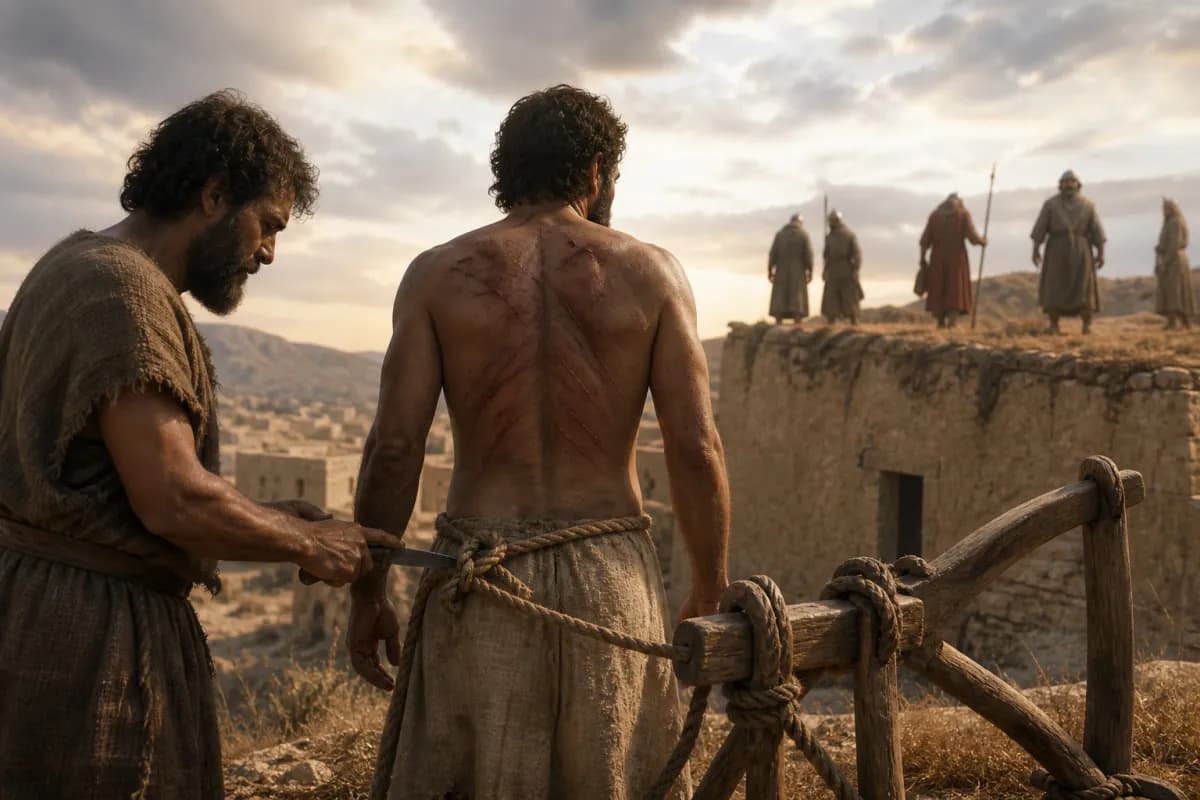
Psalm 129 remembers Israel’s long affliction from its youth and pictures oppression as furrows plowed across a back. Yet the Lord is righteous: He has cut the cords of the wicked, so enemies have not prevailed. The psalm entrusts hostile hatred to God’s justice rather than authorizing private revenge. Jesus bears unjust suffering, breaks sin’s enslaving power, and will finally judge evil with righteousness.
- In this study
- 8 verses · 5 movements
Psalms 129
129:1Many times they have afflicted me from my youth up. Let Israel now say:
129:2many times they have afflicted me from my youth up, yet they have not prevailed against me.
129:3The plowers plowed on my back. They made their furrows long.
129:4The LORD is righteous. He has cut apart the cords of the wicked.
129:5Let them be disappointed and turned backward, all those who hate Zion.
129:6Let them be as the grass on the housetops, which withers before it grows up,
129:7with which the reaper doesn’t fill his hand, nor he who binds sheaves, his bosom.
129:8Neither do those who go by say, “The blessing of the LORD be on you. We bless you in the LORD’s name.”
CONTEXTUAL OVERVIEW
Psalm 129 is a communal testimony with scars. “They have greatly oppressed me from my youth” is put on Israel’s lips twice, and the plural affliction is not minimized. The community remembers being treated as though its back were a field for another person’s plow, but it also says with equal force, “yet they have not prevailed against me.”
The supplied note on rav, “many or great,” sharpens the opening confession. Israel has known many afflictions, not one isolated difficulty. The psalm’s faith is therefore not denial. It tells the truth about repeated violence while locating the community’s survival in the righteousness of the Lord.
HISTORICAL AND LITERARY CONTEXT
This Song of Ascents speaks in Israel’s corporate voice and does not identify a single oppressor. “From my youth” likely reaches back to Israel’s early history of enslavement and threat, while the open language lets later worshipers remember their own persecution. The lack of a named episode cautions readers against attaching every phrase to one battle or empire.
The final wish uses agricultural imagery. Grass that springs from a roof has shallow soil and dries before anyone fills a hand with it; no passing reaper pauses to pronounce the customary blessing. This is an appeal that those who hate Zion will prove fruitless and transient, not a command for worshipers to carry out violence themselves.
SECTION-BY-SECTION ANALYSIS
- Verses 1–2 · Psalms 129:1Israel names many afflictions from its youth while confessing that oppressors have not finally conquered it.
- Verses 3–4 · Psalms 129:4The plowed-back image exposes sustained cruelty, and the righteous Lord cuts the cords of bondage.
- Verses 5–8 · Psalms 129:5Those who hate Zion are compared to roof grass that cannot mature, bear harvest, or receive blessing.
CHRIST IN THIS PASSAGE
Psalm 129 is not a prediction of one detail of Jesus’ passion, but its righteous-suffering pattern is fulfilled in Him. Jesus is beaten, mocked, and opposed without deserving judgment; He entrusts Himself to the Father rather than turning suffering into retaliation. His cross shows that God sees the violence inflicted by the wicked and that evil does not have the final word.
The Lord’s cutting of cords reaches a deeper saving fulfillment in Christ. By His death and resurrection He breaks the enslaving dominion of sin and defeats the accusation that holds sinners in fear. Christians may pray for God’s just judgment against evil while refusing personal vengeance, because the risen Jesus will judge rightly and preserve His people.
REFLECTION
Psalm 129 gives people harmed over a long time permission to say “many” without embarrassment. Bring the repeated injuries, not only the latest one, before Jesus. Let the psalm keep you from rewriting cruelty as harmless or from believing that endurance means God has overlooked what was done.
Where resentment is tempting you toward revenge, entrust the case to the righteous Lord. Seek protection, truthful help, and appropriate justice; the psalm does not make passivity holy. But let Christ free you from becoming shaped by the hatred that wounded you, and pray for His final restoration of what evil has damaged.
Original Hebrew Word Study
Psalm 129:1
רַב
rav · H7227
Usually translated: many or great
Rav means many. Israel remembers many afflictions without denying them, yet it also confesses that its enemies have not finally prevailed.
Follow the Scripture trail
Psalm 129: Afflicted from Youth, Yet Not Finally Defeated in the larger story
The connection: Psalm 129 remembers a people who endure brutal opposition because the righteous Lord cuts the cords of those who bind them. Jesus bears unjust suffering at the cross, frees sinners from sin’s dominion, and will bring the evil that hates God’s people to a righteous end.
Respond to the passage
Tell Jesus about one repeated wound you have minimized or carried alone. Ask for wise protection and just help, then release the demand to avenge yourself into His hands and take one faithful step that resists the injury’s power over your life.
- Why does the psalm make Israel repeat its history of affliction?
- What does the image of long furrows on a back communicate about oppression?
- How does Christ’s refusal of revenge guide a Christian response to real injustice?
Prayer
Righteous Lord Jesus, You know the wounds caused by evil. Cut the cords that bind me to fear and revenge, give me courage to seek what is right, and keep me in the hope of Your final justice. Amen.