Passage Study
Psalm 68: The God Who Rises for the Vulnerable and Reigns from Zion
Psalms 68:1–68:35
Psalm 68 celebrates God’s victorious advance from the wilderness to His dwelling on Zion. He scatters enemies, shelters the fatherless and widowed, gives a home to the lonely, and leads captives out. Israel’s worship answers this God who comes in holy power and generous mercy. Jesus’ ascension and gift-giving echo this royal victory as He gathers and cares for His people.
- In this study
- 35 verses · 5 movements
Psalms 68
68:1Let God arise! Let his enemies be scattered! Let them who hate him also flee before him.
68:2As smoke is driven away, so drive them away. As wax melts before the fire, so let the wicked perish at the presence of God.
68:3But let the righteous be glad. Let them rejoice before God. Yes, let them rejoice with gladness.
68:4Sing to God! Sing praises to his name! Extol him who rides on the clouds: to the LORD, his name! Rejoice before him!
68:5A father of the fatherless, and a defender of the widows, is God in his holy habitation.
68:6God sets the lonely in families. He brings out the prisoners with singing, but the rebellious dwell in a sun-scorched land.
68:7God, when you went out before your people, when you marched through the wilderness... Selah.
68:8The earth trembled. The sky also poured down rain at the presence of the God of Sinai— at the presence of God, the God of Israel.
68:9You, God, sent a plentiful rain. You confirmed your inheritance when it was weary.
68:10Your congregation lived therein. You, God, prepared your goodness for the poor.
68:11The Lord announced the word. The ones who proclaim it are a great company.
68:12“Kings of armies flee! They flee!” She who waits at home divides the plunder,
68:13while you sleep among the camp fires, the wings of a dove sheathed with silver, her feathers with shining gold.
68:14When the Almighty scattered kings in her, it snowed on Zalmon.
68:15The mountains of Bashan are majestic mountains. The mountains of Bashan are rugged.
68:16Why do you look in envy, you rugged mountains, at the mountain where God chooses to reign? Yes, the LORD will dwell there forever.
68:17The chariots of God are tens of thousands and thousands of thousands. The Lord is among them, from Sinai, into the sanctuary.
68:18You have ascended on high. You have led away captives. You have received gifts among people, yes, among the rebellious also, that the LORD God might dwell there.
68:19Blessed be the Lord, who daily bears our burdens, even the God who is our salvation. Selah.
68:20God is to us a God of deliverance. To GOD, the Lord, belongs escape from death.
68:21But God will strike through the head of his enemies, the hairy scalp of such a one as still continues in his guiltiness.
68:22The Lord said, “I will bring you again from Bashan, I will bring you again from the depths of the sea,
68:23that you may crush them, dipping your foot in blood, that the tongues of your dogs may have their portion from your enemies.”
68:24They have seen your processions, God, even the processions of my God, my King, into the sanctuary.
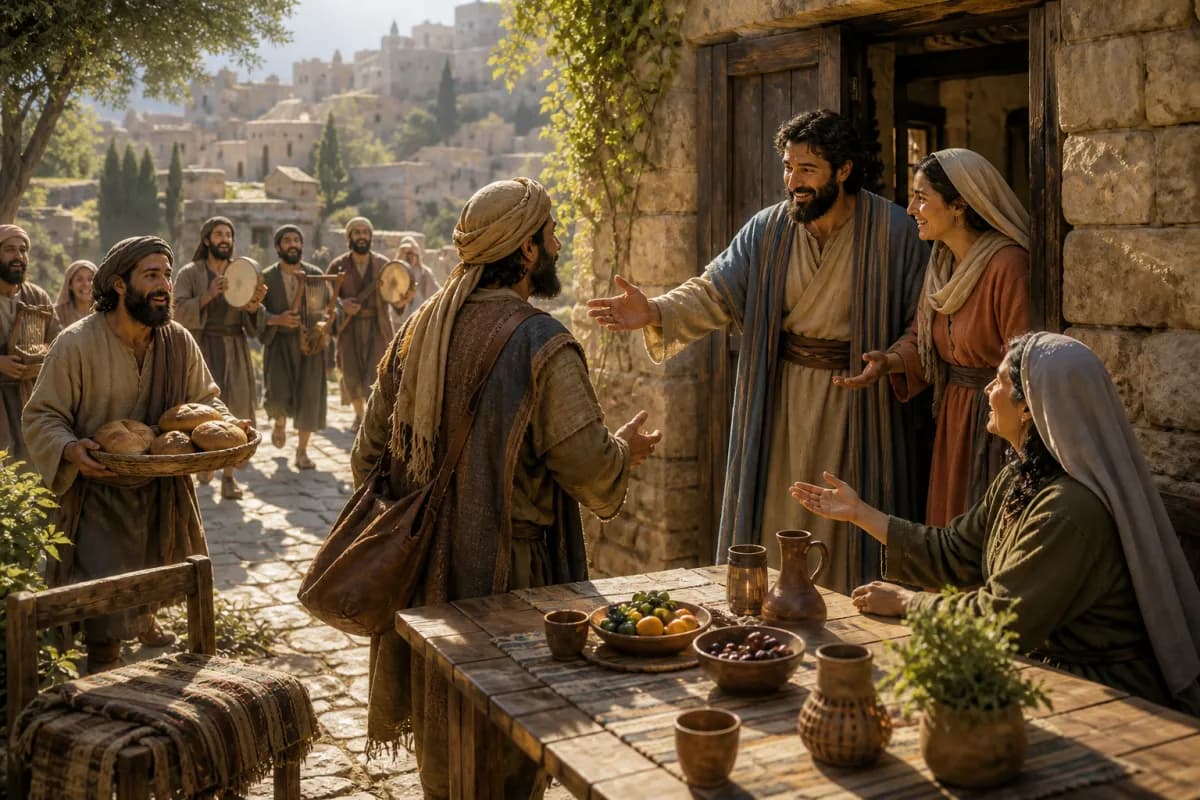
68:25The singers went before, the minstrels followed after, among the ladies playing with tambourines,
68:26“Bless God in the congregations, even the Lord in the assembly of Israel!”
68:27There is little Benjamin, their ruler, the princes of Judah, their council, the princes of Zebulun, and the princes of Naphtali.
68:28Your God has commanded your strength. Strengthen, God, that which you have done for us.
68:29Because of your temple at Jerusalem, kings will bring presents to you.
68:30Rebuke the wild animal of the reeds, the multitude of the bulls with the calves of the peoples. Trample under foot the bars of silver. Scatter the nations who delight in war.
68:31Princes shall come out of Egypt. Ethiopia shall hurry to stretch out her hands to God.
68:32Sing to God, you kingdoms of the earth! Sing praises to the Lord— Selah—
68:33to him who rides on the heaven of heavens, which are of old; behold, he utters his voice, a mighty voice.
68:34Ascribe strength to God! His excellency is over Israel, his strength is in the skies.
68:35You are awesome, God, in your sanctuaries. The God of Israel gives strength and power to his people. Praise be to God!
CONTEXTUAL OVERVIEW
Psalm 68 is a long victory hymn, but its portrait of divine kingship is startlingly personal. The God who rises against enemies is also “father of orphans and protector of widows.” The supplied note on yatom, “fatherless child,” anchors that claim: God’s majesty is shown not only in military imagery but in His active protection of people without ordinary social security.
The poem moves through Israel’s wilderness past, Sinai, Bashan, Jerusalem, tribute from nations, and God’s heavenly voice. Its many images are held together by one conviction: Israel’s God comes among His people, defeats what opposes Him, and establishes His dwelling in a way that provides for the needy and summons the earth to praise.
HISTORICAL AND LITERARY CONTEXT
The opening recalls Moses’ cry when the ark set out in the wilderness, and the psalm repeatedly remembers God’s march from Sinai. These echoes present Israel’s God as the divine warrior who has accompanied His people from exodus through settlement. References to Zion place the song within the worshiping life of Jerusalem and celebrate God’s chosen dwelling there.
Some individual images are difficult to reconstruct with certainty, including the mountain language and several descriptions of ancient victory. The broad literary movement is clear: God’s power is never impersonal. He defeats enemies, gives rain to the weary inheritance, receives worship, and commands His people to recognize His strength.
SECTION-BY-SECTION ANALYSIS
- Verses 1–6 · Psalms 68:5God scatters evil while revealing His holiness by defending widows, orphans, and the lonely.
- Verses 7–18 · Psalms 68:7Israel remembers God’s wilderness march, provision, victory, and royal dwelling on Zion.
- Verses 19–35 · Psalms 68:35The God who saves from death receives worship from His people and summons the kingdoms to acknowledge His strength.
CHRIST IN THIS PASSAGE
Psalm 68 is not a one-to-one prediction of every event in Jesus’ ministry, but Paul uses its ascent language when explaining Christ’s ascension and His gifts to the church. In that apostolic reading, the victorious Lord who ascends is Jesus, whose triumph over sin and death results in grace given for the building up of His people.
Jesus also embodies the character Psalm 68 attributes to God. He welcomes the socially overlooked, confronts destructive powers, bears the burden of His people, and gives His life to rescue them from death. His saving mission does not turn the psalm into a promise of immediate deliverance from every danger; it gives confidence that the risen King is present with His people and will finally defeat every enemy.
REFLECTION
Let Psalm 68 reshape what you call strength. God’s holy power is visible in His care for the fatherless, the widow, and the lonely, so Christian strength cannot be detached from practical protection, hospitality, and advocacy for those who lack support.
When opposition or grief makes your life feel dry, bring that need to the God who sustained His inheritance in the wilderness. Receive Christ’s gifts for the church as gifts to share, and refuse the temptation to use power as a way to secure yourself at another person’s expense.
Original Hebrew Word Study
Psalm 68:5
יָתוֹם
yatom · H3490
Usually translated: orphan or fatherless child
Yatom means fatherless child. God’s majesty is displayed in His defense of those without ordinary protection.
Follow the Scripture trail
Psalm 68: The God Who Rises for the Vulnerable and Reigns from Zion in the larger story
The connection: Psalm 68 celebrates God’s victorious, compassionate reign from Zion. Jesus is the risen and ascended King who defeats sin and death, gives gifts to His church, and gathers people who reflect His care for the vulnerable as His kingdom spreads.
Respond to the passage
Bring a present burden to the risen Jesus who bears His people daily. Then look for one lonely, vulnerable, or overlooked person whom you can welcome, protect, or strengthen in a way that reflects His reign.
- Why does Psalm 68 place care for widows and orphans beside God’s victory over enemies?
- How does the wilderness memory change the way Israel understands God’s presence on Zion?
- What does Christ’s ascension mean for using the gifts He gives to His church?
Prayer
Risen Lord Jesus, You are strong and compassionate. Bear my burdens, make Your church a home for the overlooked, and teach us to use Your gifts for the good of Your people and the praise of Your kingdom. Amen.