Passage Study
Psalm 99: The Holy King Who Loves Justice
Psalms 99:1–99:9
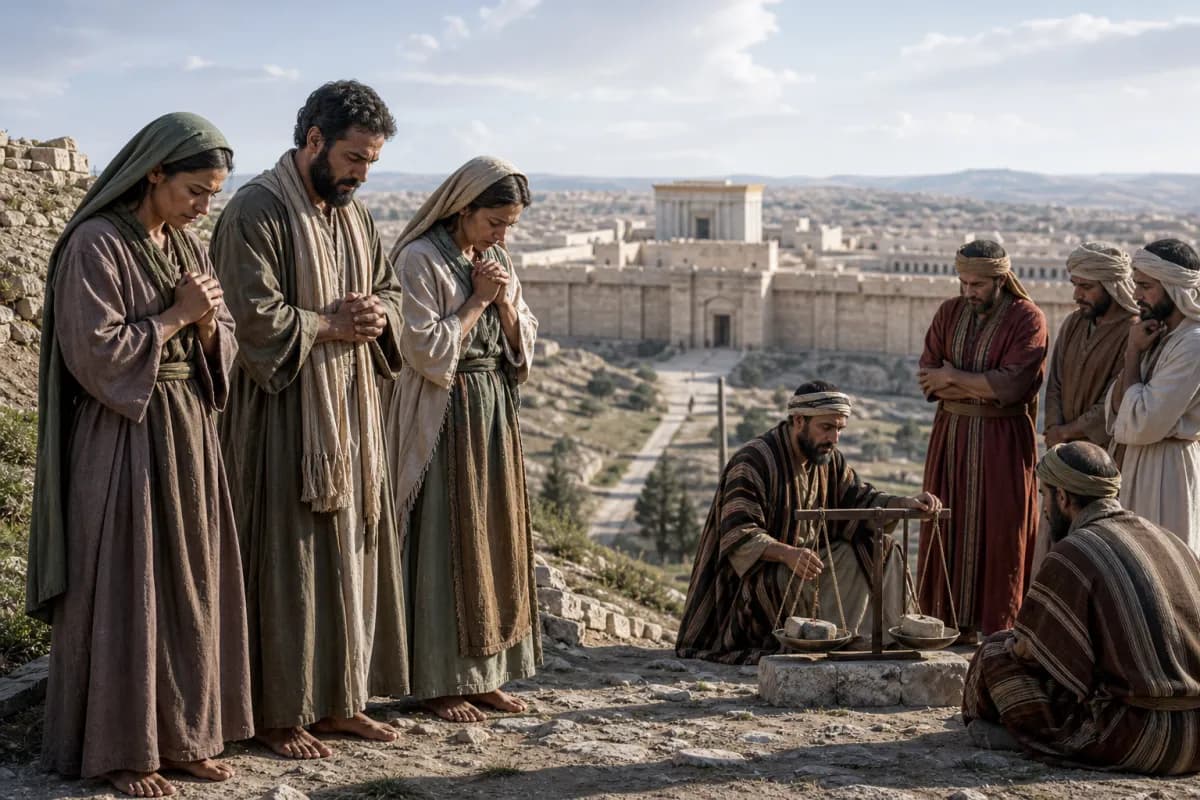
Psalm 99 calls the nations to tremble and worship because the Lord reigns from Zion in unapproachable holiness. Yet His holy rule is never arbitrary: He loves justice, answered Moses, Aaron, and Samuel when they called, and forgave His people while disciplining their sins. Jesus brings sinners near to this holy King through His saving work and will reign in perfect justice.
- In this study
- 9 verses · 5 movements
Psalms 99
99:1The LORD reigns! Let the peoples tremble. He sits enthroned among the cherubim. Let the earth be moved.
99:2The LORD is great in Zion. He is high above all the peoples.
99:3Let them praise your great and awesome name. He is Holy!
99:4The King’s strength also loves justice. You establish equity. You execute justice and righteousness in Jacob.
99:5Exalt the LORD our God. Worship at his footstool. He is Holy!
99:6Moses and Aaron were among his priests, Samuel was among those who call on his name. They called on the LORD, and he answered them.
99:7He spoke to them in the pillar of cloud. They kept his testimonies, the statute that he gave them.
99:8You answered them, LORD our God. You are a God who forgave them, although you took vengeance for their doings.
99:9Exalt the LORD, our God. Worship at his holy hill, for the LORD, our God, is holy!
CONTEXTUAL OVERVIEW
Psalm 99 begins with a king no nation can manage: the Lord reigns, sits enthroned above the cherubim, and is great in Zion. The command to tremble is not theatrical fear. His reign exposes the smallness of every human claim to final authority, and His name is declared great and awesome.
The supplied note on qadosh, “holy,” explains the threefold burden of the song. God’s holiness means that He is set apart from all creatures and all corruption. In this psalm, that holiness is joined to equity, justice, forgiveness, and discipline; the Holy One is neither remote from human wrong nor indulgent toward it.
HISTORICAL AND LITERARY CONTEXT
Psalm 99 belongs among the psalms that celebrate the Lord’s kingship. Its references to Zion, the footstool, and the holy mountain place its worship in Israel’s covenant life around the sanctuary, while the mention of cherubim recalls the ark as the sign of God’s enthroned presence among His people.
The poem is organized by repeated declarations that the Lord is holy. Between those refrains, it gives two needed corrections to shallow ideas of holiness. His strength establishes justice, and His past answers to Moses, Aaron, and Samuel show that this exalted King receives the prayers of those who call on His name.
SECTION-BY-SECTION ANALYSIS
- Verses 1–3 · Psalms 99:3The enthroned Lord is great over every people, so His great and awesome name receives reverent praise.
- Verses 4–5 · Psalms 99:4God’s holy kingship is expressed in equity and justice, calling His worshipers to bow before His rule.
- Verses 6–9 · Psalms 99:5God answers intercessors, forgives His people, and disciplines their sins as the holy God of the covenant.
CHRIST IN THIS PASSAGE
Psalm 99 does not name Jesus, but its problem is one the gospel directly addresses: how can guilty people worship the holy King? Jesus is the sinless Son who reveals the Father’s holy character and offers Himself so that sinners may be forgiven and brought near to God. This is a strong canonical fulfillment of the forgiveness and holy access the psalm holds together.
The psalm’s just kingship also belongs to Christ’s mission. The risen Jesus reigns now and will judge with righteousness; He does not excuse oppression or private sin. Those who come to Him receive mercy, but His mercy forms a people who learn to love the justice their King loves.
REFLECTION
Psalm 99 gives language for worship when God’s holiness feels either frightening or distant. Do not reduce Him to a useful helper, and do not hide from Him in shame. Come through Jesus with reverence, confess what is crooked, and trust the King who forgives without approving the sin He exposes.
Let God’s love of justice enter ordinary responsibilities. Where you hold influence, refuse favoritism and dishonesty; where you have been wronged, bring the matter to the Judge rather than making revenge your identity. His holy reign is a refuge for humble people, not permission for self-righteousness.
Original Hebrew Word Study
Psalm 99:3
קָדוֹשׁ
qadosh · H6918
Usually translated: holy or set apart
Qadosh means holy. The psalm repeats God’s holiness because His exalted kingship is never detached from His justice and mercy.
Follow the Scripture trail
Psalm 99: The Holy King Who Loves Justice in the larger story
The connection: Psalm 99 celebrates the holy King who forgives yet disciplines His people. Jesus, the holy Son, secures forgiveness by His sacrifice and brings worshipers near to God while forming them under His just reign.
Respond to the passage
Name one area where you have minimized God’s holiness or resisted His justice. Bring it to Jesus in confession, receive His mercy, and take one concrete step toward truthful and equitable obedience.
- Why does Psalm 99 connect God’s holiness with His love of justice?
- What does the psalm teach by saying that God forgave Israel and still disciplined its deeds?
- How does Jesus make reverent nearness to the holy King possible?
Prayer
Holy Lord Jesus, You bring guilty people near through Your blood. Teach me to tremble at Your holiness, receive Your forgiveness, love Your justice, and live under Your righteous reign. Amen.