Truth-Scrolling

Exodus 15:22–15:27

97 of 876 · Passage study

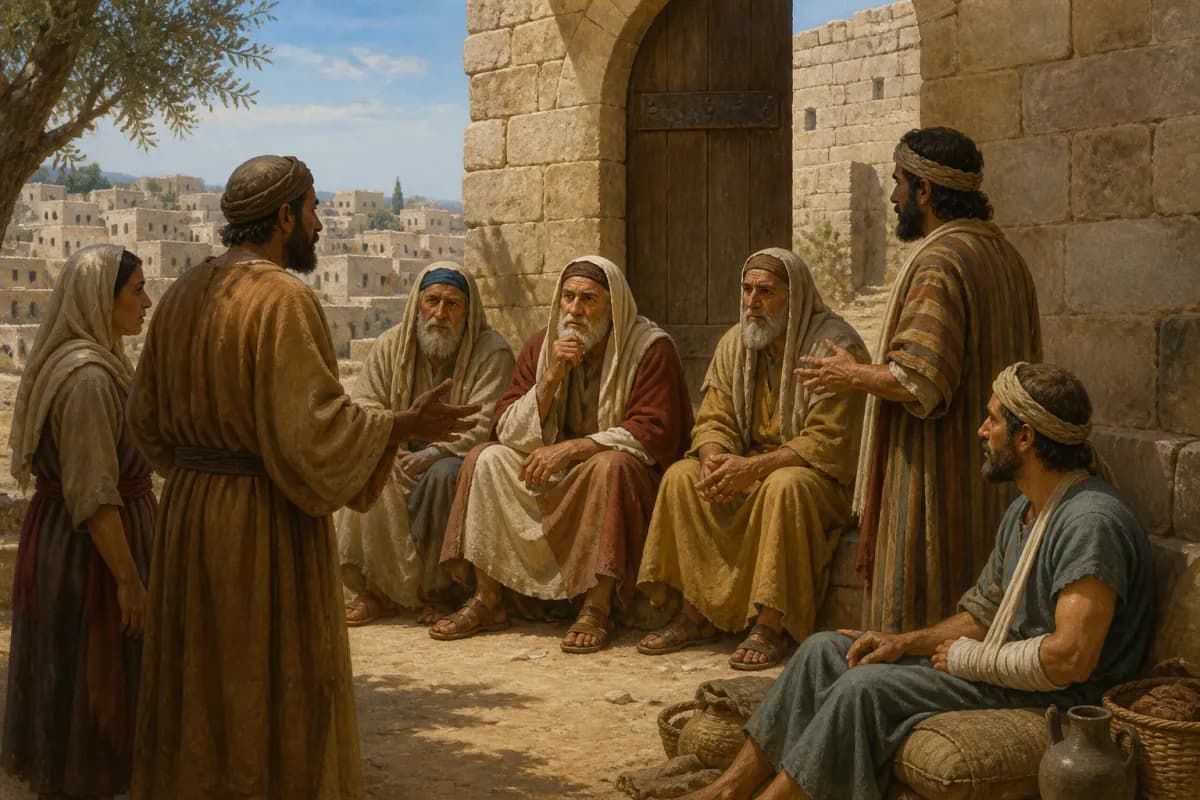
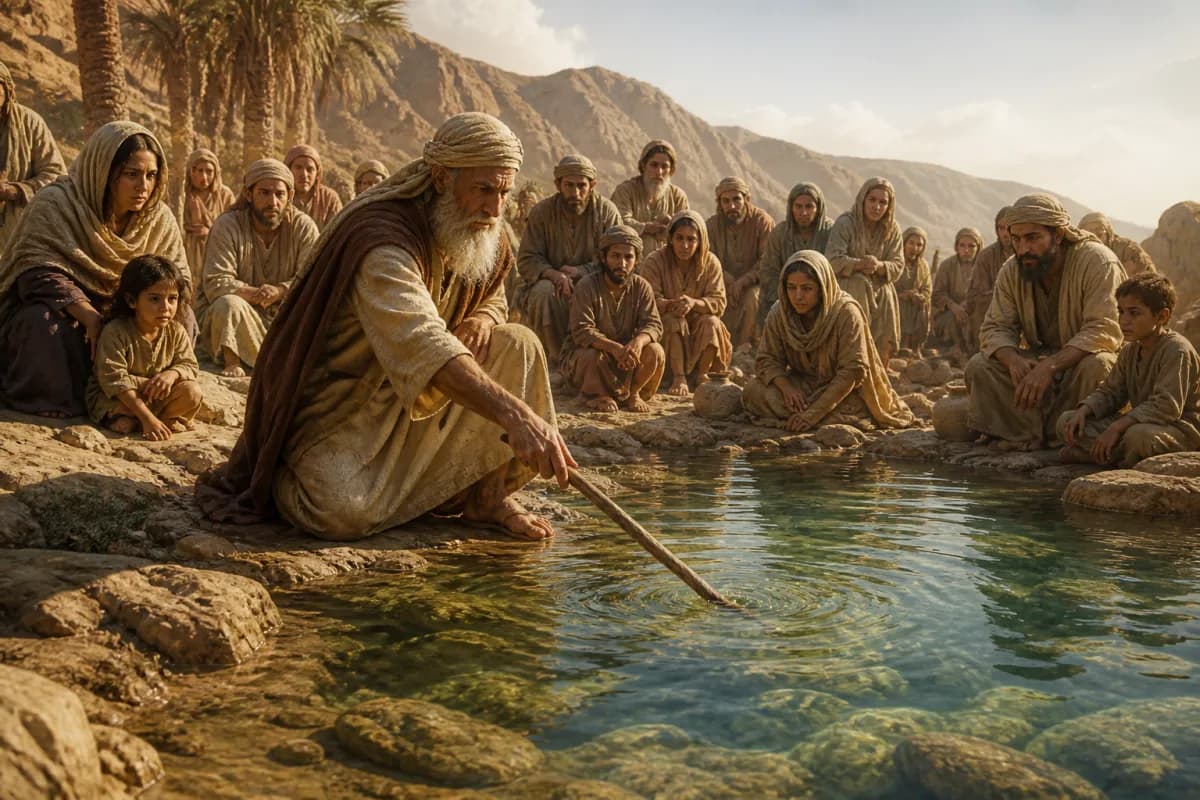
Bitter Water and the God Who Heals

Exodus 15:22–27 brings Israel from the song at the sea to undrinkable water at Marah. The Lord answers their complaint by making the water sweet, then calls them to listen and trust Him as their healer; the scene teaches a newly redeemed people that freedom includes learning dependence on God in the wilderness.
Study this passage →
Exodus 16:1–16:36

98 of 876 · Passage study

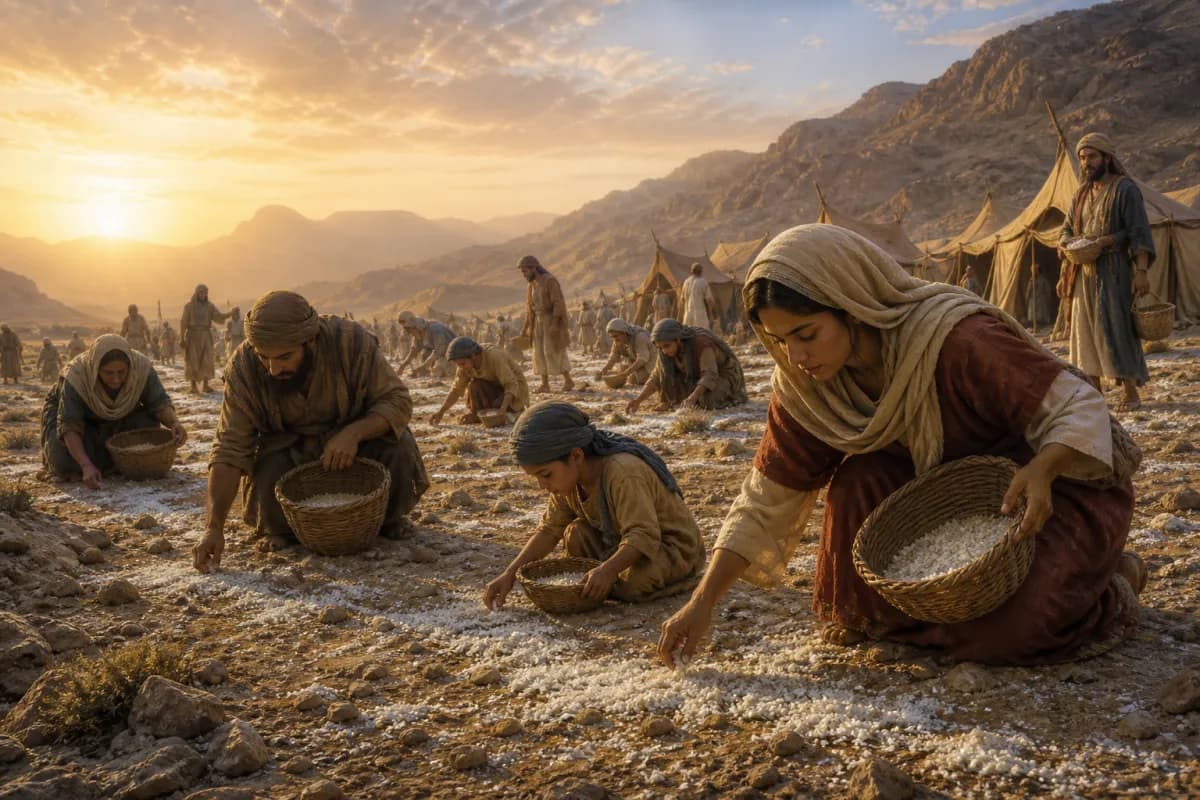
Bread from Heaven and the Gift of Sabbath

Exodus 16:1–36 records God feeding Israel with manna and quail in the wilderness and teaching them to gather according to His word. The daily bread and sixth-day provision form a people who depend on God rather than hoarding, and they prepare the way for Jesus, the true bread who gives life to the world.

Study this passage →
Exodus 17:1–17:7

99 of 876 · Passage study

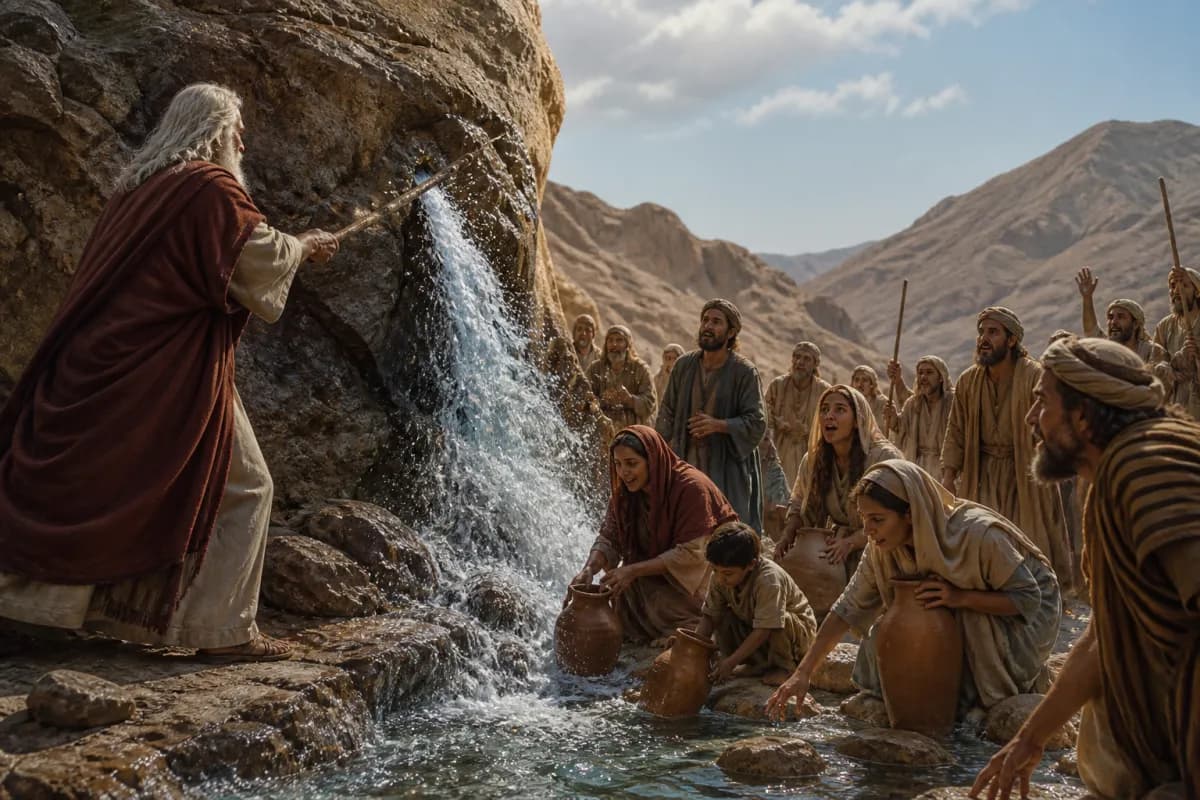
Water from the Rock at Rephidim

Exodus 17:1–7 shows Israel again thirsting in the wilderness, quarreling with Moses, and testing the Lord’s presence. God commands Moses to strike the rock at Horeb and provides water, exposing unbelief while sustaining the people He has redeemed.

Study this passage →
Exodus 17:8–17:16

100 of 876 · Passage study

The Battle with Amalek and the Lord’s Banner

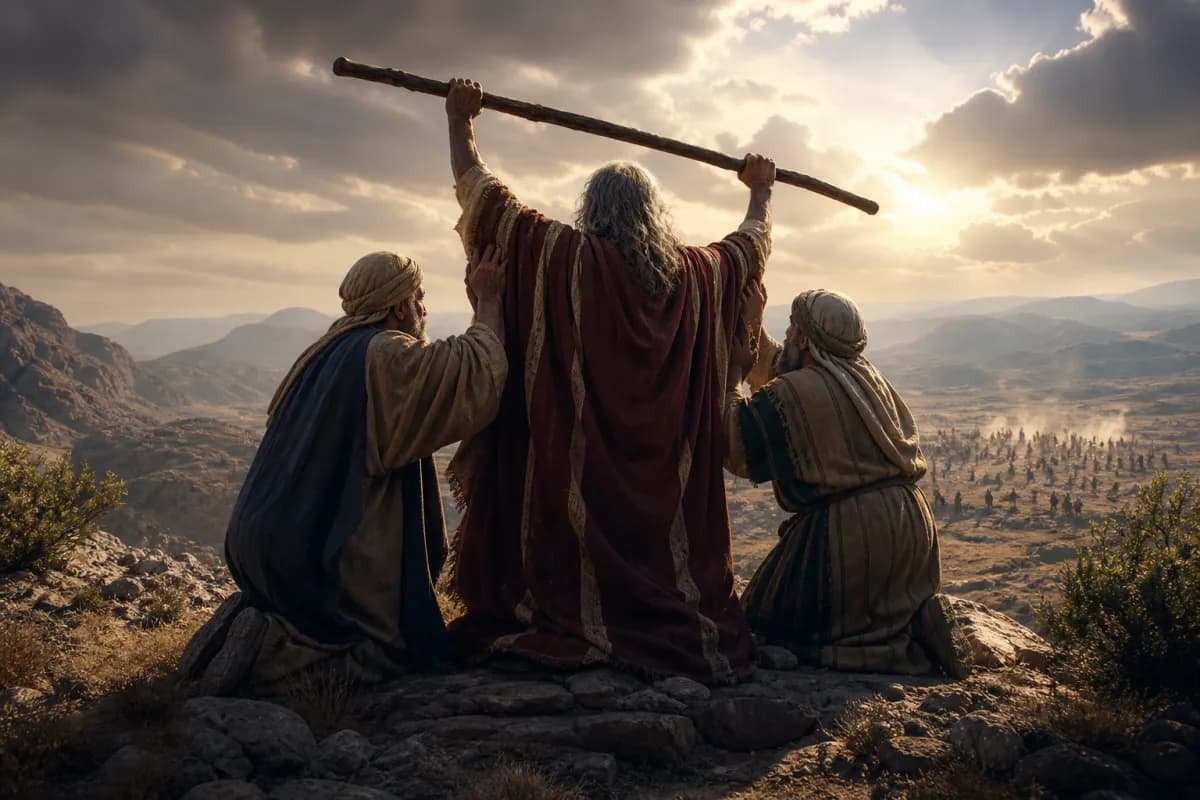
Exodus 17:8–16 recounts Amalek’s attack on Israel and the victory given as Moses stands on the hill with God’s staff raised. Joshua fights, Aaron and Hur support Moses’ weary hands, and an altar named “The Lord is my banner” declares that Israel’s safety rests on God’s help, not military pride.

Study this passage →
Exodus 18:1–18:12

101 of 876 · Passage study

Jethro Hears, Rejoices, and Worships

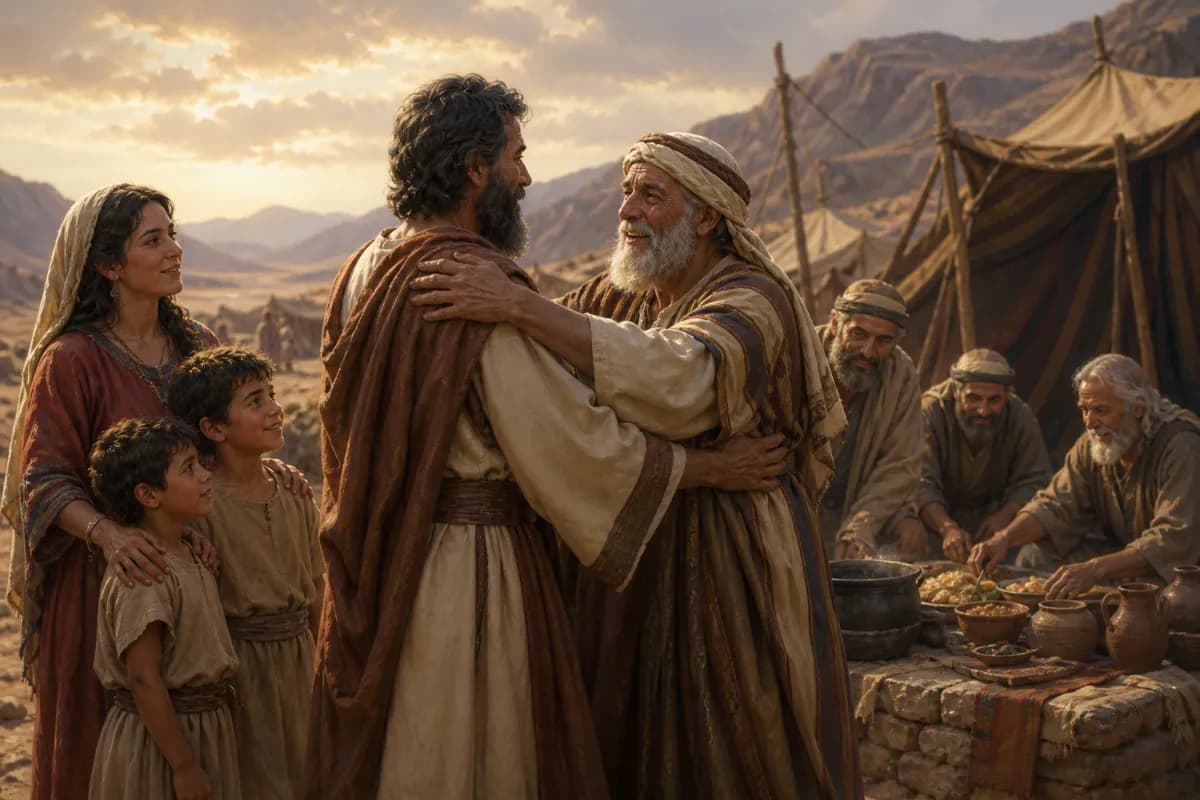
Exodus 18:1–12 brings Moses’ Midianite father-in-law Jethro to the wilderness after he hears what God has done for Israel. Jethro rejoices, confesses the Lord’s greatness over all gods, and shares a sacrifice and meal with Israel’s leaders, showing that God’s deliverance is already drawing the nations into worship.

Study this passage →
Exodus 18:13–18:27

102 of 876 · Passage study

Jethro Advises Moses: Shared Leadership Under God

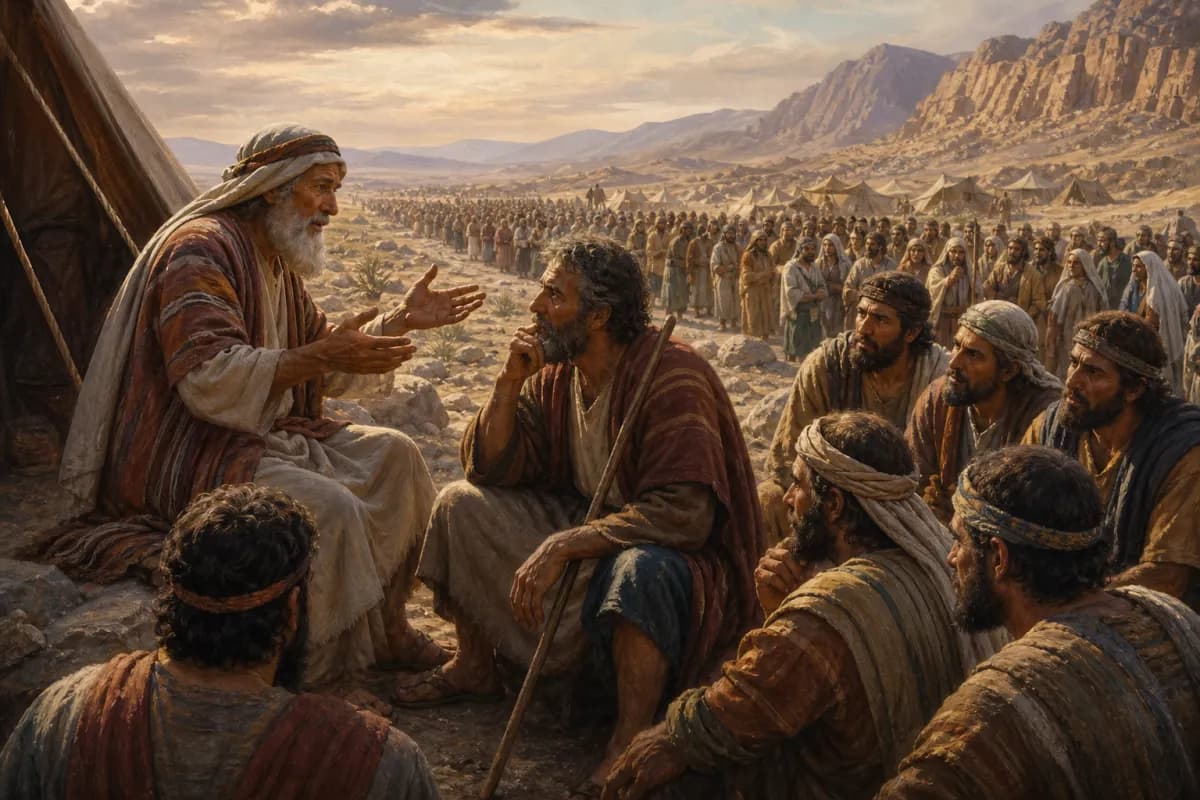
Exodus 18:13–27 shows Jethro watching Moses judge every dispute alone and urging him to appoint capable, God-fearing leaders over smaller groups. The passage joins spiritual dependence with practical wisdom: Moses must teach God’s statutes, intercede, and share the burdens of judgment. Jesus is the wise Shepherd who forms a serving body rather than leaving His people to carry ministry alone.

Study this passage →
Exodus 19:1–19:15

103 of 876 · Passage study

Carried on Eagles’ Wings: A People Called for the Nations

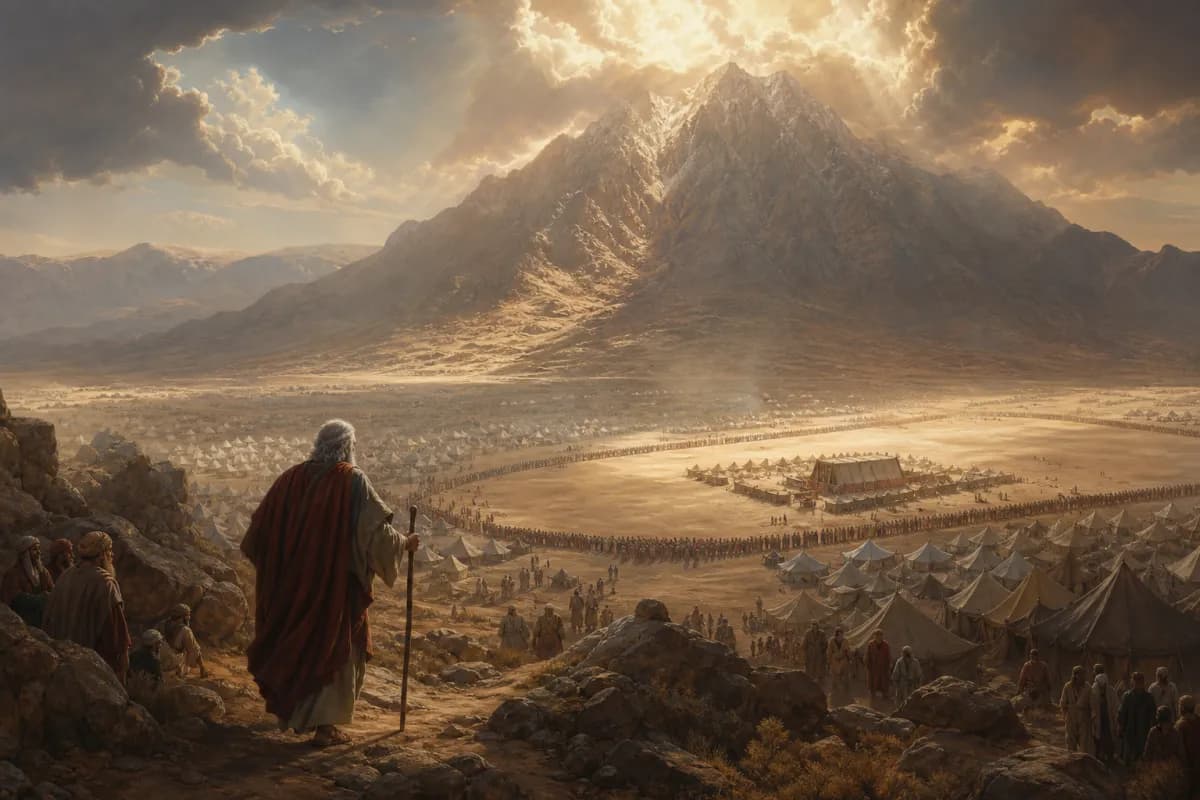
Exodus 19:1–15 brings Israel to Sinai three months after the exodus. Before giving the covenant commands, the Lord reminds them that He carried them from Egypt to Himself and calls them His treasured possession, a kingdom of priests, and a holy nation. Jesus fulfills Israel’s priestly calling by bringing sinners to God and sending a redeemed people to bear His name among the nations.

Study this passage →
Exodus 19:16–19:25

104 of 876 · Passage study

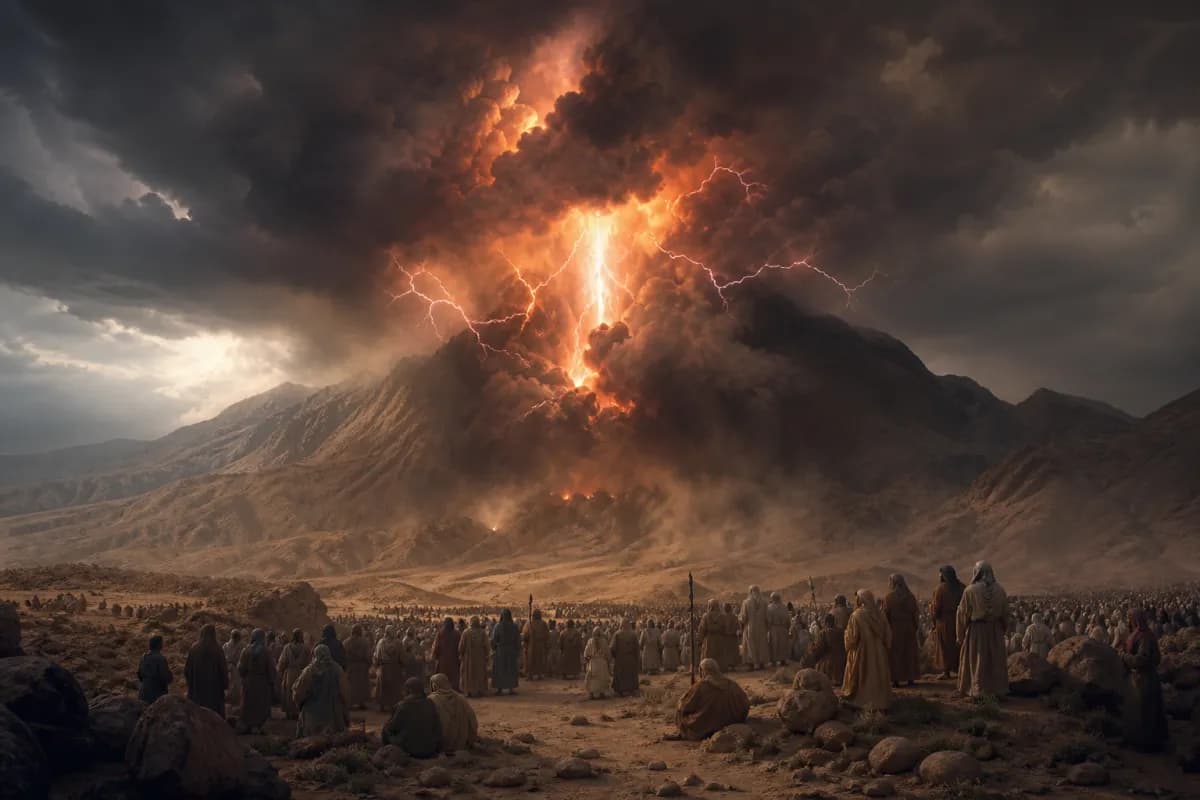
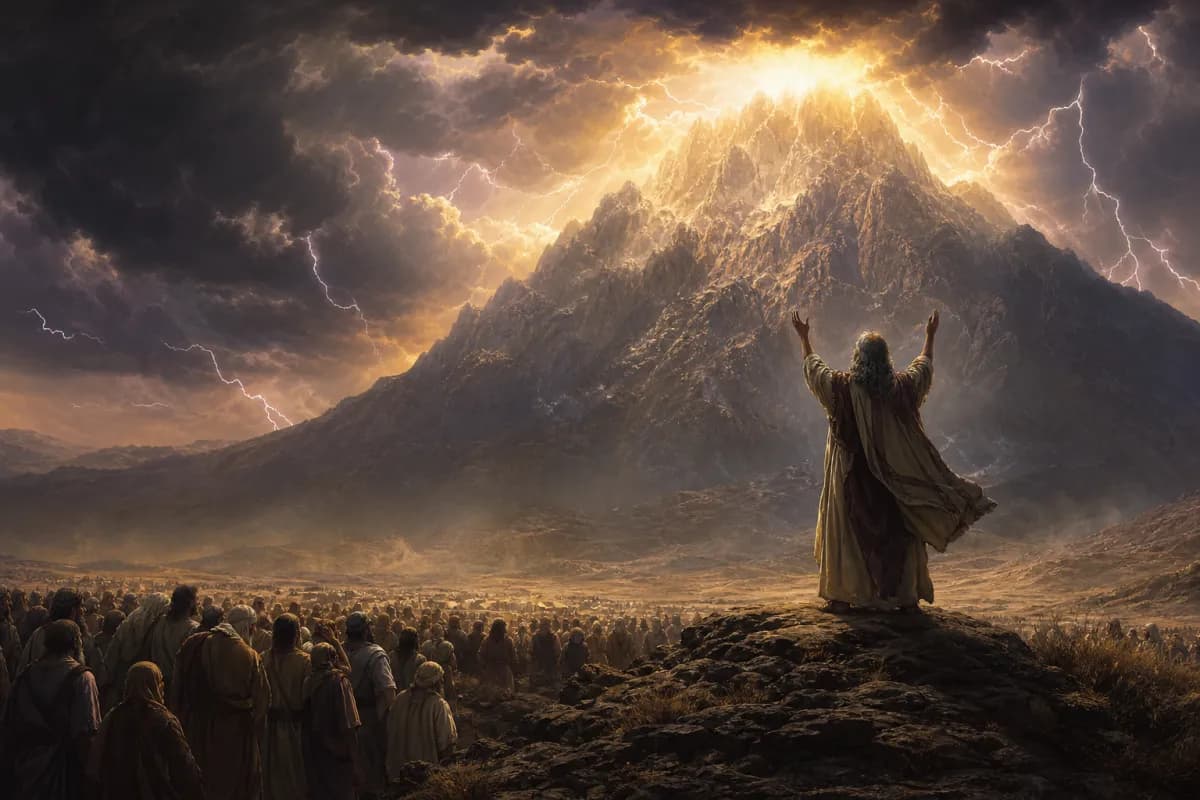
Thunder at Sinai: The Holy God Draws Near

Exodus 19:16–25 describes thunder, fire, trumpet blast, smoke, and trembling as the Lord descends on Sinai. The spectacle reveals that God’s nearness is real and holy, while the repeated boundaries protect Israel from a fatal presumption. Jesus opens access to God by His blood, yet He never makes the Father’s holiness ordinary.

Study this passage →
Exodus 20:1–20:21

105 of 876 · Passage study

Words for a Freed People: The Ten Commandments

Exodus 20:1–21 gives the Ten Commandments to the people God has already brought out of Egypt. The words order worship, speech, time, family, life, fidelity, property, truth, and desire under the Lord’s authority. Jesus fulfills the law in perfect love and saves lawbreakers by grace, then forms disciples whose obedience grows from His redeeming love.

Study this passage →
Exodus 20:22–20:26

106 of 876 · Passage study

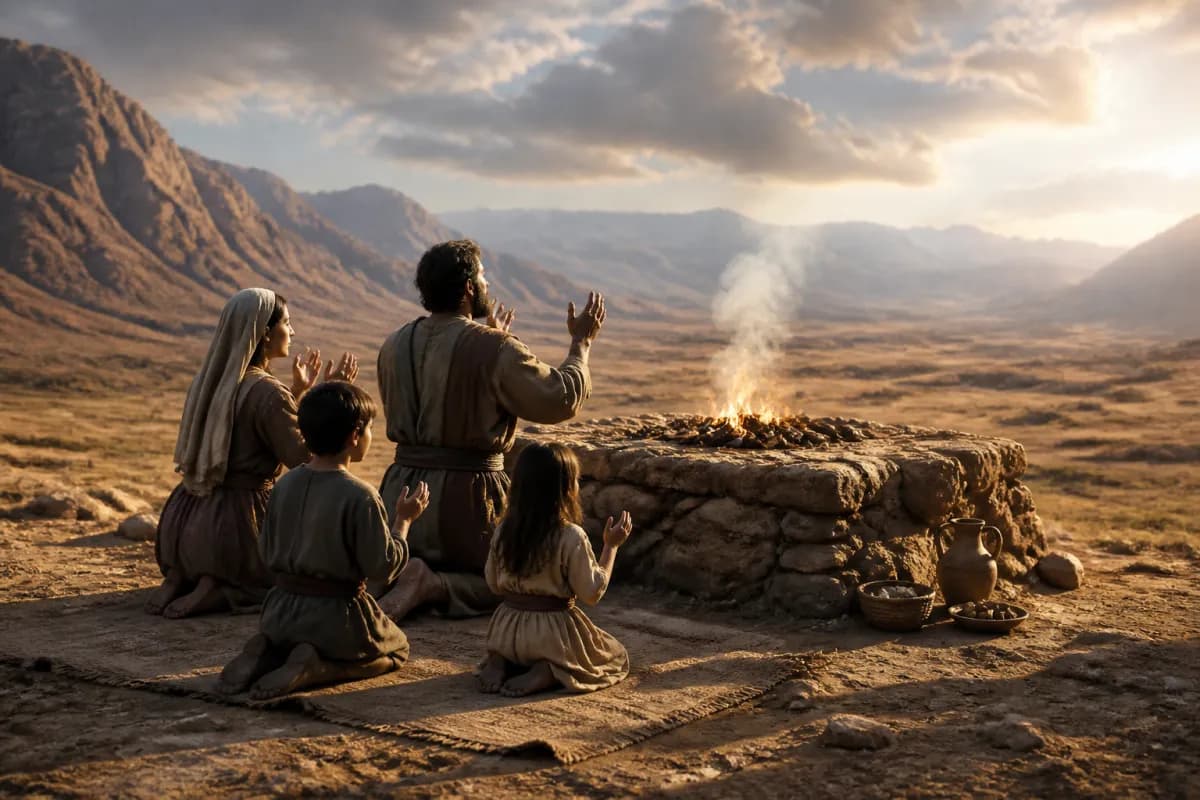
An Altar Without Display: Worship on God’s Terms

Exodus 20:22–26 follows the Ten Commandments with instructions for simple altars of earth or uncut stone. Israel must not use images, manipulate stones with tools, or turn worship into exposed self-display. The Lord promises to meet and bless where He causes His name to be remembered, preparing the way for Jesus, who gives Himself as God’s appointed sacrifice and brings worshipers to the Father.

Study this passage →
Exodus 21:1–21:11

107 of 876 · Passage study

Remembering Slavery: Limits, Release, and Covenant Mercy

Exodus 21:1–11 begins Israel’s case laws with debt-service, release, household protection, and the rights of a woman sold as a servant. These laws regulate an ancient institution rather than celebrating it, placing limits on exploitation within a people who know Egypt’s slavery firsthand. Jesus fulfills God’s liberating purpose by becoming the servant who gives Himself to ransom people from sin and forms a community marked by justice and costly love.

Study this passage →
Exodus 21:12–21:27

108 of 876 · Passage study

Life, Injury, and the Limits of Retaliation

Exodus 21:12–27 applies the holiness of God to murder, assault, kidnapping, cursing parents, and bodily injury. It distinguishes deliberate killing from accidental death, protects the vulnerable from unchecked vengeance, and requires real accountability. Jesus bears judgment for sinners and forms a people whose pursuit of justice is truthful, merciful, and protective of life.

Study this passage →
Keep scrolling for the next passage.