Truth-Scrolling

Exodus 21:28–21:36

109 of 876 · Passage study

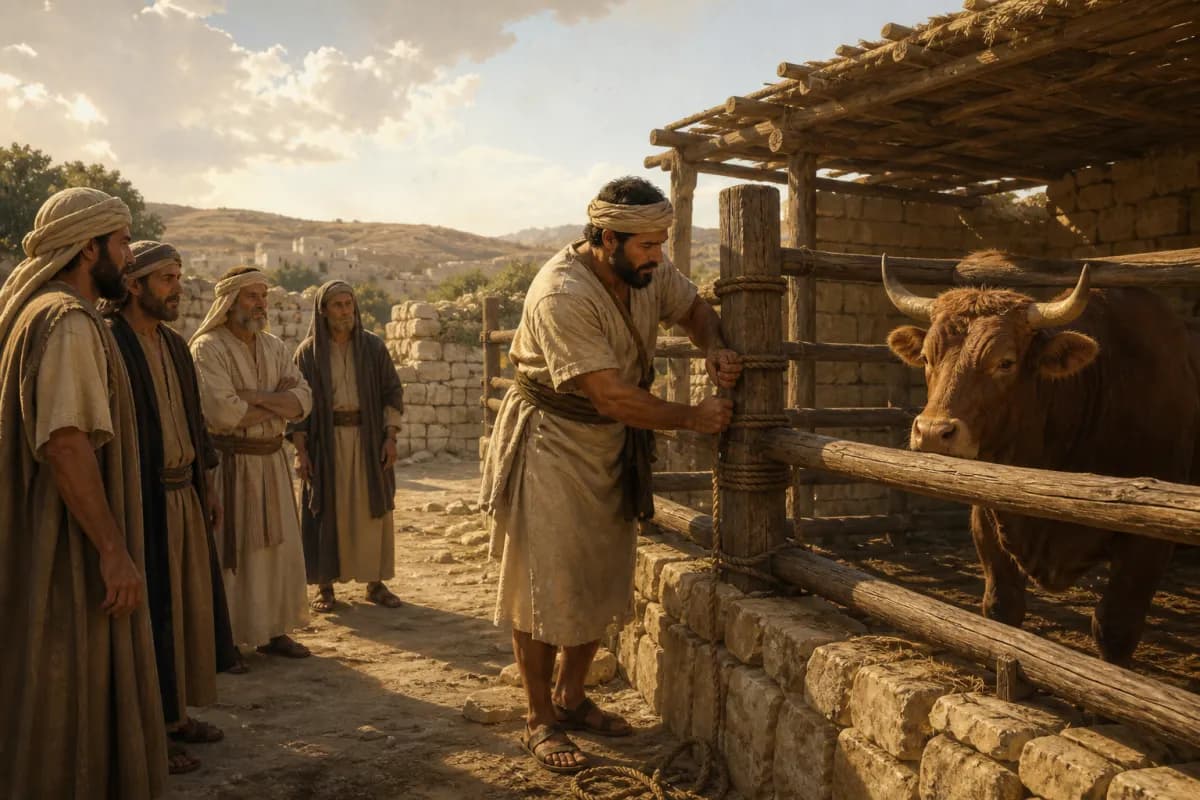
The Goring Ox: Responsibility for Foreseeable Harm

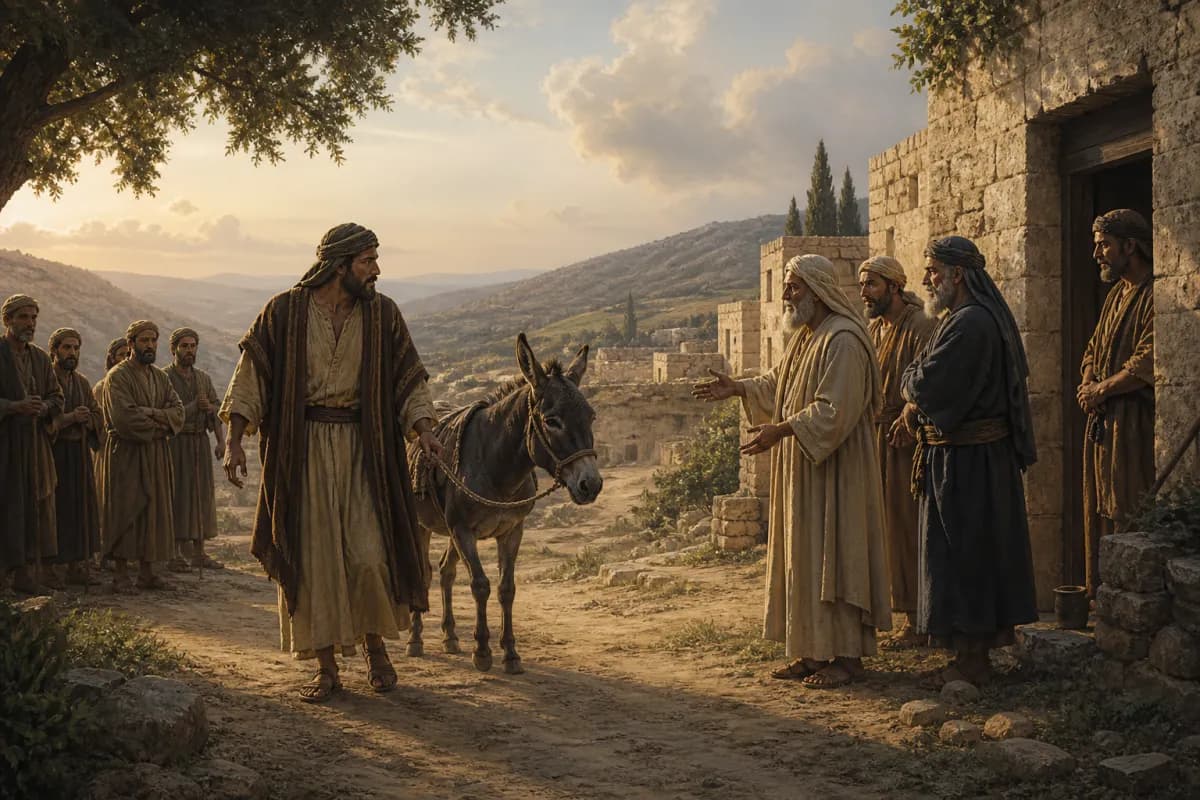
Exodus 21:28–36 addresses an ox that kills or injures, especially when its owner knows the animal is dangerous. The judgments distinguish an unforeseeable tragedy from culpable neglect and require payment when another household bears the loss. Jesus calls His people to love neighbors responsibly, not merely to regret harm after it occurs.
Study this passage →
Exodus 22:1–22:15

110 of 876 · Passage study

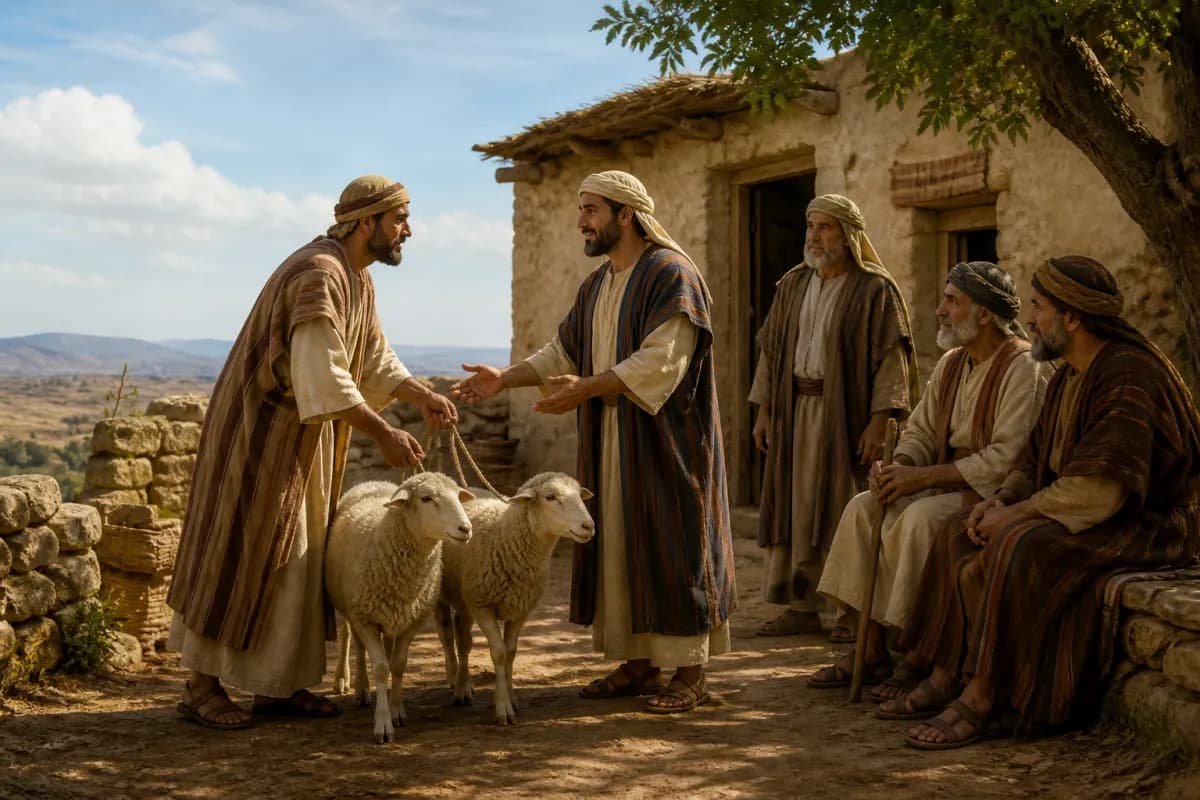
Stolen Oxen and Restored Trust

Exodus 22:1–15 requires thieves, borrowers, guardians, and property owners to make losses right. Restitution is concrete: stolen animals are repaid in multiples, careless borrowing is answered for, and entrusted goods are not treated lightly. Jesus forgives real sinners and creates people who turn repentance into truthful repair.

Study this passage →
Exodus 22:16–22:31

111 of 876 · Passage study

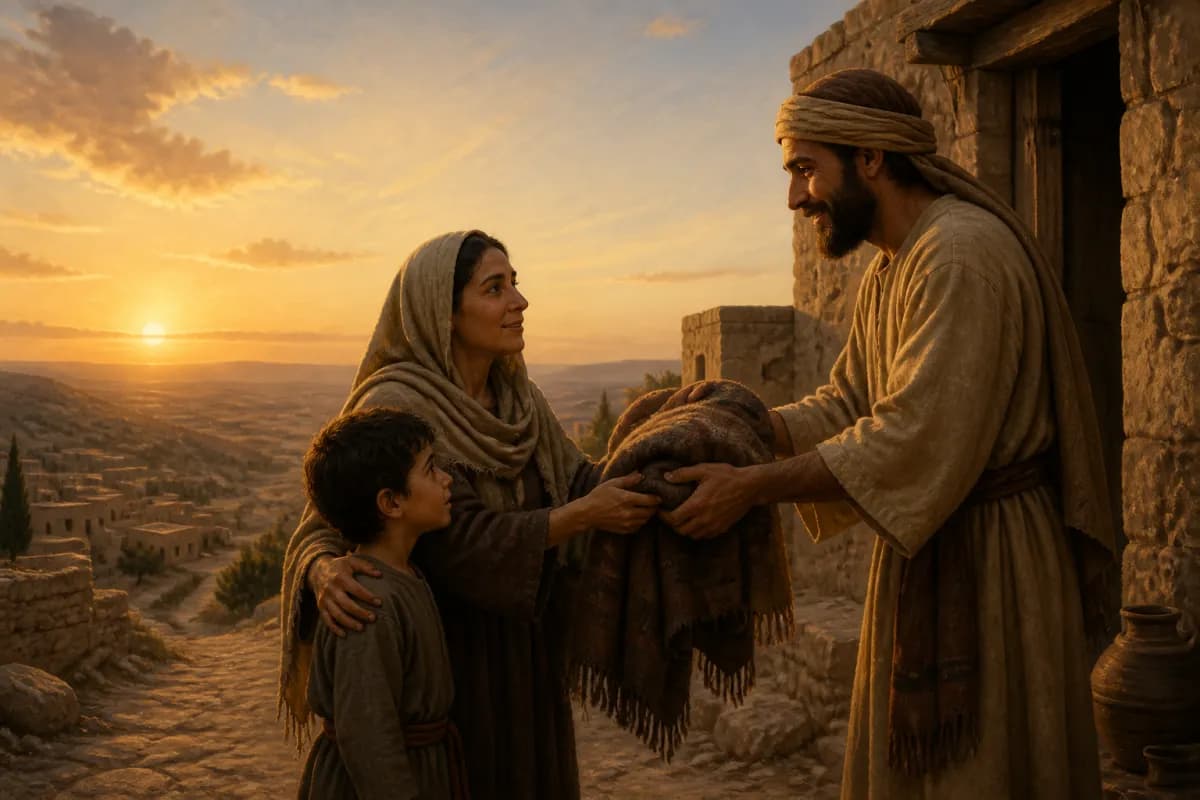
A Holy People in the Ordinary Vulnerabilities of Life

Exodus 22:16–31 gathers laws about seduction, sorcery, bestiality, idolatry, vulnerable foreigners, widows, orphans, lending, pledges, leaders, firstborn offerings, and food. Its variety reveals one covenant truth: Israel’s holiness must be visible wherever power can exploit, worship can be corrupted, or a neighbor can be ignored. Jesus brings outsiders near and forms a people whose holiness is marked by mercy and undivided loyalty to God.

Study this passage →
Exodus 23:1–23:9

112 of 876 · Passage study

Truth in Court, Mercy on the Road

Exodus 23:1–9 commands Israel to reject false reports, mob pressure, partiality, bribery, and the mistreatment of resident aliens. It also requires help for an enemy’s lost animal and restates justice for the poor. Jesus is the truthful Judge who bears false accusation, and He sends His people to practice a justice that refuses both favoritism and hatred.

Study this passage →
Exodus 23:10–23:19

113 of 876 · Passage study

Rest, Harvest, and Remembering the Redeemer

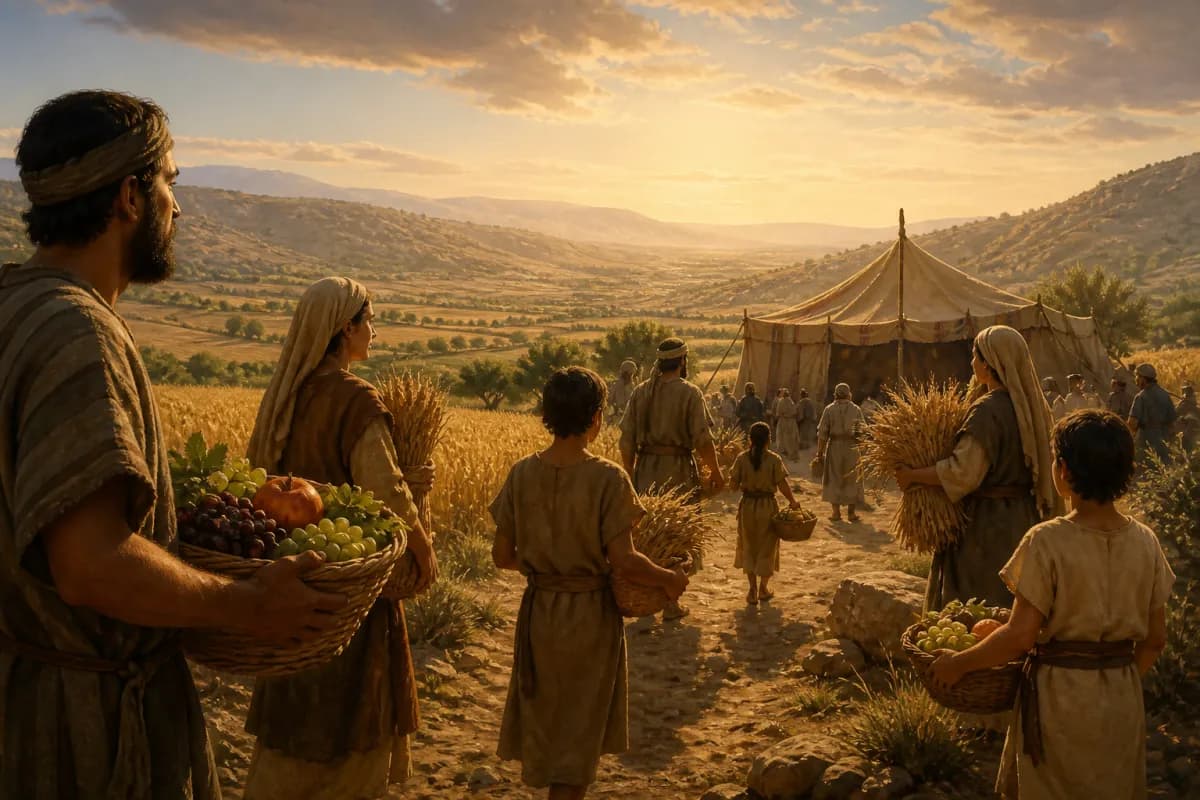
Exodus 23:10–19 orders Israel’s fields, weekly labor, and annual feasts around the Lord who brought them from Egypt. Sabbath gives rest to land, workers, animals, and resident aliens; the three festivals turn harvest and history into worship. Jesus brings the exodus pattern to its goal as the Passover sacrifice, the giver of true rest, and the risen firstfruits of God’s new creation.

Study this passage →
Exodus 23:20–23:33

114 of 876 · Passage study

The Angel Who Goes Before Israel

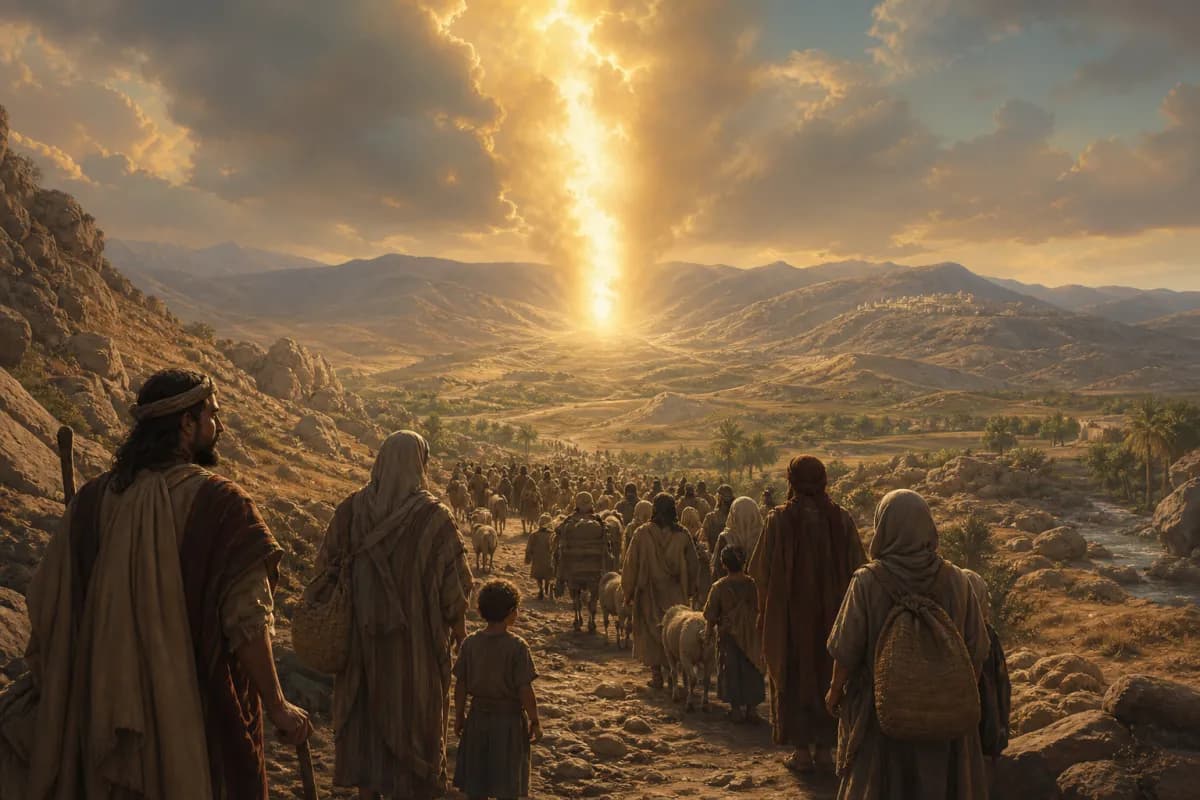
Exodus 23:20–33 promises that God will send an angel before Israel to guard the way and bring them into the land, while warning them to obey God, reject Canaanite gods, and refuse covenant compromise. The passage holds gift and obedience together: the land is God’s provision, but Israel must not receive it by adopting the worship that will destroy it. Jesus is the faithful leader who brings His people into God’s kingdom and sends them to the nations without surrendering to their idols.

Study this passage →
Exodus 24:1–24:11

115 of 876 · Passage study

Blood, Promise, and a Meal Before God

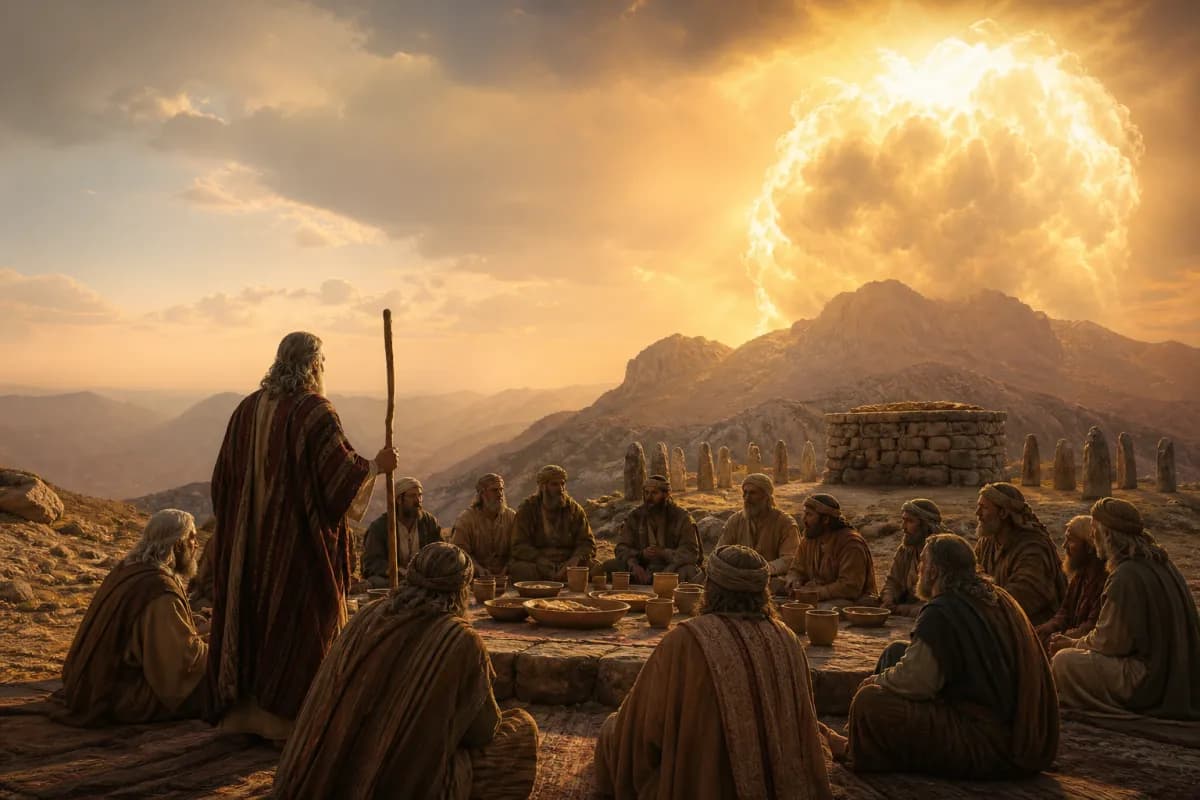
Exodus 24:1–11 confirms Israel’s covenant with the Lord through spoken commitment, the reading of the covenant book, sacrificial blood, and a meal in God’s presence. The scene makes clear that access to the holy God is given through His appointed covenant mercy. Jesus establishes the new covenant in His blood and brings forgiven people near to God.

Study this passage →
Exodus 24:12–24:18

116 of 876 · Passage study

Forty Days Beneath the Glory Cloud

Exodus 24:12–18 sends Moses up Sinai to receive the stone tablets and God’s instruction while the glory cloud covers the mountain for six days and Moses enters it for forty. The scene teaches that Israel’s life must be formed by the word of the holy God, not by its own imagination. Jesus is the definitive revealer of the Father, whose glory and saving word create a people able to live before God.

Study this passage →
Exodus 25:1–25:9

117 of 876 · Passage study

Willing Gifts for the Dwelling of God

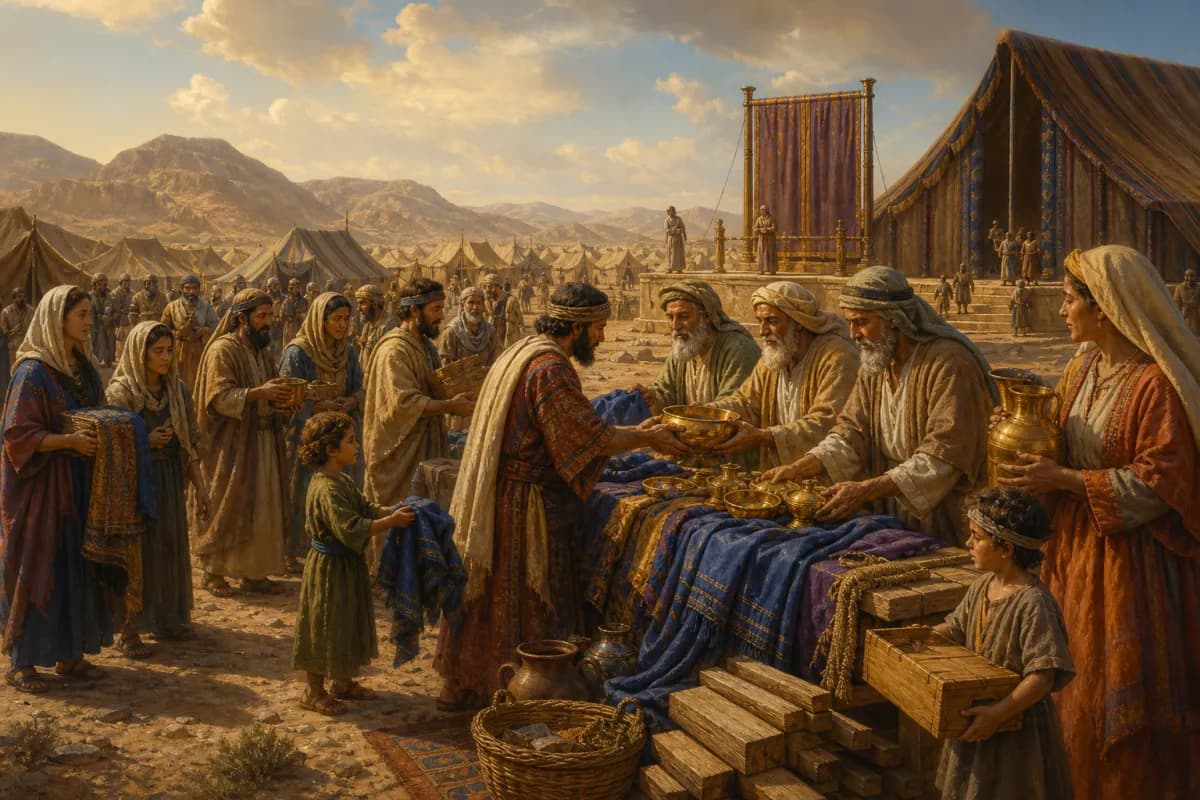
Exodus 25:1–9 opens the tabernacle instructions by calling Israel to bring willing offerings so that the Lord may dwell among them. Gold, fabric, skins, wood, oil, spices, and stones are gathered according to God’s pattern, showing that worship is a grateful response to God’s prior rescue and a holy arrangement for His presence. Jesus is the true dwelling of God with humanity and gathers a people who give themselves freely for His mission.

Study this passage →
Exodus 25:10–25:22

118 of 876 · Passage study

The Ark: God’s Covenant Word at the Center

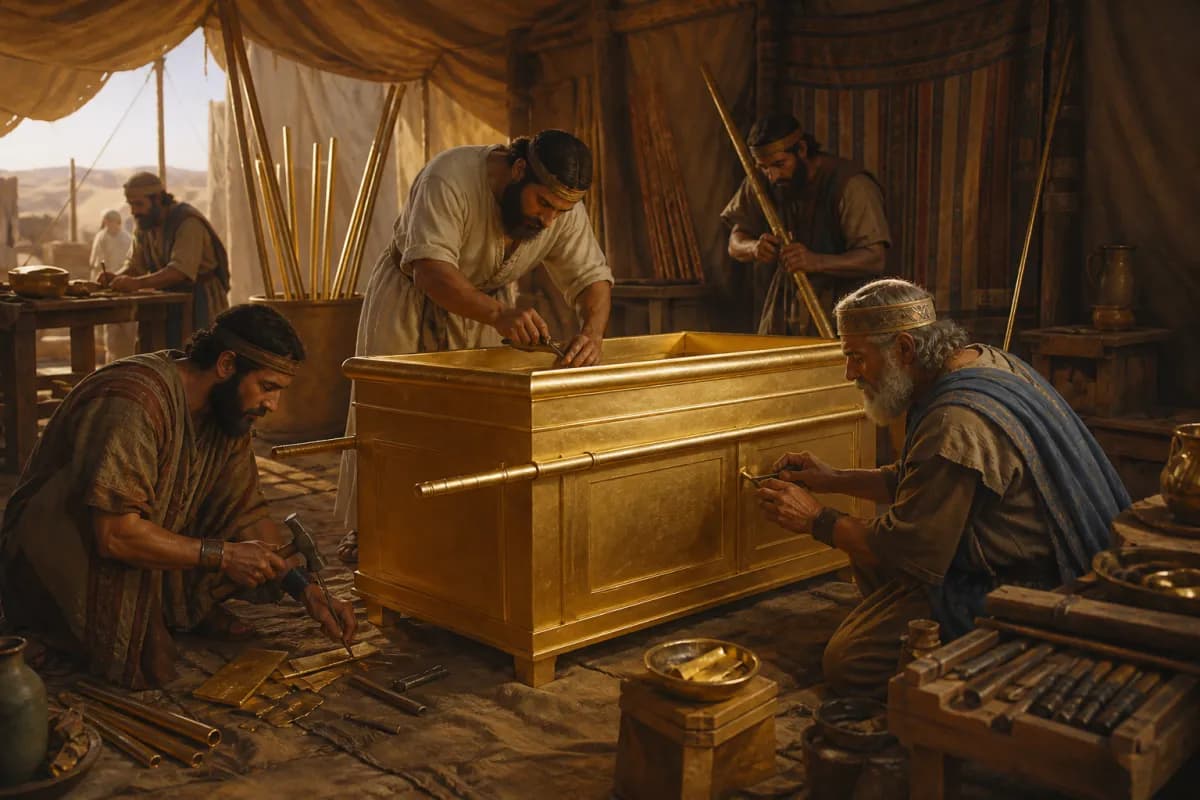
Exodus 25:10–22 gives Israel the ark, the mercy seat, and the cherubim as the innermost furniture of the sanctuary. The ark holds the testimony; above it God promises to meet and speak. Holy fellowship therefore begins with God’s covenant word and His provided mercy. Jesus fulfills this pattern by bringing God’s word and reconciliation to sinners, opening access to the Father through His saving sacrifice.

Study this passage →
Exodus 25:23–25:30

119 of 876 · Passage study

Bread Before the Presence of God

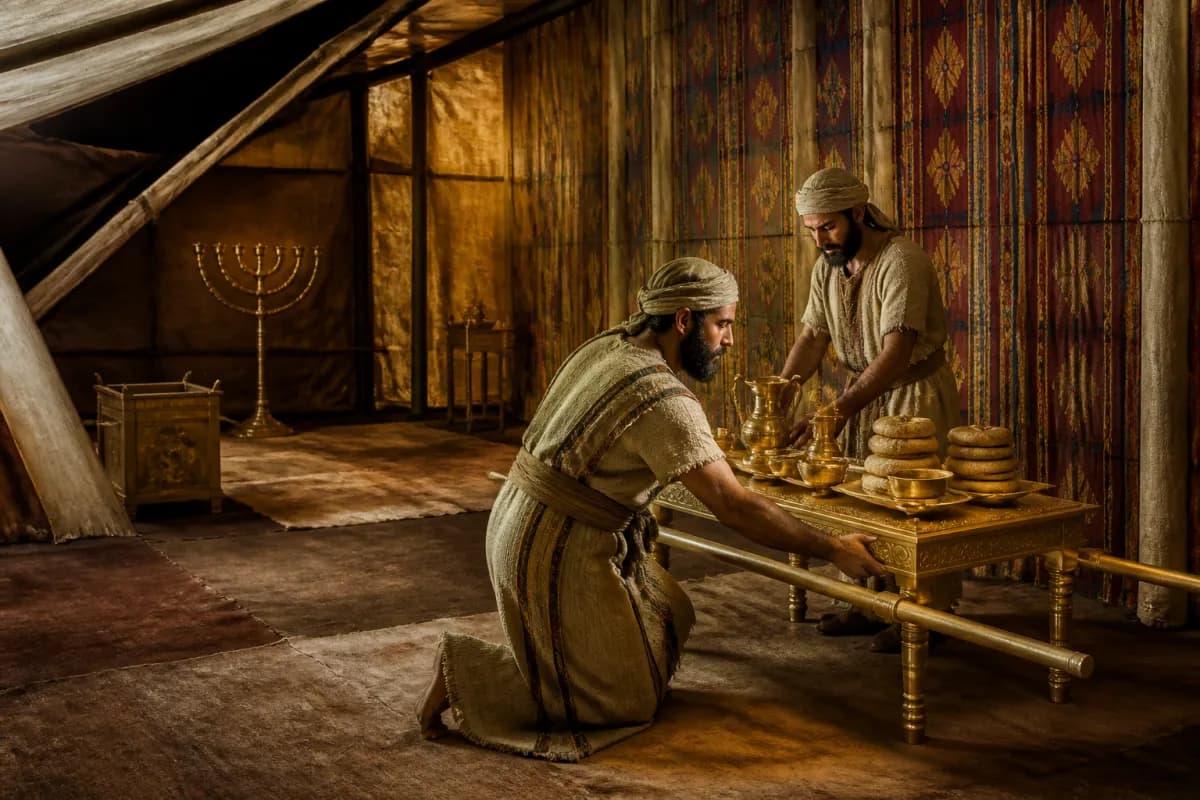
Exodus 25:23–30 directs Israel to make a table for the bread of the Presence, set continually before the Lord. The table declares that the tribes live by God’s provision and before His face. Jesus is the bread of life who gives Himself for the world, gathering His people into grateful dependence and shared fellowship for His saving mission.

Study this passage →
Exodus 25:31–25:40

120 of 876 · Passage study

The Lampstand: Light in God’s Dwelling

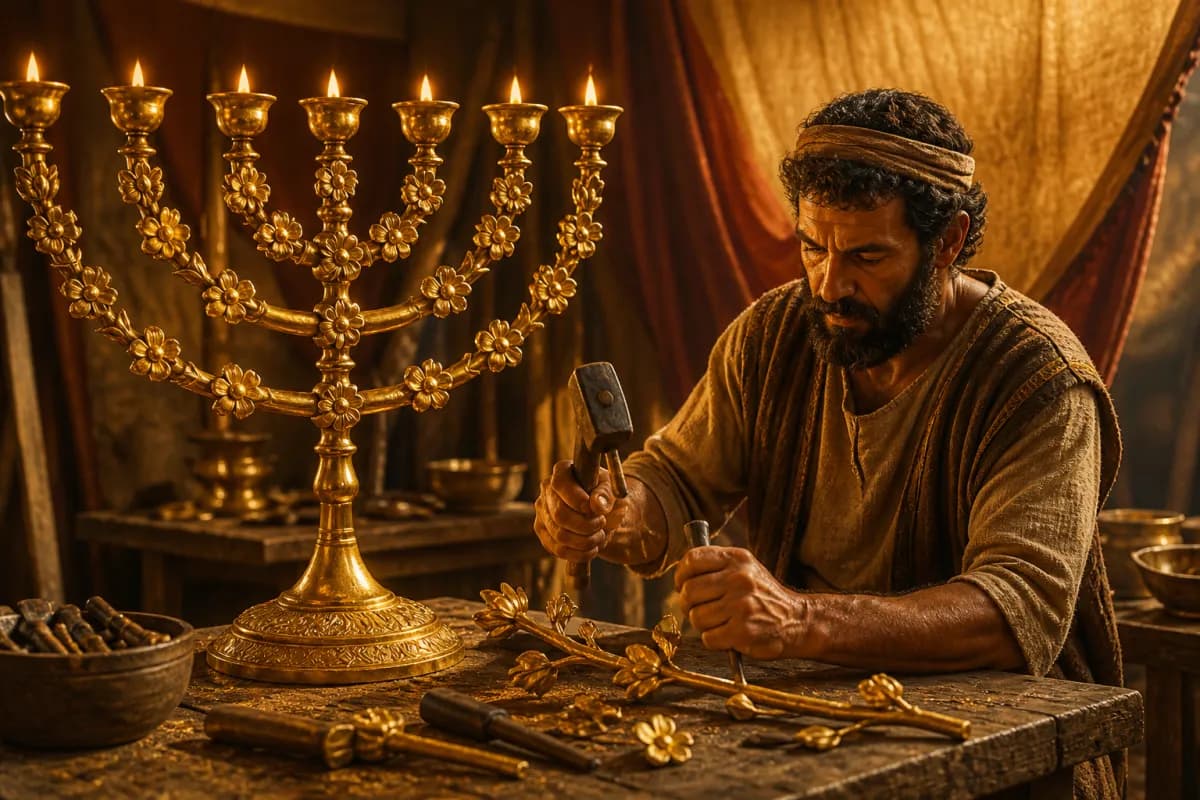
Exodus 25:31–40 describes a single gold lampstand with a central shaft, six branches, almond-blossom cups, and seven lamps. Its crafted light serves the sanctuary where God dwells with His people. Jesus is the light of the world who brings people from darkness into God’s life and sends His church to bear faithful witness by His Spirit.

Study this passage →
Keep scrolling for the next passage.