Truth-Scrolling

Exodus 30:1–30:10

133 of 876 · Passage study

Incense Before the Veil: Prayer and Holy Access

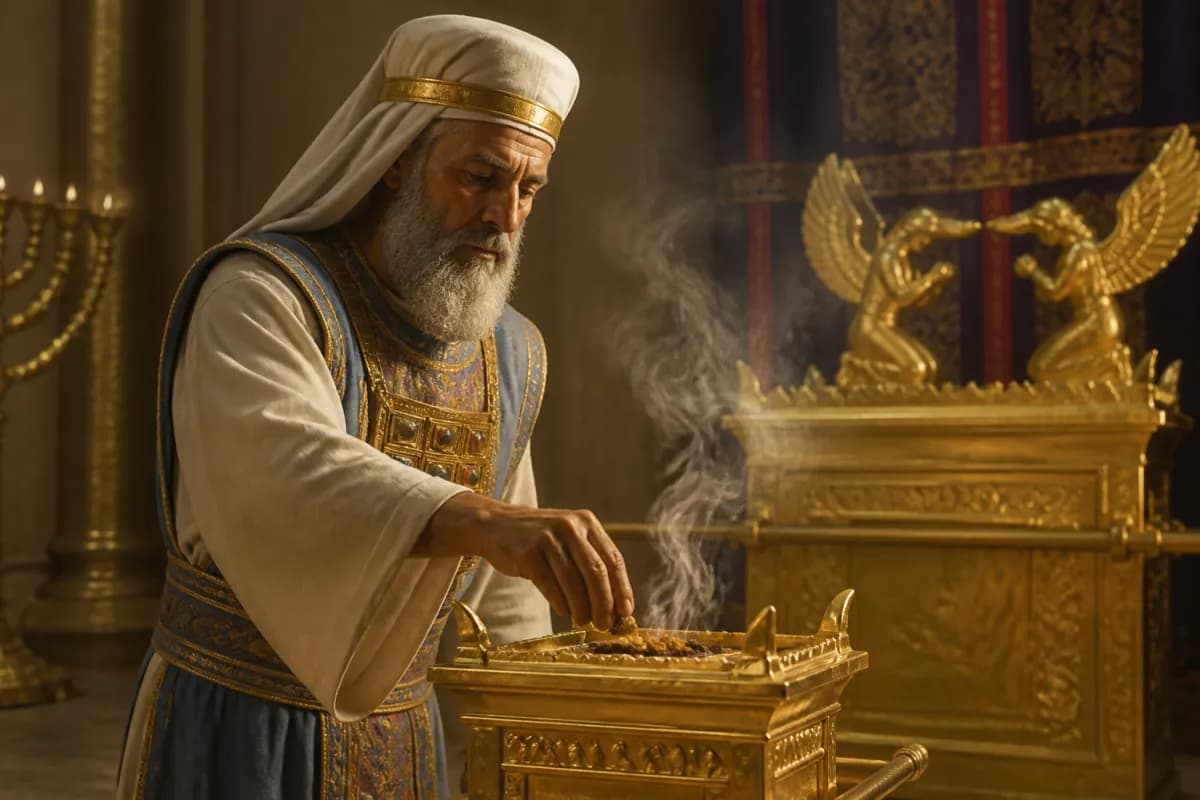
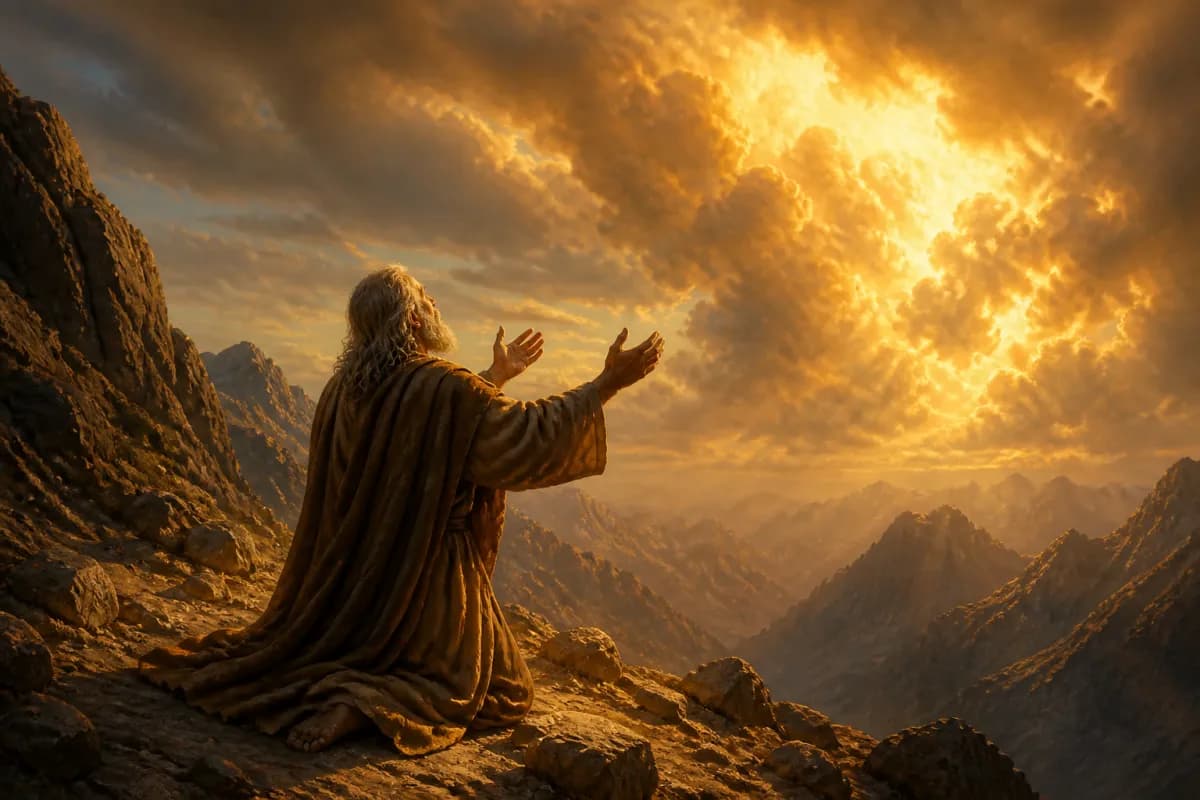
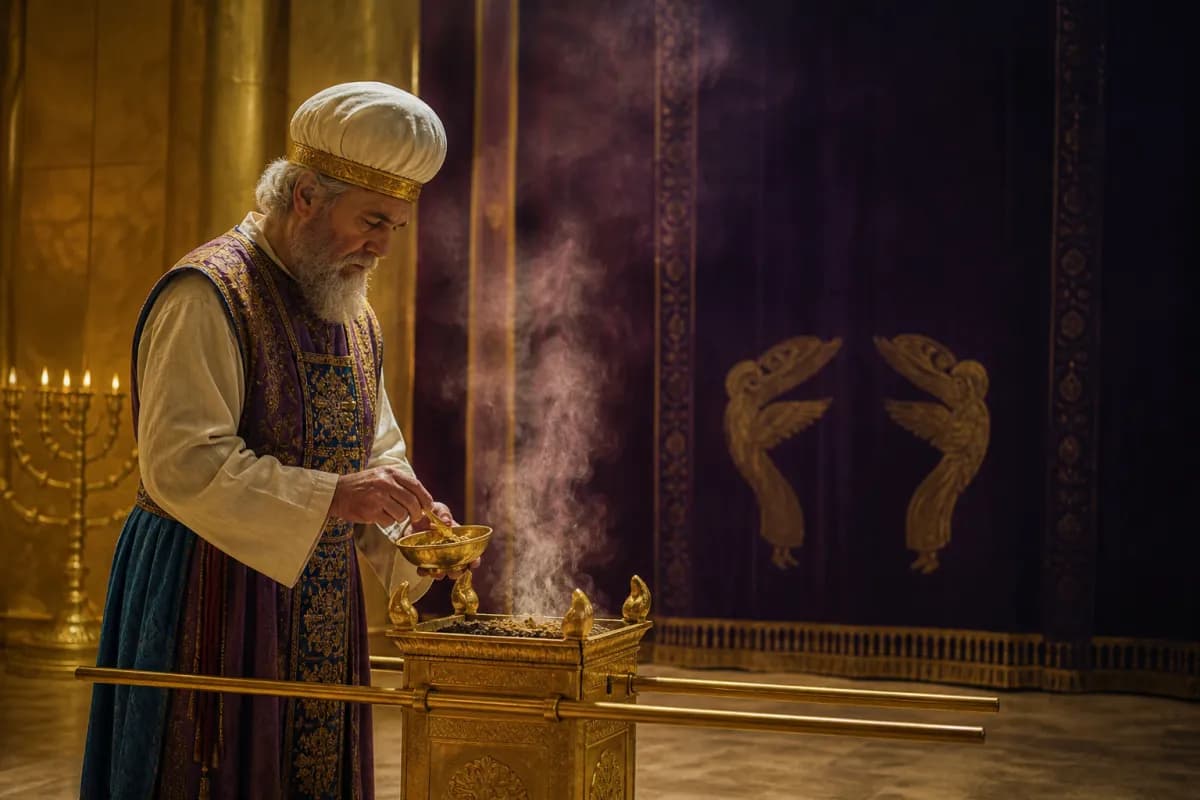
Exodus 30:1–10 commands a small gold altar for fragrant incense before the veil, where Aaron burns incense morning and evening and makes annual atonement on its horns. The altar joins continual worship to the need for atonement at the threshold of God’s presence. Jesus, through His saving death and living intercession, brings His people near to the Father and teaches them to pray in His name.
Study this passage →
Exodus 30:11–30:16

134 of 876 · Passage study

The Census Offering: Every Life Ransomed Before the Lord

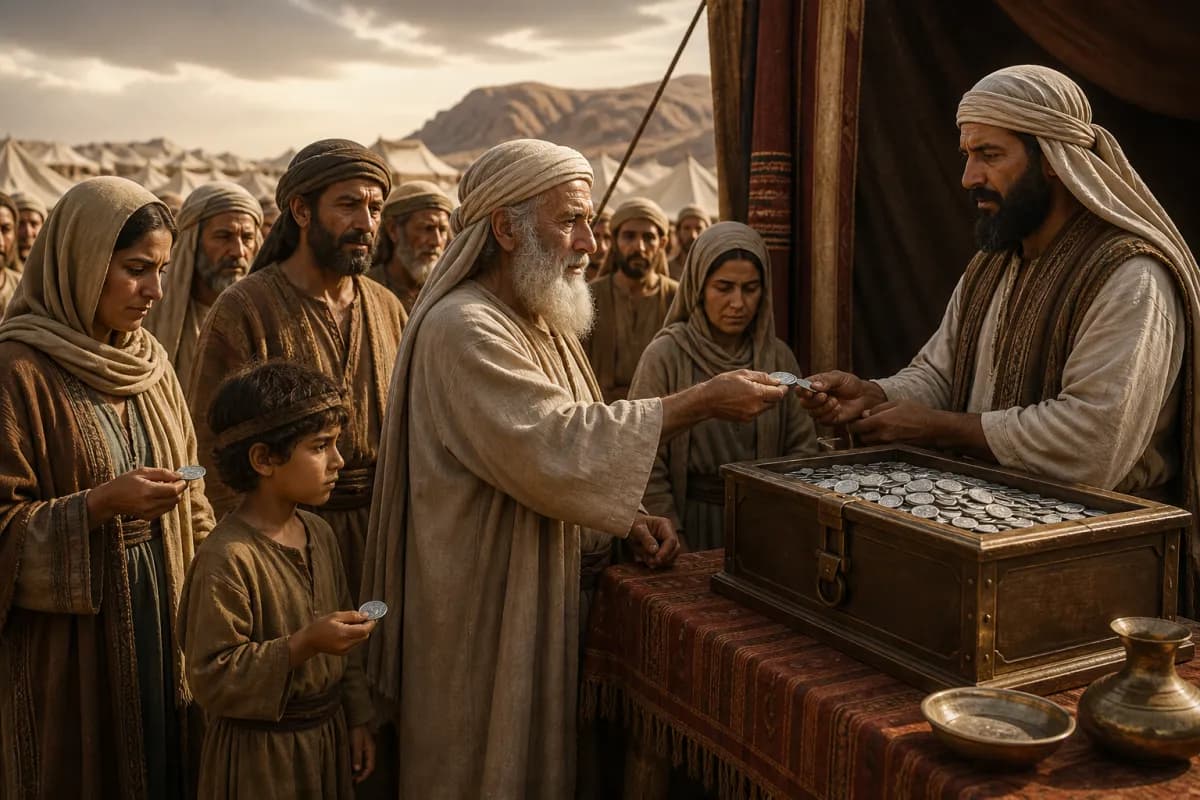
Exodus 30:11–16 requires every Israelite counted in a census to give the same half-shekel ransom for the service of the tent of meeting. Rich and poor give alike because no one approaches the holy God by superior worth. The offering teaches Israel that each life needs God’s merciful provision, a truth fulfilled in Jesus, who gives Himself as the ransom that brings sinners to God.

Study this passage →
Exodus 30:17–30:21

135 of 876 · Passage study

The Bronze Basin: Cleansing for Those Who Serve Near God

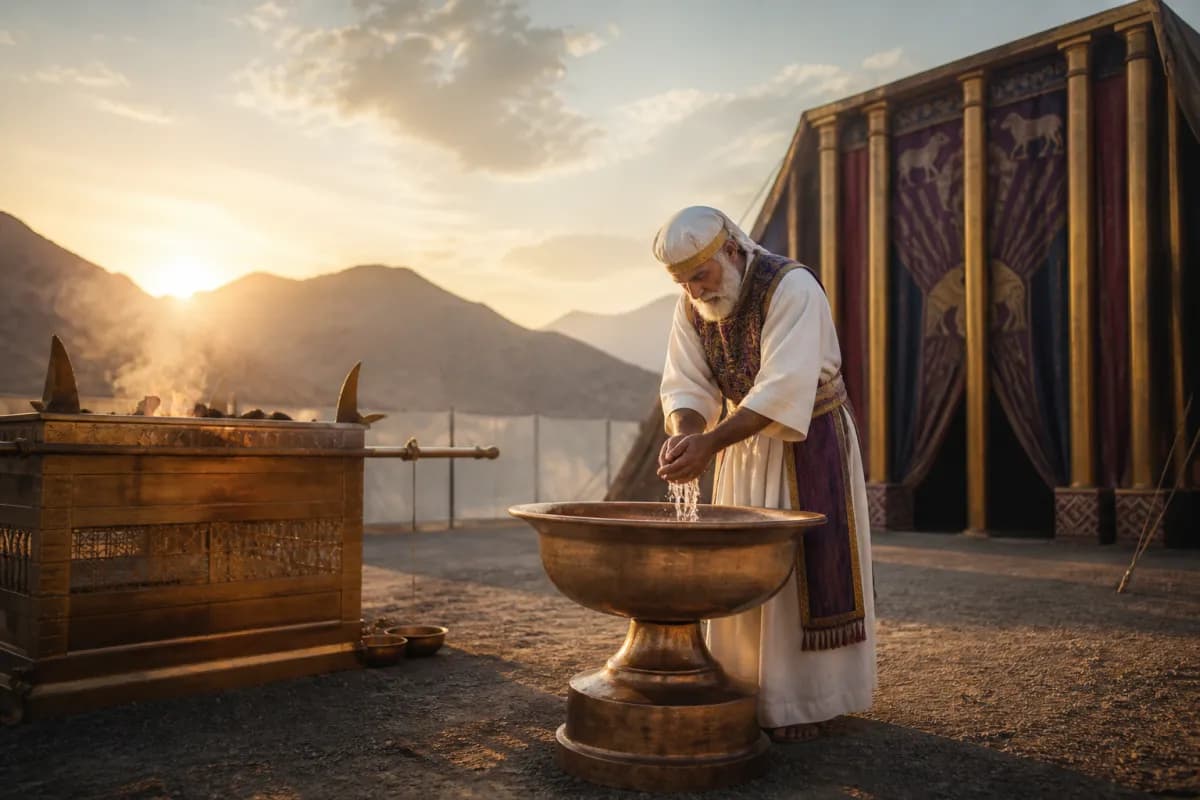
Exodus 30:17–21 places a bronze basin between the tent of meeting and the altar so Aaron and his sons wash their hands and feet before entering or offering sacrifice. The repeated washing teaches that holy service cannot be casual. Jesus provides the decisive cleansing from sin and continues to form a people who draw near to God with humble, obedient lives.

Study this passage →
Exodus 30:22–30:33

136 of 876 · Passage study

Holy Anointing Oil: What Belongs to God Cannot Be Made Common

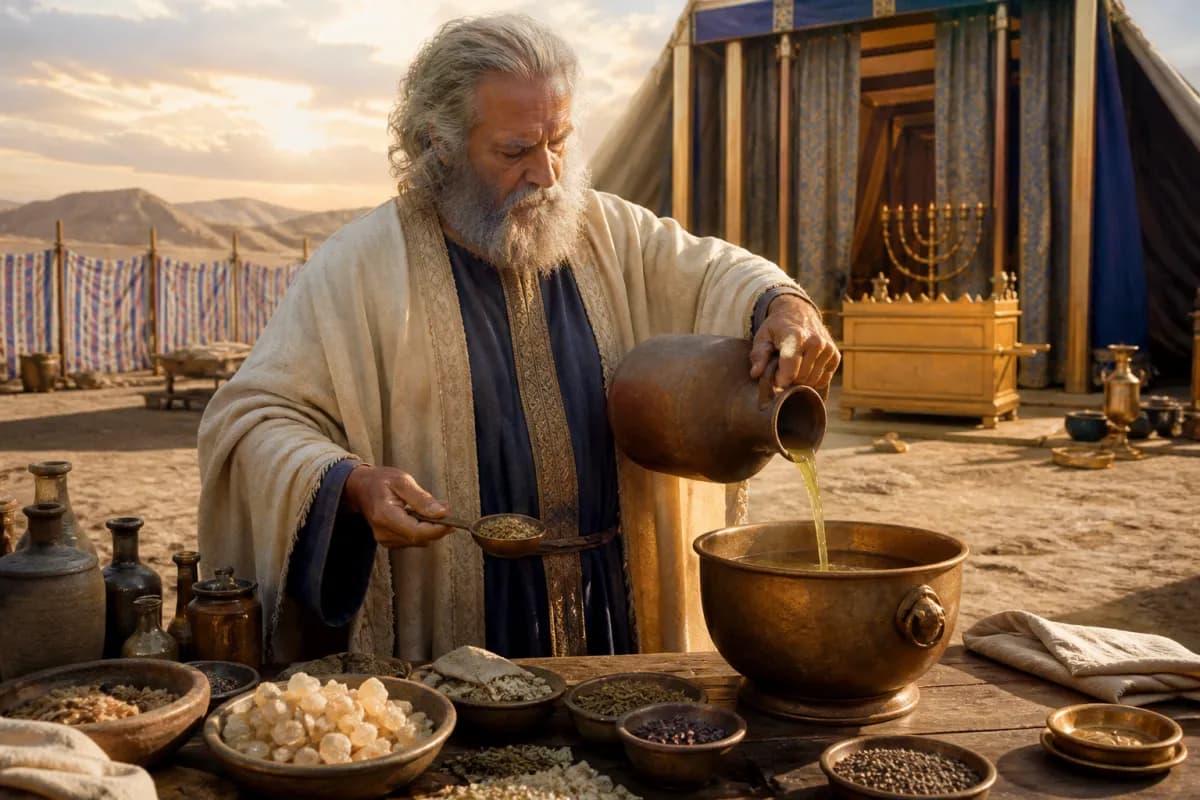
Exodus 30:22–33 gives Moses a fragrant oil made from measured spices and olive oil to anoint the tabernacle, its furnishings, and Aaron’s priestly family. The oil marks persons and objects as holy to the Lord and forbids private imitation. It prepares the biblical theme of God’s anointed King and Priest, fulfilled in Jesus Christ, whose Spirit-set-apart people belong to God for His saving mission.

Study this passage →
Exodus 30:34–30:38

137 of 876 · Passage study

Holy Incense: Worship Offered on God’s Terms

Exodus 30:34–38 gives the precise spices and preparation for incense placed before the testimony, then forbids Israel to make the blend for personal use. The fragrant mixture belongs to the Lord’s holy presence and cannot become private possession. Jesus brings His people to the Father through His sacrifice and teaches them to offer prayer and worship as people received by grace, not as people manipulating God.

Study this passage →
Exodus 31:1–31:11

138 of 876 · Passage study

Bezalel and Oholiab: Spirit-Given Skill for God’s Dwelling

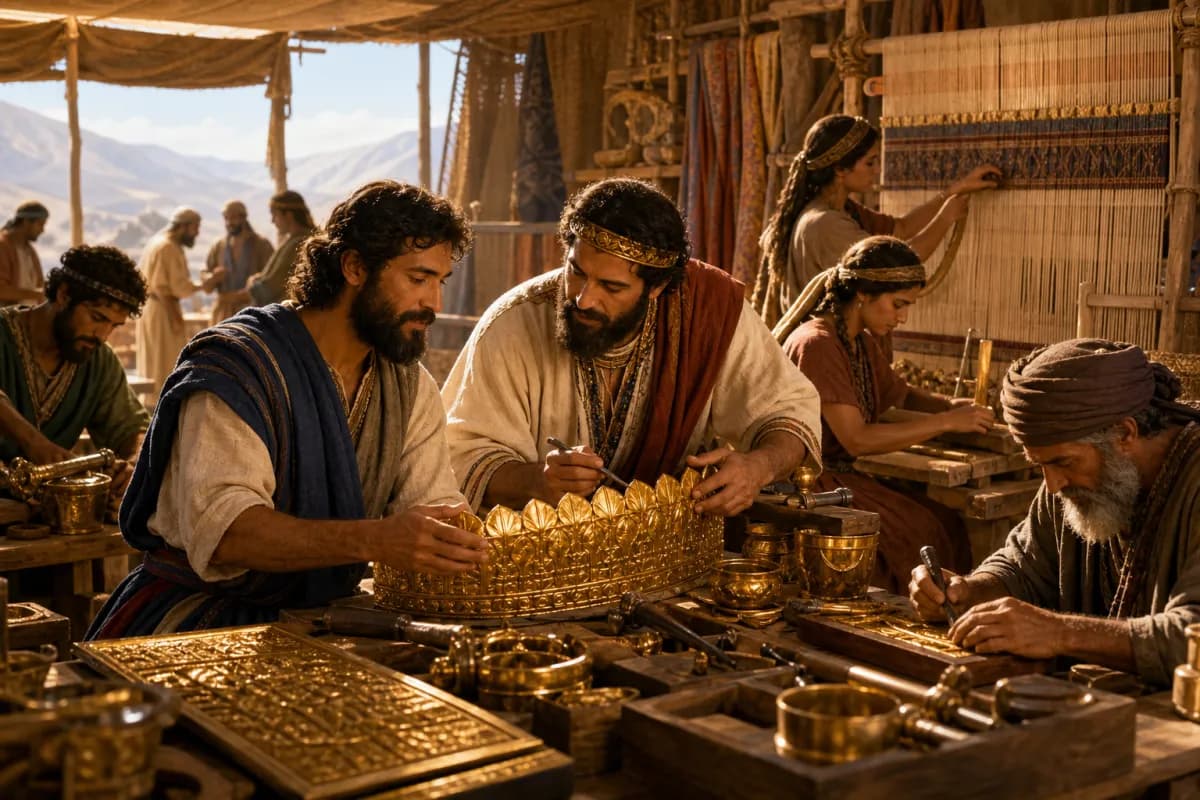
Exodus 31:1–11 names Bezalel and Oholiab, fills Bezalel with God’s Spirit for wisdom and craftsmanship, and assigns them the work of making the tabernacle and its holy furnishings. The passage honors trained, material skill as a gift for God’s dwelling. Jesus builds His church through the Spirit and sends believers to use their varied gifts in service of His reconciling mission.

Study this passage →
Exodus 31:12–31:17

139 of 876 · Passage study

The Sabbath Sign: Belonging to the God Who Sanctifies

Exodus 31:12–17 calls Sabbath a covenant sign between the Lord and Israel. In the middle of tabernacle instructions, even sacred construction must stop, because Israel is defined by the God who made heaven and earth and sets His people apart. Jesus gives the rest that rescues His people from self-justifying labor and sends them to live as a holy witness to God’s grace.

Study this passage →
Exodus 31:18–31:18

140 of 876 · Passage study

The Stone Tablets: God’s Covenant Word Given to Moses

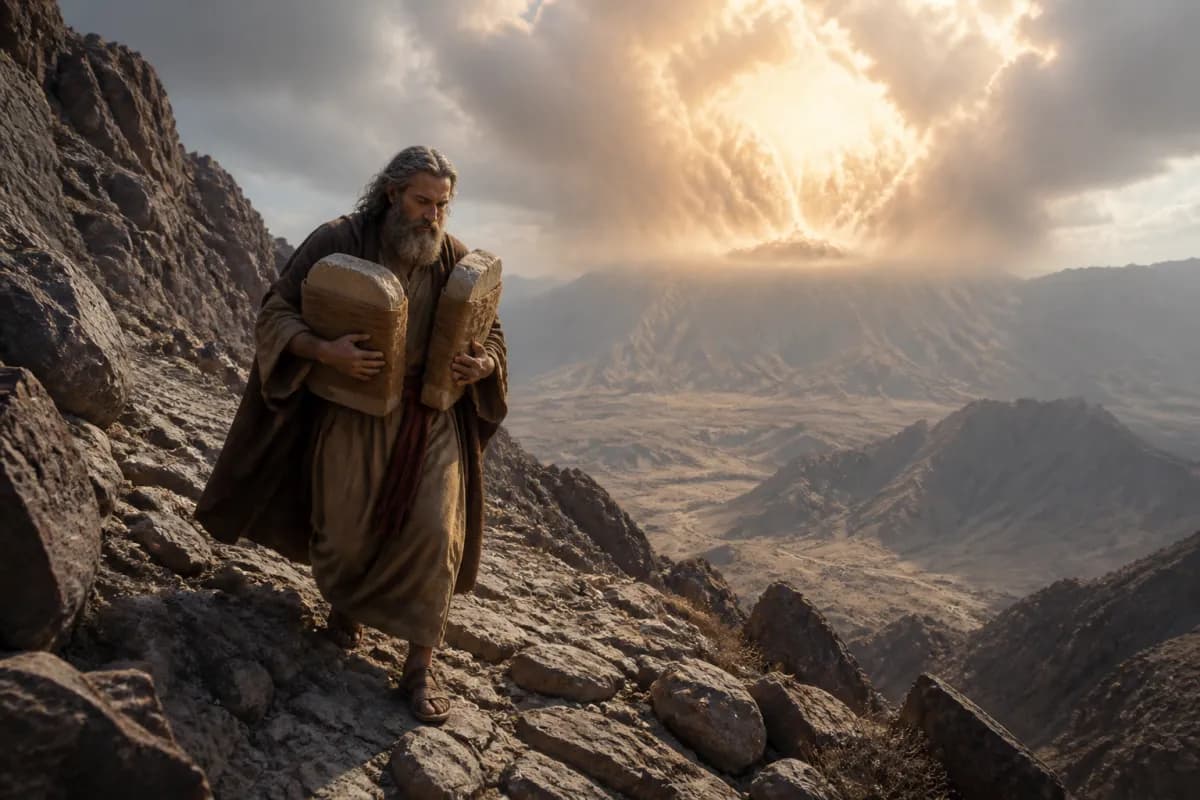
Exodus 31:18 closes the Sinai instructions by placing in Moses’ hands two stone tablets, the testimony written by the finger of God. The brief verse gives Israel’s covenant words their weight: they are not Moses’ private ideas but God’s authoritative gift. Jesus fulfills the covenant hope by obeying the Father perfectly and writing God’s law on the hearts of His people through the new covenant.

Study this passage →
Exodus 32:1–32:6

141 of 876 · Passage study

The Golden Calf: Worship That Refuses to Wait for God

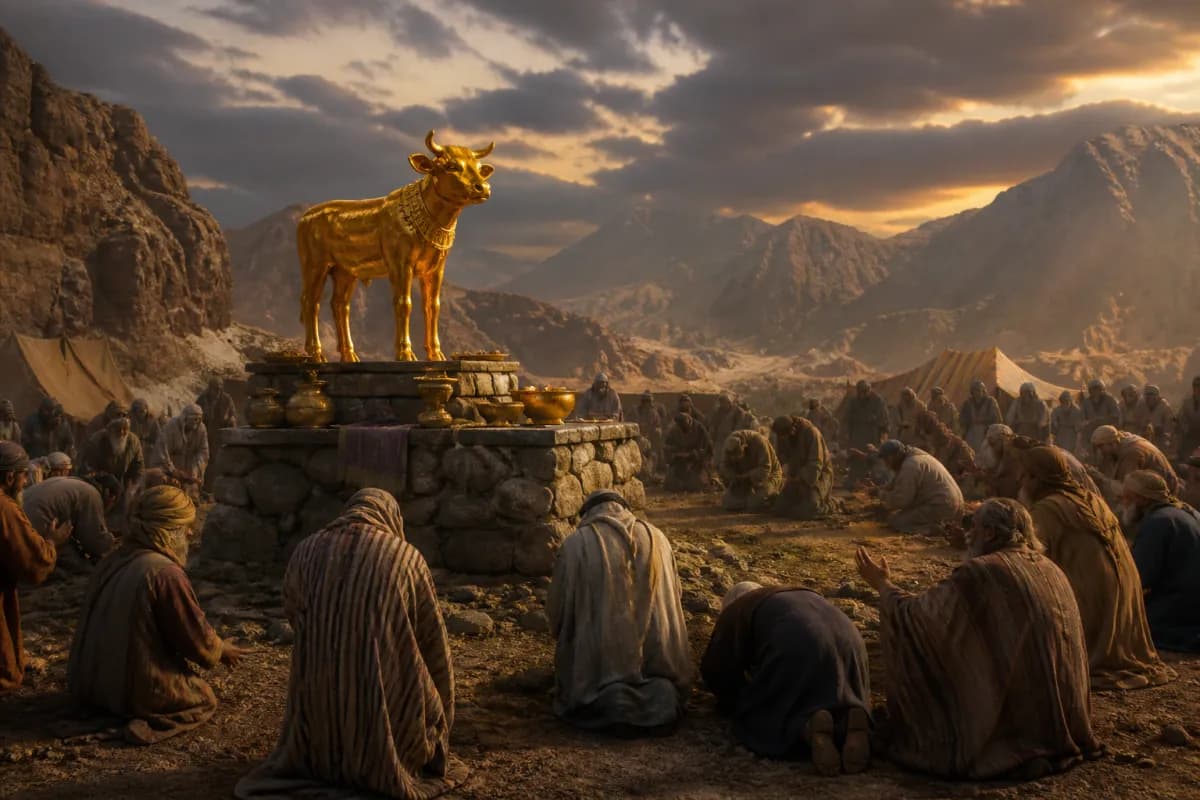
Exodus 32:1–6 shows Israel making and celebrating a golden calf while Moses remains on the mountain. The people attribute their exodus to an image made from their own gifts, turning fear and impatience into idolatry. The passage exposes the human desire for a controllable god and prepares readers for Jesus, who reveals the true God and rescues idolaters through His reconciling death.

Study this passage →
Exodus 32:7–32:14

142 of 876 · Passage study

Moses Intercedes: Mercy Appealed to in the Face of Idolatry

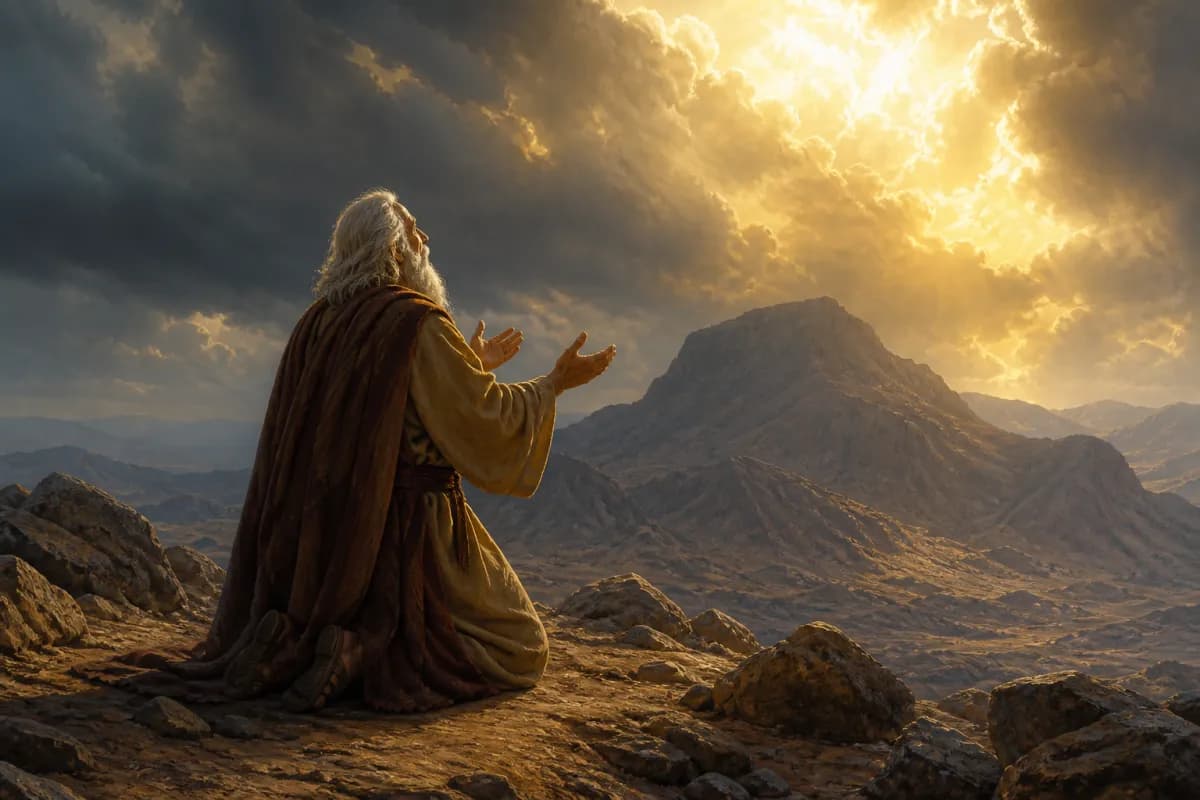
Exodus 32:7–14 records the Lord exposing Israel’s calf worship and Moses pleading for mercy on the basis of God’s name, His exodus, and His promises to Abraham, Isaac, and Israel. Moses does not excuse the sin; he stands in the breach for a guilty people. His intercession points beyond itself to Jesus, the greater mediator whose sacrifice and living advocacy secure mercy for sinners.

Study this passage →
Exodus 32:15–32:29

143 of 876 · Passage study

Moses Confronts Israel: Idolatry Exposed and Judgment Begun

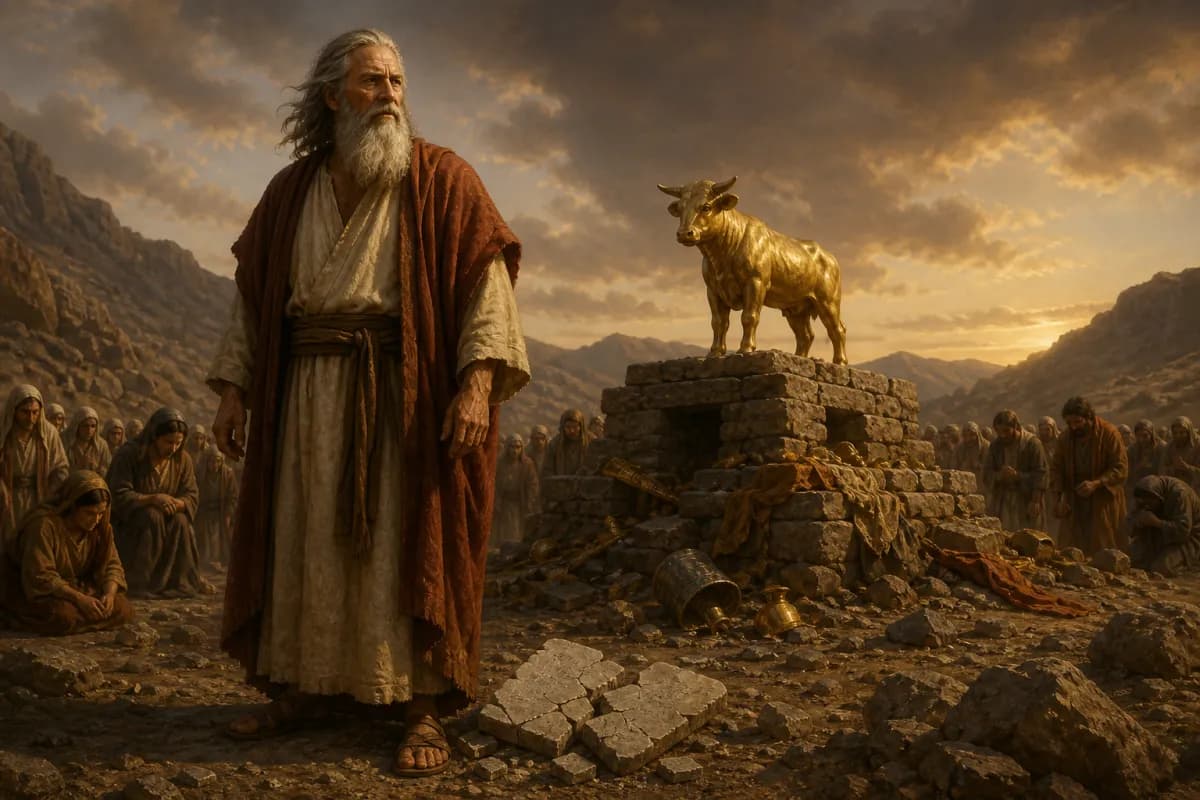
Exodus 32:15–29 brings Moses down from Sinai with the tablets, exposes the calf worship, breaks the tablets, destroys the image, confronts Aaron, calls for decisive loyalty to the Lord, and begins judgment in the camp. The passage refuses cheap forgiveness: idolatry ruptures covenant life and requires truth, repentance, and God’s mercy. Jesus bears judgment for sinners and forms a people whose allegiance to Him produces holy, costly love.

Study this passage →
Exodus 32:30–32:35

144 of 876 · Passage study

Moses Intercedes Again: The Cost of Israel’s Sin

Exodus 32:30–35 finds Moses returning to the Lord after the golden calf to plead for a people guilty of a great sin. He even offers himself for their sake, but he cannot bear their guilt or control God’s judgment. The passage makes the need for a greater mediator plain: Jesus alone bears sin fully, secures forgiveness, and forms a people for His mission.

Study this passage →
Keep scrolling for the next passage.