Truth-Scrolling

Exodus 40:1–40:16

169 of 876 · Passage study

Set Up the Tabernacle: God Makes a Dwelling Holy

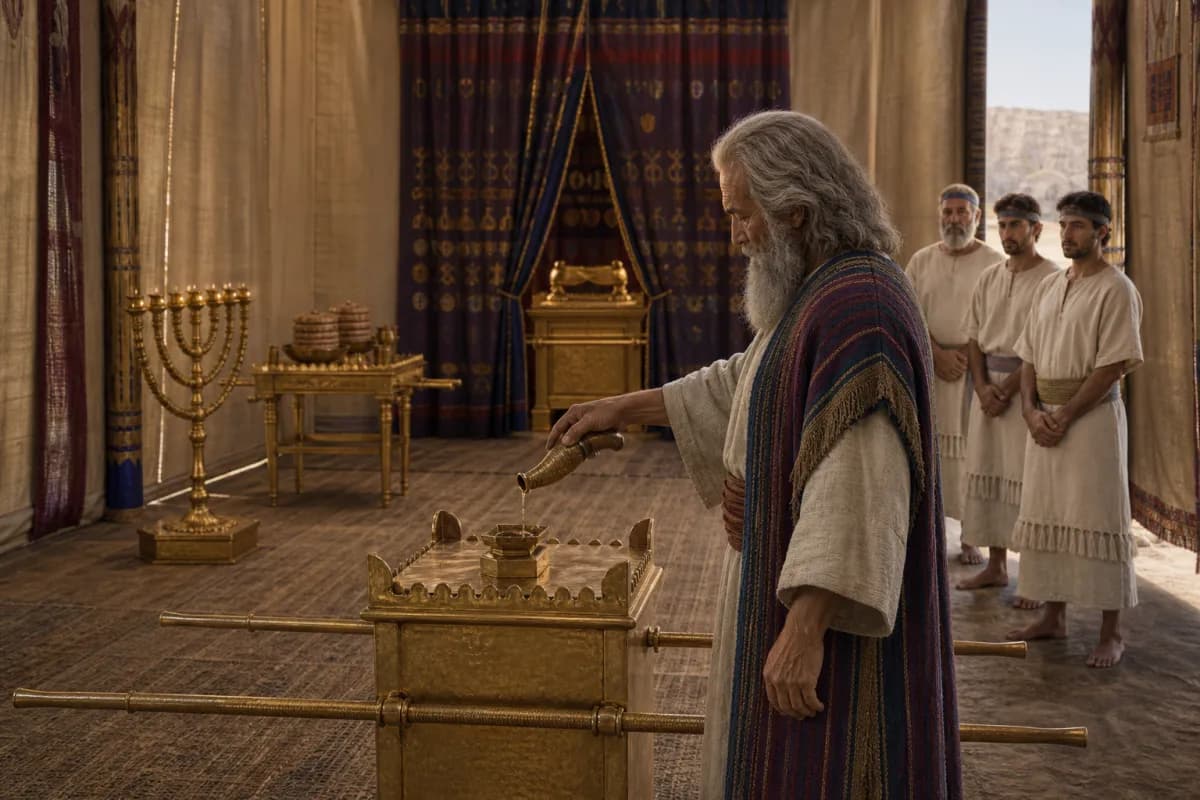
Exodus 40:1–16 gives Moses the ordered instructions for erecting the tabernacle, placing its furnishings, anointing them, and consecrating Aaron and his sons. Construction is complete, but the dwelling becomes ready for service only as God commands and sets it apart. Jesus is God’s true dwelling among humanity, whose saving work makes a holy people able to serve and witness in His name.

Study this passage →
Exodus 40:17–40:33

170 of 876 · Passage study

The Tabernacle Is Set Up: God Dwells Among a Redeemed People

Exodus 40:17–33 records Moses raising the tabernacle on the first day of the first month, placing its furnishings in the commanded order, consecrating the court, and washing Aaron and his sons for service. The long instructions become a real dwelling in Israel’s camp. Jesus fulfills the sanctuary’s saving purpose by bringing people to God and making them a holy people for His mission.

Study this passage →
Exodus 40:34–40:38

171 of 876 · Passage study

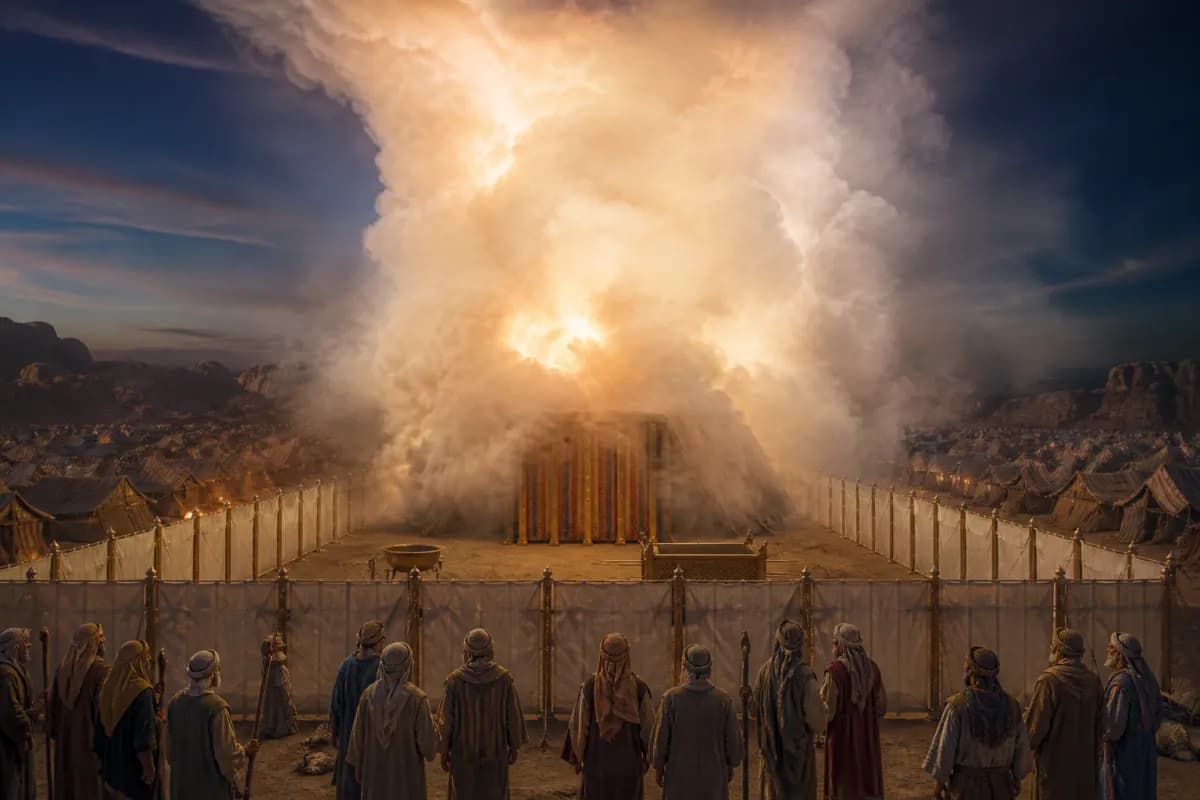
The Glory Fills the Tabernacle: God Goes with His People

Exodus 40:34–38 brings the book’s sanctuary story to its climax: the cloud covers the tent of meeting and the glory of the LORD fills the tabernacle so completely that even Moses cannot enter. The cloud then directs every stage of Israel’s wilderness journey. God’s goal is not merely to rescue people from slavery but to dwell among and lead them. Jesus brings that purpose to its fulfillment by reconciling sinners to the Father and leading His people in the light of His saving presence.

Study this passage →
Leviticus 1:1–1:17

172 of 876 · Passage study

The Burnt Offering: Drawing Near Through God’s Provision

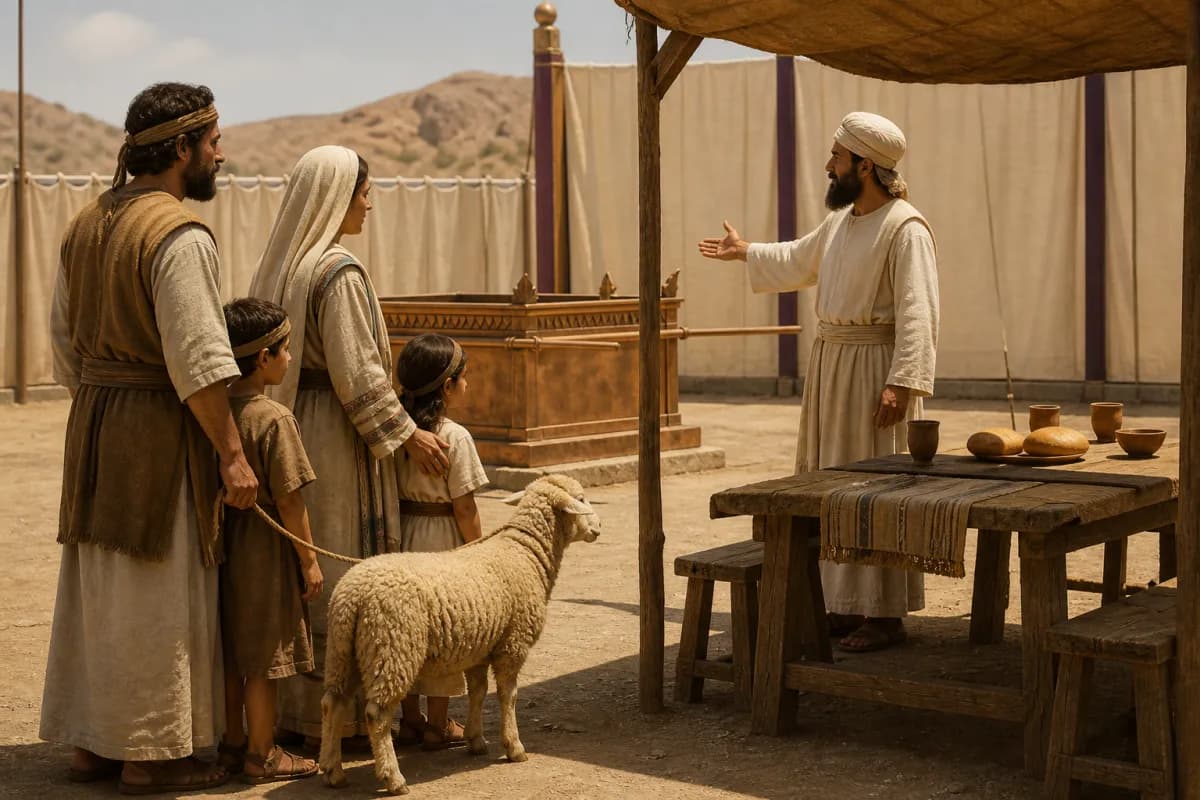
Leviticus 1:1–17 opens Israel’s sacrificial worship with an offering wholly consumed on the altar. The worshiper brings an unblemished animal, lays a hand on it, and sees its life given before the Lord. The rite teaches that approach to the holy God is received through the sacrifice He appoints, preparing the way for Jesus, who gives Himself once for sinners and brings them near to God.

Study this passage →
Leviticus 2:1–2:16

173 of 876 · Passage study

The Grain Offering: Ordinary Labor Given to God

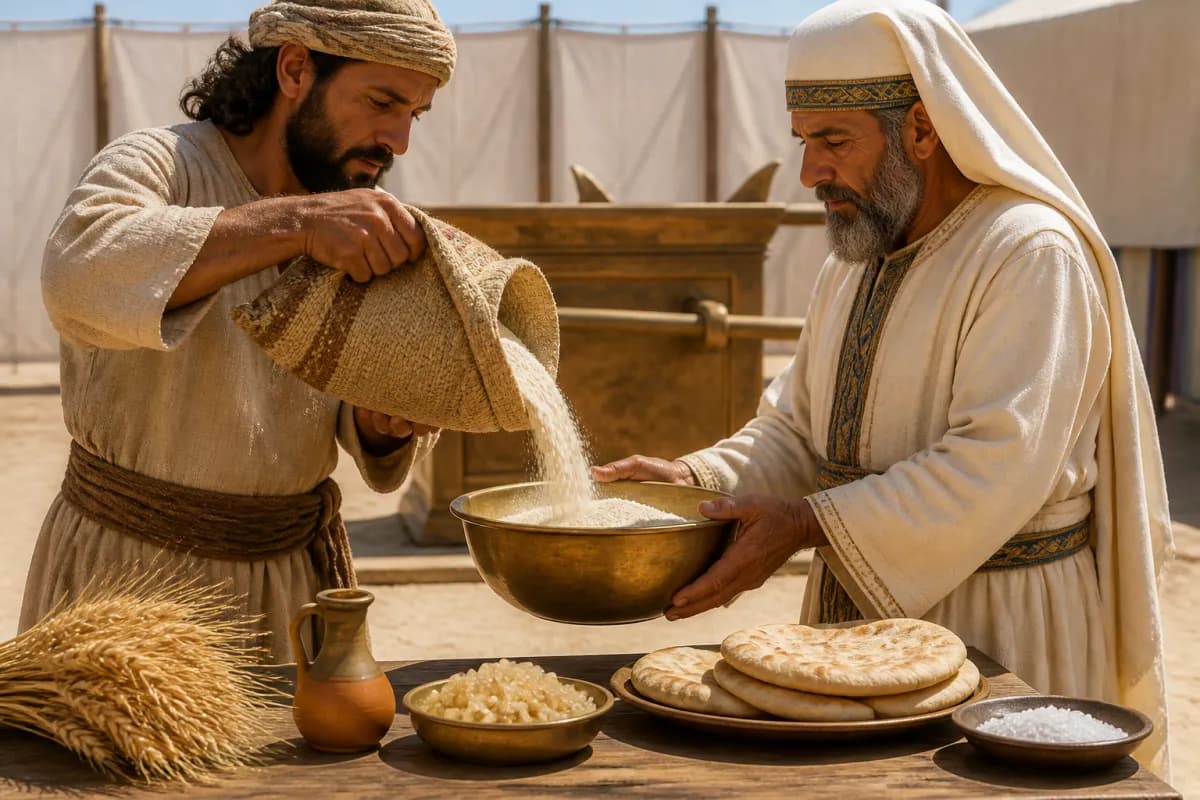
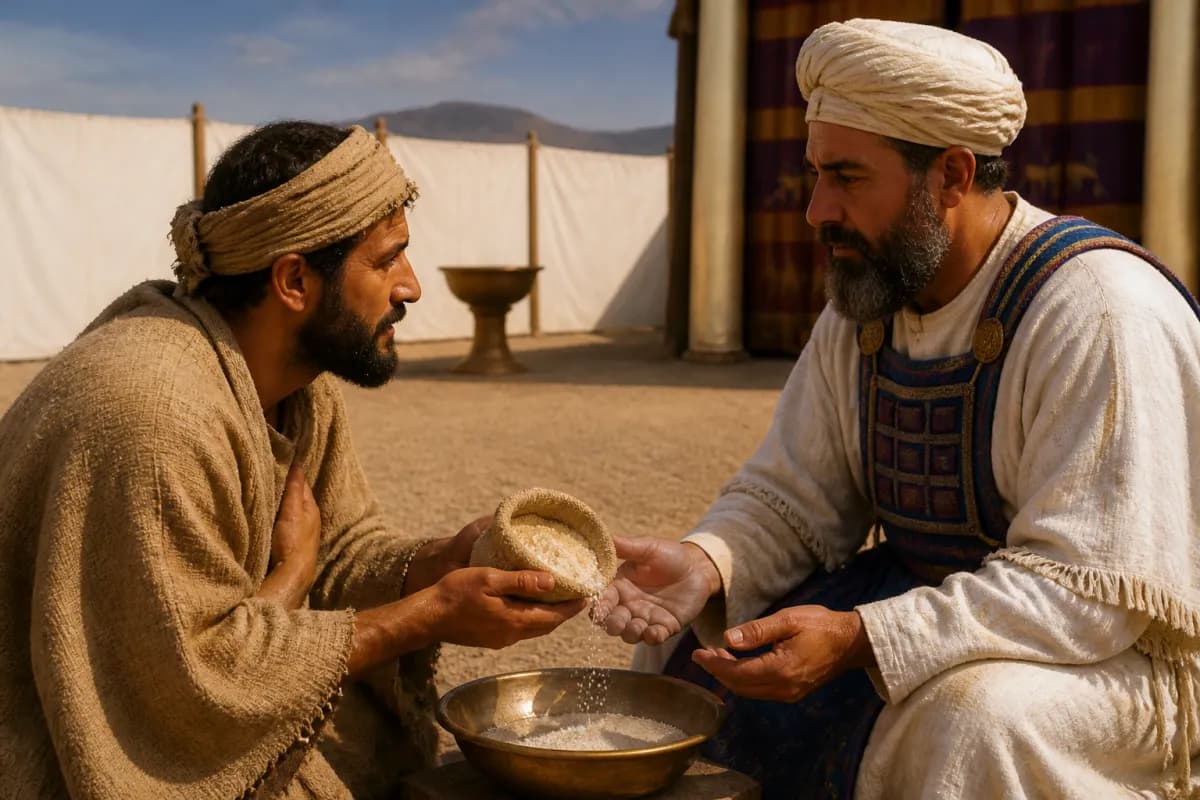
Leviticus 2:1–16 receives flour, oil, frankincense, and baked grain as a gift before the Lord. This bloodless offering does not replace the sacrifices that deal with sin; it presents the fruit of the land and the worshiper’s labor in thankful devotion. Its salt, absence of leaven and honey on the altar, and memorial portion teach Israel to honor God with ordinary provision, a pattern fulfilled as Jesus gathers a grateful people to live for God’s glory.

Study this passage →
Leviticus 3:1–3:17

174 of 876 · Passage study

The Peace Offering: Fellowship at God’s Table

Leviticus 3:1–17 describes the well-being offering, in which a worshiper brings an unblemished animal from the herd, flock, or goats and shares its sacrificial meal within God’s covenant order. The fat belongs to the Lord, the blood is not eaten, and the offering declares that restored fellowship is His gift. This table-shaped sacrifice points forward to the peace Jesus makes through His blood and the reconciled people He gathers around Himself.

Study this passage →
Leviticus 4:1–4:12

175 of 876 · Passage study

The Priest’s Sin Offering: When a Representative Fails

Leviticus 4:1–12 provides a sin offering when the anointed priest commits an unintentional wrong that brings guilt upon the people. His office does not protect him from judgment; it makes his sin weighty for the community. Blood is brought into the tent and the bull is burned outside the camp, teaching that cleansing and mediation are desperately needed. Jesus fulfills that need as the sinless High Priest who offers Himself for His people.

Study this passage →
Leviticus 4:13–4:21

176 of 876 · Passage study

The Congregation’s Sin Offering: Shared Guilt, Shared Mercy

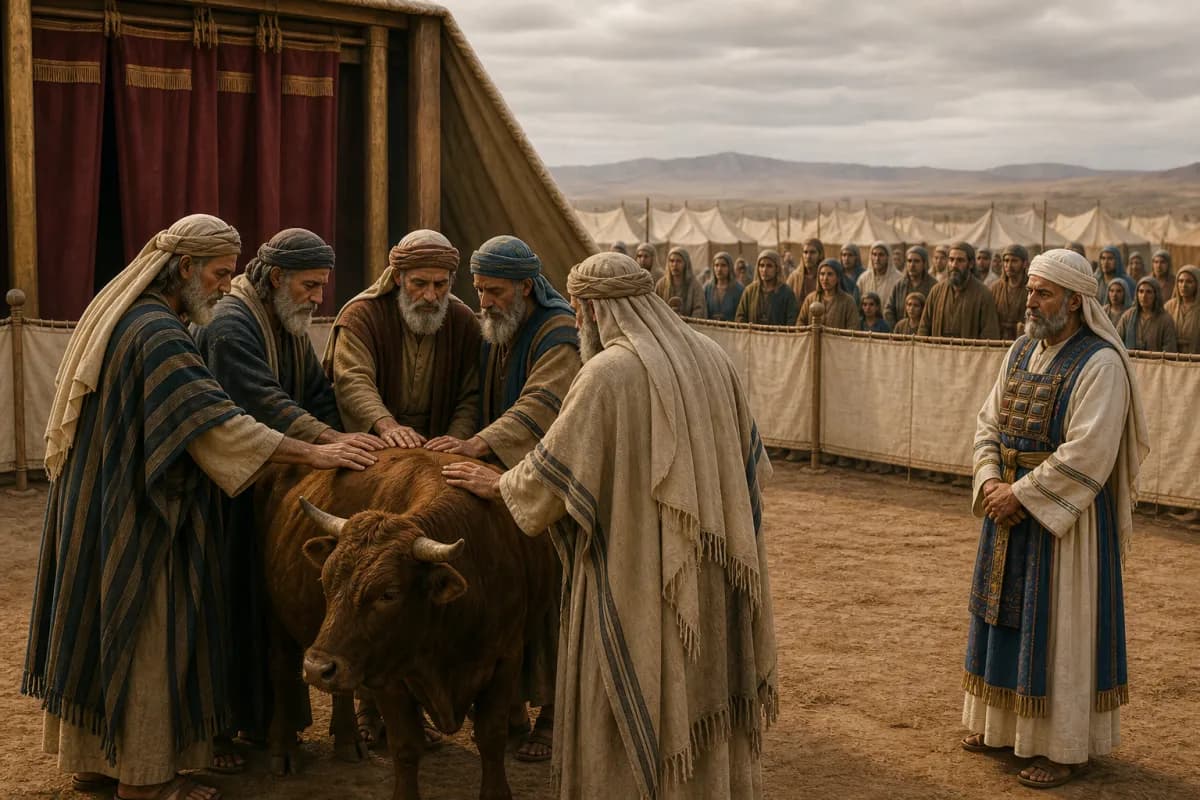
Leviticus 4:13–21 addresses a wrong committed by the whole assembly without awareness. When the sin becomes known, the elders lay hands on a bull, the priest handles its blood as in his own offering, and atonement is made for the people. The passage names corporate responsibility without erasing individual accountability and directs hope to Jesus, whose saving death creates a cleansed people from every nation.

Study this passage →
Leviticus 4:22–4:26

177 of 876 · Passage study

The Leader’s Sin Offering: Authority Under God’s Mercy

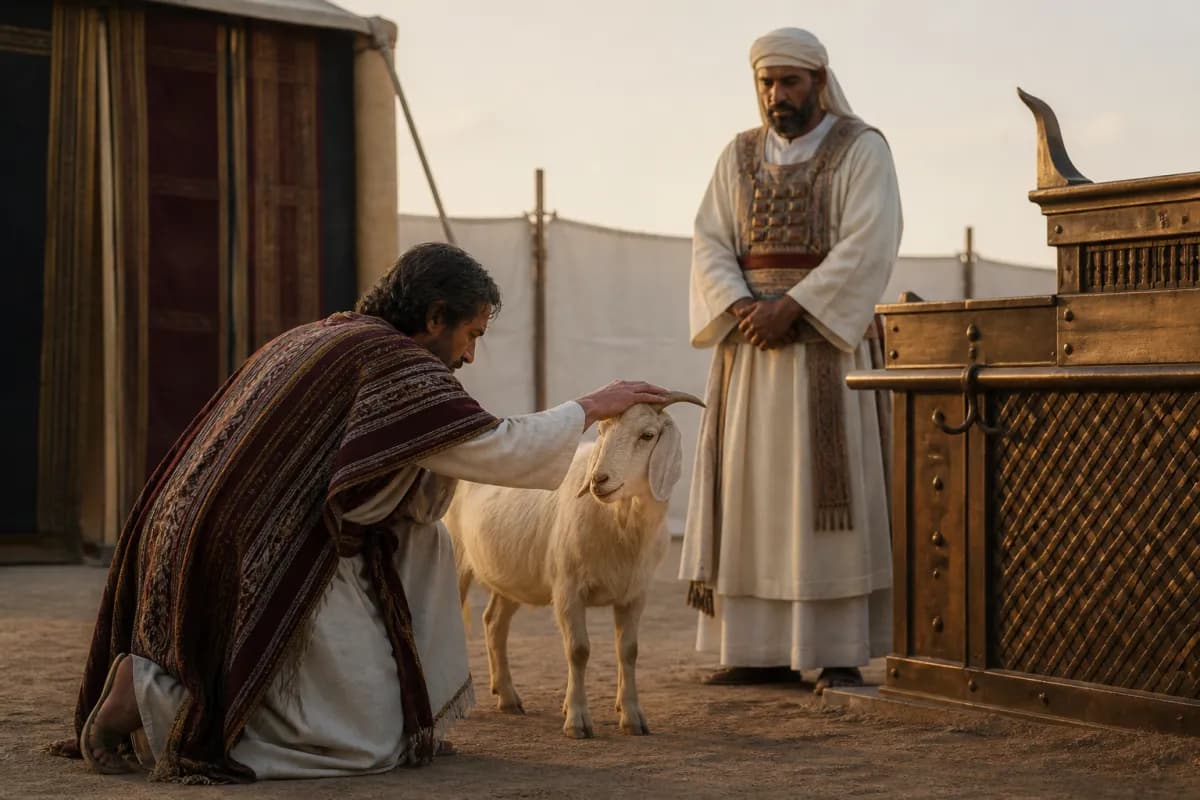
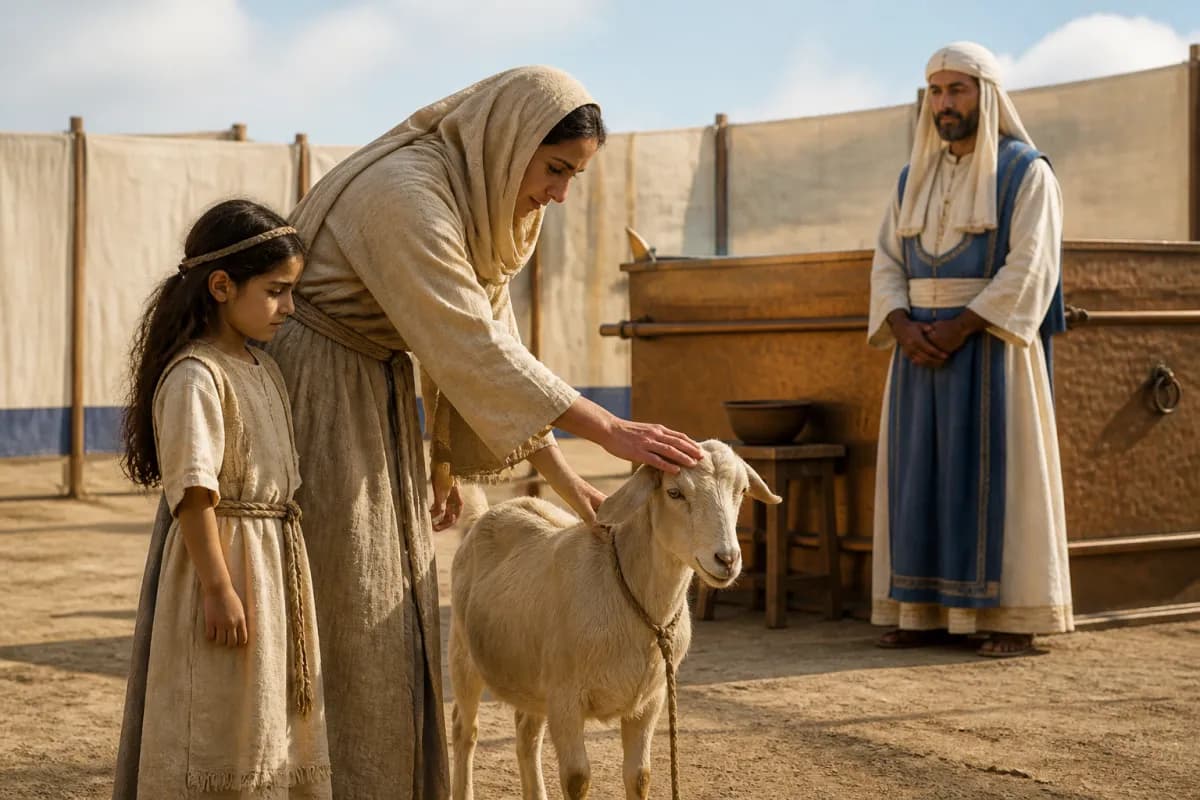
Leviticus 4:22–26 gives a ruler no exemption when he sins unintentionally. Once the wrong becomes known, he brings a male goat, lays his hand on it, and receives atonement. Leadership heightens public responsibility, but God supplies the same real mercy that calls a leader out of concealment and back into covenant faithfulness. Jesus, the righteous King, forgives repentant leaders and teaches them to serve rather than protect themselves.

Study this passage →
Leviticus 4:27–4:35

178 of 876 · Passage study

The Common Person’s Sin Offering: No One Is Too Small to Draw Near

Leviticus 4:27–35 provides atonement for an ordinary Israelite who realizes an unintentional sin. A female goat or lamb is brought, hands are laid on its head, its blood is applied at the altar, and the priest makes atonement. God’s holiness reaches every person, and so does His mercy. Jesus completes this saving purpose by welcoming repentant sinners who come to God through His once-for-all sacrifice.

Study this passage →
Leviticus 5:1–5:13

179 of 876 · Passage study

Specific Guilt, Open Confession, and God’s Provision

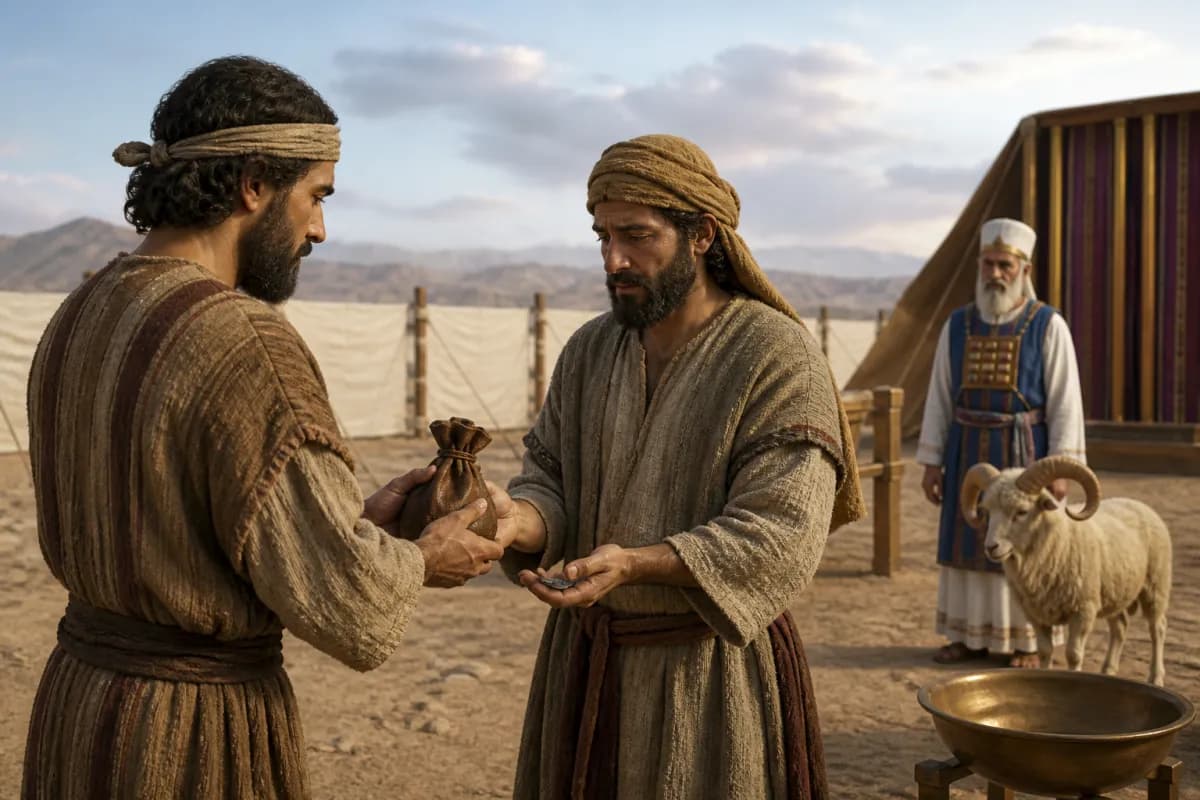
Leviticus 5:1–13 brings several easily minimized failures into the light: withholding testimony, touching uncleanness without realizing it, careless oaths, and later recognizing guilt. The worshiper must confess the particular wrong and bring an offering suited to available means, from a lamb to fine flour. God’s mercy is both exact and accessible, preparing the way for Jesus, whose saving work cleanses confessed sin and welcomes the poor as fully as the prosperous.

Study this passage →
Leviticus 5:14–6:7

180 of 876 · Passage study

The Guilt Offering: Mercy That Faces What Was Lost

Leviticus 5:14–6:7 treats breaches of faith against holy things and against a neighbor as guilt that requires both sacrifice and restitution. The offender brings a ram, adds one-fifth to what was wrongfully withheld or taken, and makes things right before the Lord. God’s forgiveness does not deny damage done. In Jesus, atonement and mercy create repentant people who pursue truth and restoration rather than cheap grace.

Study this passage →
Keep scrolling for the next passage.