Truth-Scrolling

Leviticus 23:5–23:8

205 of 876 · Passage study

Remembered Rescue: Passover and Unleavened Bread

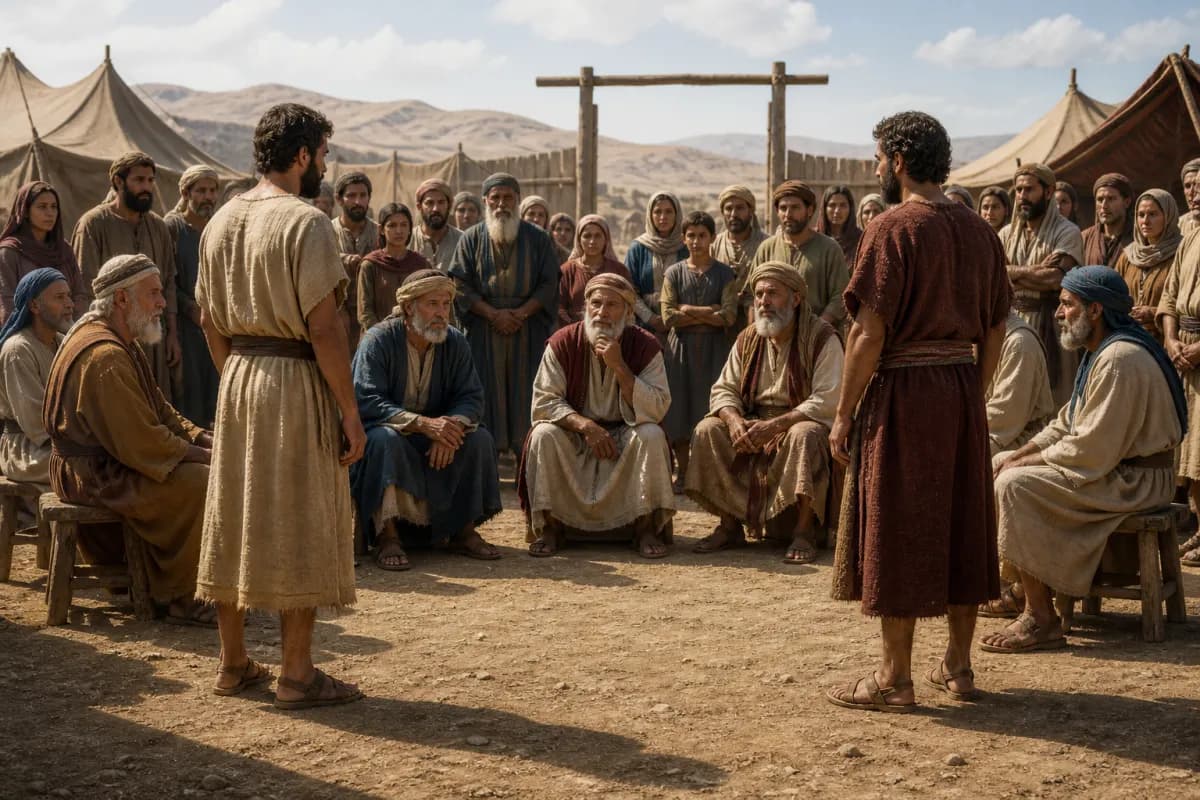
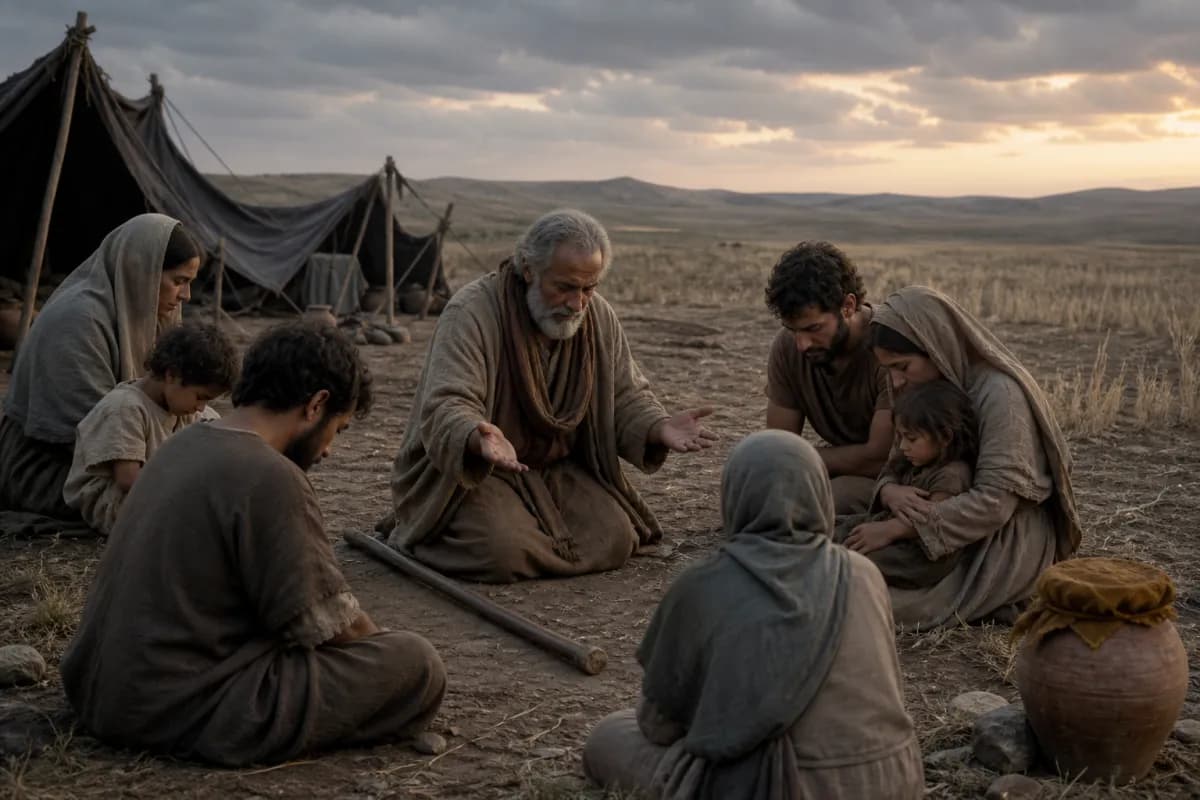
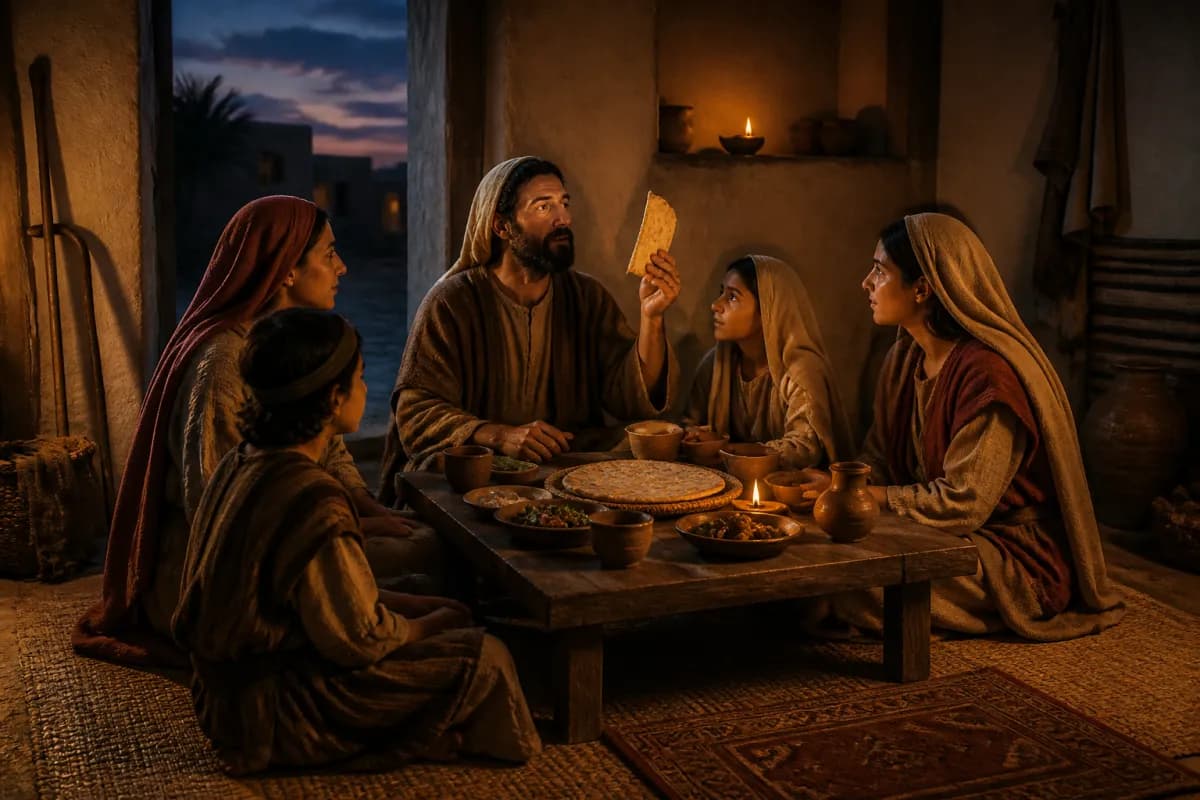
Leviticus 23:4–8 places Passover and the seven-day Festival of Unleavened Bread at the beginning of Israel’s annual calendar. The feast remembers the Lord’s rescue from Egypt and gathers the people for worship, rest, and offerings. Jesus fulfills this deliverance pattern as the Passover Lamb whose death brings forgiveness and forms a people freed to serve God.
Study this passage →
Leviticus 23:9–23:14

206 of 876 · Passage study

The First Sheaf Before God: Firstfruits and Hope

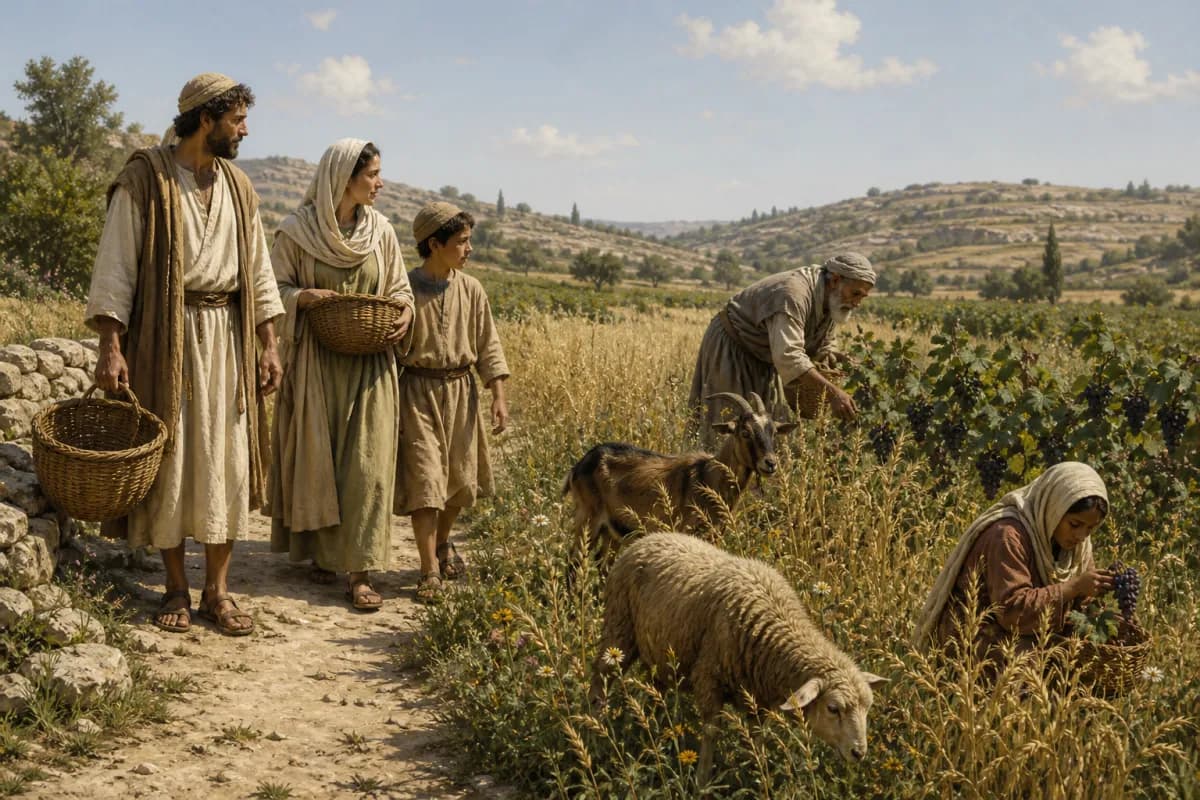
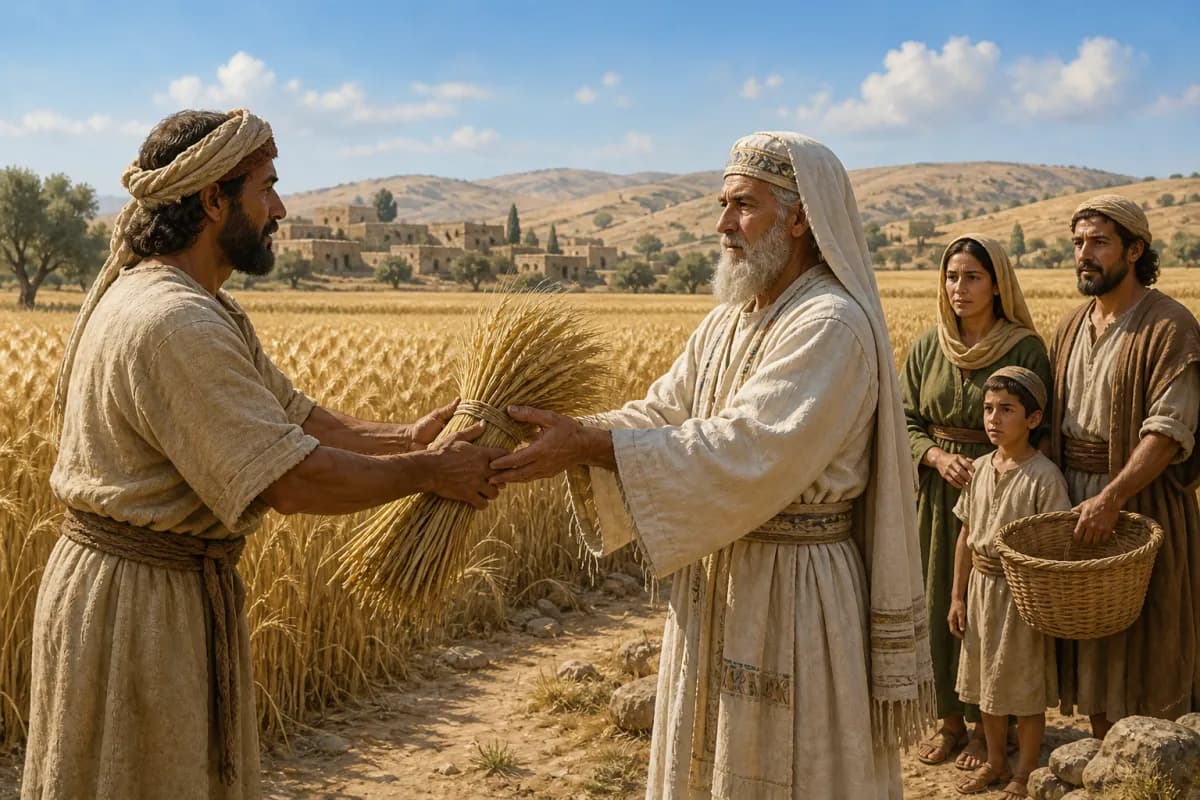
Leviticus 23:9–14 commands Israel, once it enters the land, to bring the first sheaf of harvest to the priest before eating from the new crop. The rite declares that land, harvest, and future come from the Lord’s gift. Jesus’ resurrection is the New Testament’s direct firstfruits fulfillment: His risen life guarantees the coming harvest of those who belong to Him.

Study this passage →
Leviticus 23:15–23:22

207 of 876 · Passage study

Counted Days and a Shared Harvest: The Feast of Weeks

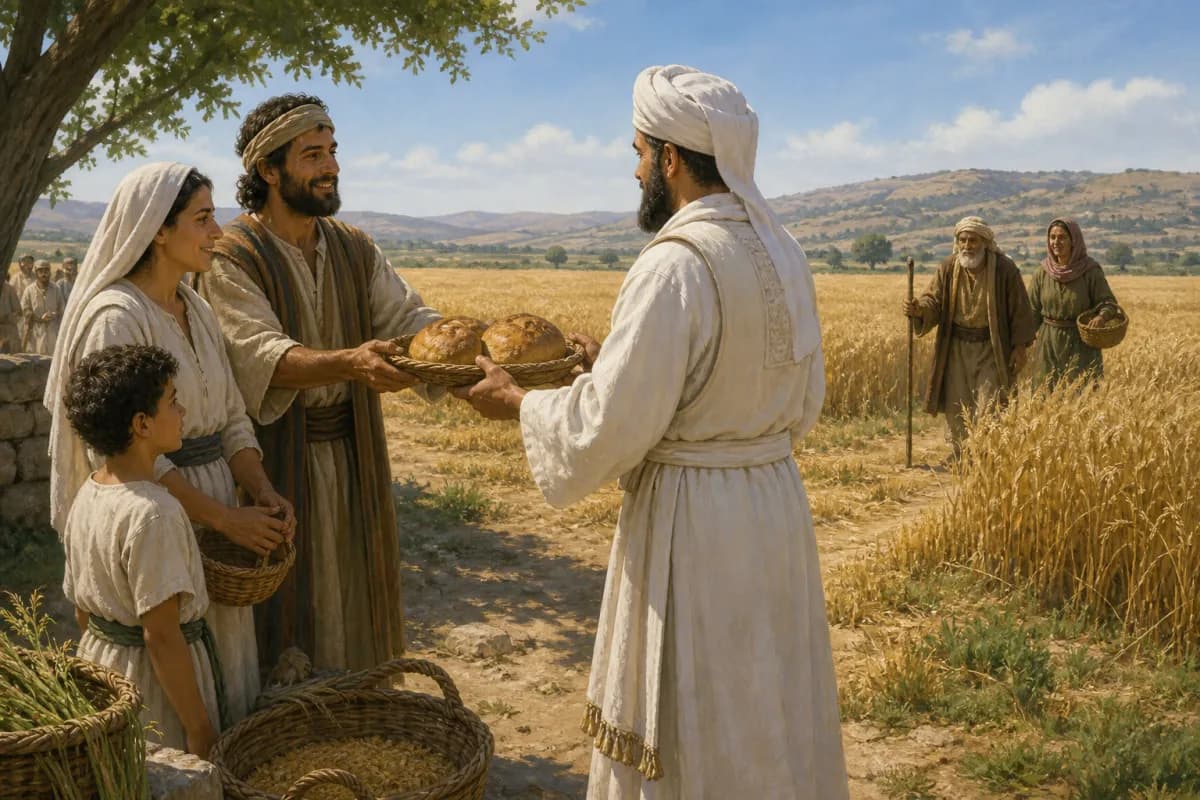
Leviticus 23:15–22 tells Israel to count seven weeks from the firstfruits offering and then celebrate a new grain offering with two leavened loaves, sacrifices, rest, and provision for the poor. The feast turns harvest into grateful worship and neighbor-love. Pentecost in Acts gives the clearest Christ-centered development: the risen Jesus pours out the Spirit and gathers people from many peoples into one new community.

Study this passage →
Leviticus 23:23–23:25

208 of 876 · Passage study

A Holy Alarm: The Feast of Trumpets

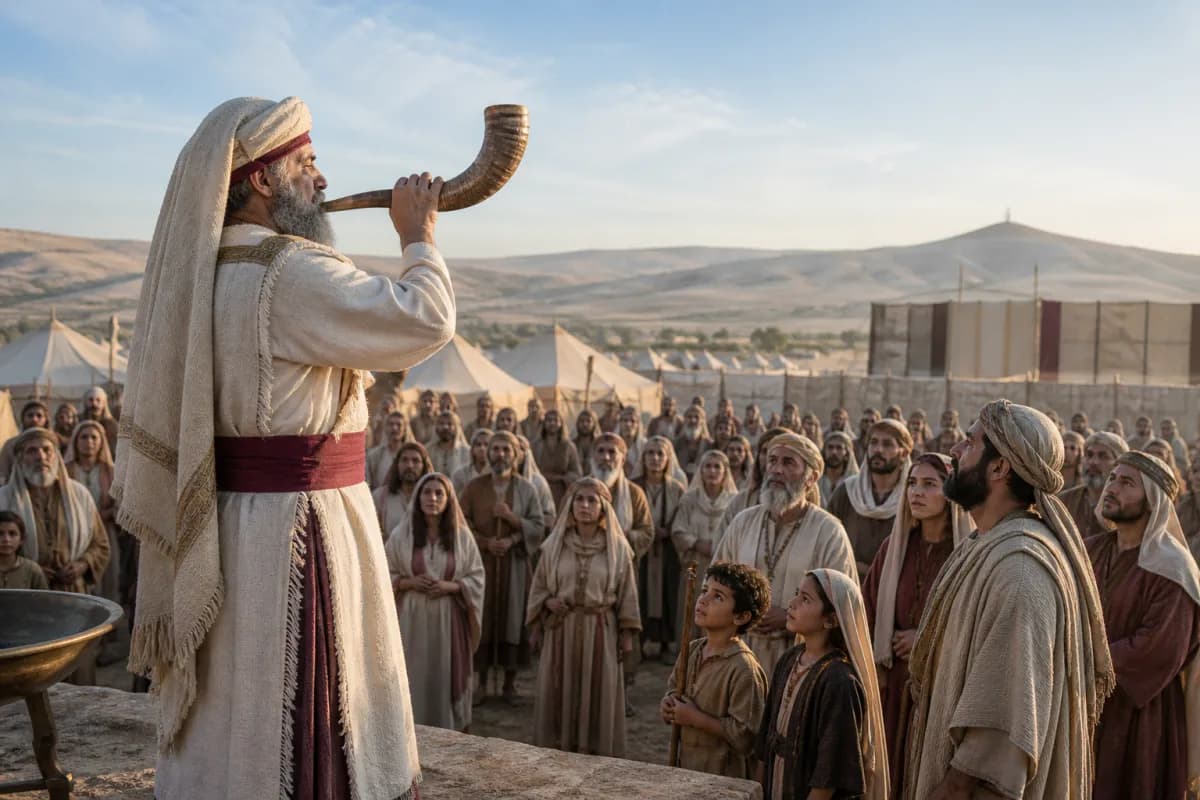
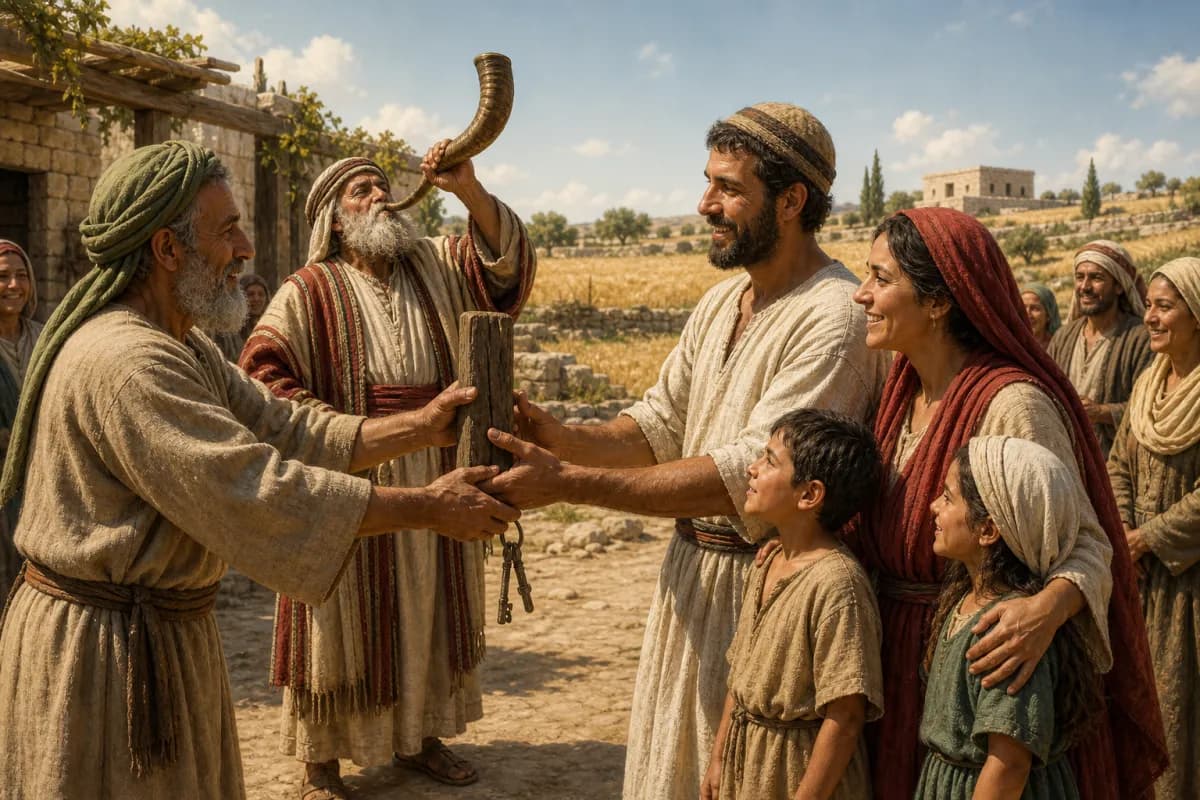
Leviticus 23:23–25 appoints a seventh-month day of solemn rest marked by trumpet blasts, remembrance, holy assembly, and offerings. The brief command interrupts ordinary work so Israel remembers the Lord before the climactic month of atonement and booths. It prepares readers to hear the New Testament’s call to ready hope in Christ, without claiming that this festival supplies a timetable for His return.

Study this passage →
Leviticus 23:26–23:32

209 of 876 · Passage study

Humbled Before Mercy: The Day of Atonement Observance

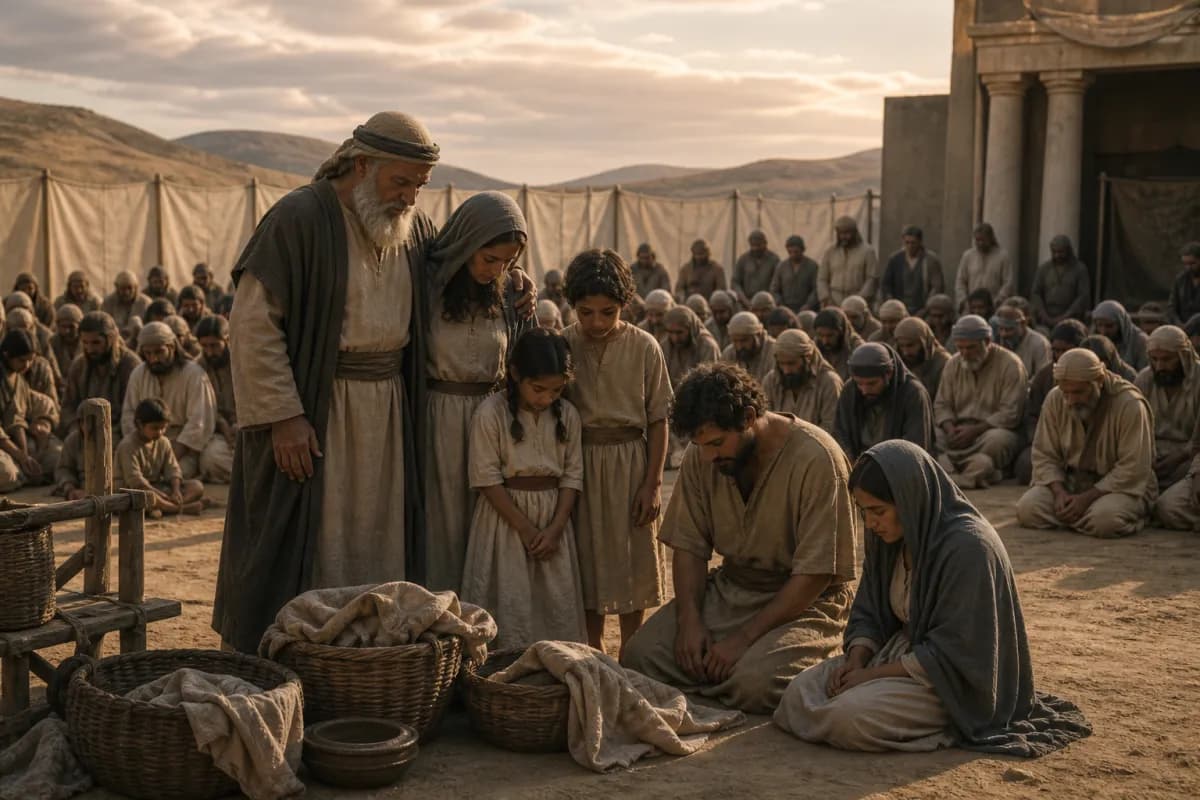
Leviticus 23:26–32 sets the Day of Atonement within Israel’s calendar: the people humble themselves, cease work, and receive atonement before the Lord. Leviticus 16 explains the priestly rites; this passage shows how the whole community responds. Jesus fulfills the day’s saving hope through His once-for-all sacrifice, giving repentant sinners real access to God rather than a merely annual reprieve.

Study this passage →
Leviticus 23:33–23:44

210 of 876 · Passage study

Joy in Temporary Shelters: The Feast of Booths

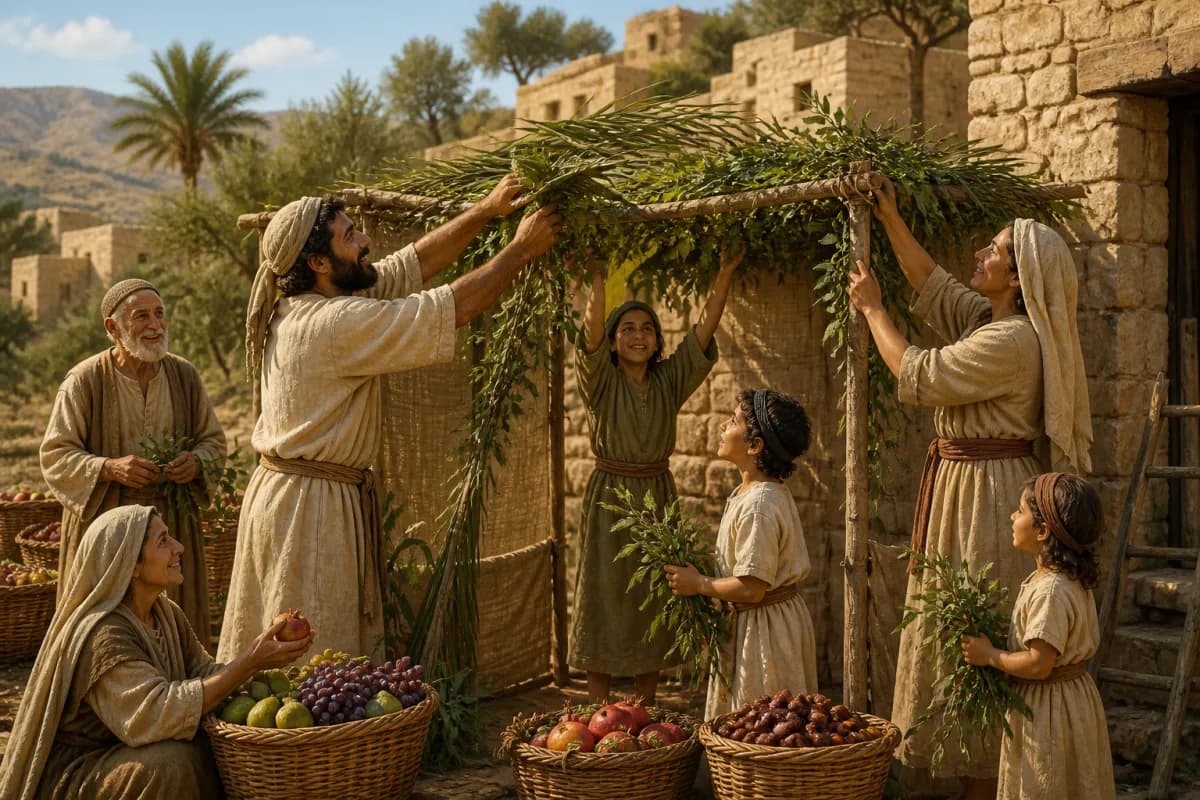
Leviticus 23:33–44 commands Israel to rejoice for seven days at the end of harvest and to live in booths so later generations remember the Lord’s wilderness care. The feast holds abundance and vulnerability together: God gave the harvest, and God sustained His people before they possessed a permanent home. Jesus fulfills its hope as God dwelling among His people and promises a final home in God’s renewed creation.

Study this passage →
Leviticus 24:1–24:9

211 of 876 · Passage study

Light and Bread Before the Lord: Israel’s Continual Worship

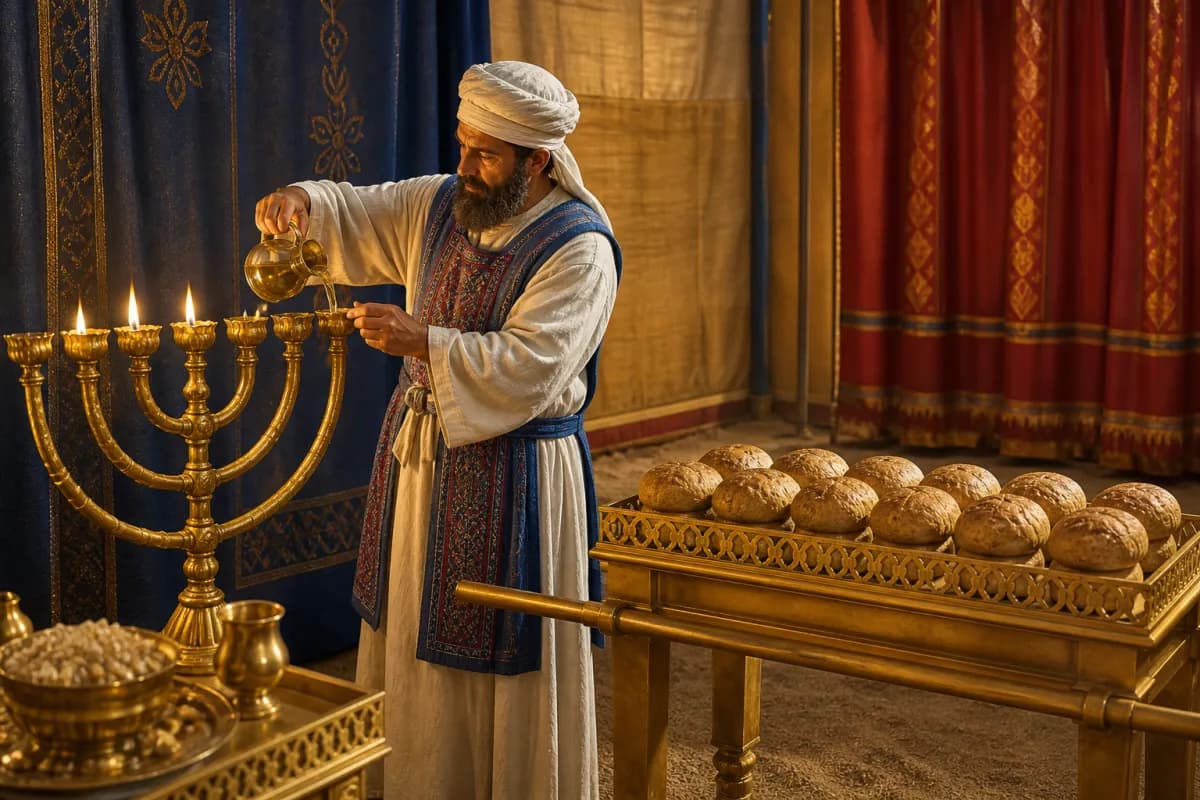
Leviticus 24:1–9 commands pure oil for the continually tended lamp and twelve loaves of bread arranged before the Lord each Sabbath as a lasting covenant sign. The sanctuary displays God’s provision and Israel’s ordered presence before Him. Jesus fulfills these themes as the light of the world and bread of life, bringing people to the Father and forming them into a people who live by His sustaining grace.

Study this passage →
Leviticus 24:10–24:23

212 of 876 · Passage study

The Holy Name and Equal Justice

Leviticus 24:10–23 joins a public violation of the Lord’s name to laws of proportionate justice for the whole community. The passage refuses both contempt for God and private vengeance against people made in His image. Jesus bears the curse of sin and forms a people who honor God’s name while seeking truthful, restrained justice for neighbor and stranger alike.

Study this passage →
Leviticus 25:1–25:7

213 of 876 · Passage study

The Land’s Sabbath: Trusting the God Who Provides

Leviticus 25:1–7 commands Israel to let the land rest every seventh year. Fields and vineyards are not driven without limit; their spontaneous growth is shared with household, worker, resident alien, livestock, and wild animals. The Sabbath year teaches that the land belongs to God and that His people live by received provision, a truth fulfilled in Jesus, who frees His people from anxious self-sufficiency and teaches generous trust.

Study this passage →
Leviticus 25:8–25:55

214 of 876 · Passage study

Jubilee: Liberty, Return, and the Lord’s Ownership

Leviticus 25:8–55 proclaims a fiftieth-year Jubilee in which liberty is announced, ancestral property returns, and Israelites enslaved by poverty may be redeemed. The law interrupts permanent loss because land and people belong to the Lord. Jesus announces the good news of God’s liberating kingdom and redeems people from slavery to sin, forming a family marked by mercy, truthful economics, and hope.

Study this passage →
Leviticus 26:1–26:13

215 of 876 · Passage study

Walking with the God Who Dwells Among His People

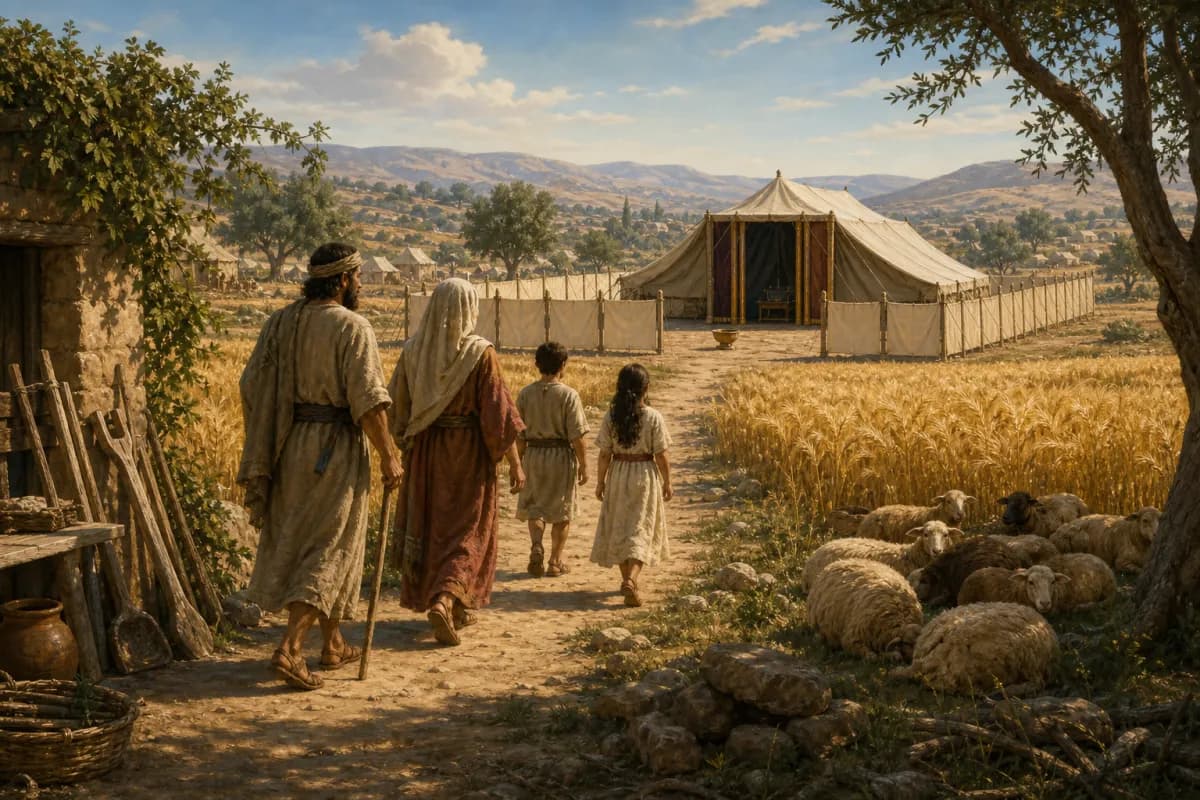
Leviticus 26:1–13 calls Israel away from idols, commands Sabbath keeping and reverence for the sanctuary, and promises rain, harvest, peace, fruitfulness, and God’s dwelling presence as covenant blessing. The goal is not prosperity detached from God but communion with the Redeemer who brought Israel out of slavery. Jesus fulfills faithful obedience and brings His people into the Father’s presence, sending them to live as grateful witnesses rather than consumers of blessing.

Study this passage →
Leviticus 26:14–26:46

216 of 876 · Passage study

When God’s People Refuse to Listen

Leviticus 26:14–46 warns Israel that persistent covenant rebellion will bring escalating discipline, defeat, famine, exile, and desolation. Yet the final word is not abandonment: when the people confess their unfaithfulness and humble their hearts, the Lord remembers His covenant. Jesus bears judgment for sinners and brings repentant people home to God, while calling His church to receive discipline as a summons to return and to proclaim mercy to the nations.

Study this passage →
Keep scrolling for the next passage.