Truth-Scrolling

Leviticus 27:1–27:34

217 of 876 · Passage study

What Is Vowed Belongs to the Lord

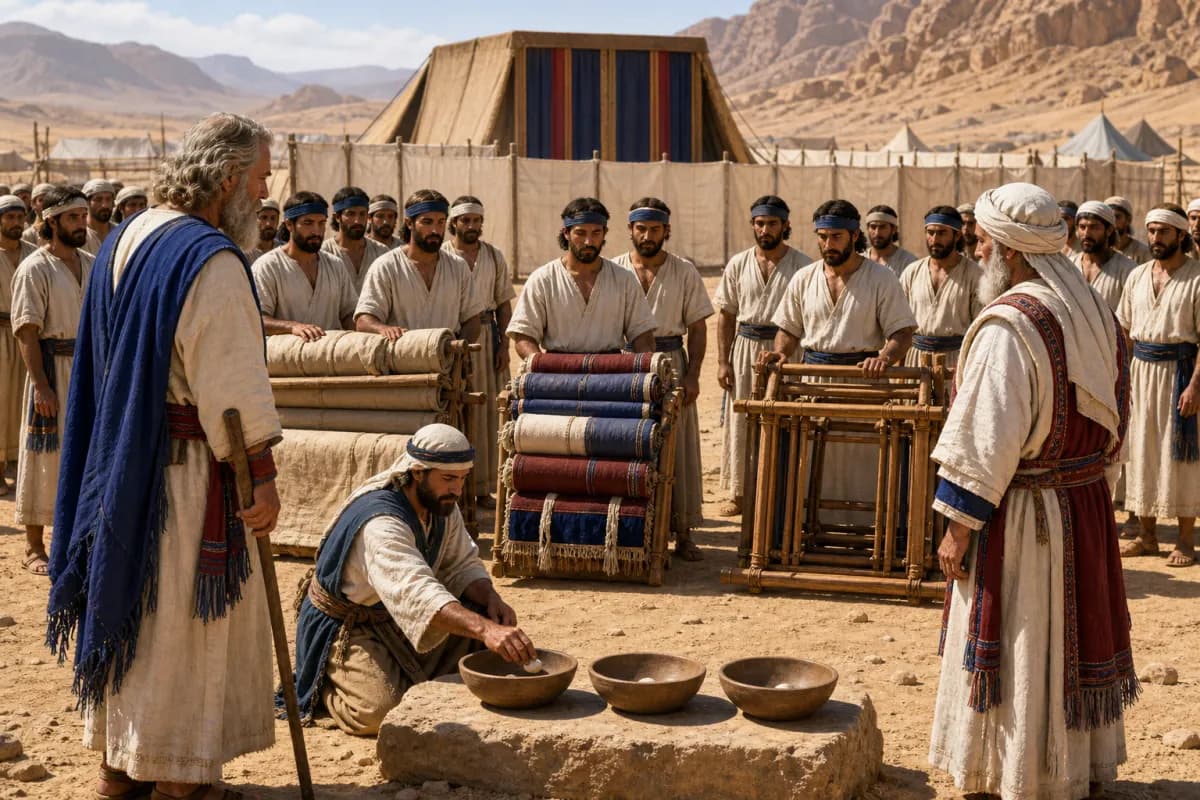
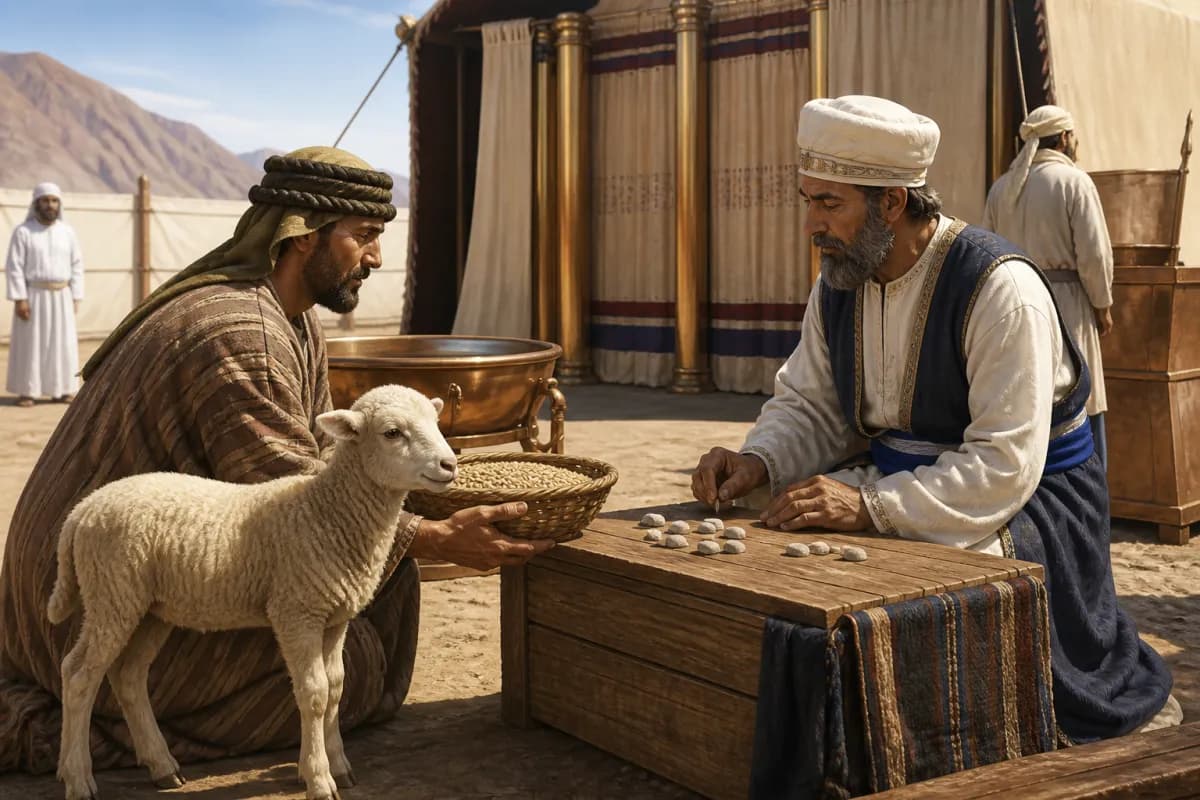
Leviticus 27 closes the book with laws for voluntary vows, dedicated property, firstborn animals, tithes, and redemption payments. Devotion to the Lord is not left vague or manipulated for advantage; what is set apart for Him is treated truthfully because everything already belongs to Him. Jesus gives Himself wholly for His people and calls those He redeems to grateful, honest worship that serves His saving mission.
Study this passage →
Numbers 1:1–1:16

218 of 876 · Passage study

Leaders for the Census: A People Known by Name

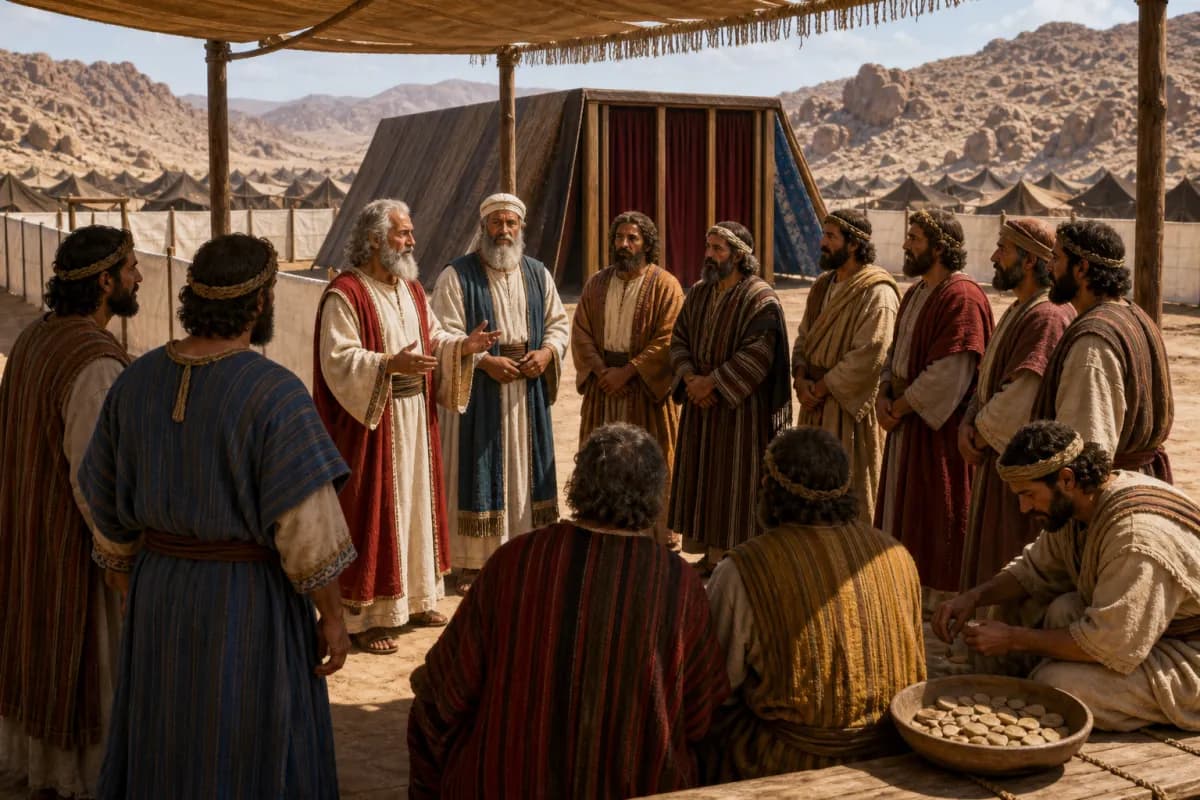
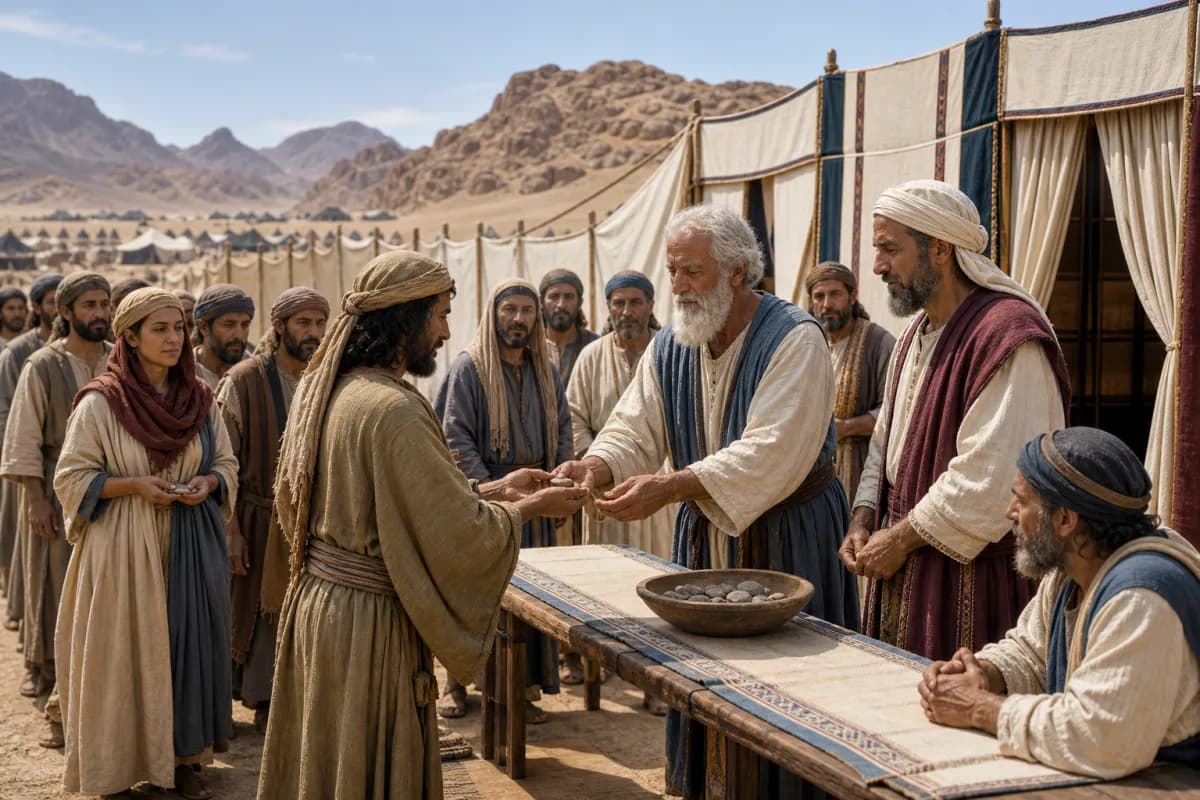
Numbers 1:1–16 opens Israel’s wilderness journey with the Lord naming a leader from every tribe to stand with Moses and Aaron for the census. The list is not filler: God orders a redeemed people for service, remembers their households, and gives them accountable representatives. It anticipates Jesus, the faithful shepherd and head who knows His people and gathers them for His saving mission.

Study this passage →
Numbers 1:17–1:46

219 of 876 · Passage study

The First Census: A People Prepared to Go Forward

Numbers 1:17–46 records the census of Israel’s tribes, counted by ancestral house and by men ready for military service. The total is large, but the text preserves each tribe’s place in the whole. God is preparing the people He rescued from Egypt to move toward His promise, a journey that ultimately directs readers to Jesus, who gathers a people for His kingdom through His saving work.

Study this passage →
Numbers 1:47–1:54

220 of 876 · Passage study

The Levites Set Apart: Guarding the Dwelling of God

Numbers 1:47–54 separates the Levites from the military census and places them around the tabernacle. Their charge is to carry, tend, and guard the dwelling so that wrath does not break out against the congregation. The passage makes God’s holy presence both Israel’s greatest gift and a danger sinners cannot manage, preparing the way for Jesus, whose saving mediation brings His people near to God.

Study this passage →
Numbers 2:1–2:34

221 of 876 · Passage study

The Arrangement of the Camp: God at the Center

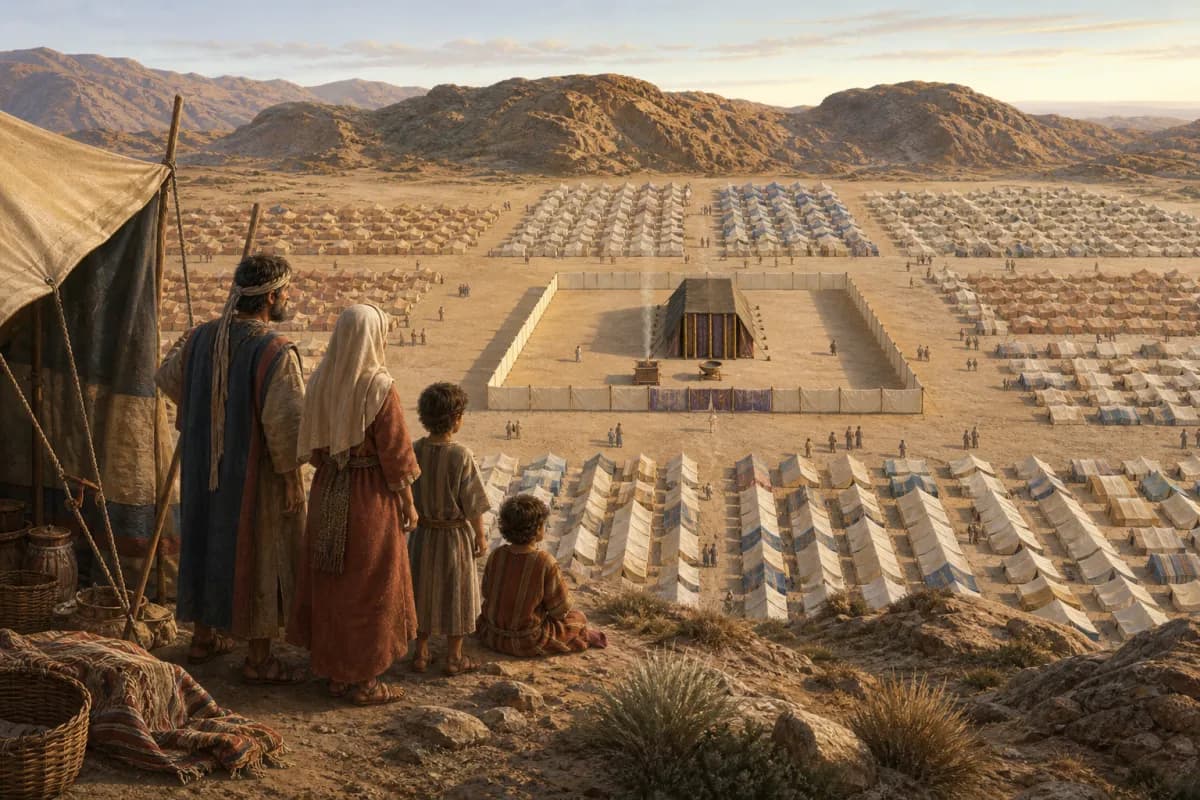
Numbers 2:1–34 arranges Israel by tribal standards on the four sides of the tent of meeting. Judah leads the eastern camp, the Levites occupy the center around the tabernacle, and every tribe has an assigned place and marching order. The passage teaches that God’s dwelling is meant to order His people’s identity and movement, a reality fulfilled in Jesus, who gathers His people around Himself and leads them in His saving mission.

Study this passage →
Numbers 3:1–3:13

222 of 876 · Passage study

The Levites and the Firstborn: A Life Given in Place of Another

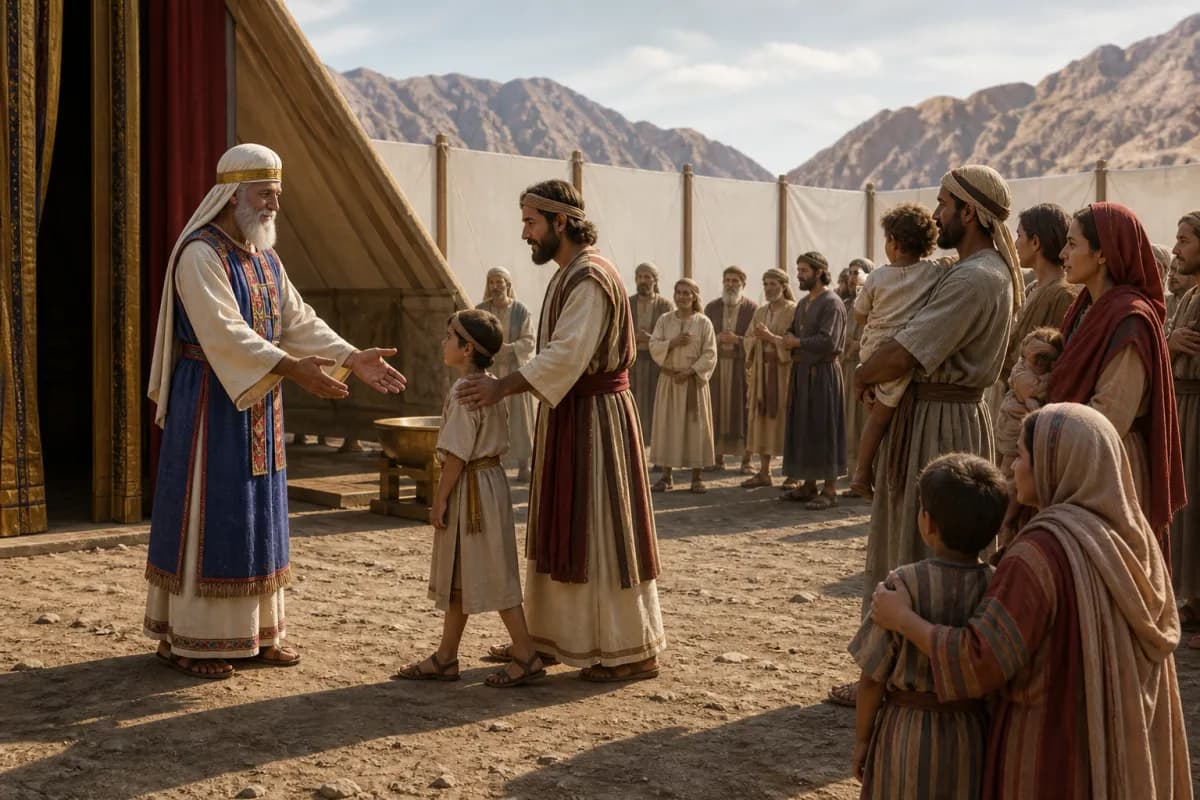
Numbers 3:1–13 names Aaron’s priestly family, remembers the death of Nadab and Abihu, and gives the Levites to Aaron in place of Israel’s firstborn. Their service preserves the memory of Passover: Israel belongs to God because He spared its firstborn in Egypt. This substitutional pattern reaches its saving fulfillment in Jesus, whose life given for sinners brings them to the Father.

Study this passage →
Numbers 3:14–3:39

223 of 876 · Passage study

The Census of the Levites: Each Clan Has Its Charge

Numbers 3:14–39 counts the Levites by their three clans and places each clan around the tabernacle with a particular charge. The arrangement protects Israel from coming near the sanctuary unlawfully and displays God’s ordered provision for life with Him. Jesus fulfills the goal toward which guarded worship pointed by bringing His people near to God through His saving work.

Study this passage →
Numbers 3:40–3:51

224 of 876 · Passage study

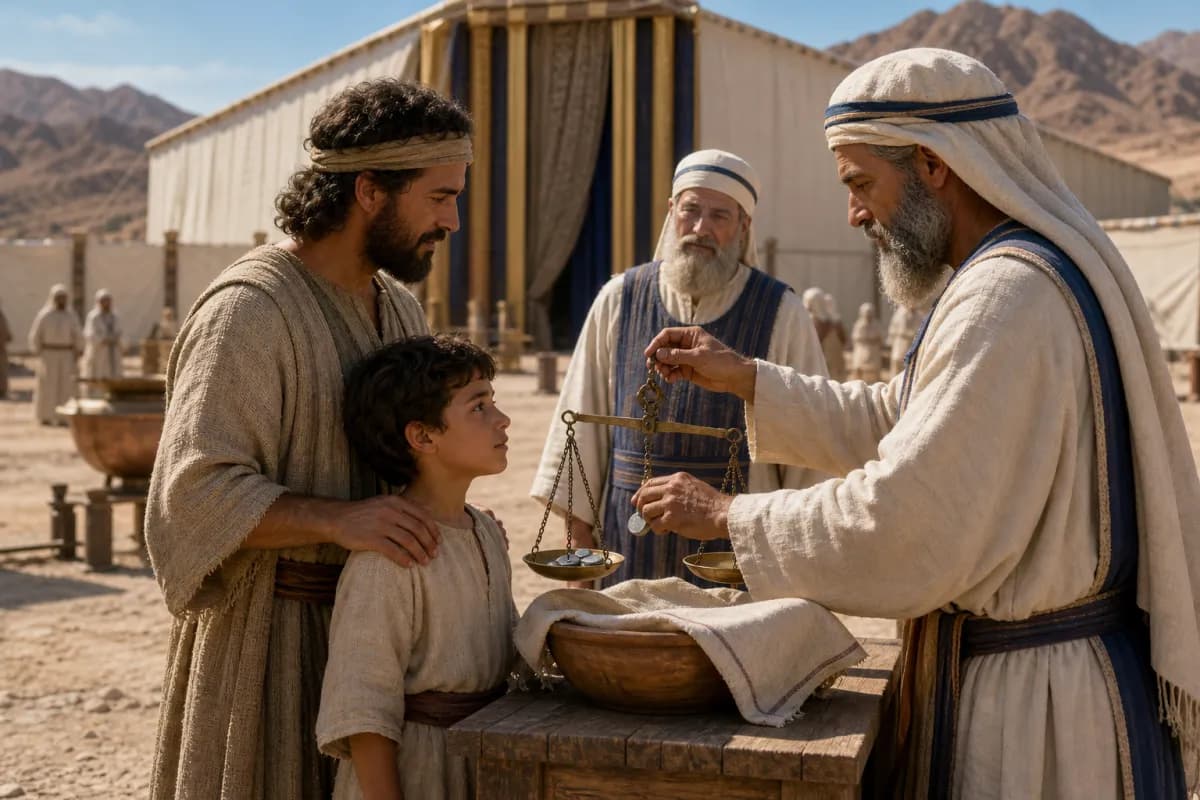
The Redemption of the Firstborn: Belonging Remembered

Numbers 3:40–51 counts Israel’s firstborn and provides silver redemption for those exceeding the Levites’ number. The arithmetic preserves a theological memory: Israel’s firstborn belong to the Lord because He spared them at Passover. This representative redemption points to Jesus, whose saving mission gives Himself as the ransom that brings His people to God.

Study this passage →
Numbers 4:1–4:20

225 of 876 · Passage study

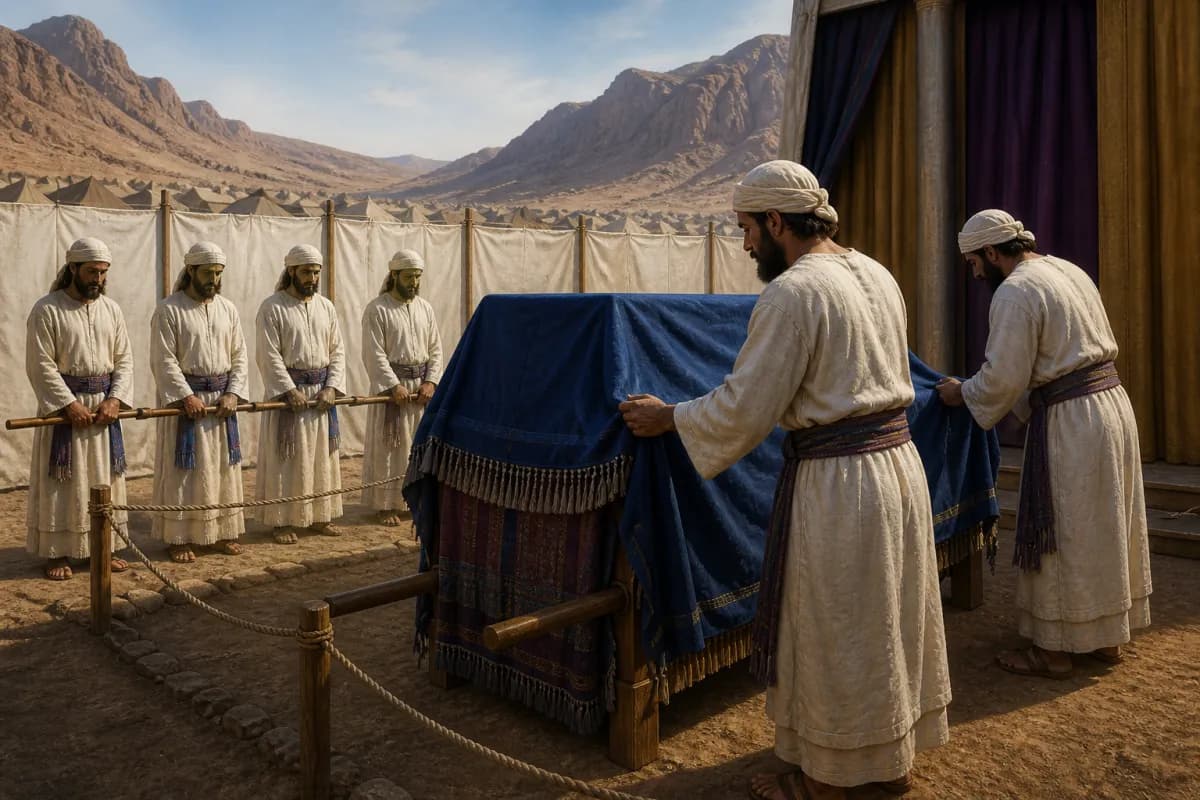
The Kohathites and the Holy Things: Nearness with Reverence

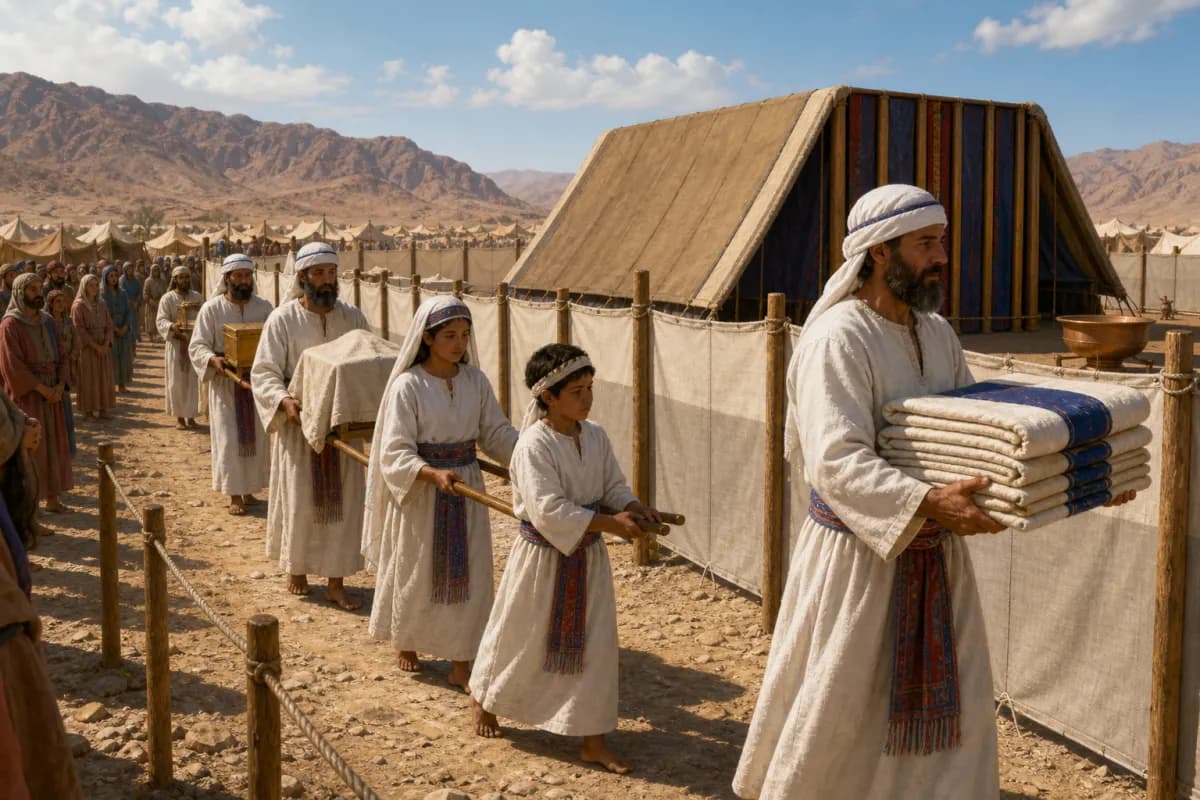
Numbers 4:1–20 assigns the Kohathites to carry the most holy furnishings after Aaron and his sons have carefully covered them. The strict boundaries protect the Kohathites from death and teach Israel that God’s presence is a gift requiring His appointed mediation. Jesus fulfills this need by bringing sinners near to the Father through His once-for-all saving sacrifice.

Study this passage →
Numbers 4:21–4:28

226 of 876 · Passage study

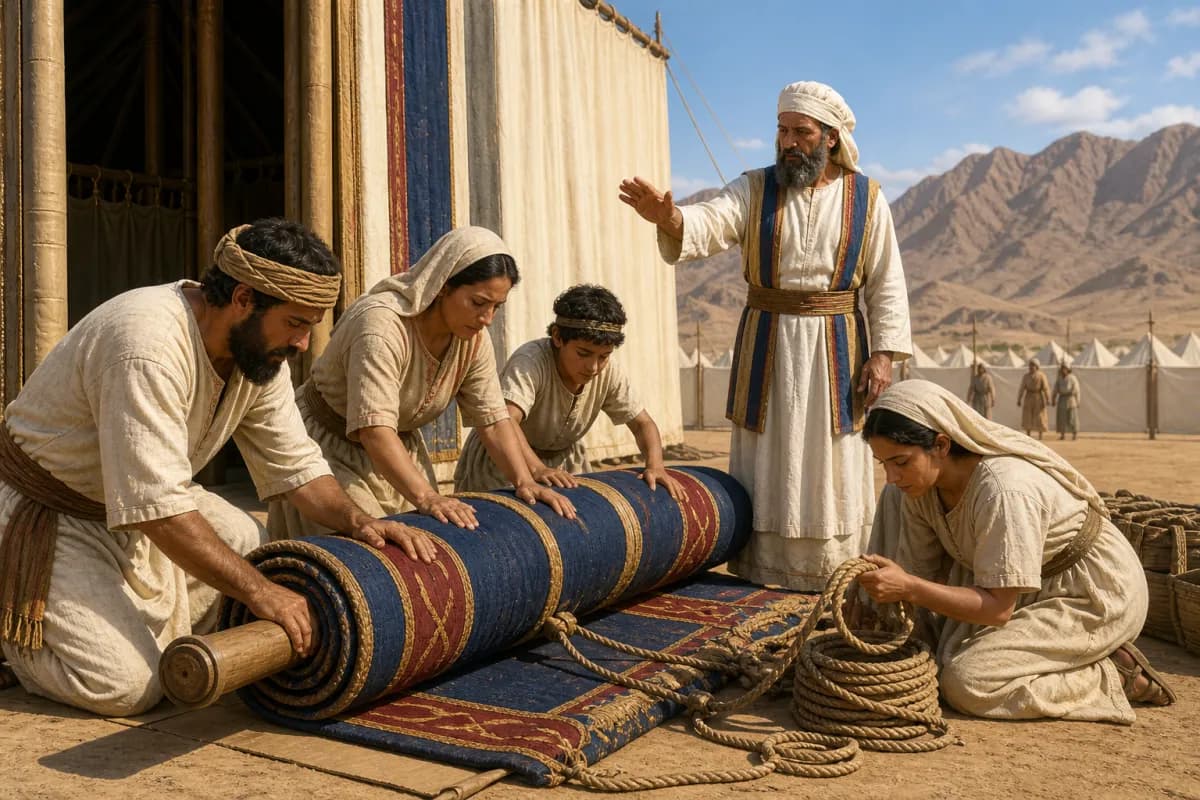
The Gershonites: Carrying the Dwelling’s Coverings

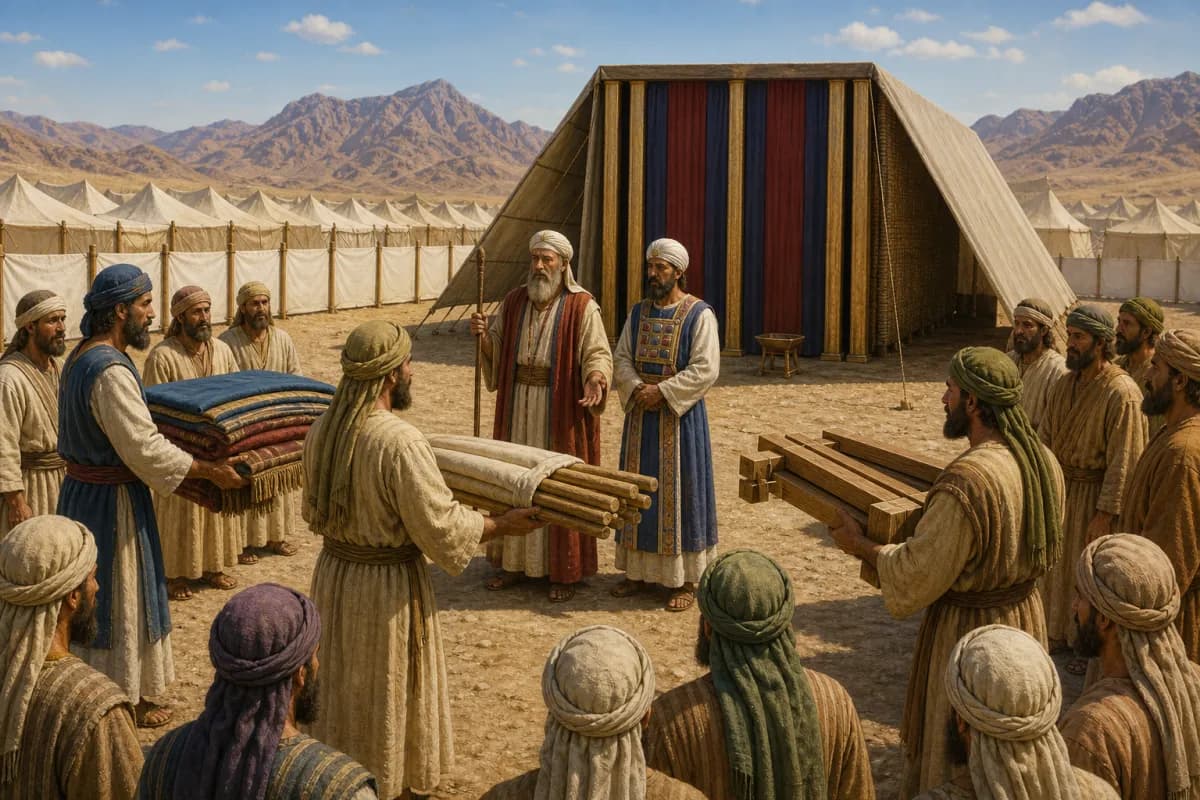
Numbers 4:21–28 gives the Gershonites charge over the tabernacle’s curtains, coverings, screens, and cords, placing their labor under Aaron and Ithamar’s direction. Their work makes the portable dwelling possible as Israel journeys. It points by pattern to Jesus, who gathers and sustains a people in whom God now dwells and sends them to carry His saving message into the world.

Study this passage →
Numbers 4:29–4:33

227 of 876 · Passage study

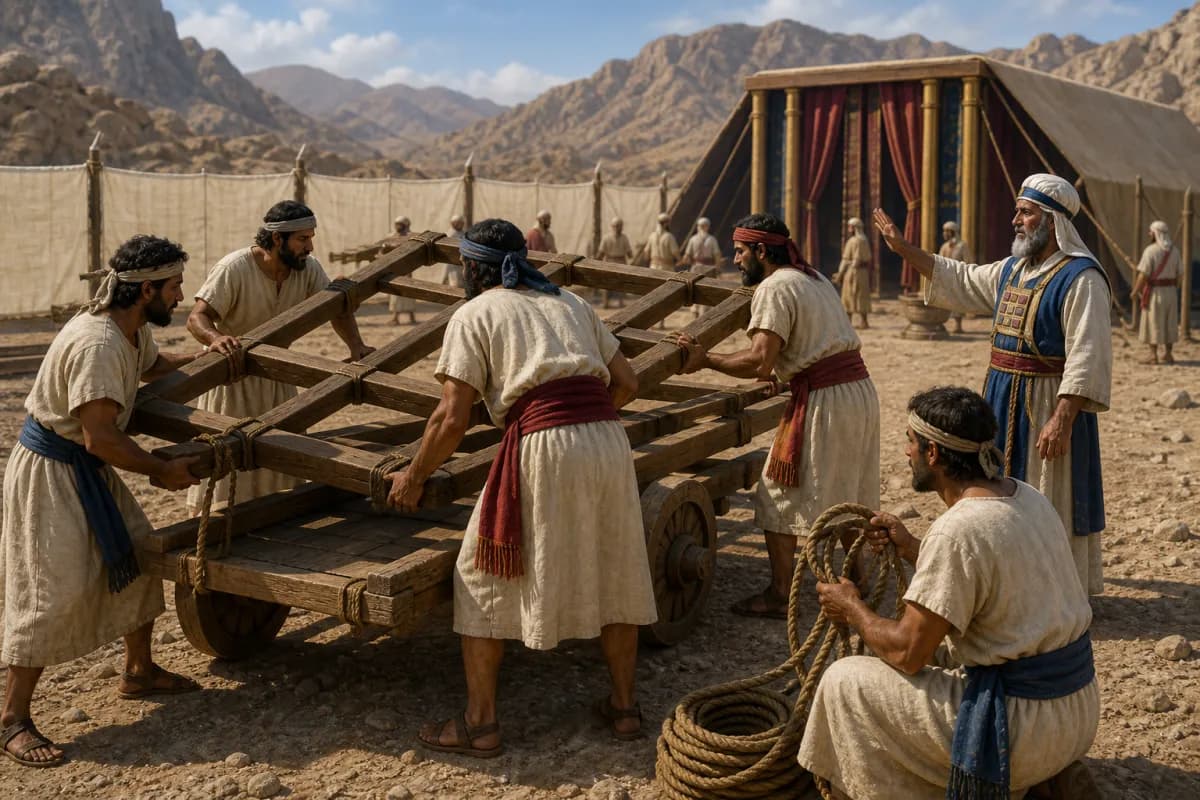
The Merarites: Bearing the Framework of the Tabernacle

Numbers 4:29–33 assigns Merari’s clans the frames, bars, pillars, bases, pegs, and cords of the tabernacle under Ithamar’s oversight. Their heavy structural work supports the dwelling of God as Israel travels. The passage directs readers to Jesus, who by His saving work builds and sustains a people as God’s dwelling and gives every member meaningful service in His mission.

Study this passage →
Numbers 4:34–4:49

228 of 876 · Passage study

The Levite Census: Every Burden Accounted For

Numbers 4:34–49 completes the census of Kohath, Gershon, and Merari, counting each clan’s men for its appointed tabernacle service. The total of 8,580 is not a display of religious bureaucracy; it shows that God knows the workers and loads required for His dwelling to travel with Israel. In Jesus, God gathers a redeemed people, gives them distinct service, and sends them together in His saving mission.

Study this passage →
Keep scrolling for the next passage.