Truth-Scrolling

Numbers 5:1–5:4

229 of 876 · Passage study

Purity in the Camp: A Holy God Among His People

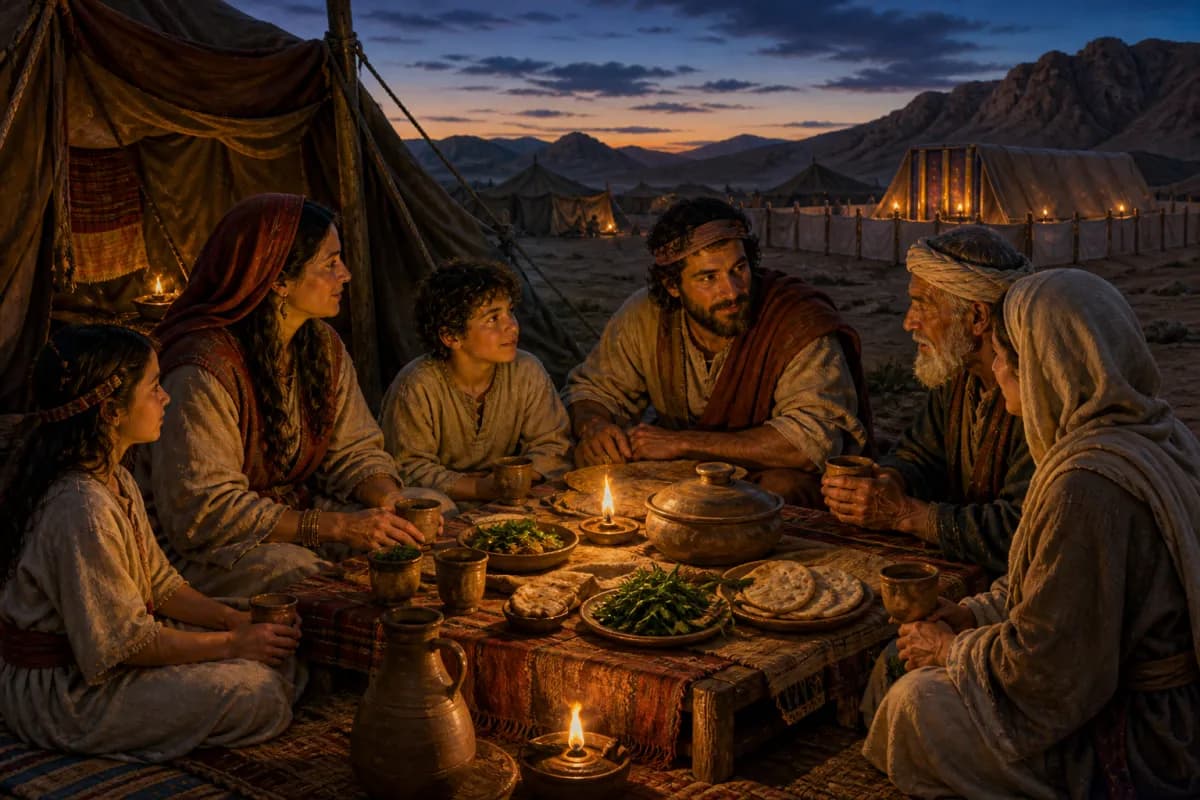
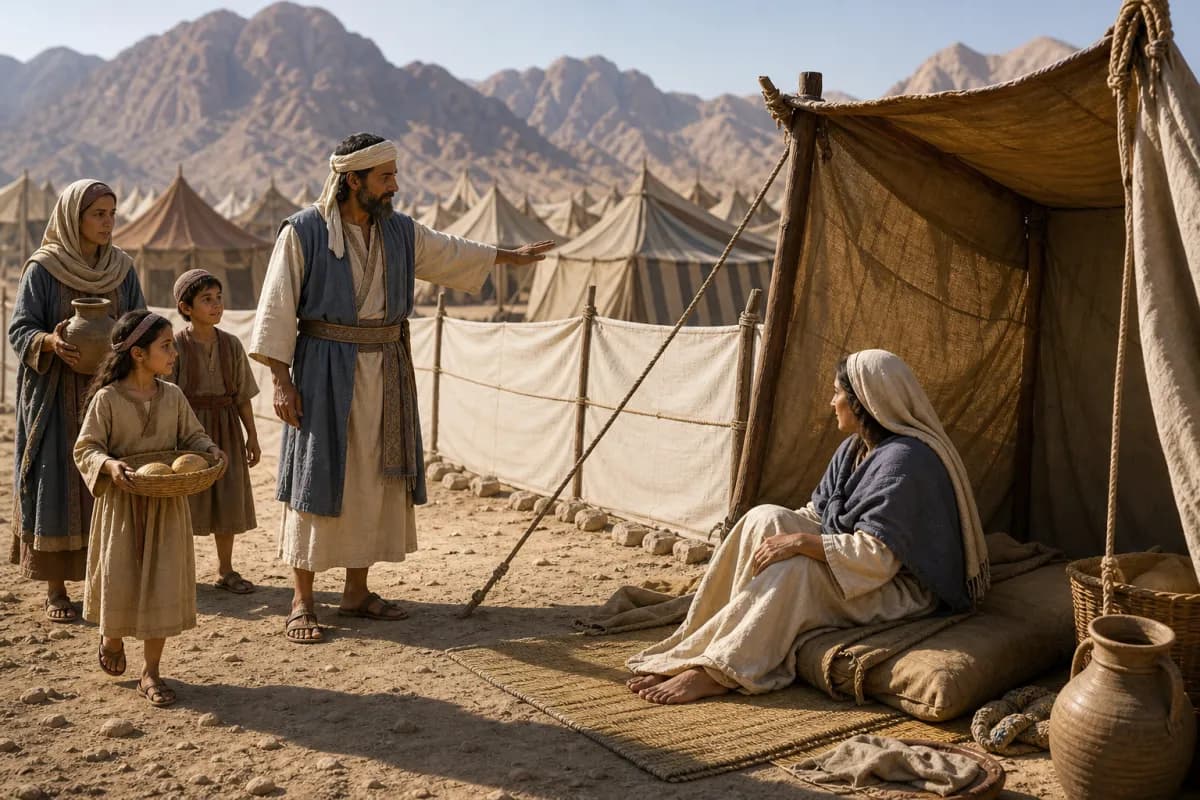
Numbers 5:1–4 commands Israel to send those made unclean by skin disease, bodily discharge, or contact with a corpse outside the camp until they can be restored. The instruction protects the sanctuary because the Lord dwells among the people; it does not pronounce every afflicted person morally guilty. Jesus fulfills the hope behind this boundary by cleansing the unclean, bearing death’s curse, and bringing restored people near to God.
Study this passage →
Numbers 5:5–5:10

230 of 876 · Passage study

Confession and Restitution: Repairing the Wrong Before God

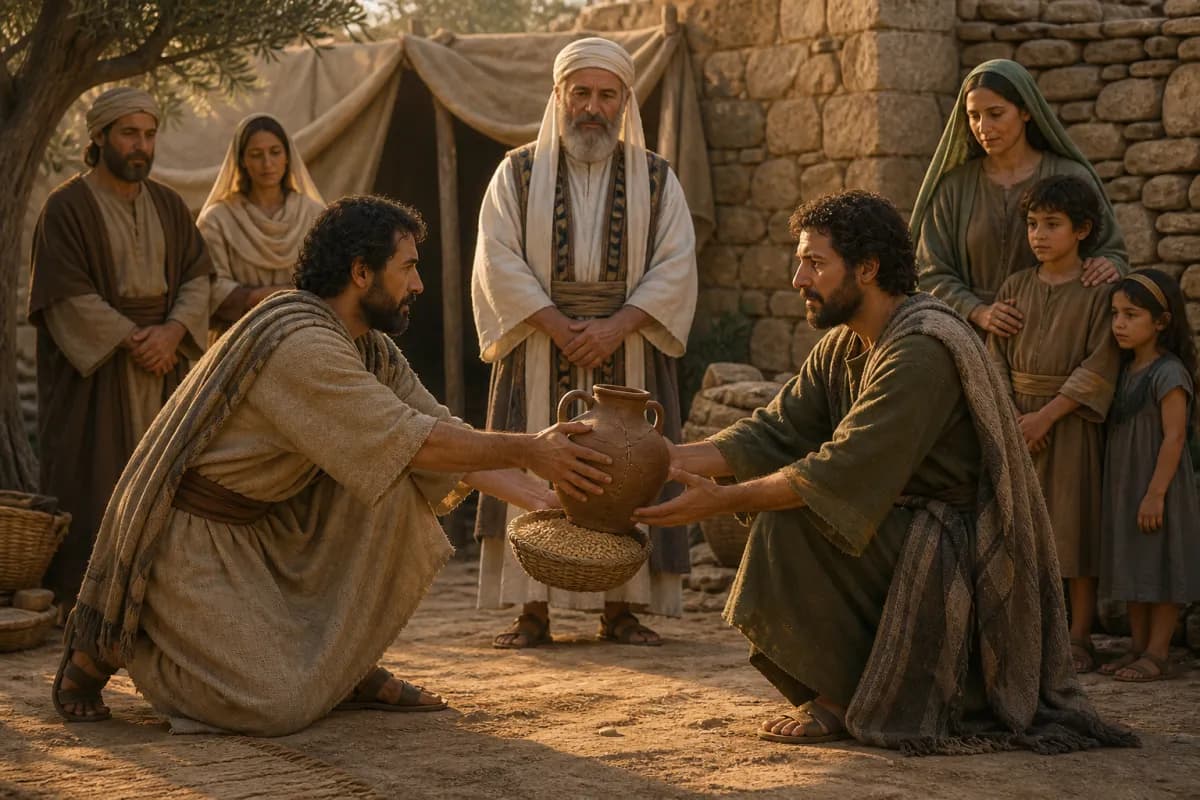
Numbers 5:5–10 requires an Israelite who wrongs another to confess the sin, make full restitution plus an added fifth, and bring a ram of atonement to the priest. The offense is called unfaithfulness against the Lord because harm done to a neighbor violates His covenant. Jesus brings forgiveness that produces truthful confession and a repentance willing to pursue concrete repair.

Study this passage →
Numbers 5:11–5:31

231 of 876 · Passage study

Jealousy, Truth, and the God Who Sees

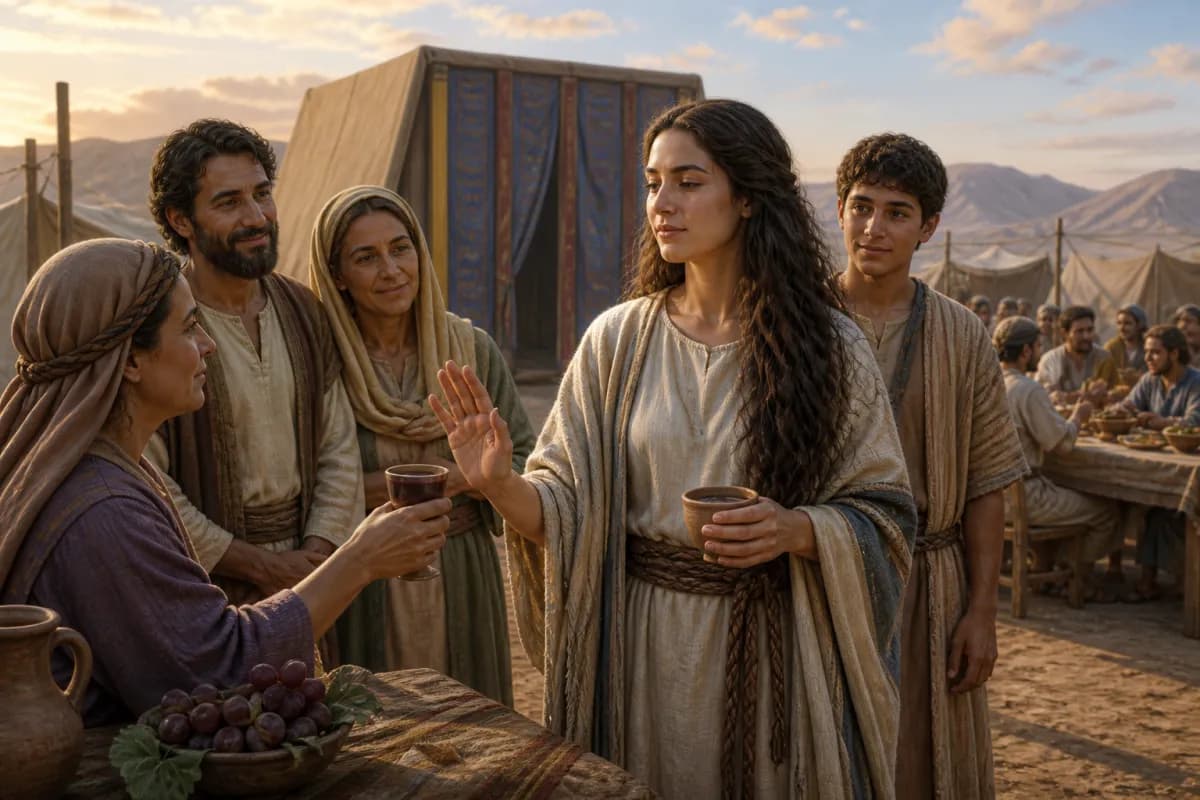
Numbers 5:11–31 addresses a husband’s suspicion of marital unfaithfulness when no witness or proof is available. The difficult ritual brings an unproven accusation before the Lord instead of authorizing private punishment or mob judgment. It reveals the seriousness of covenant faithfulness and points to Jesus, who knows the truth, exposes sin without cruelty, and forms a people marked by faithful love.

Study this passage →
Numbers 6:1–6:21

232 of 876 · Passage study

The Nazirite Vow: A Life Set Apart for the Lord

Numbers 6:1–21 provides a voluntary Nazirite vow in which an Israelite abstains from wine and grape products, leaves hair uncut, and avoids corpse impurity for a defined period of special consecration. The vow makes wholehearted devotion visible but also shows its limits when accidental defilement requires renewed cleansing. Jesus, the Holy One, fulfills the deeper hope for a consecrated life and gives His people cleansing and mission-shaped devotion through His saving grace.

Study this passage →
Numbers 6:22–6:27

233 of 876 · Passage study

The Priestly Blessing: The Lord Turns His Face Toward His People

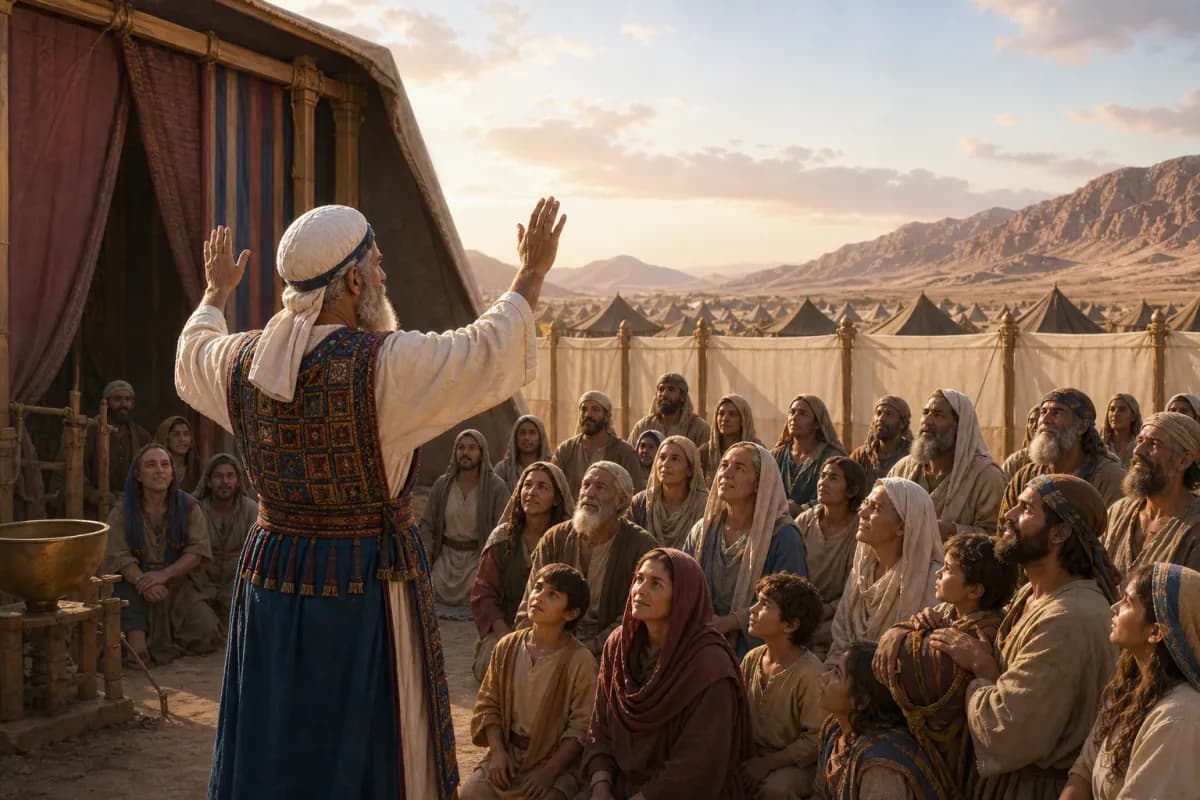
Numbers 6:22–27 gives Aaron and his sons words with which to bless Israel: the Lord keeps them, makes His face shine on them, is gracious to them, lifts His face toward them, and gives them peace. The blessing announces God’s own favor, not priestly optimism. In Jesus, believers receive the grace and peace of the Father through the One who brings us near and sends us in His saving name.

Study this passage →
Numbers 7:1–7:89

234 of 876 · Passage study

Offerings for the Altar: Every Tribe Shares in Worship

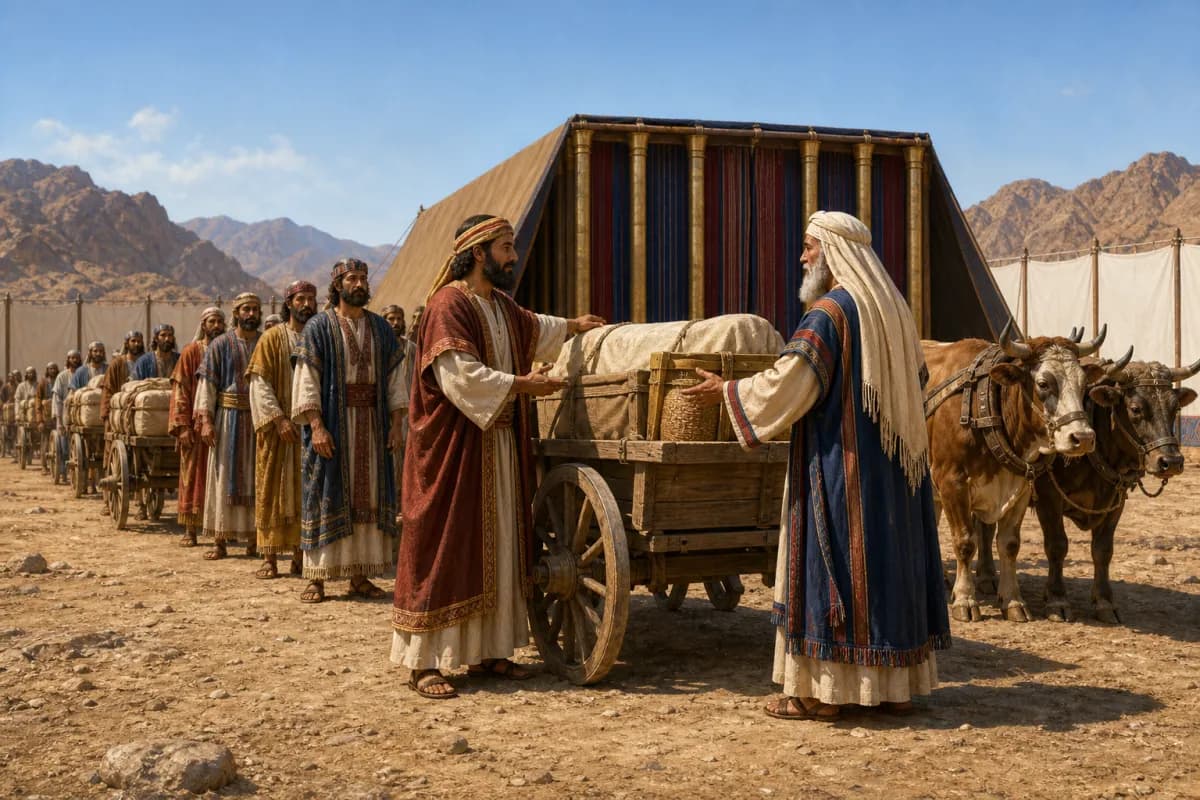
Numbers 7:1–89 records the tribal leaders’ offerings when the altar is dedicated. Each leader brings the same gift on an assigned day, joining Israel’s distinct tribes in one worship centered on God’s dwelling. The repeated record shows that no tribe is overlooked in approaching God. Jesus fulfills the altar’s sacrificial purpose through His once-for-all saving sacrifice and gathers one people to worship the Father.

Study this passage →
Numbers 8:1–8:4

235 of 876 · Passage study

The Lampstand: Light Ordered Before the Lord

Numbers 8:1–4 tells Aaron to set the seven lamps of the lampstand so that they cast light in front of it, and it recalls that the lampstand was made exactly as the Lord showed Moses. This small instruction makes worship’s details matter because God’s presence is holy. Jesus is the light of the world; through His saving mission He brings people out of darkness and forms them to shine as His faithful witnesses.

Study this passage →
Numbers 8:5–8:26

236 of 876 · Passage study

The Levites Set Apart: Cleansed for the Service of God

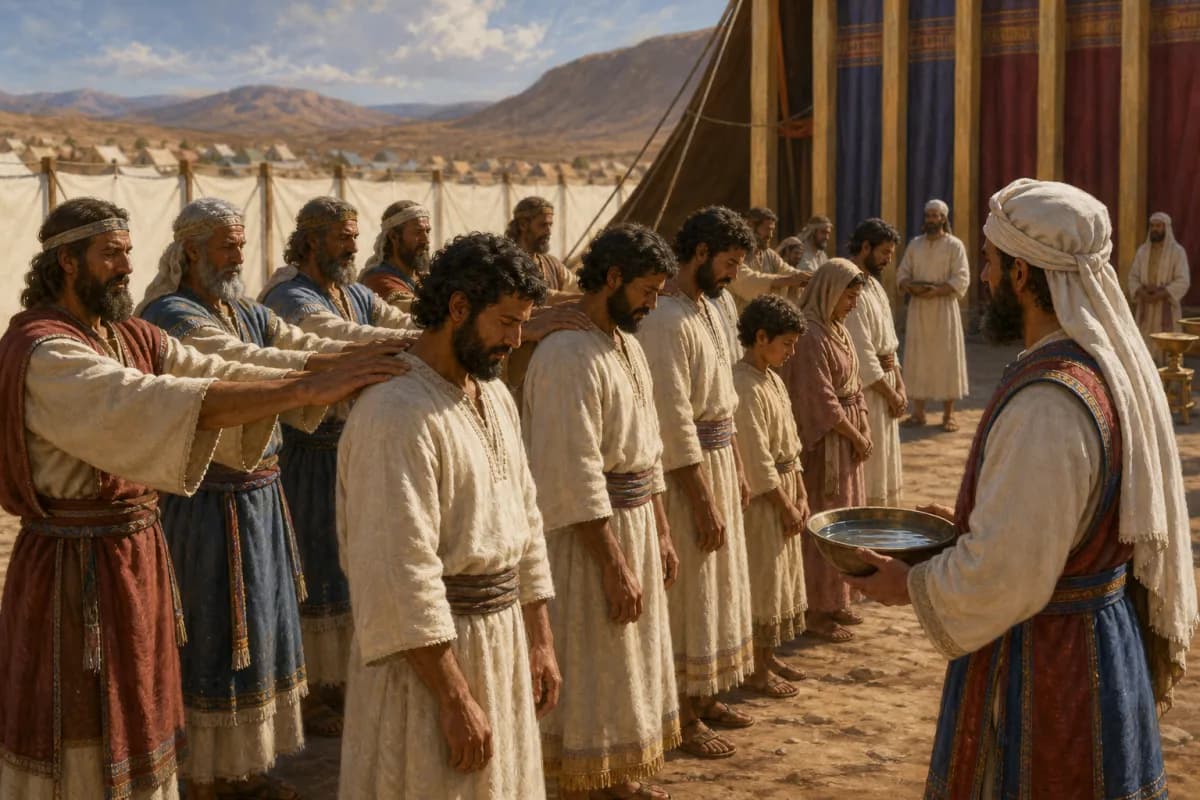
Numbers 8:5–26 cleanses and presents the Levites before the Lord in place of Israel’s firstborn, assigning them to guard and serve the tent of meeting. Their service is received only through God’s cleansing and substitution. Jesus fulfills the deeper reality as the holy firstborn Son who gives Himself for sinners and makes His redeemed people fit to serve in His saving mission.

Study this passage →
Numbers 9:1–9:14

237 of 876 · Passage study

Passover in the Wilderness: Remembering the Rescue That Made a People

Numbers 9:1–14 commands Israel to keep Passover in the wilderness on its appointed date and provides a second observance for those temporarily unclean or away on a journey. The feast keeps the exodus rescue at the center of a people now preparing to travel. Jesus fulfills Passover as the Lamb whose death brings redemption, and His saving mission welcomes all who come to God through Him.

Study this passage →
Numbers 9:15–9:23

238 of 876 · Passage study

The Cloud Over the Tabernacle: Learning to Move at God’s Command

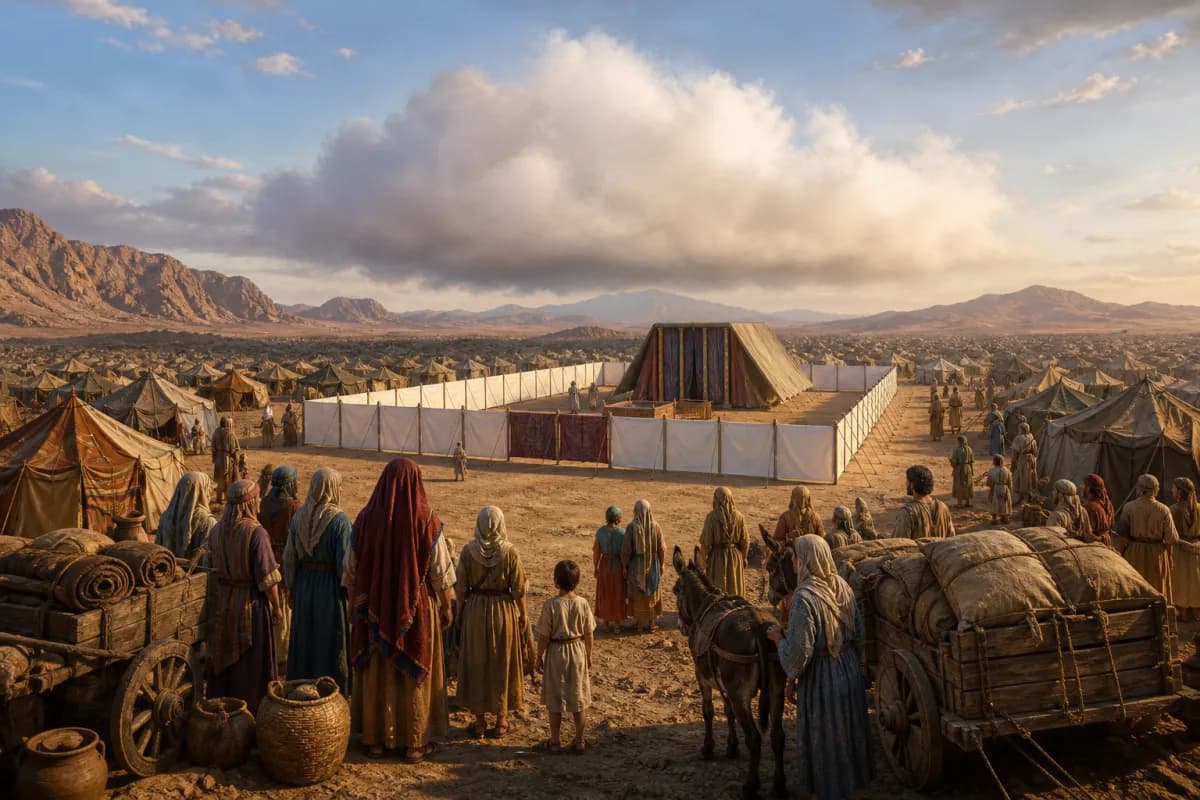
Numbers 9:15–23 shows Israel moving and resting only when the cloud of the Lord’s presence lifts or settles over the tabernacle. The people do not control the route or timetable; their life is ordered around the God who dwells among them. Jesus brings God near to His people and leads His church in faithful pilgrimage toward the promised rest of His kingdom.

Study this passage →
Numbers 10:1–10:10

239 of 876 · Passage study

The Silver Trumpets: A People Gathered and Remembered Before God

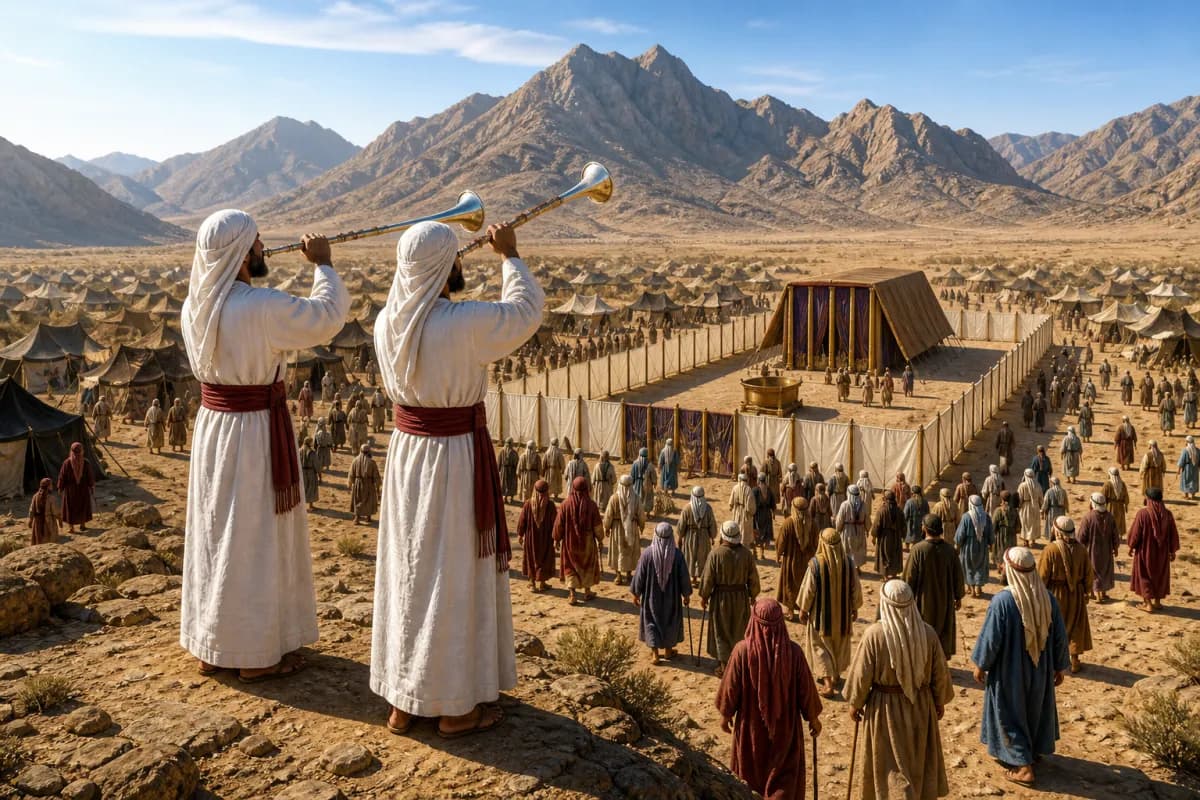
Numbers 10:1–10 appoints two silver trumpets to summon Israel, signal its departures, sound an alarm in war, and mark worshiping festivals. The same God who leads His people also gives ordered ways for them to hear, gather, and remember His help. Jesus gathers a redeemed people through His gospel and sends them to bear clear witness to His saving reign.

Study this passage →
Numbers 10:11–10:28

240 of 876 · Passage study

Israel Sets Out from Sinai: A Redeemed People on the Move

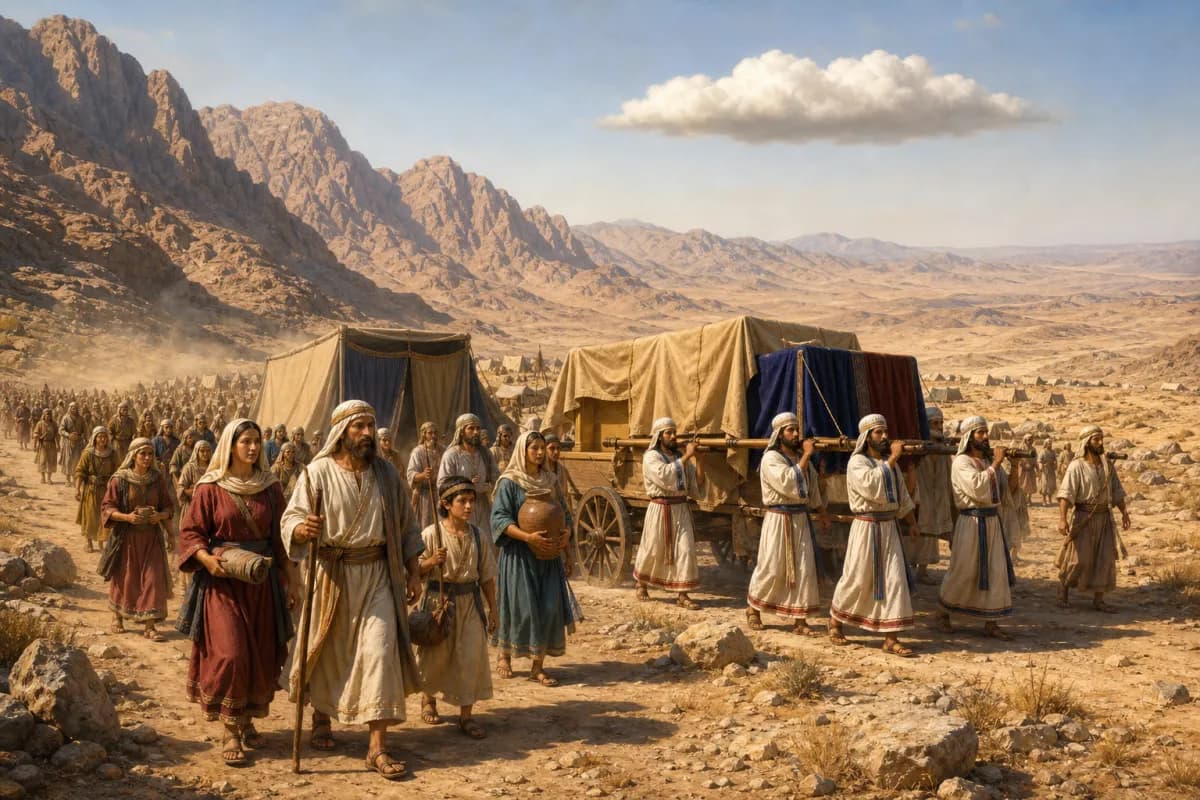
Numbers 10:11–28 records Israel’s first departure from Sinai after nearly a year at the mountain. The cloud lifts, the tribes move in their appointed order, and the tabernacle goes with them. God does not rescue His people merely to leave them standing still; He forms them into a people whose journey is governed by His presence, promise, and ordered service. Jesus leads His redeemed people as pilgrims toward God’s promised kingdom.

Study this passage →
Keep scrolling for the next passage.