Truth-Scrolling

Psalms 124:1–124:8

577 of 876 · Passage study

Psalm 124: Our Help Is in the Name of the Lord

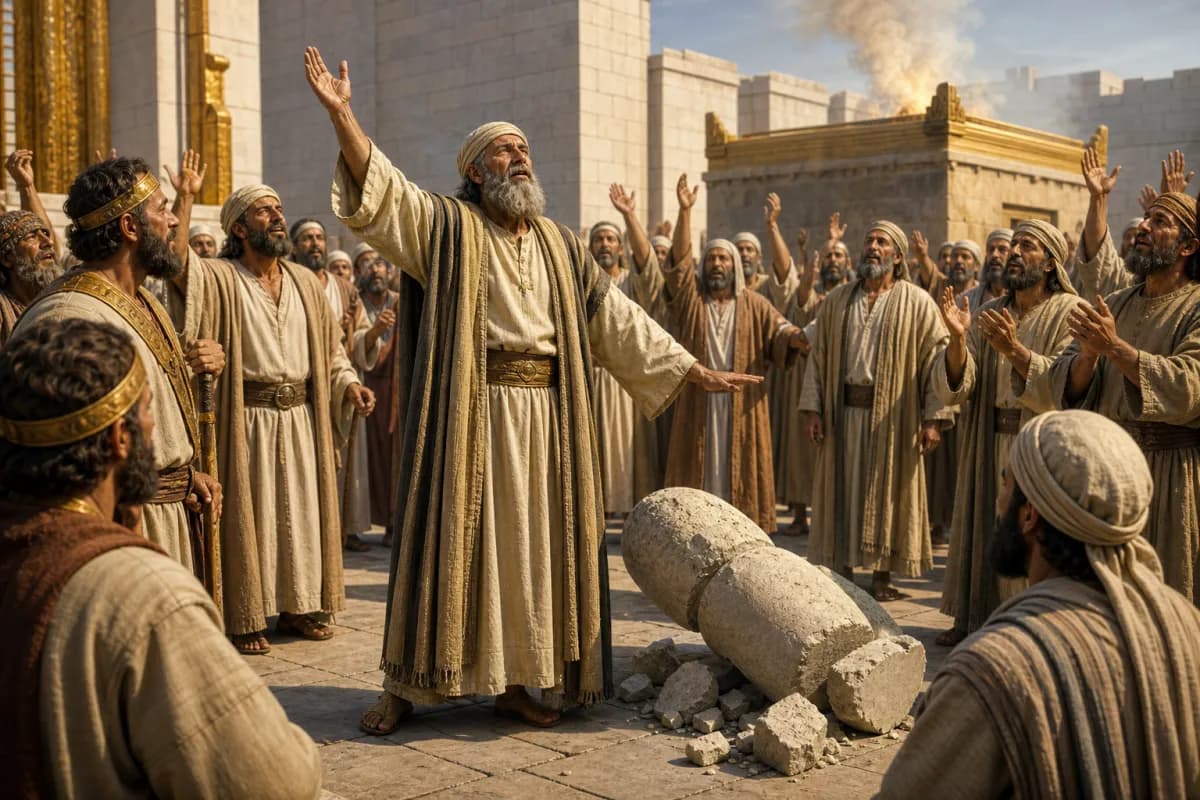
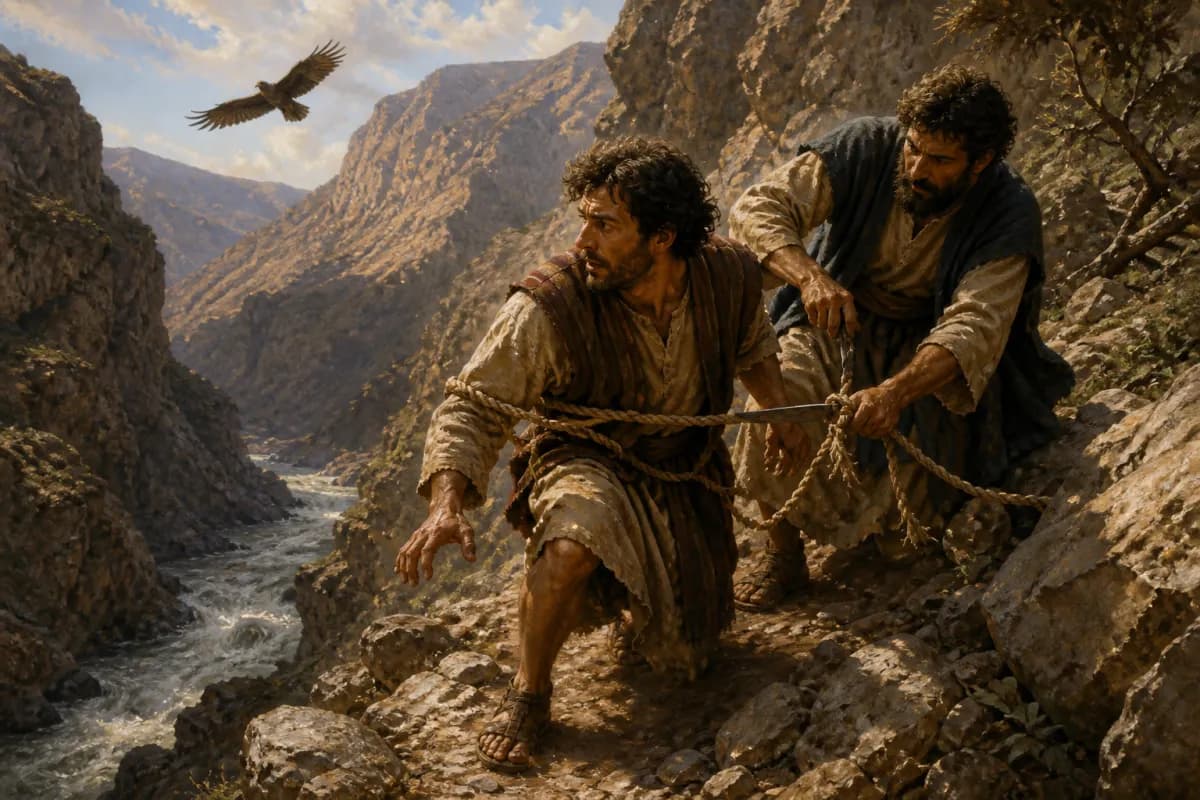
Psalm 124 leads Israel to confess that survival came from the Lord alone. Enemies were like floodwaters and a wild animal ready to swallow them, yet God did not hand them over. Their escape becomes praise: their help is in the name of the Lord, Maker of heaven and earth. Jesus secures an even deeper deliverance from sin and death for those who trust Him.
Study this passage →
Psalms 125:1–125:5

578 of 876 · Passage study

Psalm 125: The Lord Surrounds Those Who Trust Him

Psalm 125 compares those who trust the Lord to Mount Zion, secure and enduring because the Lord surrounds His people as mountains surround Jerusalem. The psalm asks that the righteous not be left under wicked rule until they turn to evil, then closes with a prayer for God’s goodness and peace. Jesus gives this hope its lasting form by bringing sinners under His reign and keeping His people in faithful grace.

Study this passage →
Psalms 126:1–126:6

579 of 876 · Passage study

Psalm 126: Restored Joy and Tears Sown in Hope

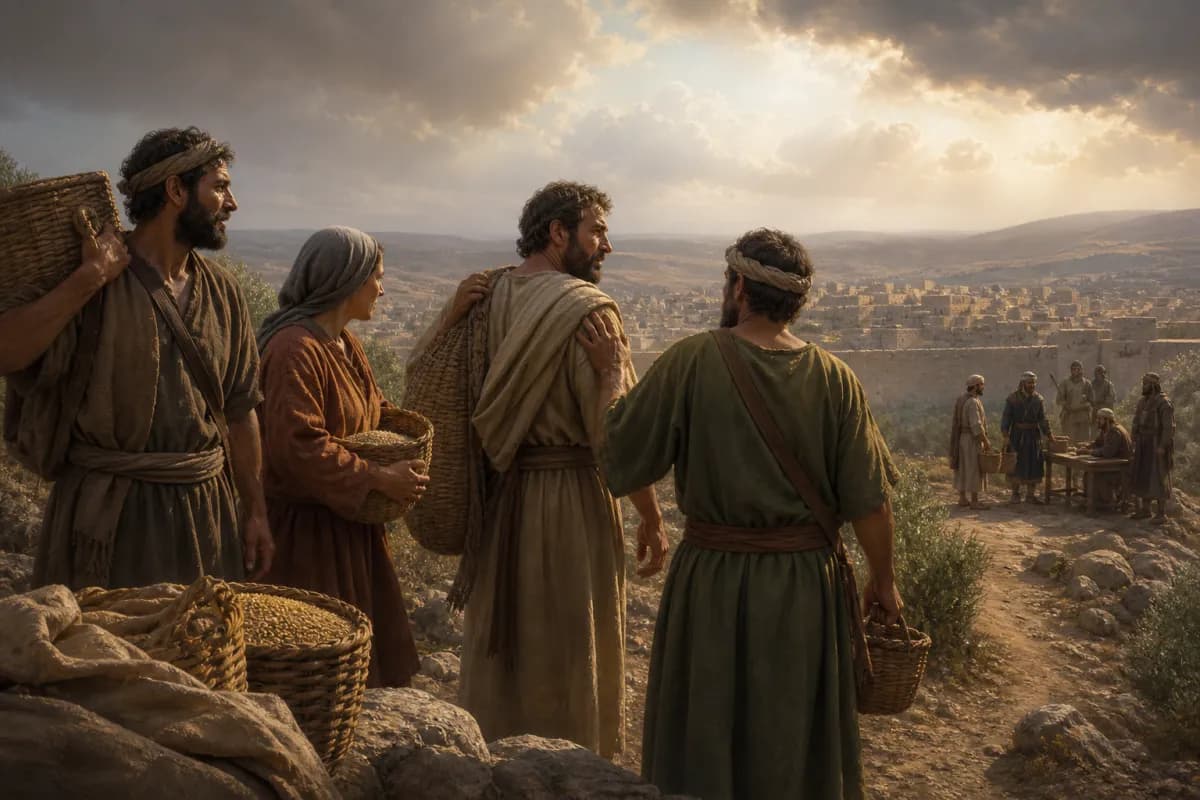
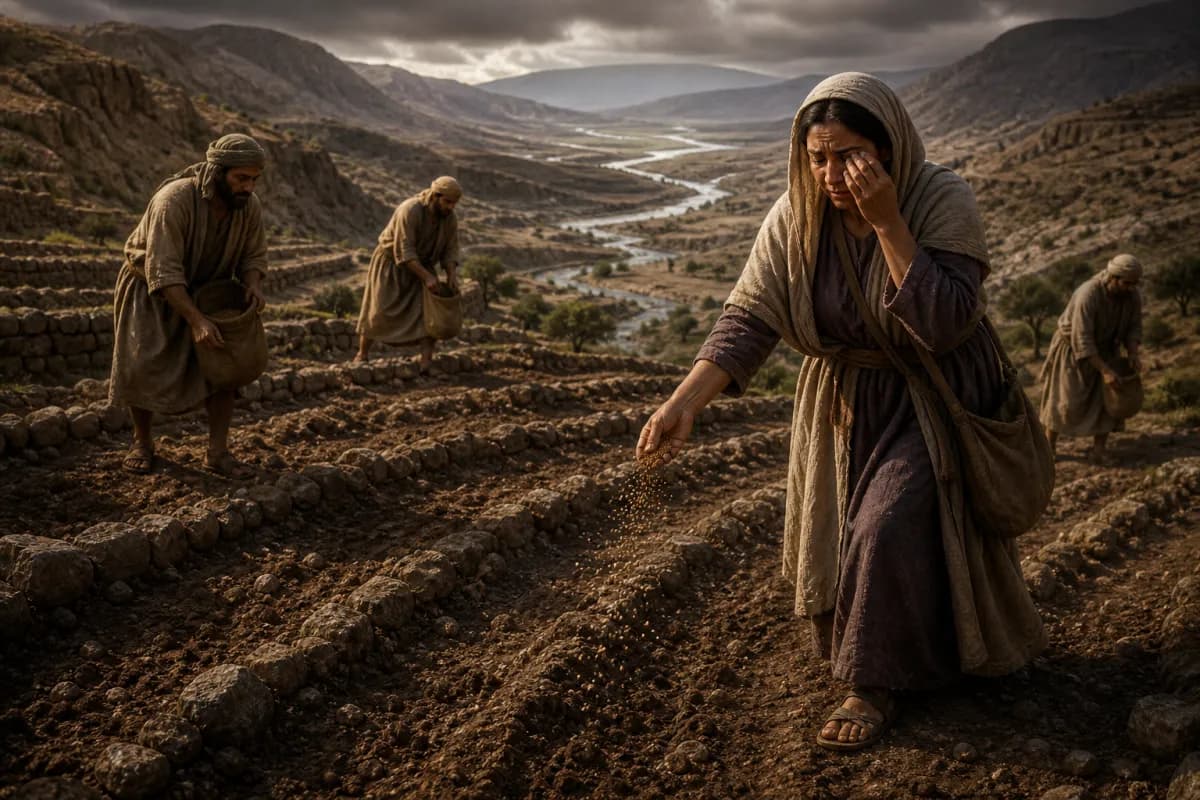
Psalm 126 remembers a restoration so astonishing that Zion’s people felt as though they were dreaming and the nations recognized the Lord’s greatness. Yet the song also asks God to restore them again and speaks of tears carried into sowing. Their hope rests in the Lord who turns grief toward harvest. Jesus secures the deepest restoration through His resurrection and promises that sorrow will not have the final word.

Study this passage →
Psalms 127:1–127:5

580 of 876 · Passage study

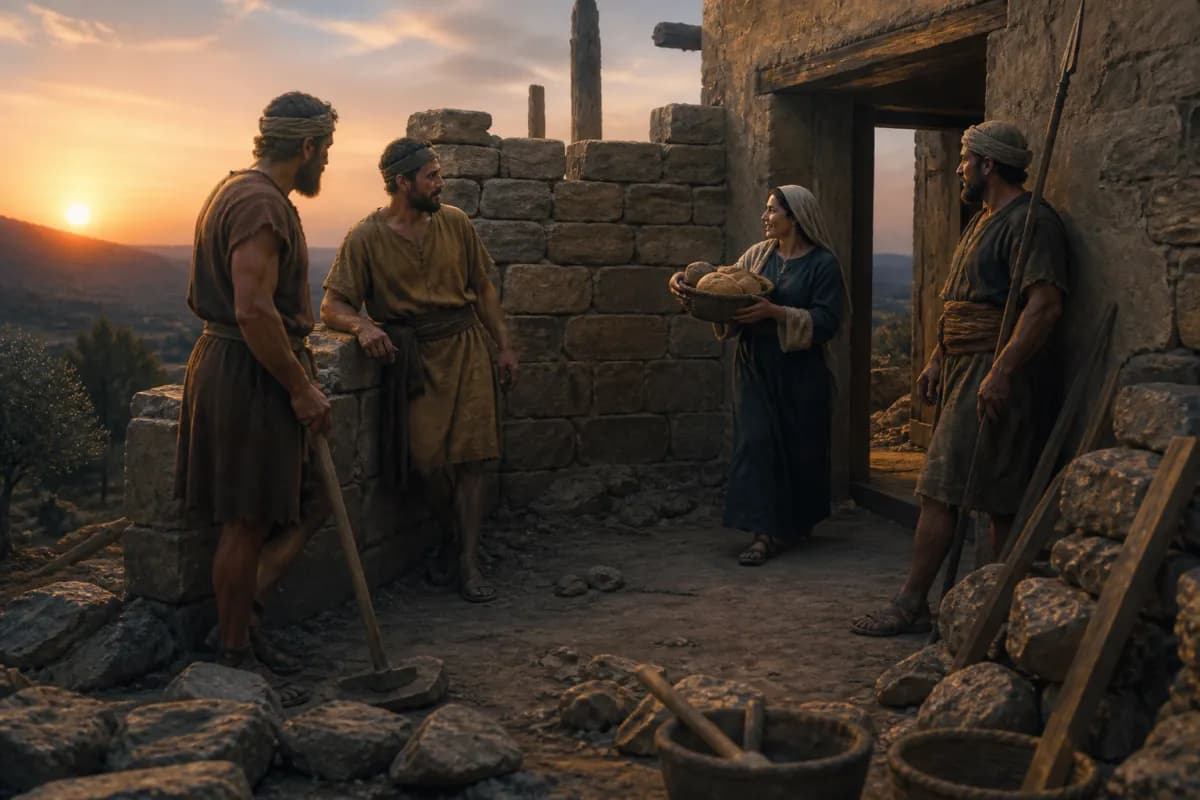
Psalm 127: The Lord Builds the House and Gives the Gift

Psalm 127 exposes anxious self-reliance: builders labor in vain without the Lord, watchmen stay awake in vain without His keeping, and anxious toil cannot produce the rest He gives His beloved. The psalm then calls children a gift from the Lord and compares them to arrows in a warrior’s hand. Jesus teaches His people to receive work, rest, and household life under the Father’s care rather than as projects they must secure alone.

Study this passage →
Psalms 128:1–128:6

581 of 876 · Passage study

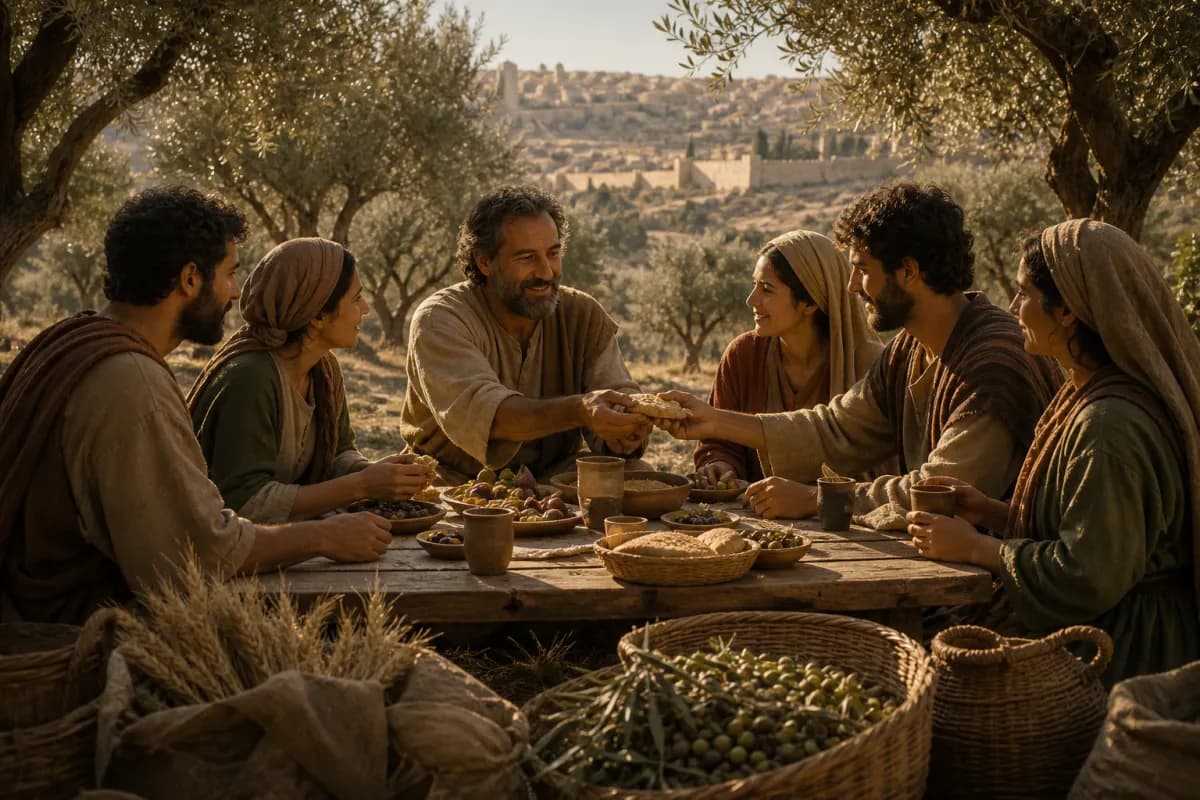
Psalm 128: The Fear of the Lord at the Family Table

Psalm 128 calls the person who fears the Lord blessed and traces that blessing through honest labor, a fruitful household, children around the table, Zion’s good, and the hope of seeing grandchildren. Its picture is not a formula that guarantees every family outcome; it names the ordinary goodness that flows from reverent life under God. Jesus brings sinners into God’s household and teaches them to receive every good gift as grace.

Study this passage →
Psalms 129:1–129:8

582 of 876 · Passage study

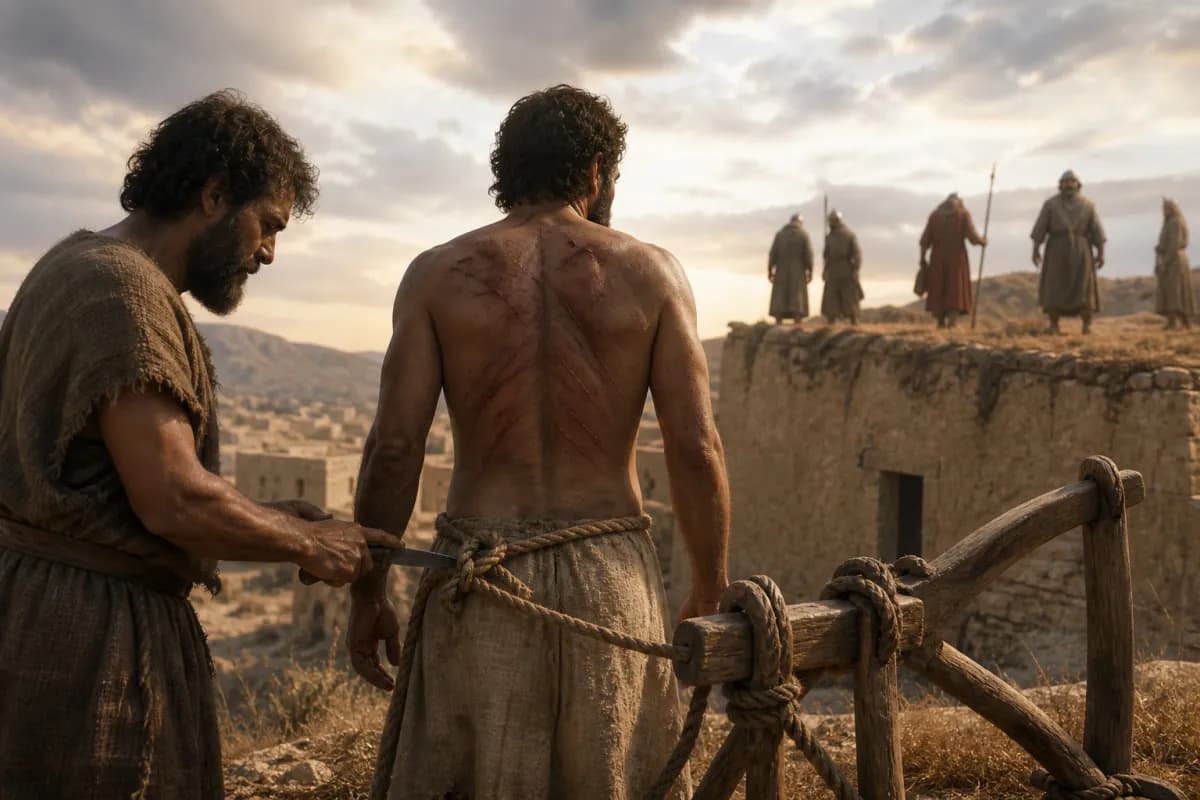
Psalm 129: Afflicted from Youth, Yet Not Finally Defeated

Psalm 129 remembers Israel’s long affliction from its youth and pictures oppression as furrows plowed across a back. Yet the Lord is righteous: He has cut the cords of the wicked, so enemies have not prevailed. The psalm entrusts hostile hatred to God’s justice rather than authorizing private revenge. Jesus bears unjust suffering, breaks sin’s enslaving power, and will finally judge evil with righteousness.

Study this passage →
Psalms 130:1–130:8

583 of 876 · Passage study

From the Depths to Forgiveness and Waiting

Psalm 130 cries to the Lord from the depths, confesses that no sinner could stand if God kept a record of iniquities, and rests in the forgiveness that produces reverent worship. The singer waits for the Lord like a watchman for morning and calls Israel to hope in His abundant redemption, fulfilled in Jesus’ atoning death and resurrection.

Study this passage →
Psalms 131:1–131:3

584 of 876 · Passage study

Psalm 131: A Quieted Soul Before the Lord

Psalm 131 is David’s brief confession of humility. He refuses proud eyes and matters too great for him, then compares his quieted soul to a weaned child resting with its mother. The psalm ends by calling Israel to hope in the Lord now and forever. Jesus, who humbled Himself in obedience to the Father, receives anxious and self-exalting people into the rest of trusting Him.

Study this passage →
Psalms 132:1–132:18

585 of 876 · Passage study

Psalm 132: David’s Vow, Zion’s Rest, and the Coming King

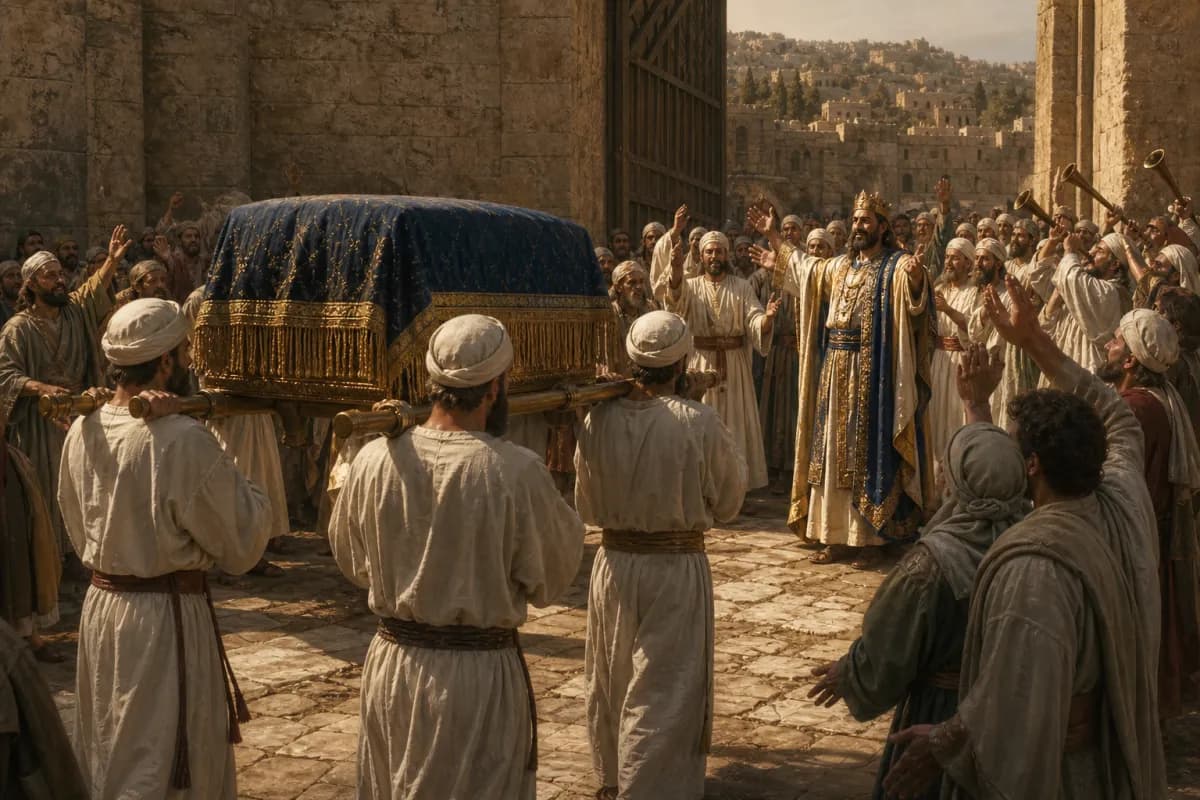
Psalm 132 remembers David’s zeal to find a dwelling place for the ark, celebrates the ark’s arrival in Zion, and appeals to God’s sworn promise to set a son of David on the throne. The Lord answers by choosing Zion as His resting place and pledging provision, priestly joy, and a lamp for David’s anointed. Jesus is the promised Davidic King whose saving reign brings God’s dwelling and enduring hope to His people.

Study this passage →
Psalms 133:1–133:3

586 of 876 · Passage study

Psalm 133: Unity Descending as God’s Life-Giving Gift

Psalm 133 calls the unity of kindred people good and pleasant, comparing it to abundant oil running from Aaron’s head onto his priestly garments and to Hermon’s dew falling on Zion’s mountains. The images show unity as a rich gift that consecrates and gives life, not a unity manufactured by denial. Jesus creates one reconciled people through His cross and calls them to display the life of His kingdom in love.

Study this passage →
Psalms 134:1–134:3

587 of 876 · Passage study

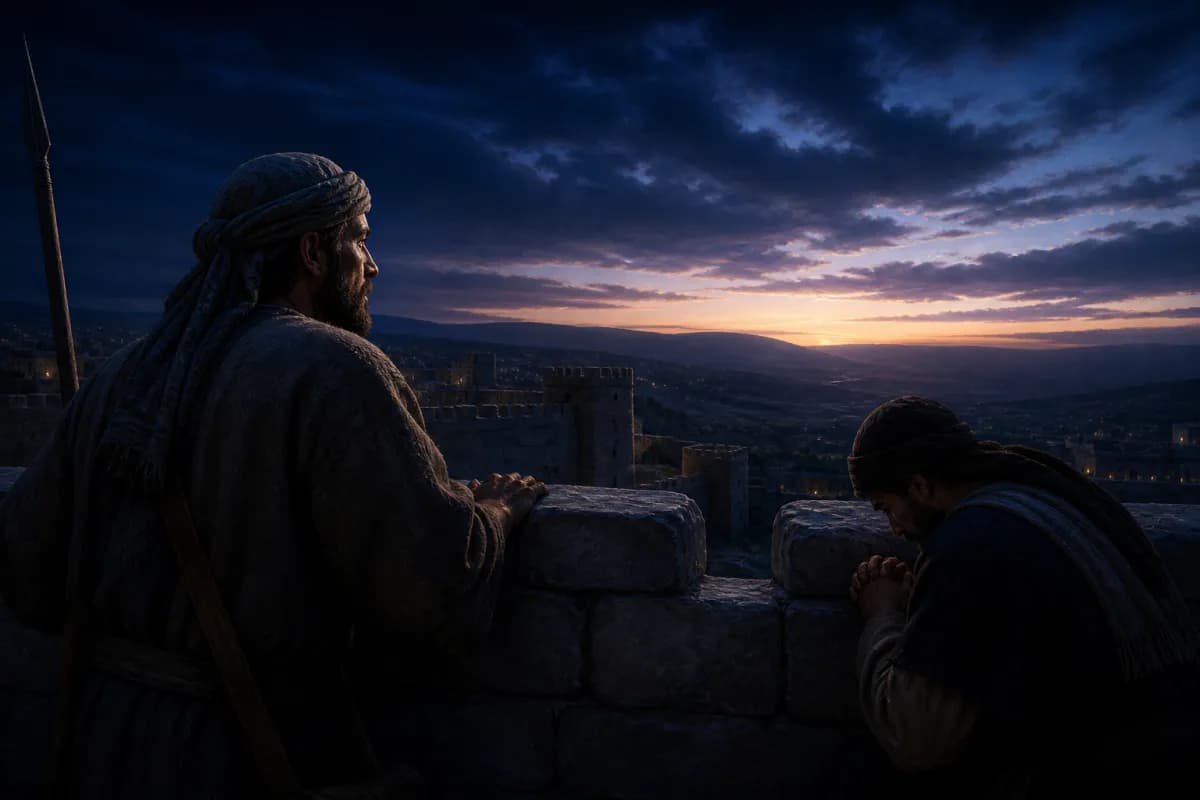
Psalm 134: Blessing the Lord in the Night

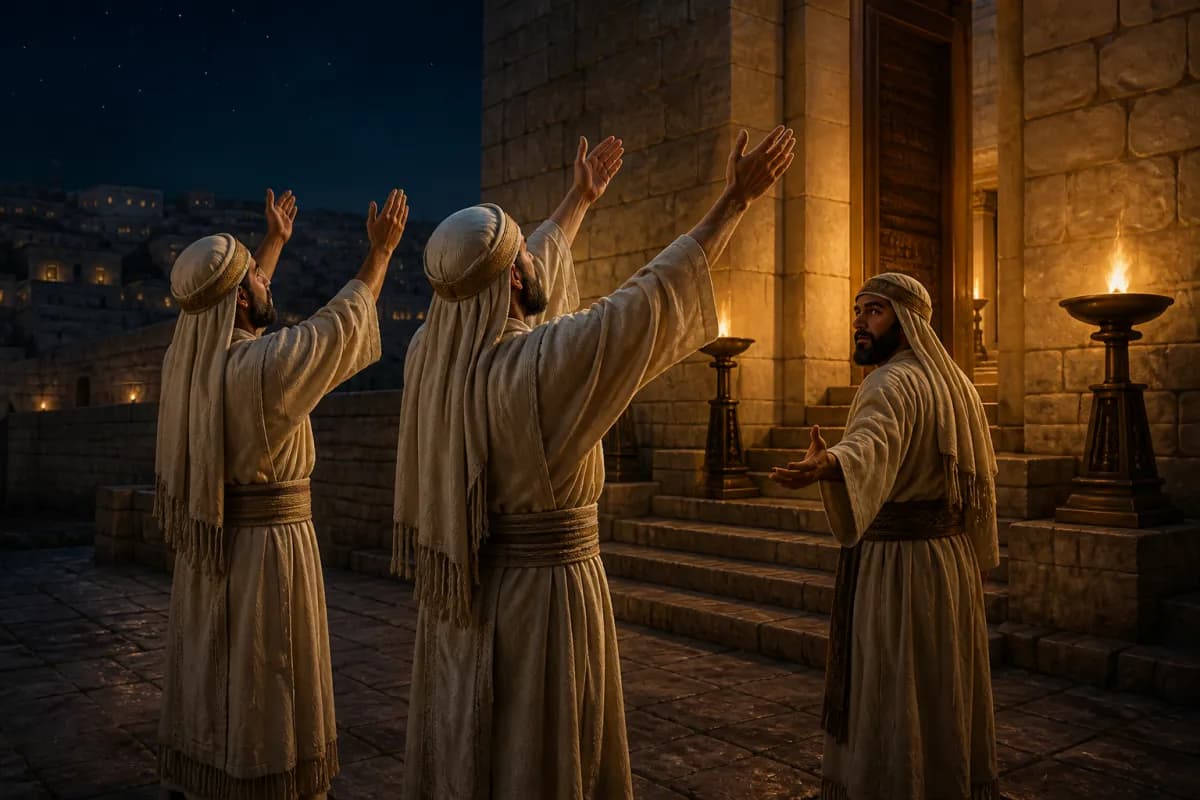
Psalm 134 closes the Songs of Ascents by calling the Lord’s servants to bless Him through the night in His house. A second voice blesses the worshipers from Zion in the name of the Creator. The brief exchange shows that worship begins with God’s people blessing Him and ends with His life-giving blessing resting on them. Jesus brings His people into that lasting worship through His priestly saving work.

Study this passage →
Psalms 135:1–135:21

588 of 876 · Passage study

Psalm 135: Praise the Lord Who Chose and Acts

Psalm 135 calls the servants in the Lord’s house to praise Him because He chose Jacob as His treasured possession and rules above every supposed god. It remembers His freedom in creation, His judgments in Egypt, His gift of land, and His enduring name, then exposes idols as lifeless works of human hands. Jesus reveals the Lord’s saving reign and gathers people from every nation into the worship the psalm commands.

Study this passage →
Keep scrolling for the next passage.