Truth-Scrolling

Psalms 136:1–136:26

589 of 876 · Passage study

Psalm 136: His Steadfast Love Endures Forever

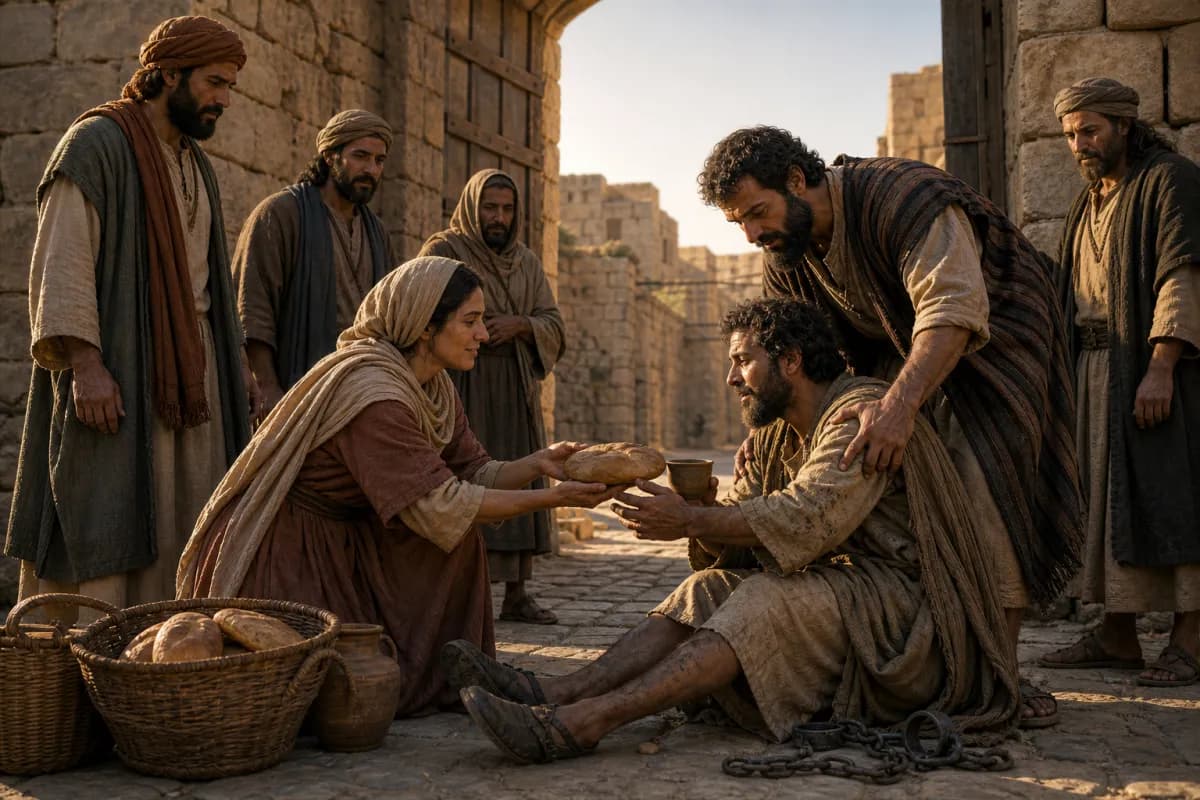
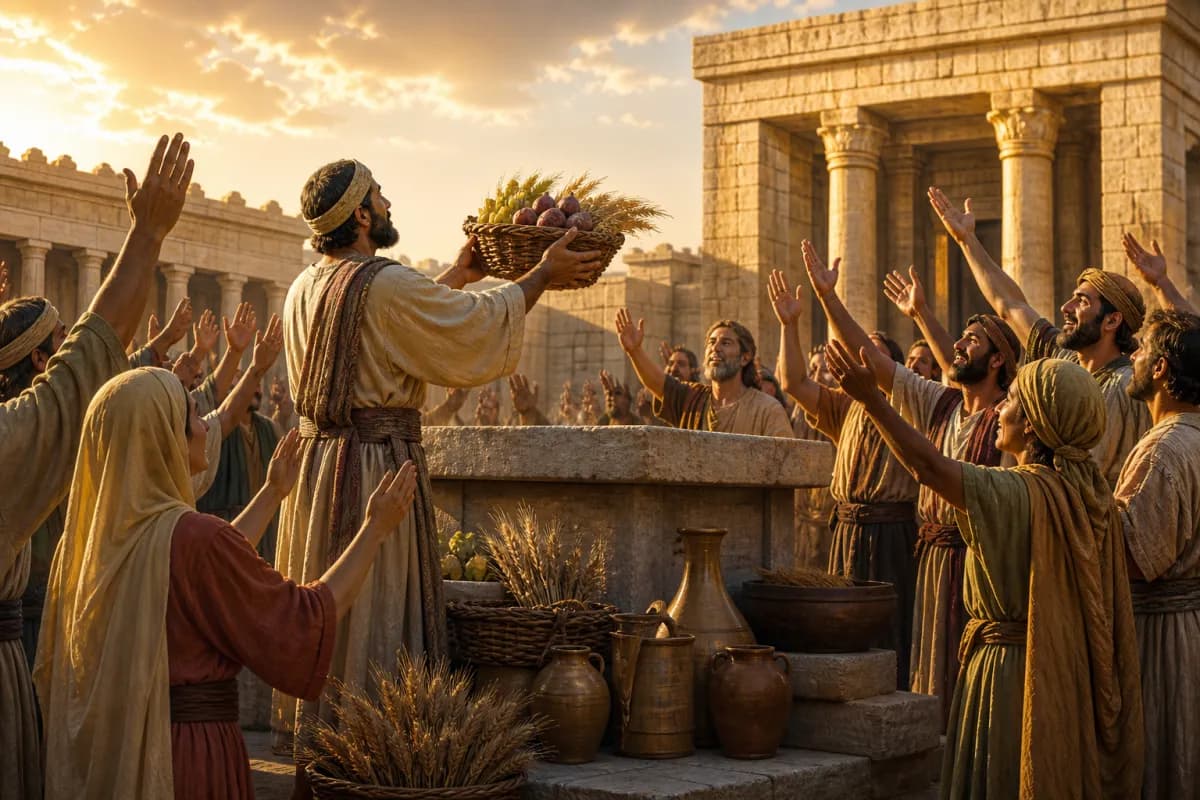
Psalm 136 gives Israel’s whole history a repeated refrain: the Lord’s steadfast love endures forever. The congregation thanks the God above all gods for creation, the exodus, wilderness guidance, victory over hostile kings, land, food, and remembered lowliness. Jesus brings this covenant love to its fullest saving expression by giving Himself for sinners and rising to secure their lasting hope.

Study this passage →
Psalms 137:1–137:9

590 of 876 · Passage study

Psalm 137: Remembering Zion in Exile

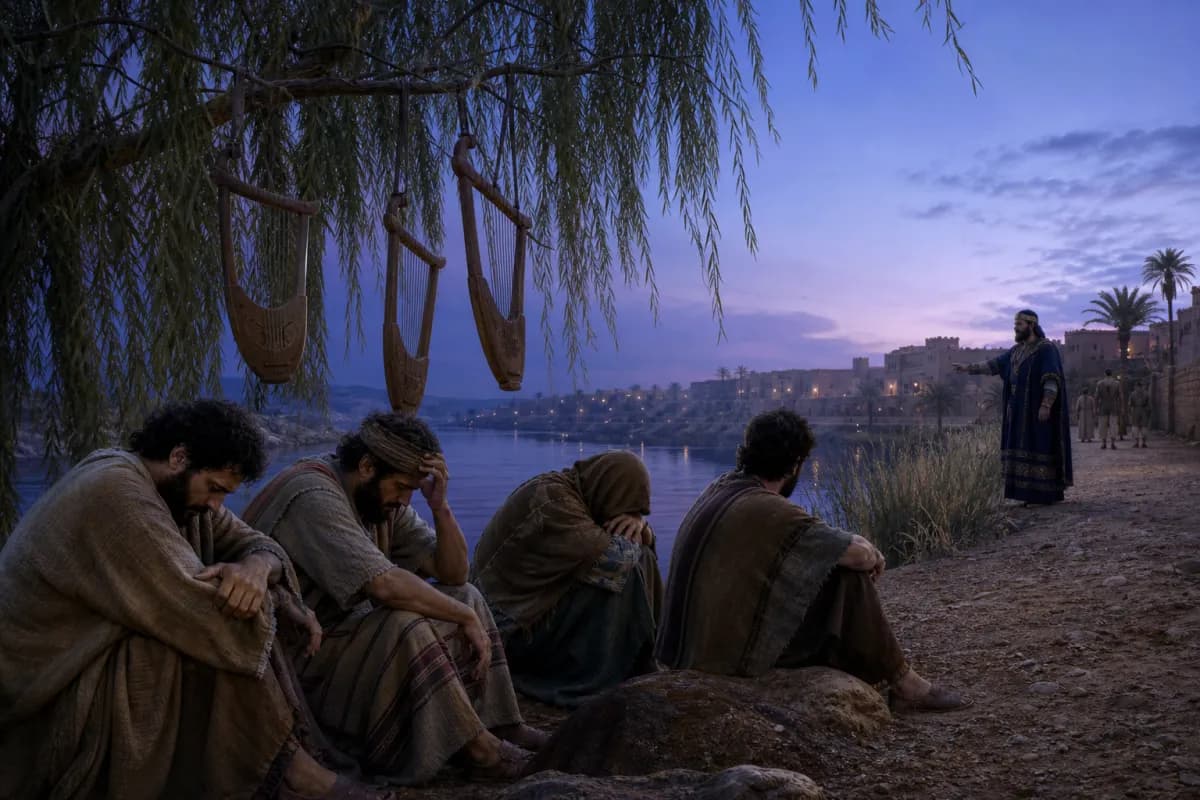
Psalm 137 gives voice to exiles who weep by Babylon’s rivers, refuse to entertain their captors with Zion’s songs, and bind themselves to remember Jerusalem. Its final cry for judgment against Edom and Babylon is raw grief before God, not a model for personal revenge. Jesus bears violence without returning it, judges evil righteously, and secures a new Jerusalem where God’s displaced people will finally dwell in peace.

Study this passage →
Psalms 138:1–138:8

591 of 876 · Passage study

Psalm 138: Thanks for God’s Steadfast Love and Faithfulness

Psalm 138 is David’s public thanksgiving because the Lord answered him and strengthened him inwardly. He praises God before the gods, expects kings to hear the Lord’s words, and trusts that the high God attends to the lowly while opposing the proud. Jesus fulfills this hope as the humble King whose saving mission reaches the nations and whose steadfast love will not abandon the work of His hands.

Study this passage →
Psalms 139:1–139:24

592 of 876 · Passage study

Known Completely and Led in the Everlasting Way

Psalm 139 marvels that the Lord searches and knows the psalmist in every movement, place, and hidden beginning. God’s knowledge is inescapable, His presence reaches even darkness and Sheol, and His creative care formed the psalmist in the womb. The prayer ends by asking God to expose any grievous way and lead in the everlasting way, a need answered in Christ’s searching grace.

Study this passage →
Psalms 140:1–140:13

593 of 876 · Passage study

Psalm 140: The Lord Hears the Cause of the Afflicted

Psalm 140 asks the Lord to rescue David from violent people whose hearts plan evil and whose tongues wound like a serpent’s. David refuses to let their schemes prevail, entrusts their judgment to God, and ends with confidence that the Lord upholds the afflicted and needy. Jesus bears violent hostility without surrendering to it and will finally establish justice for all who trust Him.

Study this passage →
Psalms 141:1–141:10

594 of 876 · Passage study

Psalm 141: A Guarded Mouth and an Uplifted Prayer

Psalm 141 asks the Lord to receive David’s urgent prayer like incense and an evening offering, while setting a guard over his mouth and keeping his heart from evil company. Even in danger, David asks for righteous correction rather than the pleasures of wrongdoing. Jesus offers the perfect prayerful obedience David seeks and cleanses His people for truthful worship.

Study this passage →
Psalms 142:1–142:7

595 of 876 · Passage study

Psalm 142: Refuge When No One Takes Notice

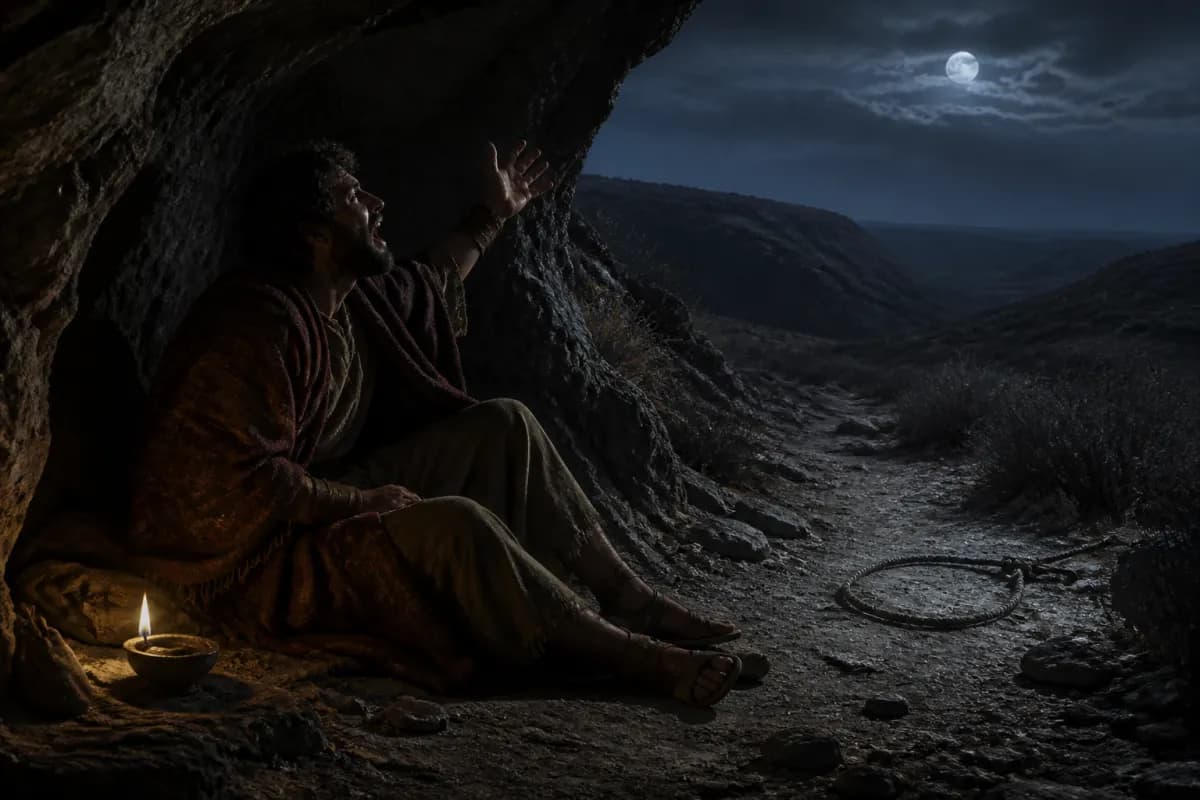
Psalm 142 records David’s loud cry from a place where no human refuge remains. He pours out his complaint, sees a trap in his path, and finds no one at his right hand who will acknowledge him. Calling the Lord his refuge and portion, he asks to be brought out of confinement so the righteous can gather in thanksgiving. Jesus enters abandonment and brings the forsaken into God’s family.

Study this passage →
Psalms 143:1–143:12

596 of 876 · Passage study

Psalm 143: Mercy for the Guilty and a Path for the Overwhelmed

Psalm 143 asks the faithful God to hear David’s plea without entering judgment with him, because no living person can stand righteous before God. Pressed down by an enemy and faint in spirit, David remembers God’s works, reaches out like dry land for water, and asks for morning mercy, guidance, deliverance, and life. Jesus bears judgment for sinners and leads His people by His Spirit into life.

Study this passage →
Psalms 144:1–144:15

597 of 876 · Passage study

Psalm 144: The King’s Deliverance and a People Blessed by the Lord

Psalm 144 blesses the Lord as David’s rock, love, fortress, and deliverer, even as David marvels that God notices frail humanity. He asks for rescue from lying foreign enemies, promises a new song, and prays for a secure, fruitful people with no breach, exile, or cry in the streets. Jesus is David’s greater King, whose saving victory gathers a people into God’s lasting blessing.

Study this passage →
Psalms 145:1–145:21

598 of 876 · Passage study

The Great King Whose Kingdom Endures

Psalm 145 is David’s alphabetic praise of the Lord’s unsearchable greatness, mighty acts, compassion, provision, righteousness, and everlasting kingdom. One generation tells another what God has done because His reign does not pass away. Jesus announces and embodies this kingdom, and through His saving mission He gathers worshipers who call on the Lord in truth.

Study this passage →
Psalms 146:1–146:10

599 of 876 · Passage study

Psalm 146: The God of Jacob Is Help for the Helpless

Psalm 146 begins and ends with praise while warning against trust in princes whose plans perish with their breath. The psalm names the God of Jacob as faithful Creator, defender of the oppressed, provider for the hungry, liberator of prisoners, healer of the bowed down, guardian of strangers, and judge of the wicked. Jesus brings this kingly mercy to its saving fulfillment and reigns forever.

Study this passage →
Psalms 147:1–147:20

600 of 876 · Passage study

Psalm 147: The God Who Numbers Stars Heals Broken Hearts

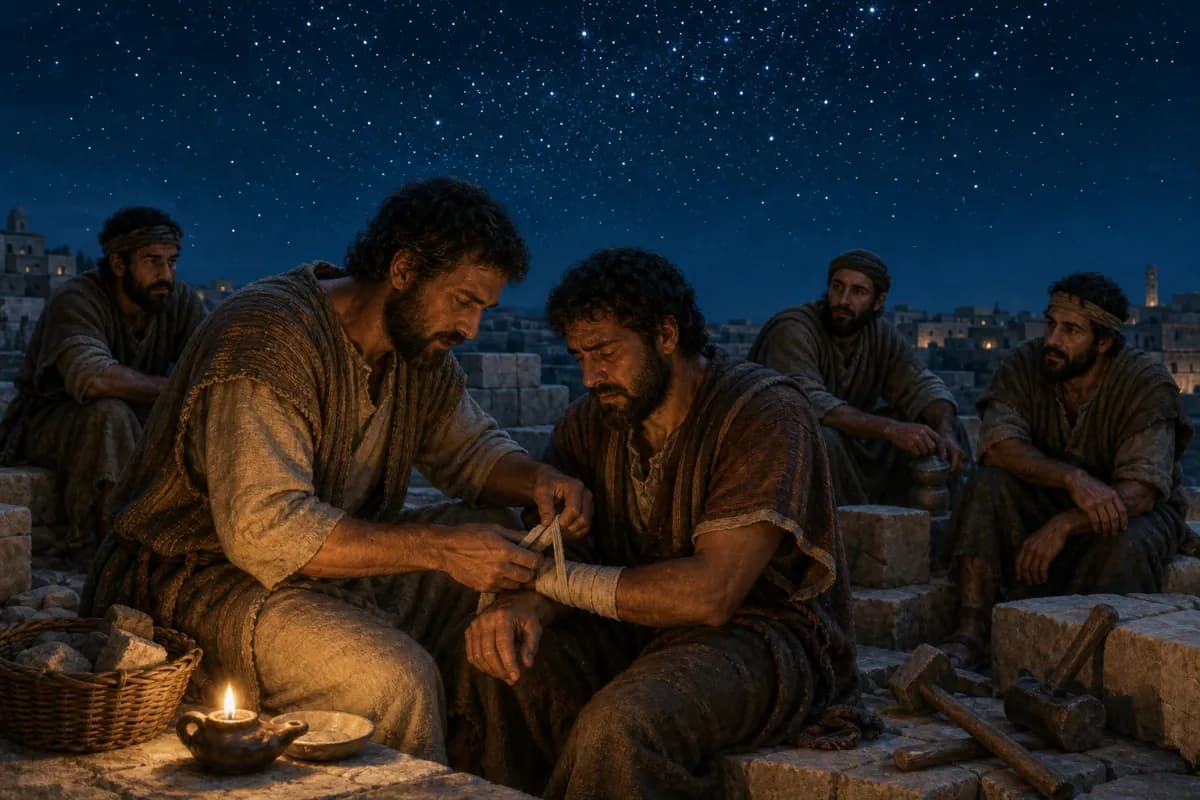
Psalm 147 calls Jerusalem to praise the Lord who rebuilds the city, gathers the outcasts, heals broken hearts, and binds their wounds. His knowledge reaches to every star, yet He delights not in military strength but in those who fear Him and hope in His steadfast love. The God who gives snow, wind, and rain also gives His word to Jacob; in Jesus, that healing and reconciling word comes near.

Study this passage →
Keep scrolling for the next passage.