Truth-Scrolling

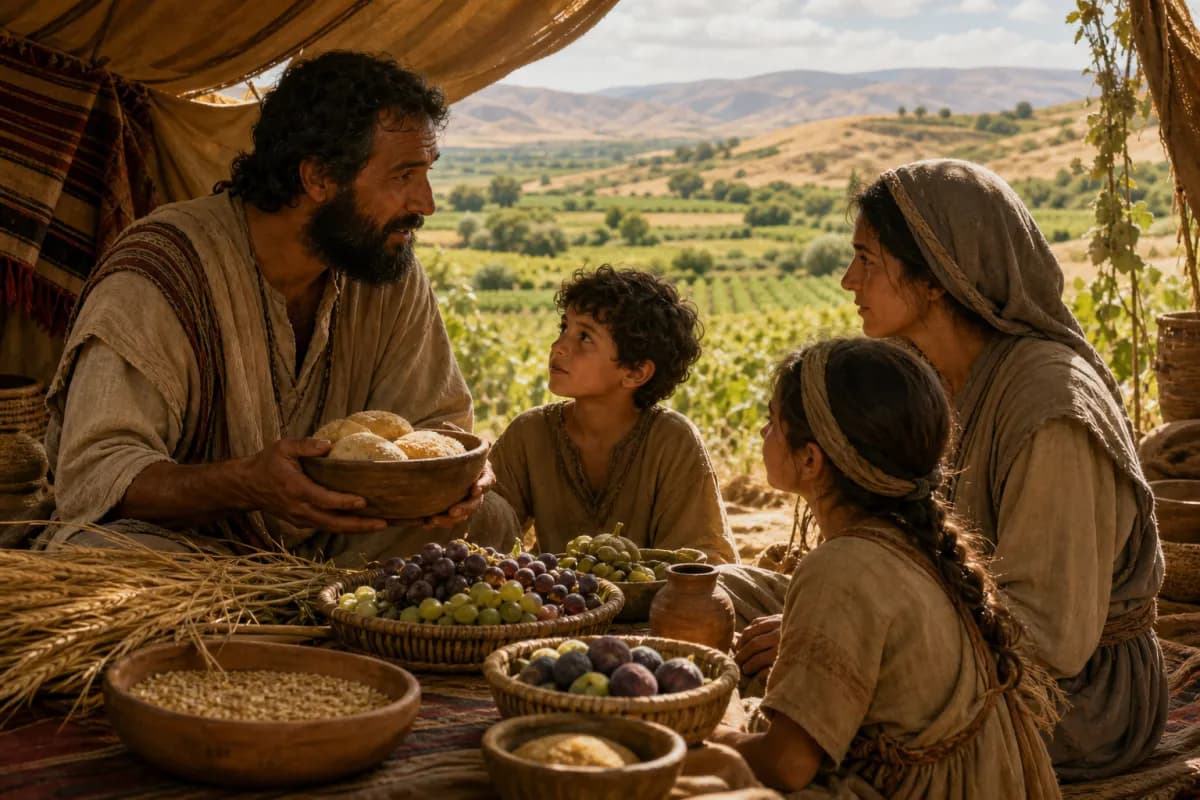
Numbers 34:1–34:29

289 of 876 · Passage study

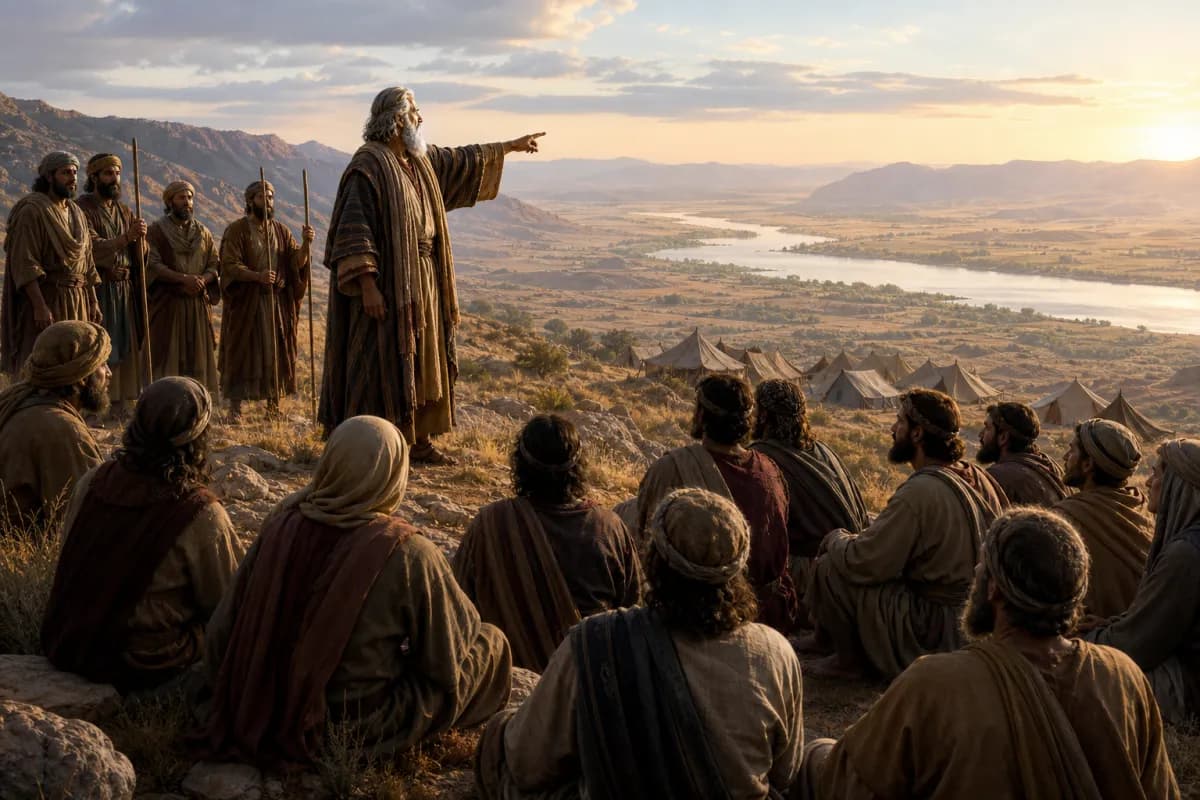
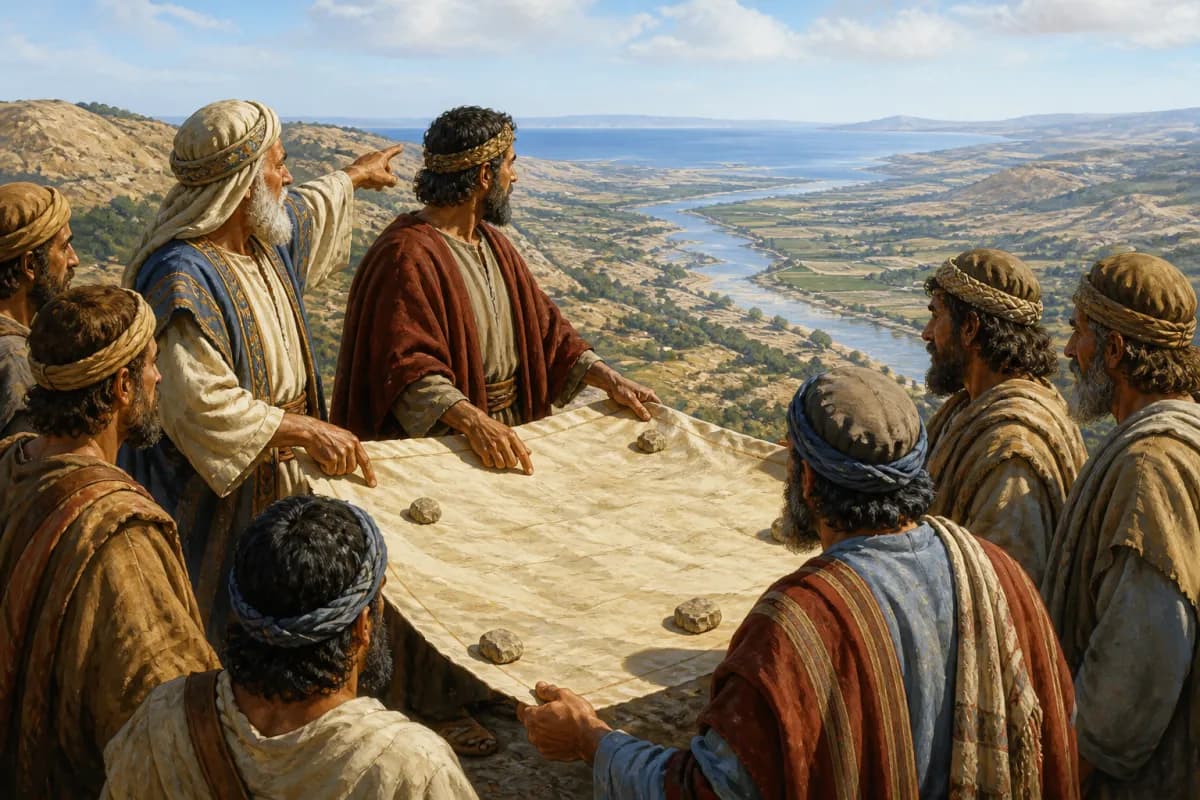
The Boundaries of Canaan: A Concrete Inheritance from God

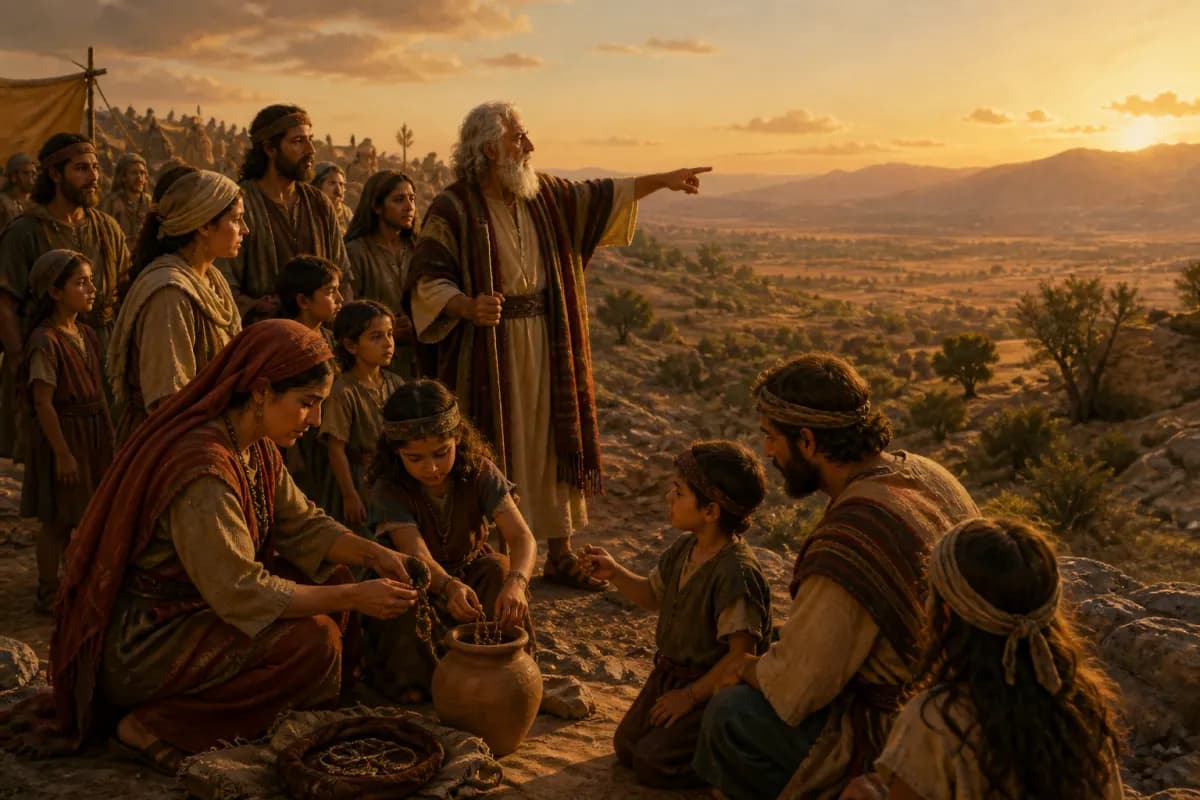
Numbers 34:1–29 defines the borders of Canaan west of the Jordan and appoints Eleazar, Joshua, and tribal leaders to divide it. The detailed geography declares that God’s promise is concrete, ordered, and shared among the tribes rather than seized by private ambition. Jesus brings the promise of inheritance to its worldwide and final horizon, giving His people hope without turning this chapter into a map for Christian nationalism.
Study this passage →
Numbers 35:1–35:8

290 of 876 · Passage study

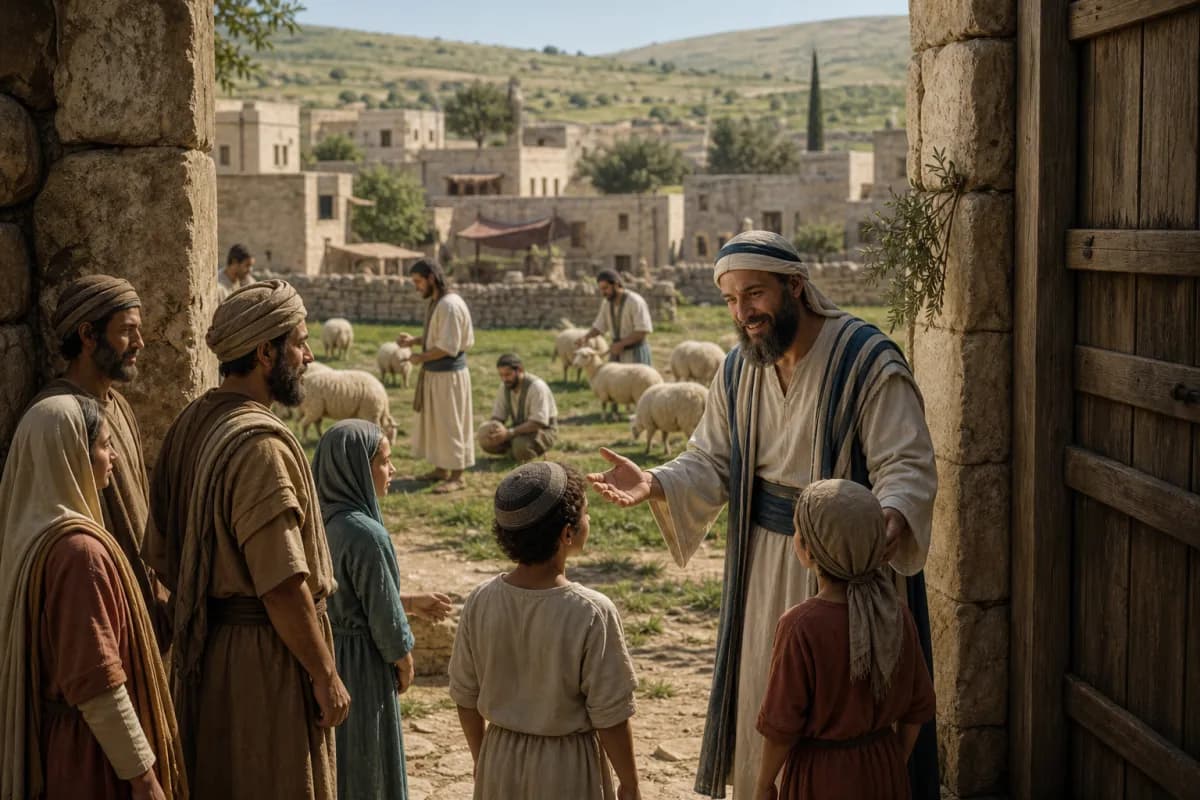
Levitical Cities: Holy Service Woven Through Israel’s Land

Numbers 35:1–8 requires the tribes to give forty-eight cities with surrounding pastureland to the Levites, who receive no single tribal territory. Their homes are distributed through Israel so the service of the sanctuary remains connected to the whole people. Jesus, the true priest who dwells with His people, forms a church in which every place can become a setting for holy service, generous provision, and gospel witness.

Study this passage →
Numbers 35:9–35:34

291 of 876 · Passage study

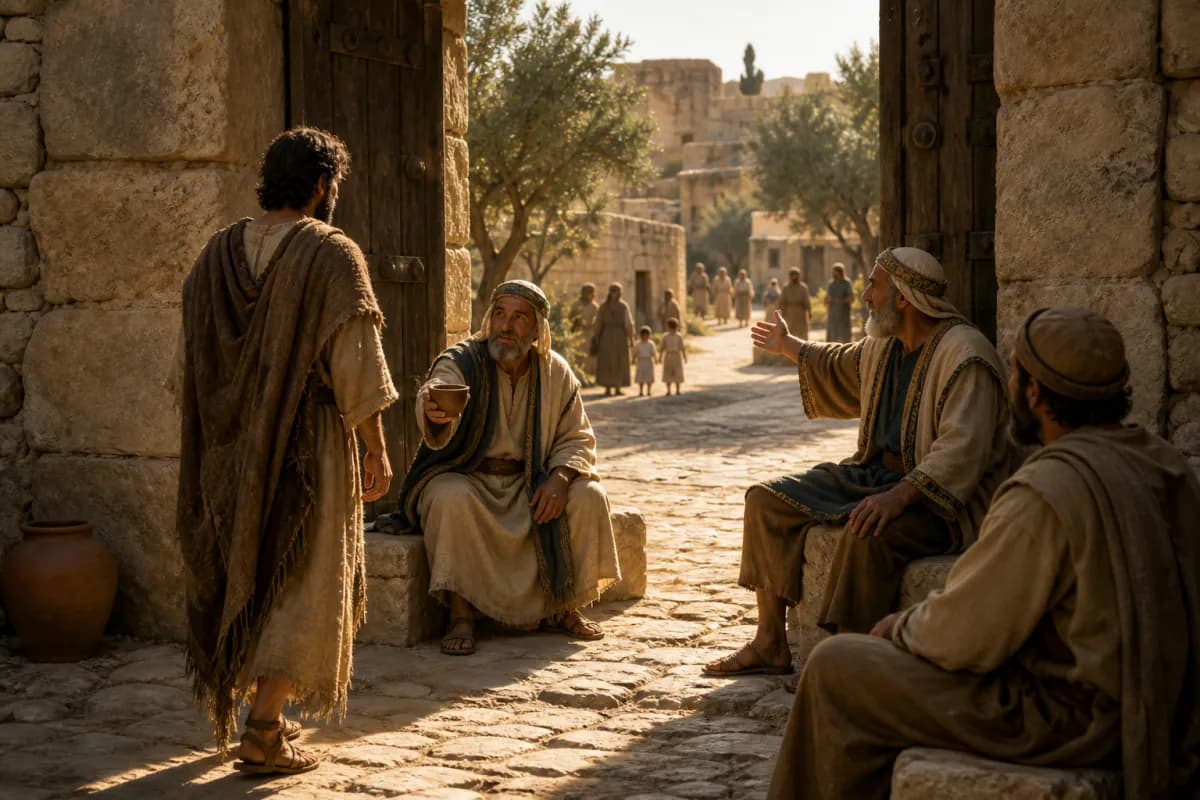
Cities of Refuge: Justice, Mercy, and a Life Preserved

Numbers 35:9–34 establishes cities of refuge so an accused manslayer can receive a fair hearing instead of falling to immediate blood revenge. The law distinguishes intentional murder from accidental killing, protects life, and refuses to pollute the land where the Lord dwells. Jesus is the righteous refuge for guilty sinners, bearing judgment and reconciling them to God without weakening His justice.

Study this passage →
Numbers 36:1–36:13

292 of 876 · Passage study

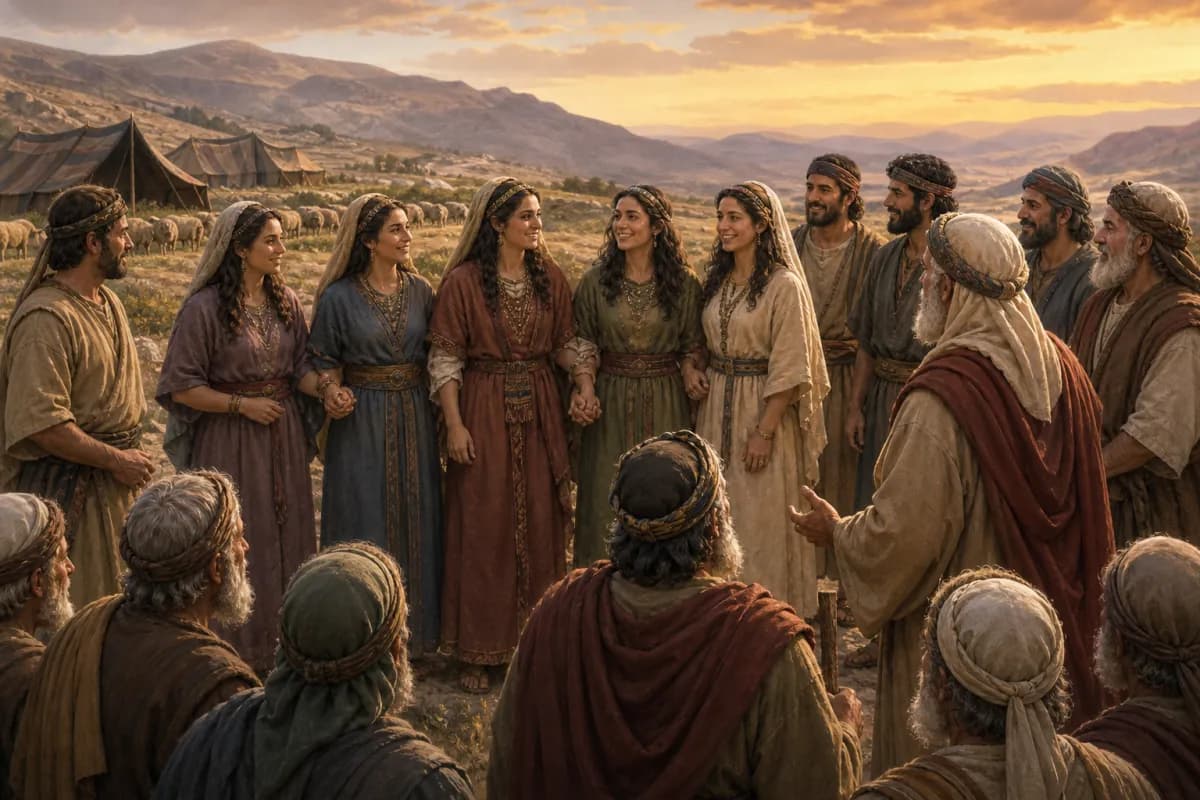
The Daughters of Zelophehad: Inheritance Kept Within the Tribe

Numbers 36:1–13 returns to the daughters of Zelophehad and resolves how their rightful inheritance can remain both theirs and part of Manasseh’s allotted land. The law protects the sisters’ claim without dissolving the tribal inheritance God has given. Jesus secures an imperishable inheritance for all who belong to Him and sends His people to practice justice that attends carefully to real people and promises.

Study this passage →
Deuteronomy 1:1–1:46

293 of 876 · Passage study

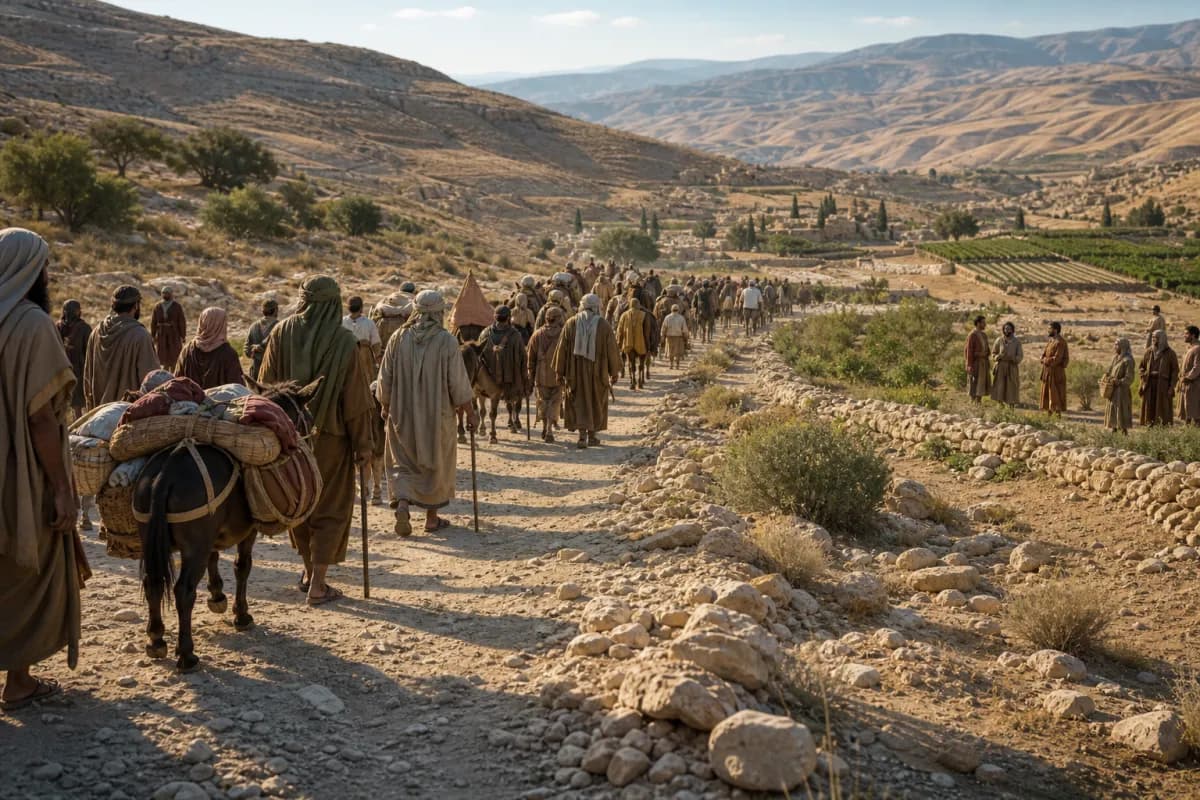
Remembering the Journey: Unbelief at the Edge of Promise

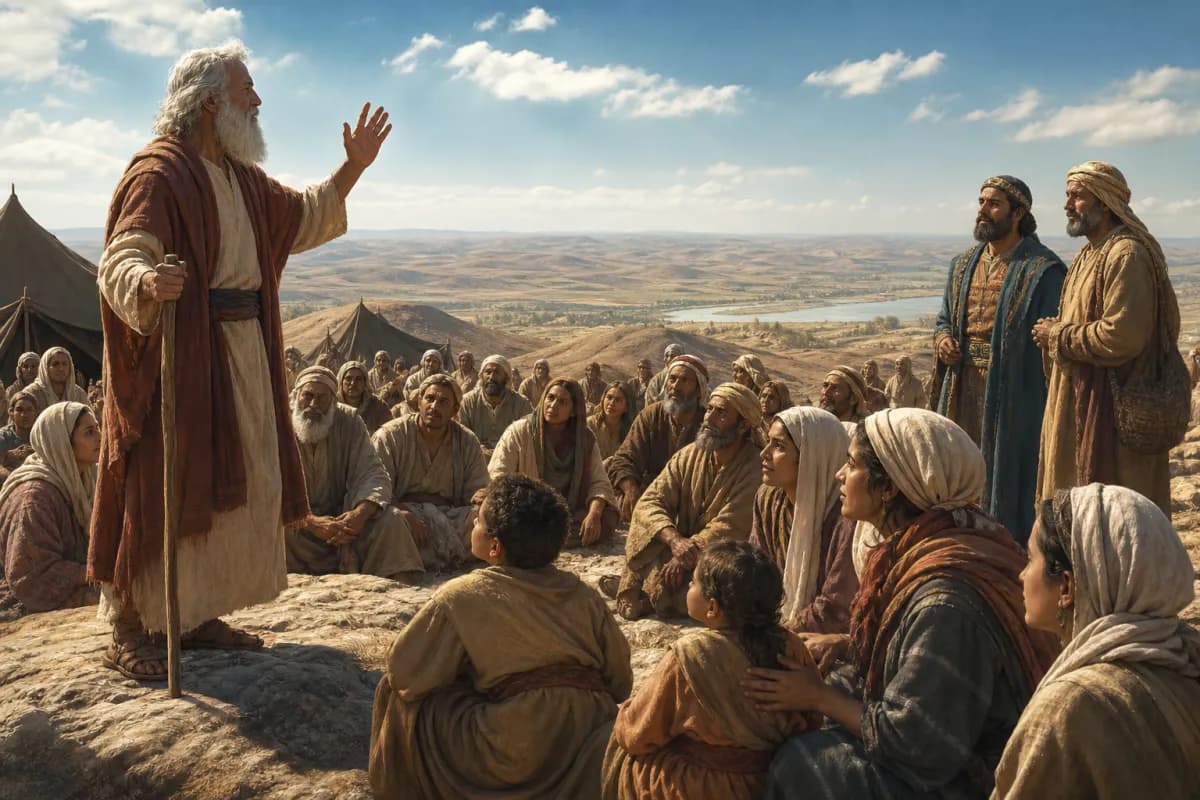
Deuteronomy 1:1–46 opens Moses’ final instruction by retelling Israel’s failure at Kadesh. The Lord had set the land before them, yet fear and distrust turned a short journey into a generation of wandering. The passage warns against unbelief while directing readers to Jesus, whose faithful obedience and saving grace create a people who trust God’s promise and enter His rest.

Study this passage →
Deuteronomy 2:1–2:37

294 of 876 · Passage study

Boundaries in the Wilderness: The Lord Who Gives and Withholds

Deuteronomy 2 recounts Israel’s long movement around Edom, Moab, and Ammon before the Lord gives victory over Sihon. Israel is commanded to respect lands God has allotted to other peoples and then to advance when He gives a specific command. The chapter teaches a disciplined trust in God’s rule, which finds its deepest clarity in Jesus, the King who saves His people and sends them on His mission by His word rather than their appetite for control.

Study this passage →
Deuteronomy 3:1–3:29

295 of 876 · Passage study

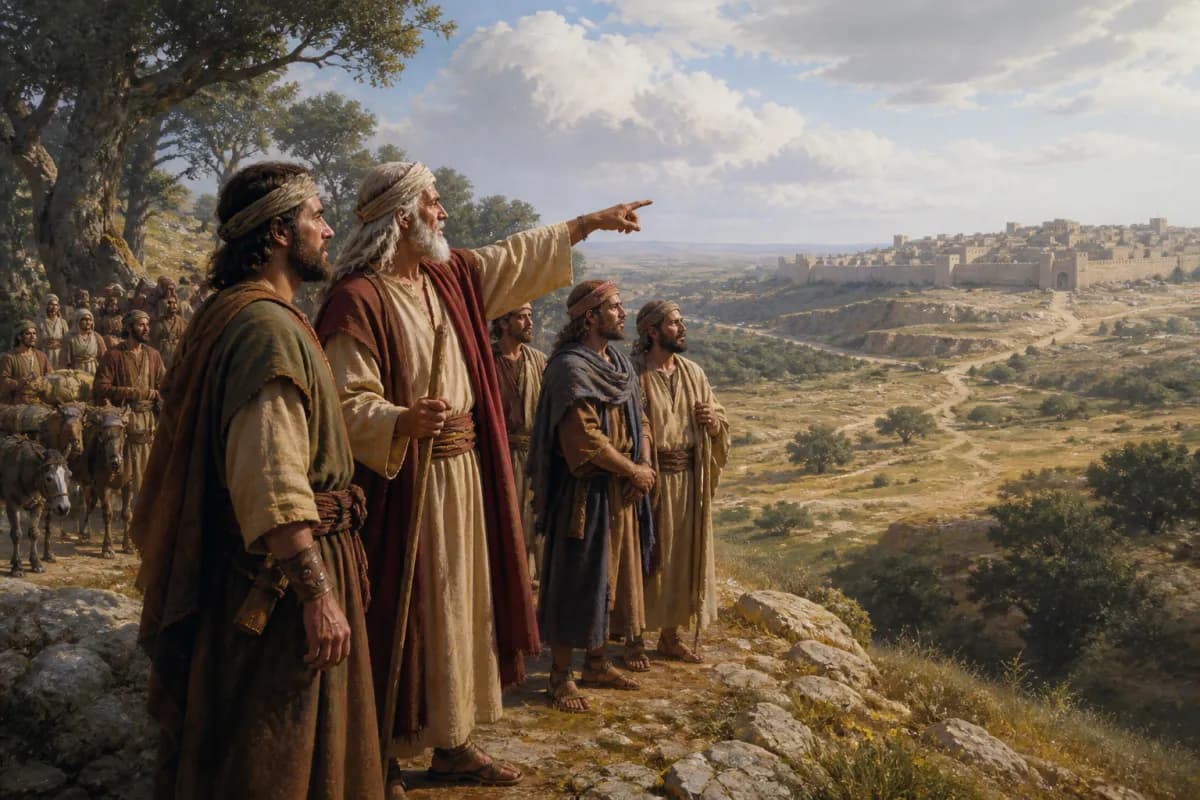
Do Not Fear Og: God’s Promise before an Intimidating Enemy

Deuteronomy 3 recalls the defeat of Og of Bashan, the allocation of land east of the Jordan, and Moses’ charge to Joshua. Israel faces an enemy whose reputation and cities could produce fear, yet the Lord gives the victory and commands His people to remember His past acts. The chapter leads readers to Jesus, whose saving victory over sin and death grounds courage for His people’s mission.

Study this passage →
Deuteronomy 4:1–4:49

296 of 876 · Passage study

Hear and Live: God’s Wisdom before the Nations

Deuteronomy 4:1–40 calls Israel to hear and obey the statutes God gives as they enter the land. Moses grounds obedience in God’s nearness, uniqueness, and past rescue, warning against idolatry and forgetfulness. Jesus fulfills the law’s holy purpose and gathers a people whose life before God becomes a witness to His saving wisdom among the nations.

Study this passage →
Deuteronomy 5:1–5:33

297 of 876 · Passage study

The Covenant at Horeb: A People Called to Hear God’s Voice

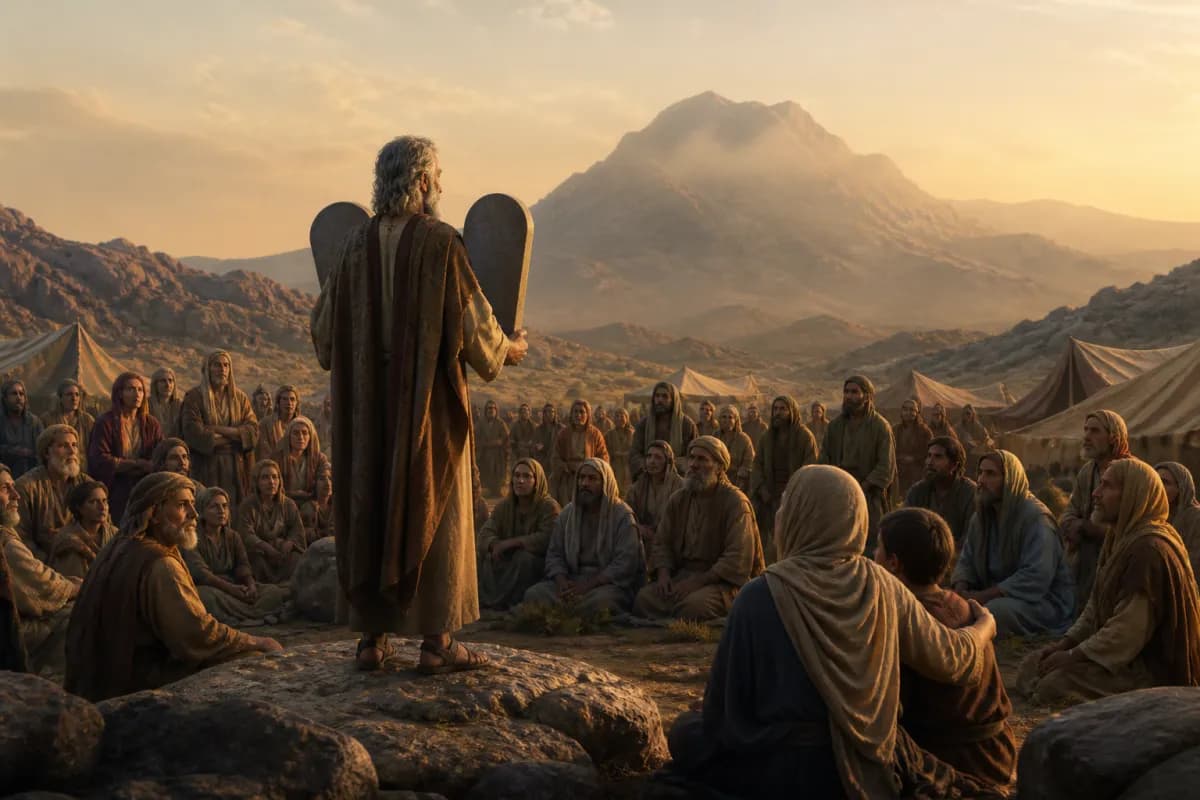
Deuteronomy 5 repeats the Ten Commandments and remembers Israel’s fear at Horeb, where the Lord spoke from the fire. The commandments reveal the shape of life under the God who delivered Israel from Egypt, while the people’s request for a mediator exposes their need for someone who can stand before God on their behalf. Jesus fulfills that need as the faithful mediator whose saving work brings forgiven people into covenant life.

Study this passage →
Deuteronomy 6:1–6:25

298 of 876 · Passage study

Hear, O Israel: Loving the One Lord

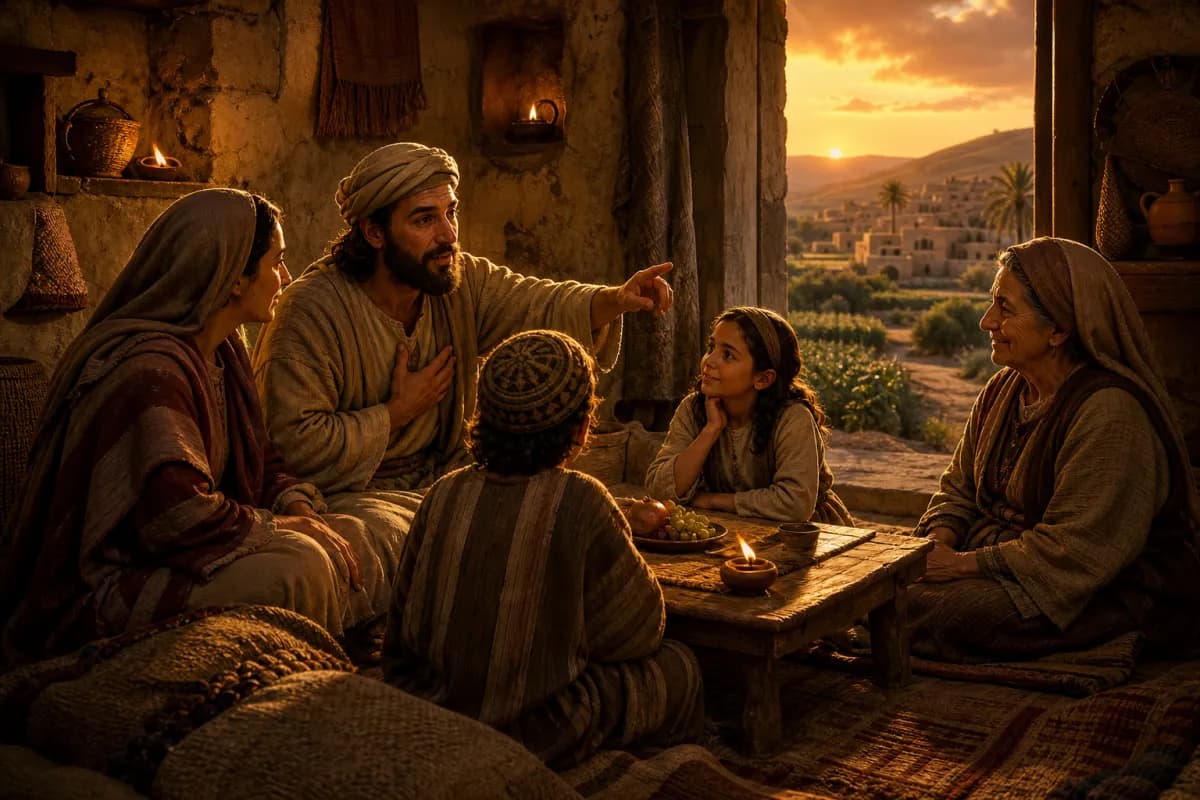
Deuteronomy 6:1–25 calls Israel to love the one Lord with heart, soul, and strength, to teach His words within the household, and to remember that its life in the land is an undeserved gift. Jesus identifies this as the greatest command and fulfills it as the faithful Son, forming a people whose love for God becomes a witness to His saving grace.

Study this passage →
Deuteronomy 7:1–7:26

299 of 876 · Passage study

Chosen in Love: Holy People and God’s Faithful Mercy

Deuteronomy 7:1–26 explains Israel’s holy calling in the land: they must not make covenant with the nations’ gods because the Lord has set His love on them and redeemed them from Egypt. God’s choice rests on His faithful love, not Israel’s size or merit, and it finds its saving fulfillment in Jesus, who redeems a holy people for God from every nation.

Study this passage →
Deuteronomy 8:1–8:20

300 of 876 · Passage study

Remember in Plenty: The God Who Humbles and Provides

Deuteronomy 8 calls Israel to remember the wilderness when it enters a land of abundance. Hunger, manna, clothing that did not wear out, and the discipline of a father all taught that life depends on God’s word and generosity. Jesus enters this wilderness lesson faithfully and becomes the bread of life, calling His people to receive provision with gratitude and join His saving mission without pride.

Study this passage →
Keep scrolling for the next passage.