Truth-Scrolling

Deuteronomy 21:1–21:23

313 of 876 · Passage study

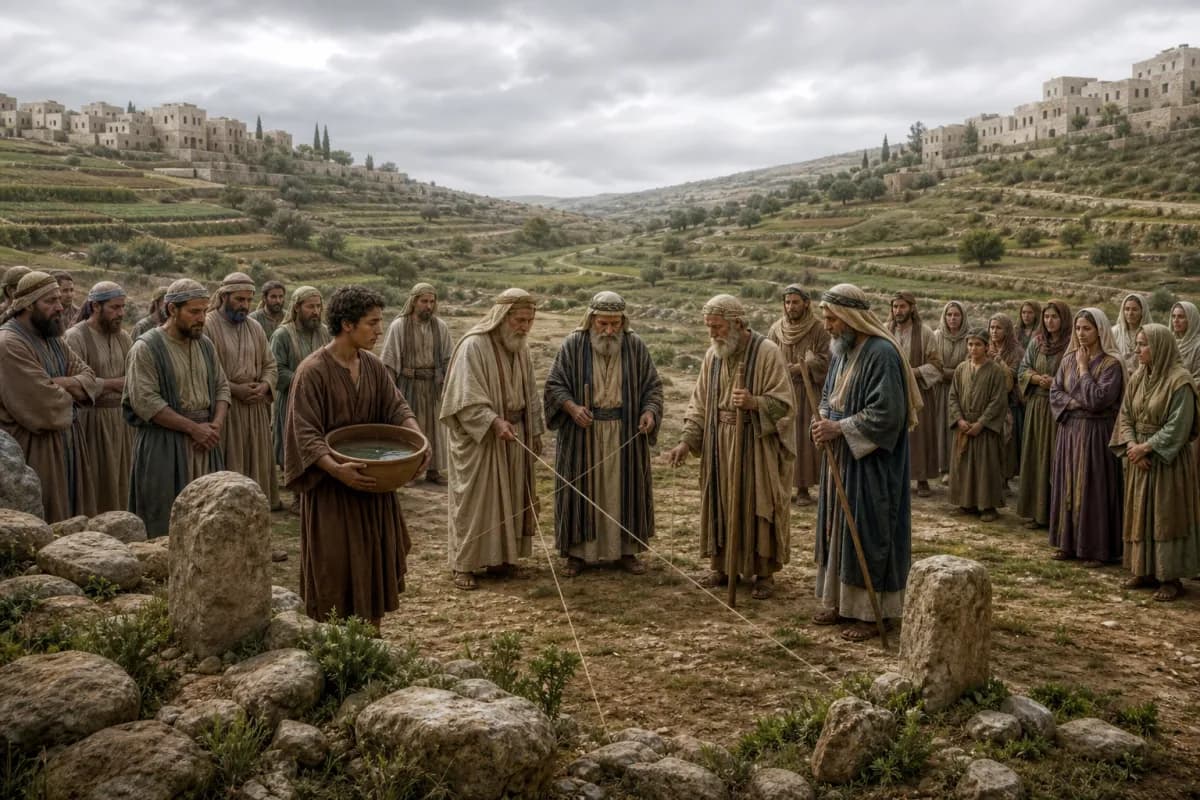
When Bloodshed Has No Known Killer

Deuteronomy 21 brings an unsolved death, vulnerable women and children, family inheritance, and the public execution of a criminal under one covenant concern: Israel must not ignore guilt or treat people as disposable. The chapter leads to Jesus, who bears the curse of sin to cleanse His people and form a community marked by truth, mercy, and reverence for life.
Study this passage →
Deuteronomy 22:1–22:30

314 of 876 · Passage study

Love That Does Not Look Away

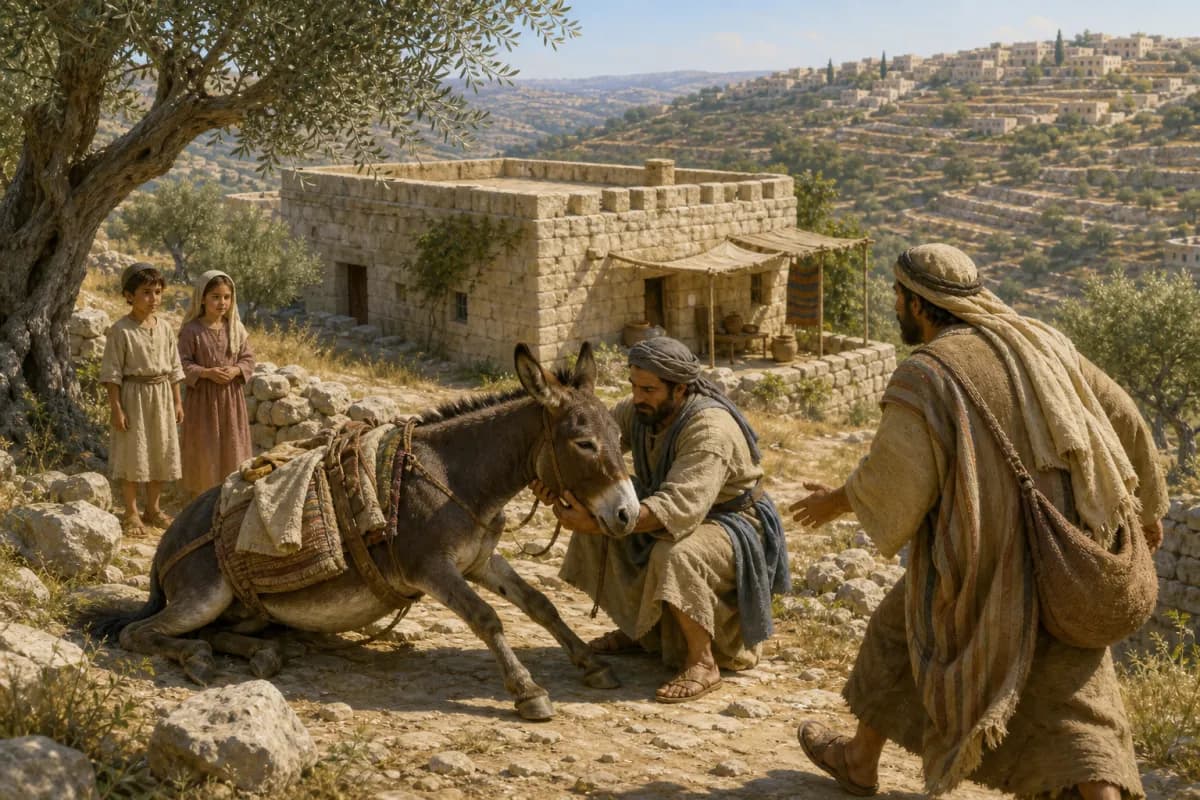
Deuteronomy 22 makes covenant love visible in ordinary moments: returning lost animals, helping a fallen donkey, building a parapet, respecting created distinctions, and guarding sexual faithfulness. These commands teach Israel not to hide from a neighbor’s need or use freedom without responsibility. Jesus fulfills this neighbor-loving righteousness and forms a people whose witness makes His care tangible.

Study this passage →
Deuteronomy 23:1–23:25

315 of 876 · Passage study

A Holy Camp because the Lord Walks There

Deuteronomy 23 addresses assembly membership, sanitation, escaped slaves, prostitution, vows, lending, and labor in a neighbor’s field. Its governing reason is striking: the Lord walks in Israel’s camp. The passage directs Christians to Jesus, who brings outsiders near by His blood and forms a holy people whose embodied, economic, and relational life bears witness to His saving presence.

Study this passage →
Deuteronomy 24:1–24:22

316 of 876 · Passage study

Remember You Were Slaves

Deuteronomy 24 regulates divorce, pledges, wages, punishment, gleaning, and household mercy with a recurring command to remember Israel’s slavery in Egypt. God’s redeemed people must not reproduce the oppression from which they were rescued. The chapter finds its saving center in Jesus, who redeems sinners and sends them to practice costly mercy, honest work, and care for those with least social power.

Study this passage →
Deuteronomy 25:1–25:19

317 of 876 · Passage study

Honest Weights and the Memory of Amalek

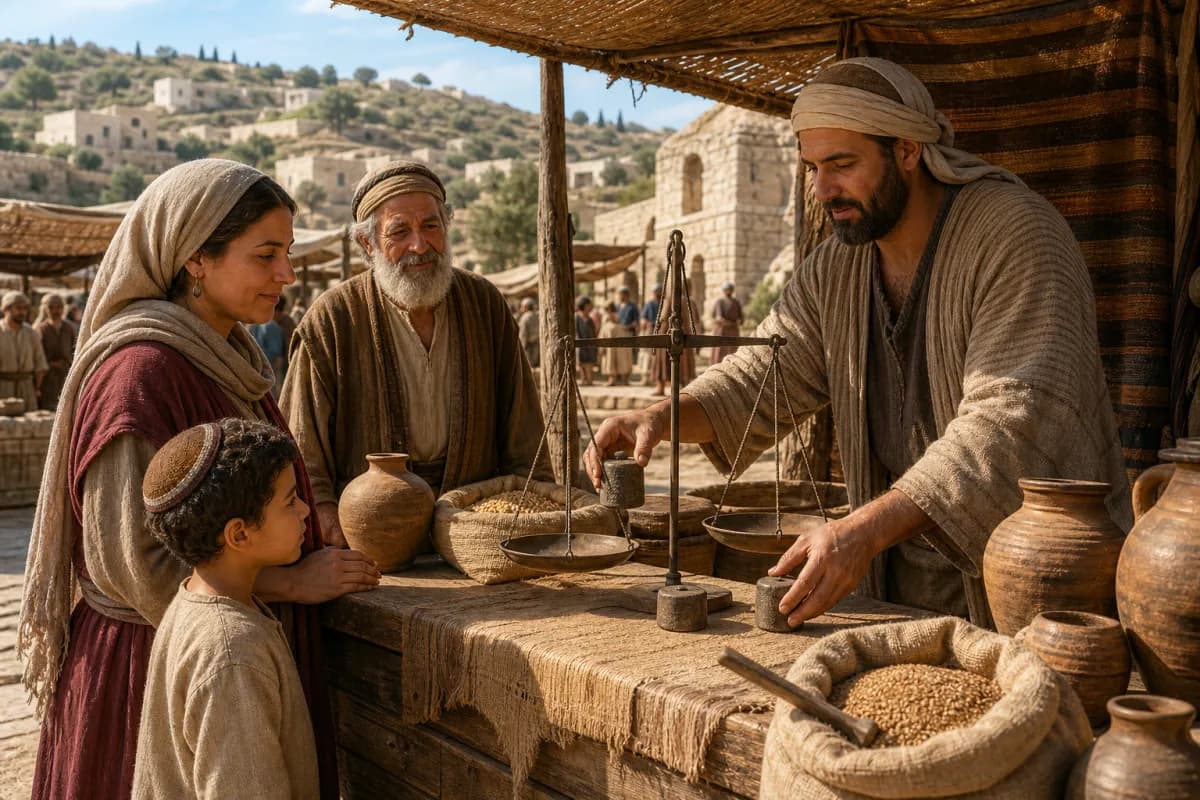
Deuteronomy 25 orders fair punishment, care for an animal at work, levirate responsibility, honest measures, and Israel’s remembrance of Amalek’s attack on the weak. The chapter rejects humiliation, exploitation, fraud, and predatory violence. It directs readers to Jesus, the righteous Judge who bears shame for sinners and forms a people whose justice reaches the marketplace and protects the vulnerable.

Study this passage →
Deuteronomy 26:1–26:19

318 of 876 · Passage study

A Basket, a Story, and the God Who Rescued

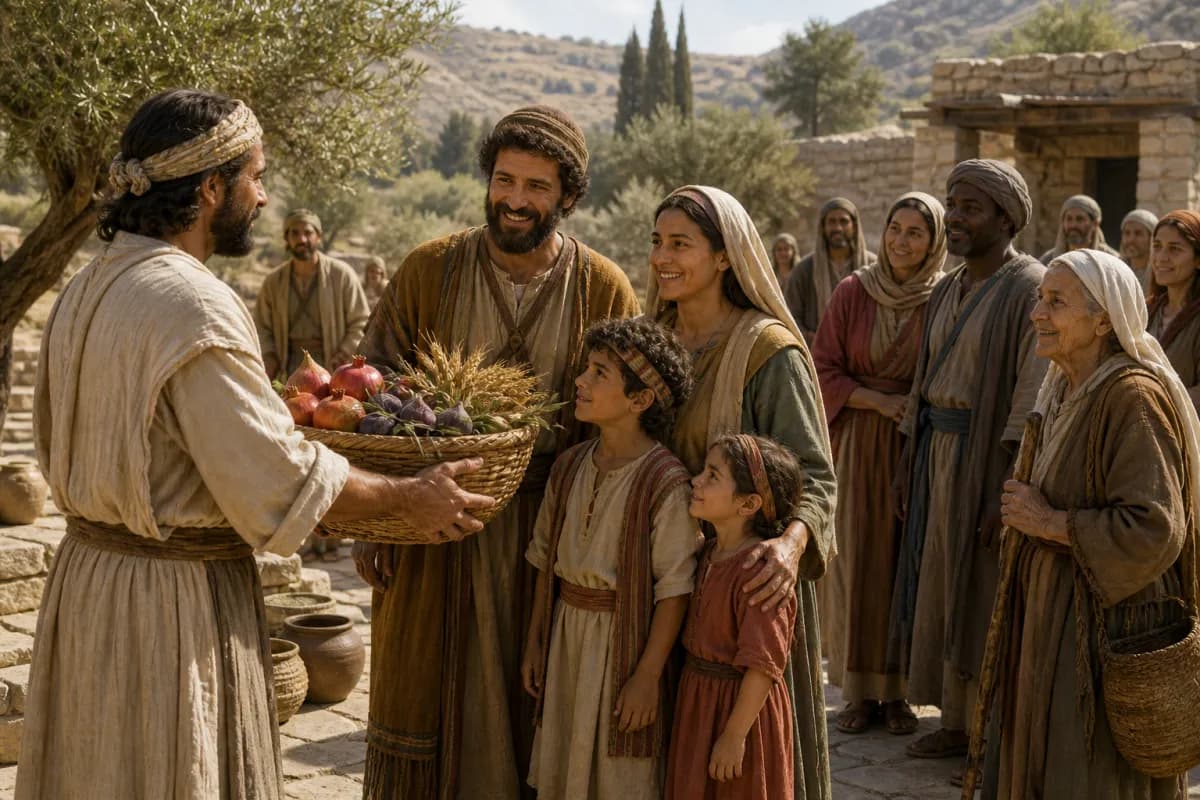
Deuteronomy 26 turns Israel’s firstfruits and tithe into a spoken confession: the Lord heard its afflicted ancestors, brought them out of Egypt, and gave them a land. Gratitude is therefore neither private nor vague. It leads to worship, shared provision, and covenant obedience, and it reaches its saving center in Jesus, who brings redeemed people to the Father and sends them to bless the nations.

Study this passage →
Deuteronomy 27:1–27:26

319 of 876 · Passage study

Amen beneath the Blessing and the Curse

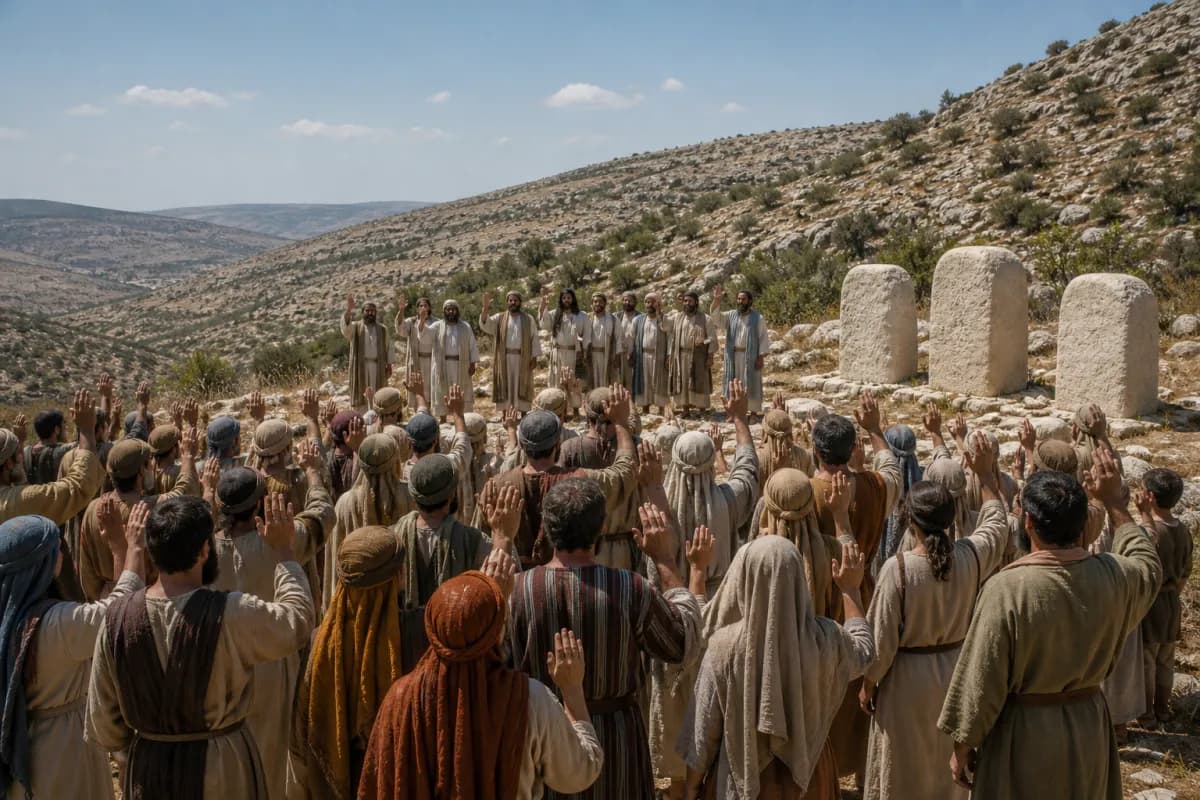
Deuteronomy 27 commands Israel to write the law on stones, build an altar on Mount Ebal, and answer Amen to curses against hidden covenant evil. The ceremony makes public what sin tries to keep private: the Lord sees idolatry, injustice, sexual exploitation, and violence. It points to Jesus, who bears the law’s curse for sinners and forms a truthful people who walk in the light.

Study this passage →
Deuteronomy 28:1–28:68

320 of 876 · Passage study

The Weight of Listening and Refusing

Deuteronomy 28 sets Israel’s covenant future before it in blessings for wholehearted listening and devastating curses for persistent refusal. The chapter is not a simple formula for individual prosperity; it explains Israel’s life in the land under the covenant. Its gravity exposes the need for Jesus, who bears judgment for sinners and secures the blessing of reconciliation with God for people from every nation.

Study this passage →
Deuteronomy 29:1–29:29

321 of 876 · Passage study

Standing before the Lord at Moab

Deuteronomy 29 renews the covenant with every part of Israel on the plains of Moab, recalls the Lord’s provision in the wilderness, warns against a secret root of idolatry, and distinguishes God’s hidden counsel from the word He has revealed. The passage leads to Jesus, who establishes the new covenant through His blood and gathers people openly to repent, trust, and live under God’s revealed grace.

Study this passage →
Deuteronomy 30:1–30:20

322 of 876 · Passage study

Return, Heart-Circumcision, and the Way of Life

Deuteronomy 30 promises that after exile the Lord will gather a repentant people, circumcise their hearts to love Him, and place His word near them. Moses then sets life and death before Israel and calls for love, obedience, and clinging to God. The promise reaches its fulfillment in Jesus, whose saving grace grants new hearts and calls the nations into the life only He can give.

Study this passage →
Deuteronomy 31:1–31:30

323 of 876 · Passage study

Be Strong because the Lord Goes with You

Deuteronomy 31 transfers leadership from Moses to Joshua, commands courage rooted in the Lord’s presence, appoints the public reading of the law, and records God’s warning that Israel will turn away. The chapter shows that no human leader can secure lasting faithfulness, directing readers to Jesus, the greater leader who never forsakes His people and writes God’s word on their hearts.

Study this passage →
Deuteronomy 32:1–32:52

324 of 876 · Passage study

The Rock and the People Who Forgot

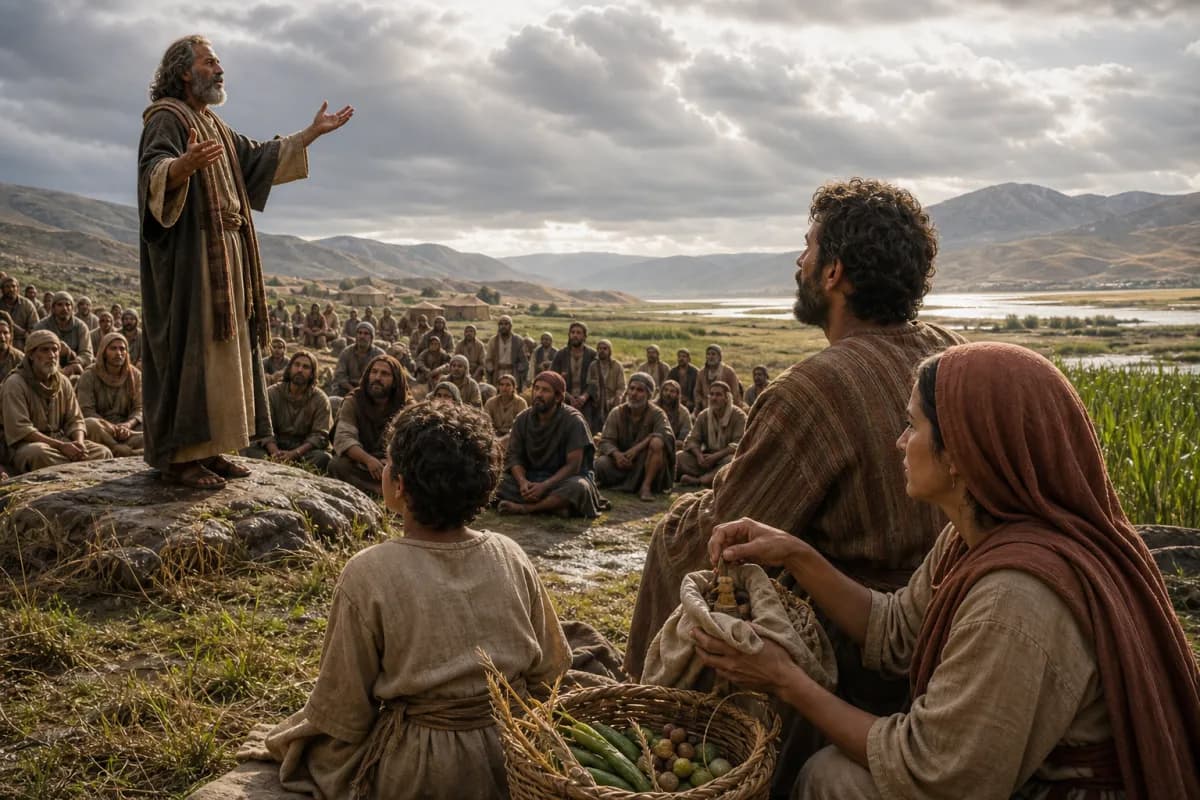
Deuteronomy 32 gives Israel a song that declares the Lord’s perfect faithfulness, recounts the people’s forgetfulness, warns of just judgment, and ends with God’s mercy for His land and servants. Moses calls the Lord the Rock in contrast to a people who grow comfortable and abandon Him. The song directs readers to Jesus, the faithful Savior who bears sin’s judgment and brings reconciliation to God’s people and the nations.

Study this passage →
Keep scrolling for the next passage.