Truth-Scrolling

Deuteronomy 9:1–9:29

301 of 876 · Passage study

Not Because of Your Righteousness: Mercy after the Golden Calf

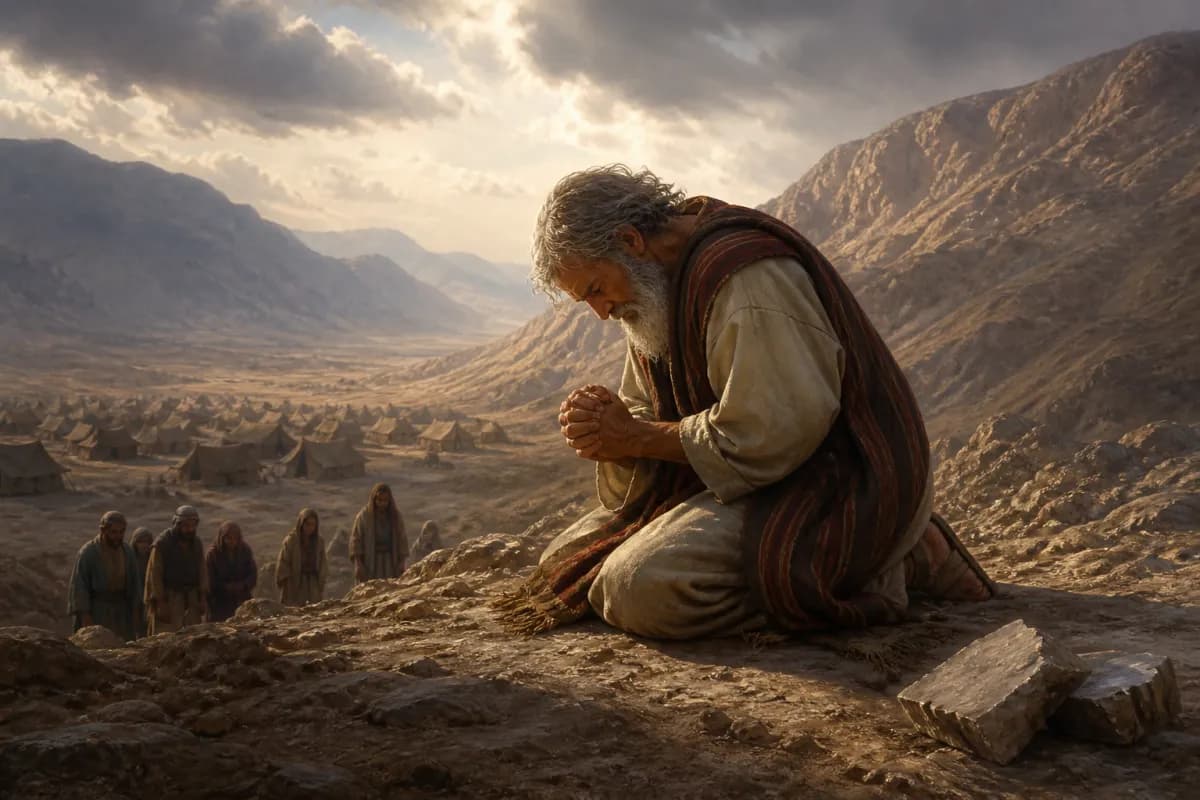
Deuteronomy 9 strips Israel of any claim that it receives the land because it is righteous. Moses recalls rebellion at Horeb, the golden calf, broken tablets, and his long intercession for a stiff-necked people. The chapter prepares readers for Jesus, the greater mediator whose saving death addresses real guilt and whose mission forms a humble people who live by mercy rather than self-congratulation.
Study this passage →
Deuteronomy 10:1–10:22

302 of 876 · Passage study

What the Lord Requires: Fear, Love, and Justice

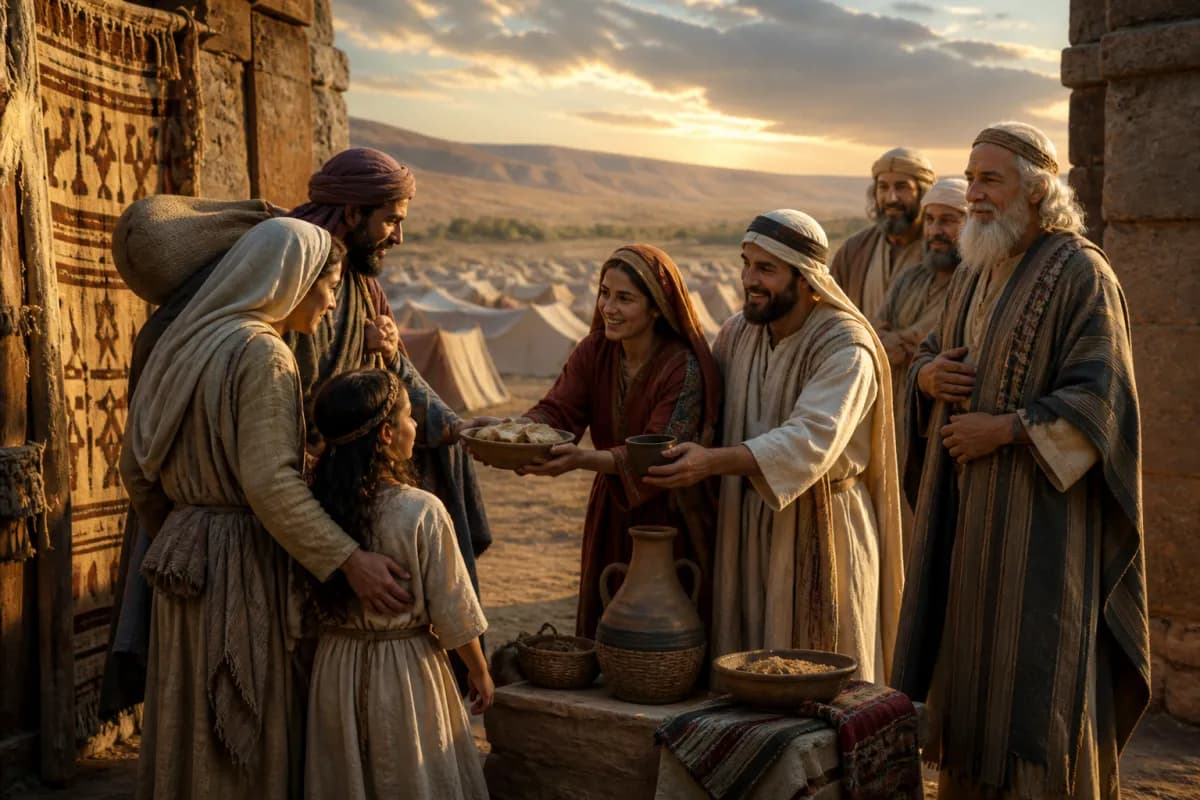
Deuteronomy 10:1–22 joins the renewal of the tablets after Israel’s rebellion to Moses’ call for wholehearted covenant life. The God who forgives and carries His people requires reverent love, calls them to care for the vulnerable, and reminds them that they were once strangers. Jesus fulfills this holy love and forms a people whose worship becomes mercy and justice in His mission.

Study this passage →
Deuteronomy 11:1–11:32

303 of 876 · Passage study

Love, Remember, and Choose the Way of Life

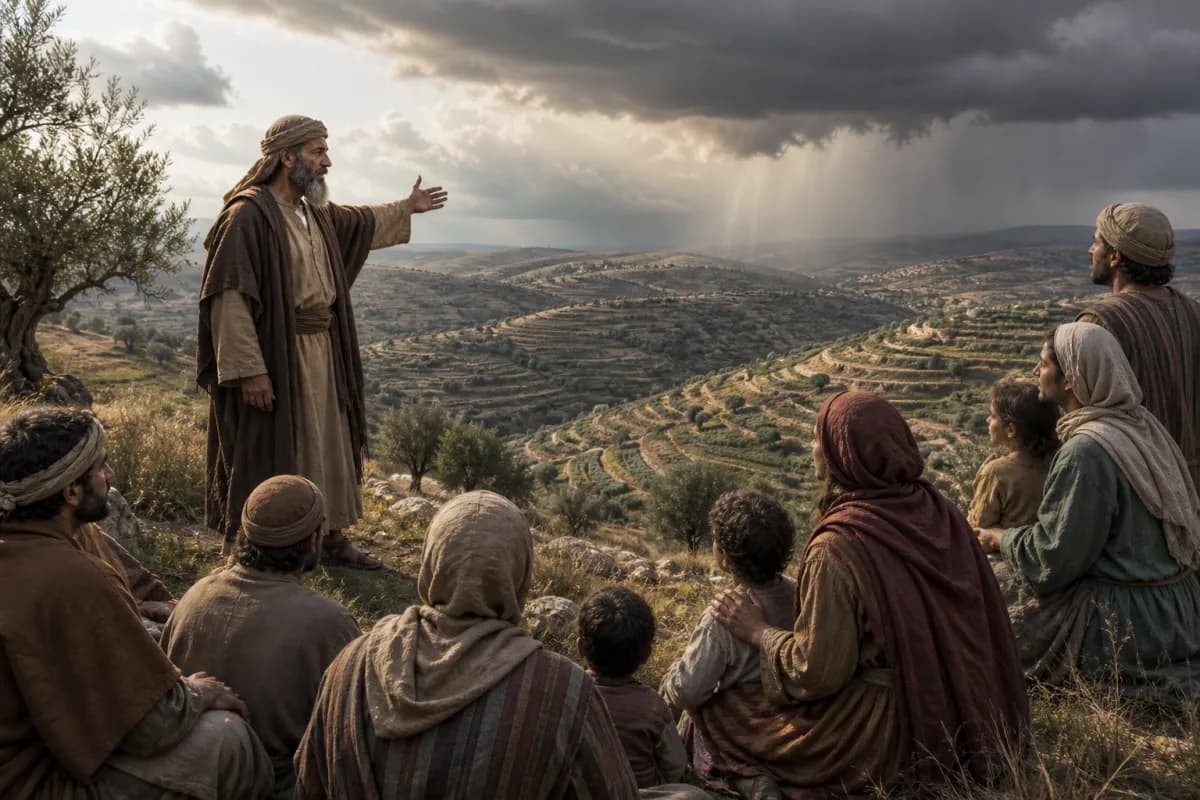
Deuteronomy 11 calls Israel to love the Lord by remembering His acts in Egypt and the wilderness, teaching the next generation, receiving the land’s rain as His gift, and setting blessing and curse before the nation. The chapter leads to Jesus, who fulfills covenant faithfulness and brings sinners to the Father, then sends His people to love God with whole-hearted obedience rather than forgetful self-reliance.

Study this passage →
Deuteronomy 12:1–12:32

304 of 876 · Passage study

The Place the Lord Will Choose

Deuteronomy 12 commands Israel to destroy Canaanite worship sites and seek the one place where the Lord will put His name. Sacrifice, tithes, and rejoicing belong there, while ordinary meat may be eaten throughout the towns without blood. The chapter guards worship from human invention and points to Jesus, the true meeting place between God and humanity, who gathers worshipers to the Father and sends them in holy mission.

Study this passage →
Deuteronomy 13:1–13:18

305 of 876 · Passage study

Love the Lord above Every Sign and Voice

Deuteronomy 13 warns Israel that a prophet, dreamer, close relative, friend, or whole town may entice it to serve other gods—even if a sign or wonder appears to occur. Covenant truth is not tested by spectacle or social pressure but by loyalty to the Lord who redeemed Israel. Jesus, the true and faithful Son, saves people from idolatry and forms a mission-shaped community anchored in His gospel.

Study this passage →
Deuteronomy 14:1–14:29

306 of 876 · Passage study

A Holy People in Grief, Food, and Generosity

Deuteronomy 14 calls Israel God’s children and treasured people, forbids pagan mourning practices, distinguishes clean from unclean foods, and commands a tithe that nourishes worship, Levites, resident aliens, orphans, and widows. Holiness reaches grief, meals, money, and communal care. Jesus makes a people holy through His saving work and sends them to display the Father’s generosity in everyday life.

Study this passage →
Deuteronomy 15:1–15:23

307 of 876 · Passage study

Open Hands for the God Who Redeemed You

Deuteronomy 15 commands a seventh-year release of debts, open-handed care for the poor, humane release of Hebrew servants, consecration of firstborn animals, and joyful celebration before the Lord. Israel’s economic life is to remember its own rescue from slavery. Jesus redeems people from sin’s bondage and sends His church to practice generous mercy as a visible witness to His saving kingdom.

Study this passage →
Deuteronomy 16:1–16:22

308 of 876 · Passage study

Remembering Redemption through Israel’s Feasts

Deuteronomy 16 orders Passover, the Festival of Weeks, the Festival of Booths, and the administration of just courts. Israel is to remember its rescue from Egypt, rejoice before the Lord with those who have little social power, and refuse bribery. These appointed times lead Christians to Jesus, the Passover Lamb and risen Lord, whose saving mission creates a grateful, generous, and truthful people.

Study this passage →
Deuteronomy 17:1–17:20

309 of 876 · Passage study

Justice beneath the King’s Copy of the Law

Deuteronomy 17 addresses unblemished worship, careful judicial inquiry, difficult cases brought before priests and judges, and a future king who must live under God’s instruction. Israel’s authority is never self-authorizing. The chapter points to Jesus, the righteous King who fulfills God’s law, judges with truth, and saves His people without the pride, accumulation, or coercion warned against here.

Study this passage →
Deuteronomy 18:1–18:22

310 of 876 · Passage study

The Word God Will Raise Up

Deuteronomy 18 provides for Levites who serve before the Lord, forbids Israel’s turn to occult practices, and promises a prophet like Moses through whom God will speak. Israel is not left to manipulate hidden powers; it must listen to the word God gives. The promise reaches its decisive fulfillment in Jesus, the greater Prophet who reveals the Father and calls the nations to repentance and life.

Study this passage →
Deuteronomy 19:1–19:21

311 of 876 · Passage study

Refuge, Truth, and Justice without Revenge

Deuteronomy 19 establishes accessible cities of refuge for unintentional killers, protects boundary markers, and requires corroborated testimony before judicial punishment. The chapter refuses both indifference to bloodshed and impulsive revenge. It directs readers to Jesus, whose saving work gives guilty sinners refuge through repentance and faith while forming a people committed to truthful speech and just judgment.

Study this passage →
Deuteronomy 20:1–20:20

312 of 876 · Passage study

Courage under the Lord’s Command

Deuteronomy 20 gives Israel instructions for battle in the promised land: the priest calls the army not to fear, certain men return home, distant cities first receive an offer of peace, and the Canaanite nations face a unique judgment. The chapter cannot be detached from its covenant setting or used to bless later violence. It directs believers to Jesus, who wins His kingdom through the cross and sends His church in witness, peace, and sacrificial love.

Study this passage →
Keep scrolling for the next passage.