Truth-Scrolling

Genesis 41:1–41:57

49 of 876 · Passage study

Pharaoh’s Dream: God Raises Joseph to Preserve Life

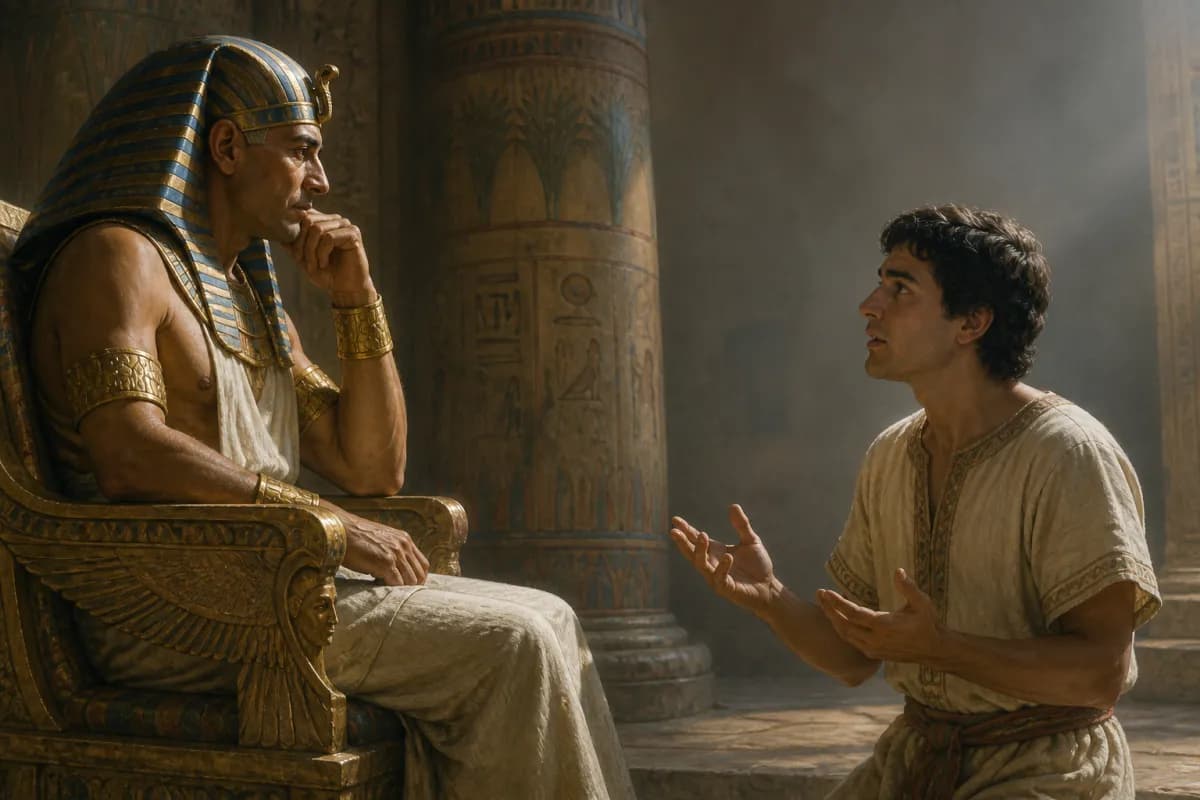
Genesis 41:1–57 moves Joseph from prison to Pharaoh’s court when no Egyptian expert can explain the king’s dreams. Joseph gives God the credit, interprets seven years of abundance followed by seven years of famine, and proposes a wise response. God raises the rejected prisoner to preserve many lives, a pattern that finds its fulfillment in Jesus, the risen King whose saving mission gives life to the world.
Study this passage →
Genesis 42:1–45:28

50 of 876 · Passage study

Joseph’s Brothers Come to Egypt: Recognition, Guilt, and a Hard Mercy

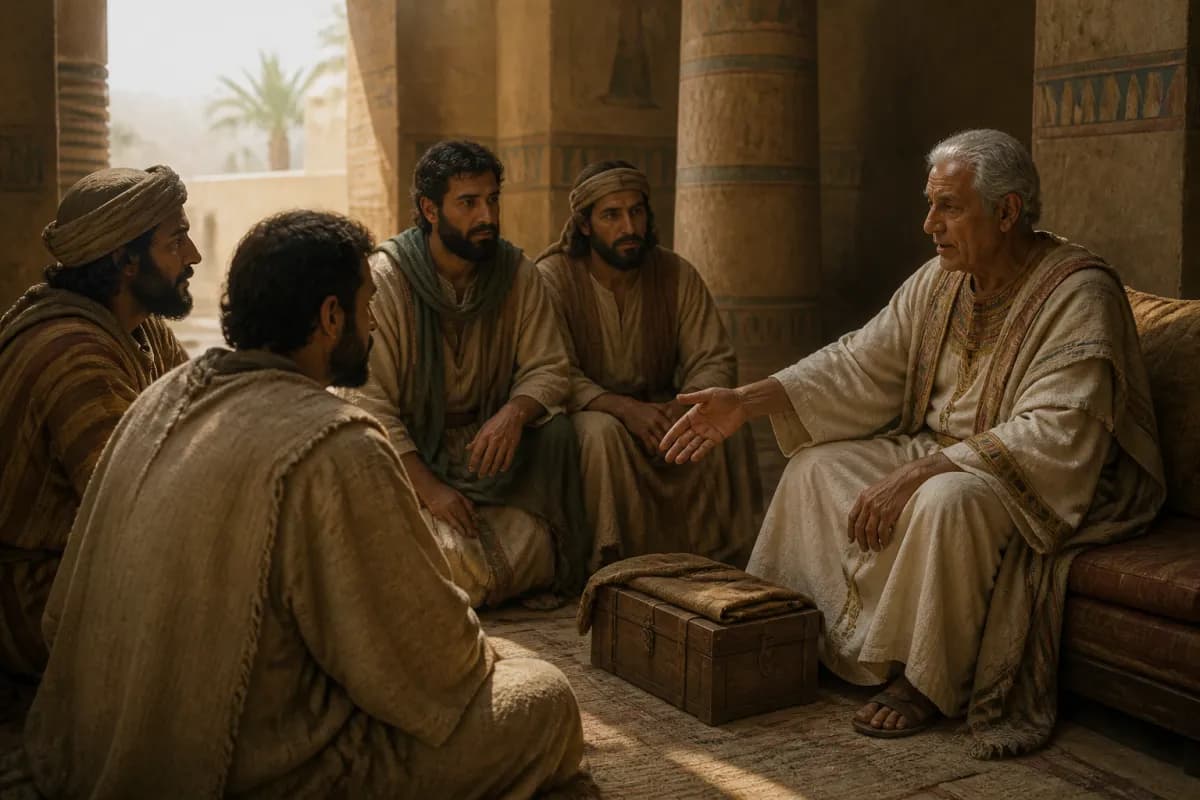
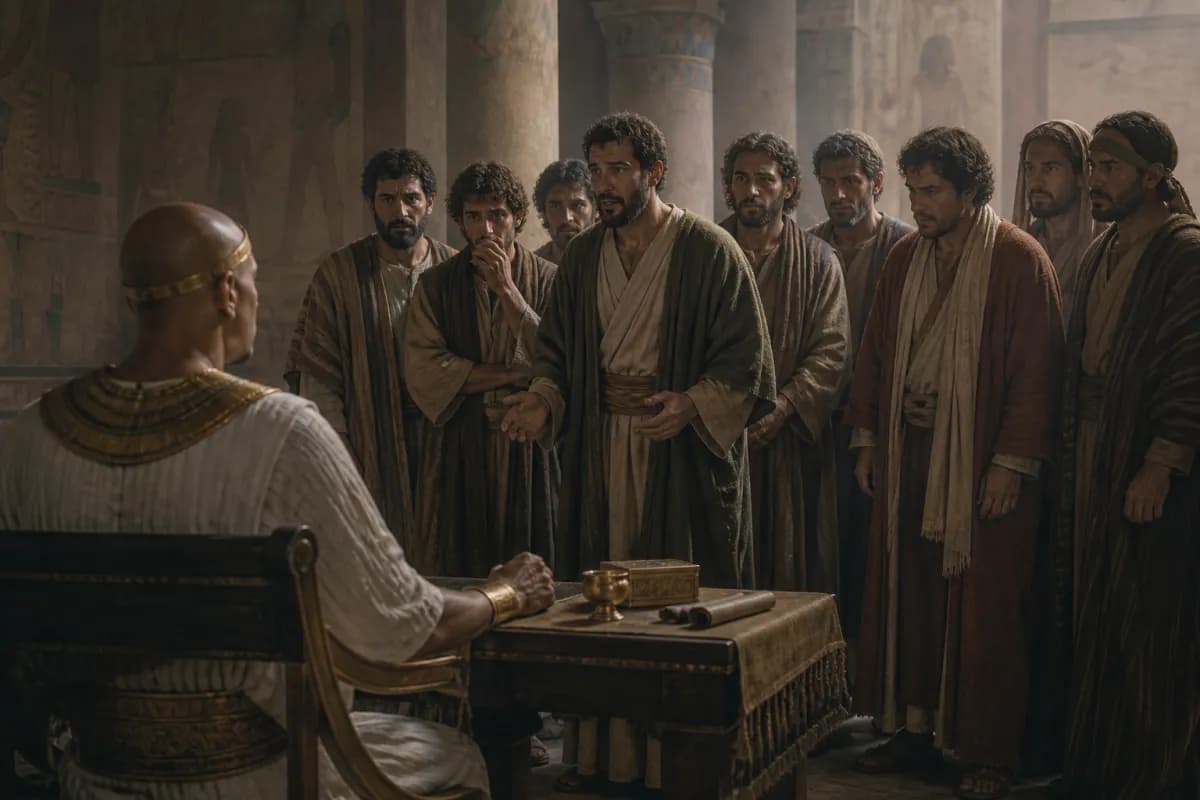
Genesis 42:1–38 brings Joseph’s brothers before the brother they sold, though they do not recognize him. Joseph’s severe testing exposes a guilt they have carried for years and presses the family toward truth. The passage prepares for the reconciliation God will accomplish, directing readers to Jesus, who brings sin into the light in order to give forgiveness and restored fellowship.

Study this passage →
Genesis 46:1–46:7

51 of 876 · Passage study

The Promise to Israel: Do Not Fear the Descent to Egypt

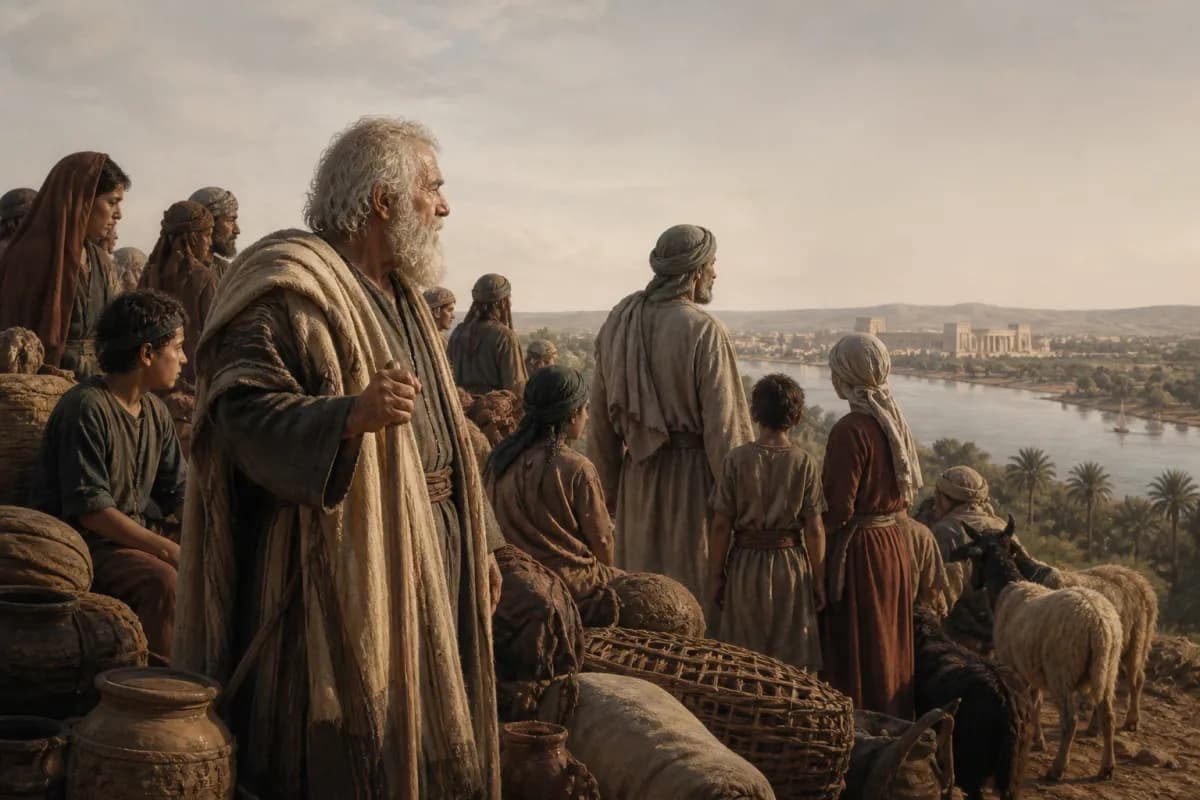
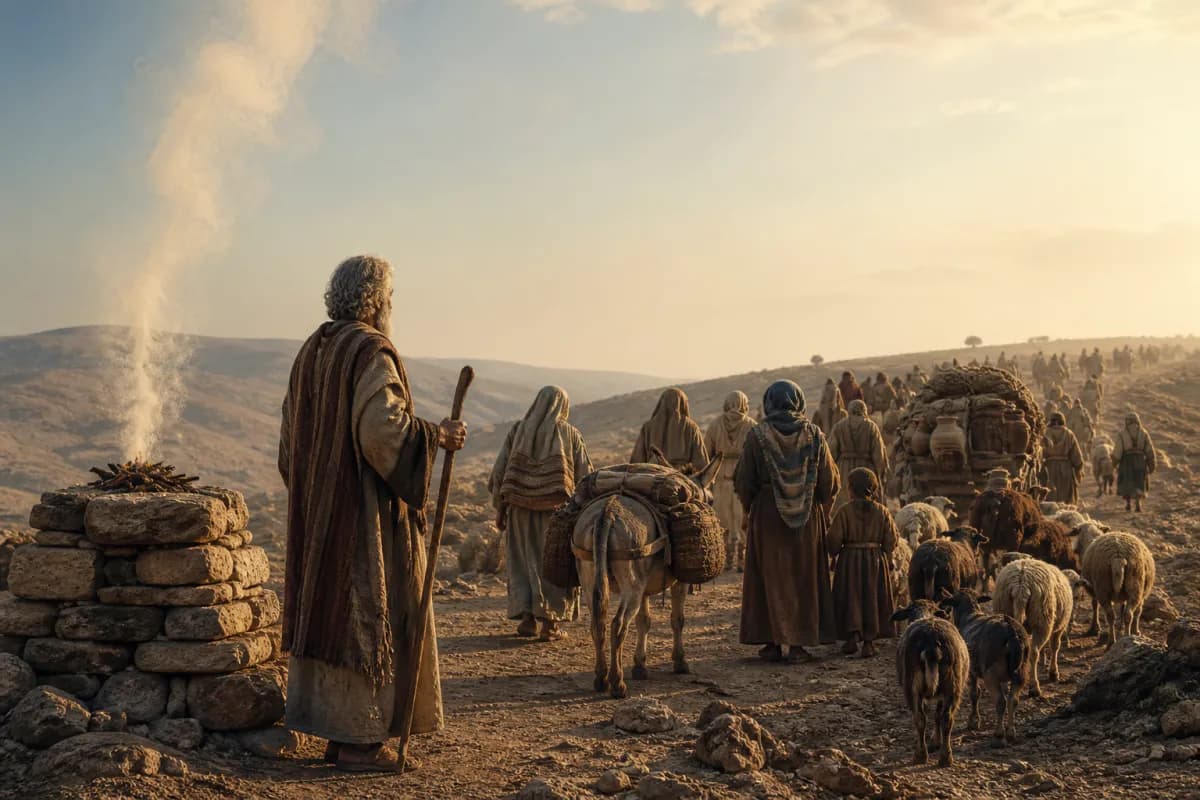
Genesis 46:1–7 records Jacob’s last departure from Canaan as he travels to Egypt to see Joseph. At Beersheba, God tells Israel not to fear the descent: Egypt will become the place where God makes him a great nation, and God Himself will go with him. The promise steadies a fearful patriarch and points to Jesus, through whom God keeps His covenant purpose and brings His people home.

Study this passage →
Genesis 46:8–46:27

52 of 876 · Passage study

The Names Going Down to Egypt: A Household Kept by Promise

Genesis 46:8–27 records the names of Jacob’s descendants who go to Egypt. The genealogy makes the covenant family concrete: God’s promise is carried through real sons, daughters, servants’ children, griefs, and births. What appears to be a small household will become Israel, and the line reaches its saving purpose in Jesus Christ, the promised offspring who gathers a people from every nation.

Study this passage →
Genesis 46:28–47:28

53 of 876 · Passage study

Israel in Egypt: Reunion, Refuge, and Provision

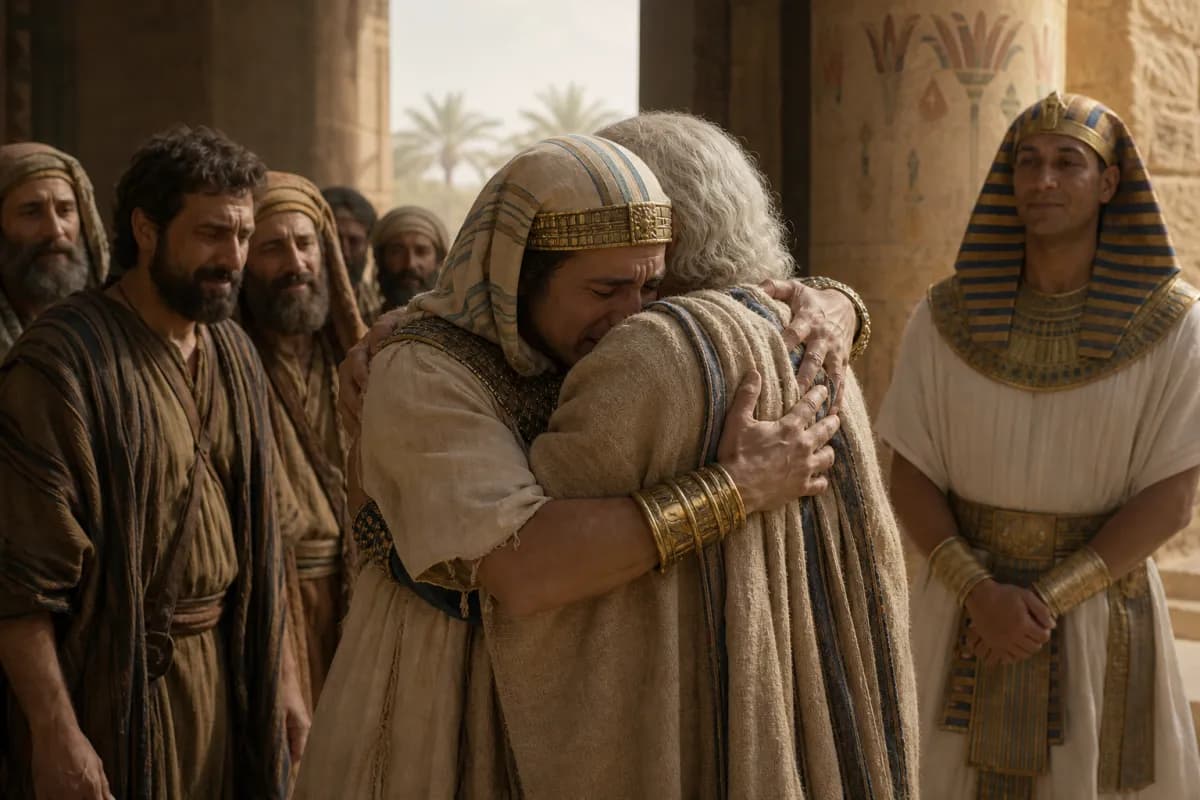
Genesis 46:28–47:12 brings Jacob’s household into Goshen, where Joseph embraces his father, presents his family to Pharaoh, and provides for them through famine. The passage shows God preserving the covenant family in a foreign land without erasing its identity. It points to Jesus, who brings estranged people into the Father’s welcome and sustains His people by grace.

Study this passage →
Genesis 47:29–50:26

54 of 876 · Passage study

The Deaths of Jacob and Joseph: Hope Beyond Egypt

Genesis 47:29–50:26 closes the patriarchal story with Jacob’s oath about burial in Canaan, his blessings over Joseph’s sons and his own sons, Joseph’s burial of Jacob, and Joseph’s final assurance that God will preserve life despite his brothers’ evil. Joseph dies in Egypt still trusting God’s future visitation. The ending points to Jesus, whose death and resurrection secure the promised future for all who belong to Him.

Study this passage →
Exodus 1:1–1:7

55 of 876 · Passage study

Israel Multiplies in Egypt: God’s Promise Under Pressure

Exodus opens with Israel growing in the land of its refuge after Joseph’s death. The repeated language of fruitfulness shows that God is keeping His promise to Abraham even in a foreign land, while setting the stage for the conflict between Pharaoh’s fearful rule and the Lord’s saving purpose.

Study this passage →
Exodus 1:8–1:14

56 of 876 · Passage study

Pharaoh Oppresses Israel: When Power Turns Cruel

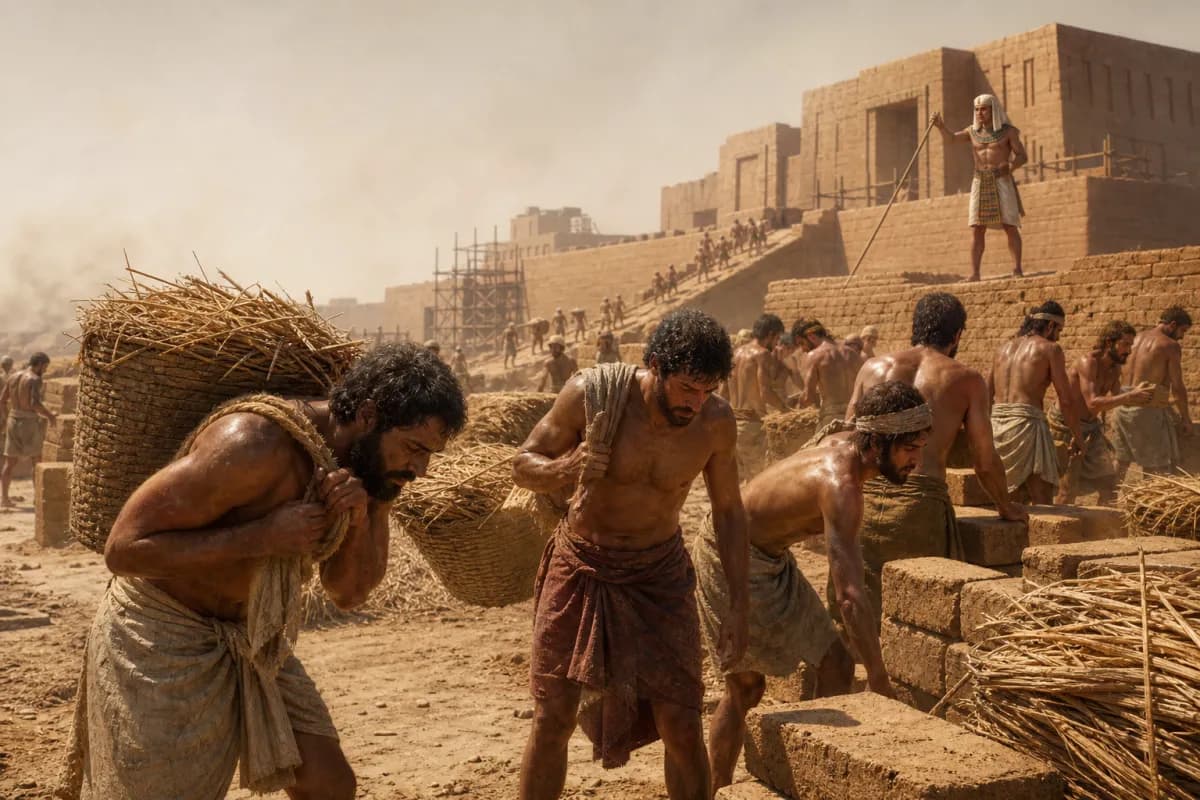
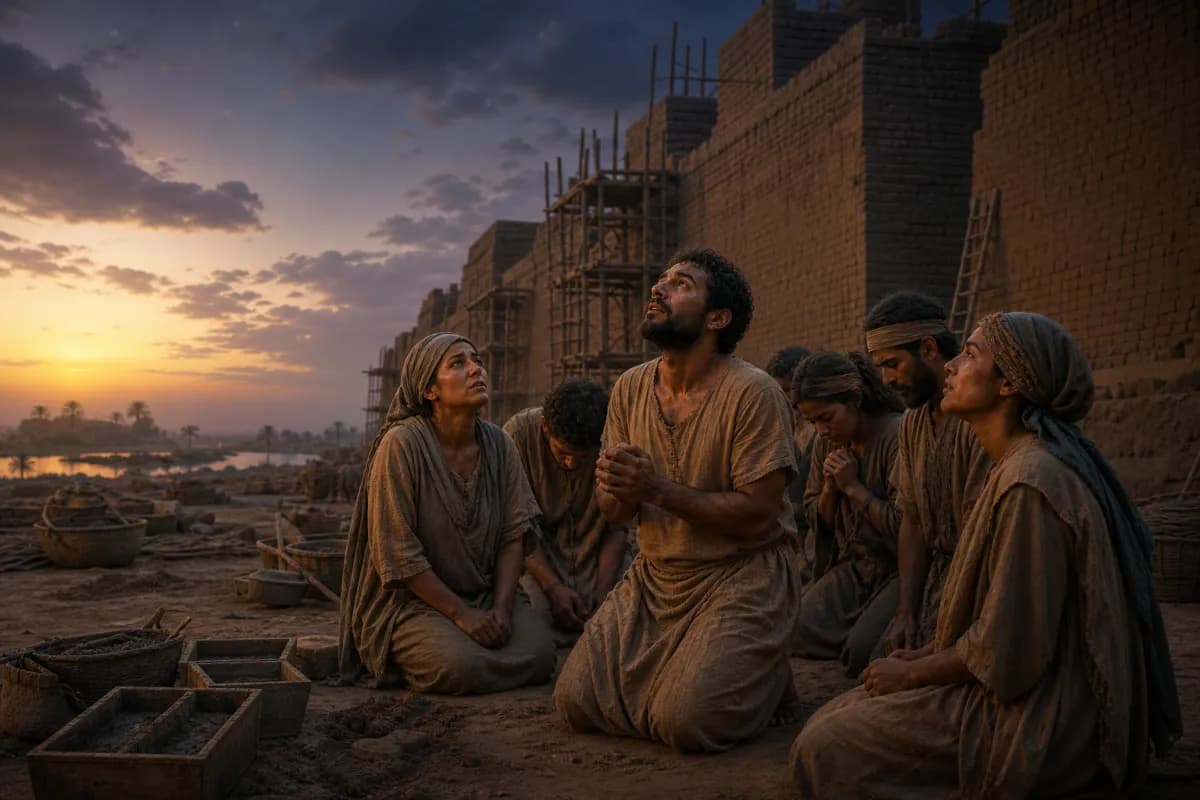
Exodus 1:8–14 shows Pharaoh answering his fear of Israel with forced labor. His policy makes life bitter, yet his oppression cannot cancel the fruitfulness God gives. The passage exposes the cruelty of power detached from the fear of God and prepares for the Lord’s rescue of a people who cannot free themselves.

Study this passage →
Exodus 1:15–1:22

57 of 876 · Passage study

The Hebrew Midwives Fear God Above Pharaoh

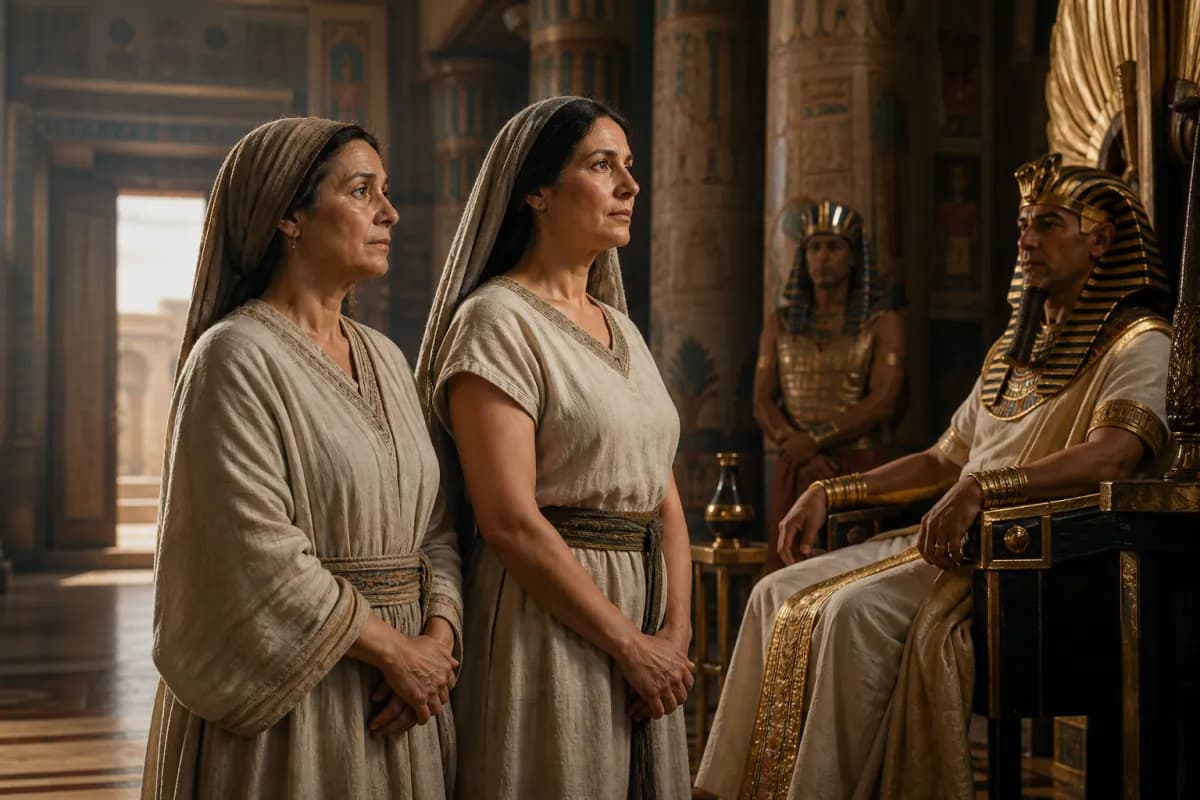
Exodus 1:15–22 places two midwives before Pharaoh’s command to kill Hebrew boys. Shiphrah and Puah fear God rather than the king, preserve life, and receive God’s kindness. Their courage reveals that reverence for God can resist evil commands even when the resistance is costly and the outcome is uncertain.

Study this passage →
Exodus 2:1–2:10

58 of 876 · Passage study

Moses Is Rescued Through the Waters

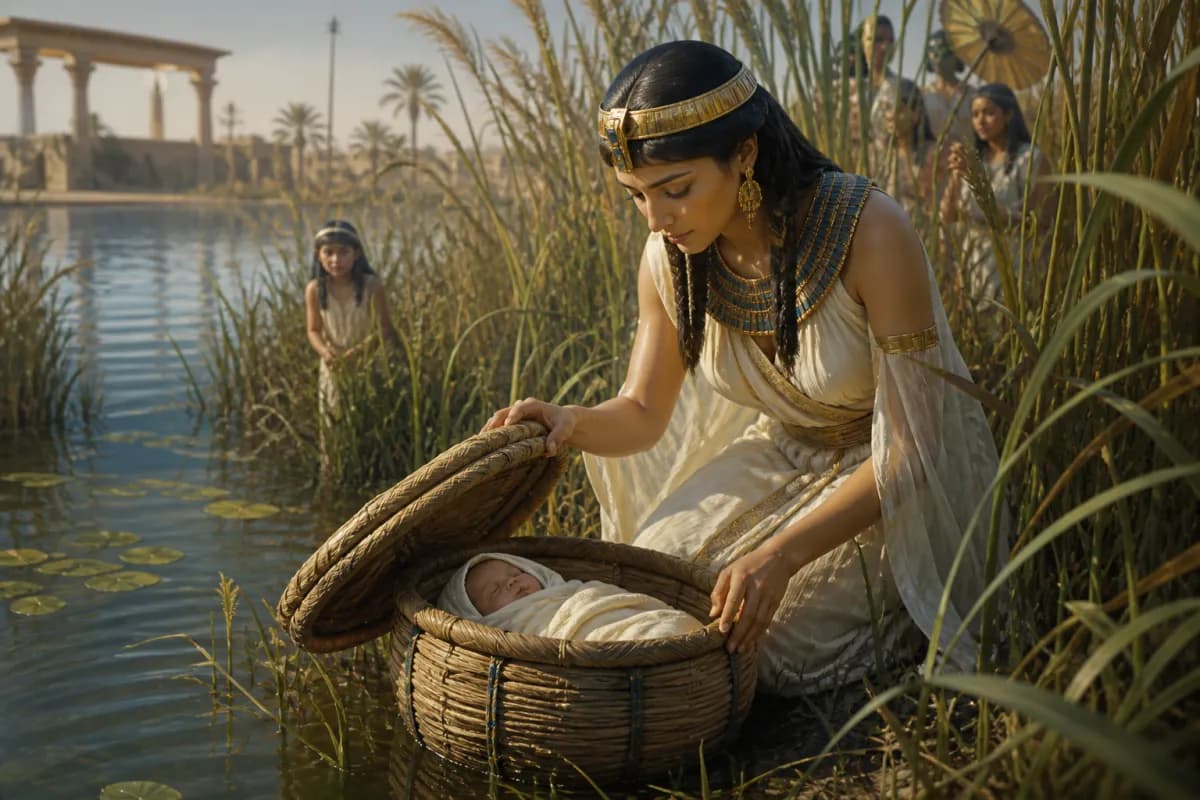
Exodus 2:1–10 tells how a Levite mother hides her son, places him in a carefully prepared basket among the reeds, and watches Pharaoh’s daughter draw him from the Nile. God’s deliverance works through ordinary courage, family care, and an unexpected act of compassion, preserving the child who will later lead Israel out of Egypt.

Study this passage →
Exodus 2:11–2:22

59 of 876 · Passage study

Moses Flees: A Deliverer Formed in Exile

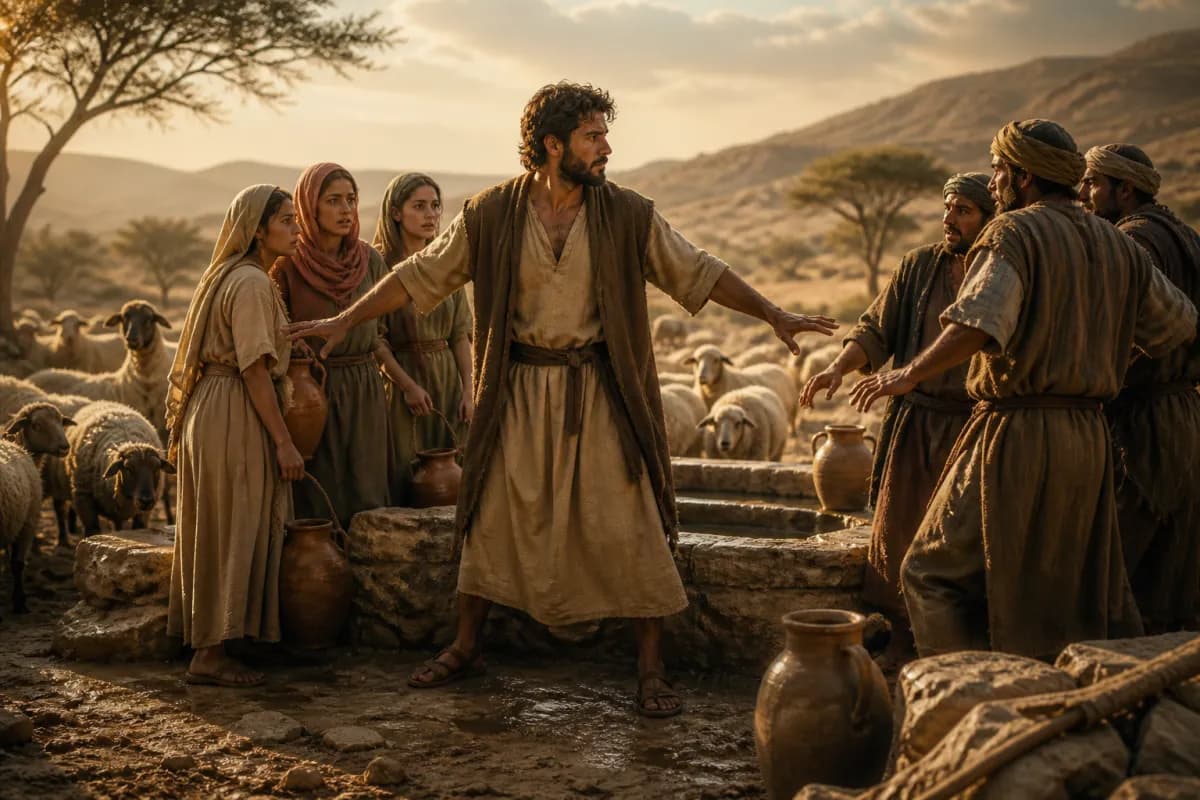
Exodus 2:11–25 follows Moses from identification with his oppressed people, through the killing of an Egyptian and flight from Pharaoh, to a new life in Midian while Israel groans in Egypt. The passage refuses both self-salvation and despair: God hears the enslaved and prepares His servant in hidden years. Jesus is the greater Deliverer, who saves by obedient self-giving rather than violence and brings outsiders near to God.

Study this passage →
Exodus 2:23–2:25

60 of 876 · Passage study

God Hears Israel’s Cry and Remembers His Covenant

Exodus 2:23–25 turns from Moses’ exile to Israel’s continuing bondage. Their groaning rises to God, and the narrative answers with four covenant verbs: God hears, remembers, sees, and knows. The coming exodus begins in God’s faithful attention to a suffering people and in His commitment to the promises He made to Abraham, Isaac, and Jacob.

Study this passage →
Keep scrolling for the next passage.