Truth-Scrolling

Exodus 11:1–11:10

85 of 876 · Passage study

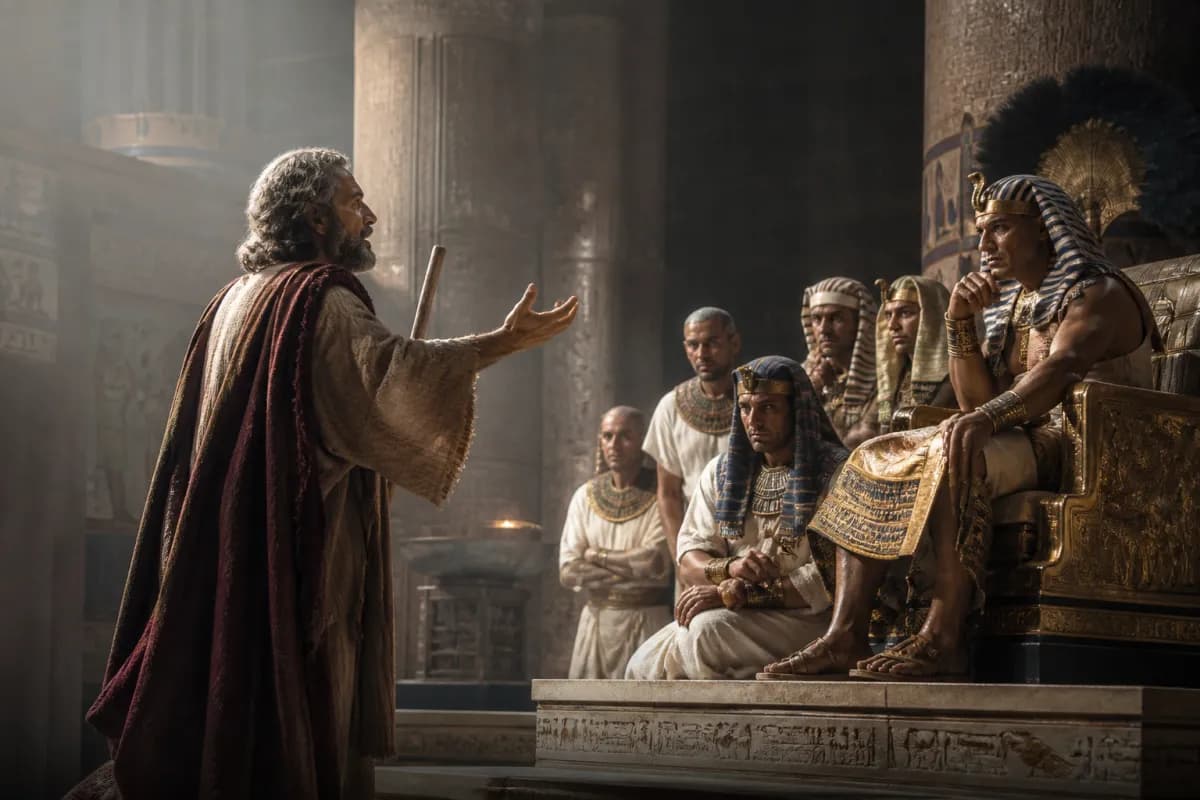
The Final Plague Announced: The Cost of Pharaoh’s Refusal

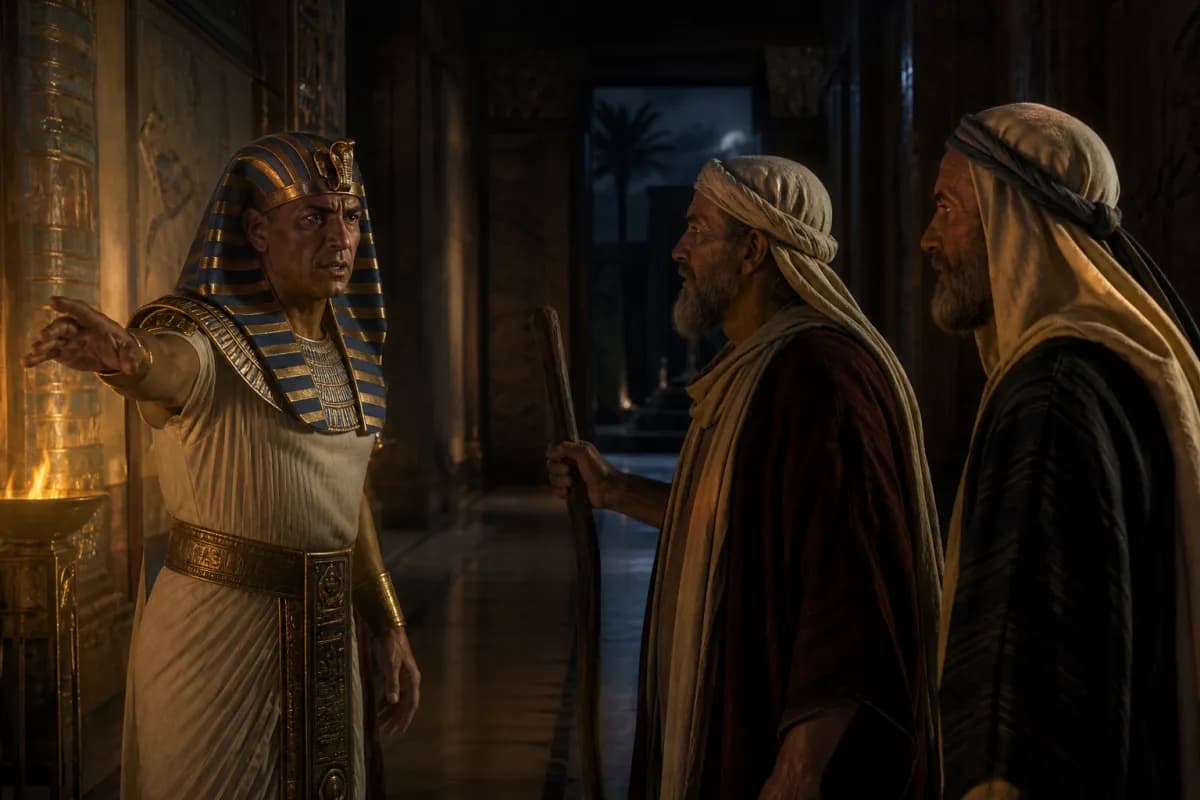
Exodus 11:1–10 announces one final blow after which Pharaoh will drive Israel out of Egypt. Moses tells Israel to ask the Egyptians for silver and gold, declares that Egypt’s firstborn will die, and insists that Israel will be visibly distinguished from Egypt. The severe announcement exposes the cost of a ruler’s hardened oppression and leads toward the Passover, where God provides rescue that ultimately points to Jesus, the Savior who bears judgment and brings His people out of slavery to sin.
Study this passage →
Exodus 12:1–12:13

86 of 876 · Passage study

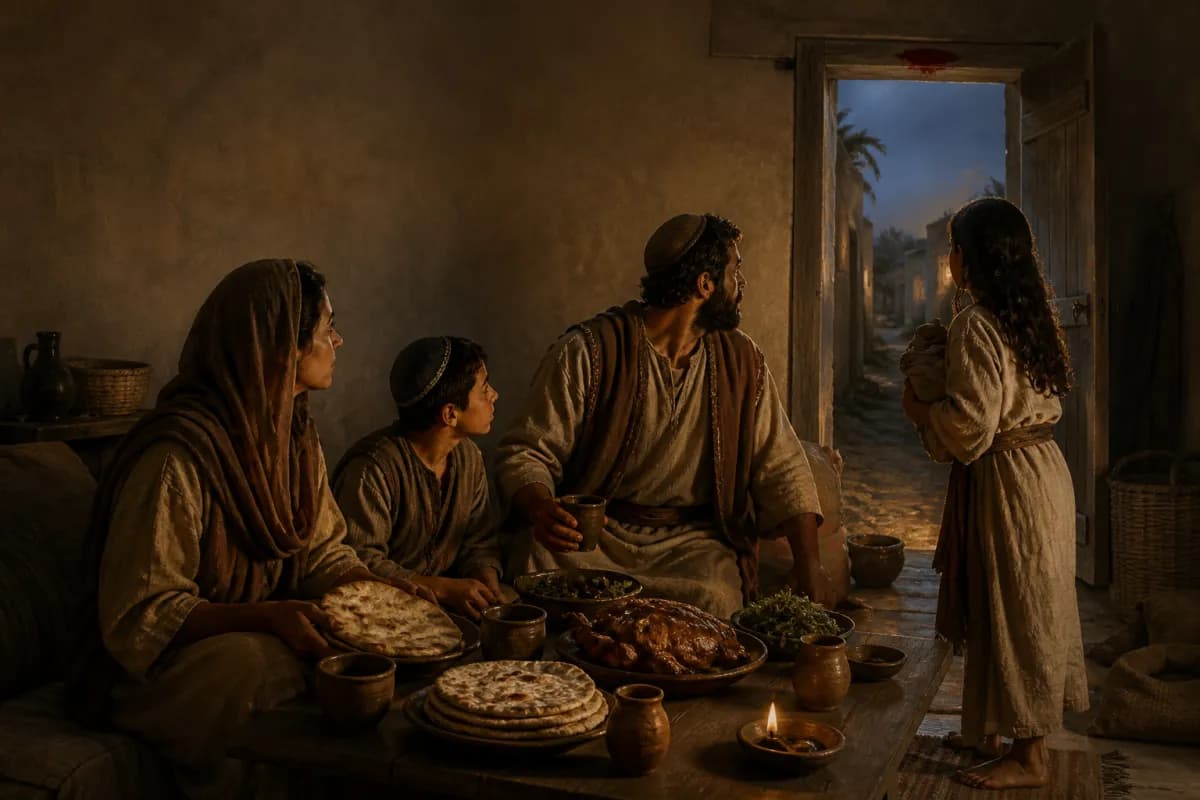
The Passover Sacrifice: Rescue Under the Blood of the Lamb

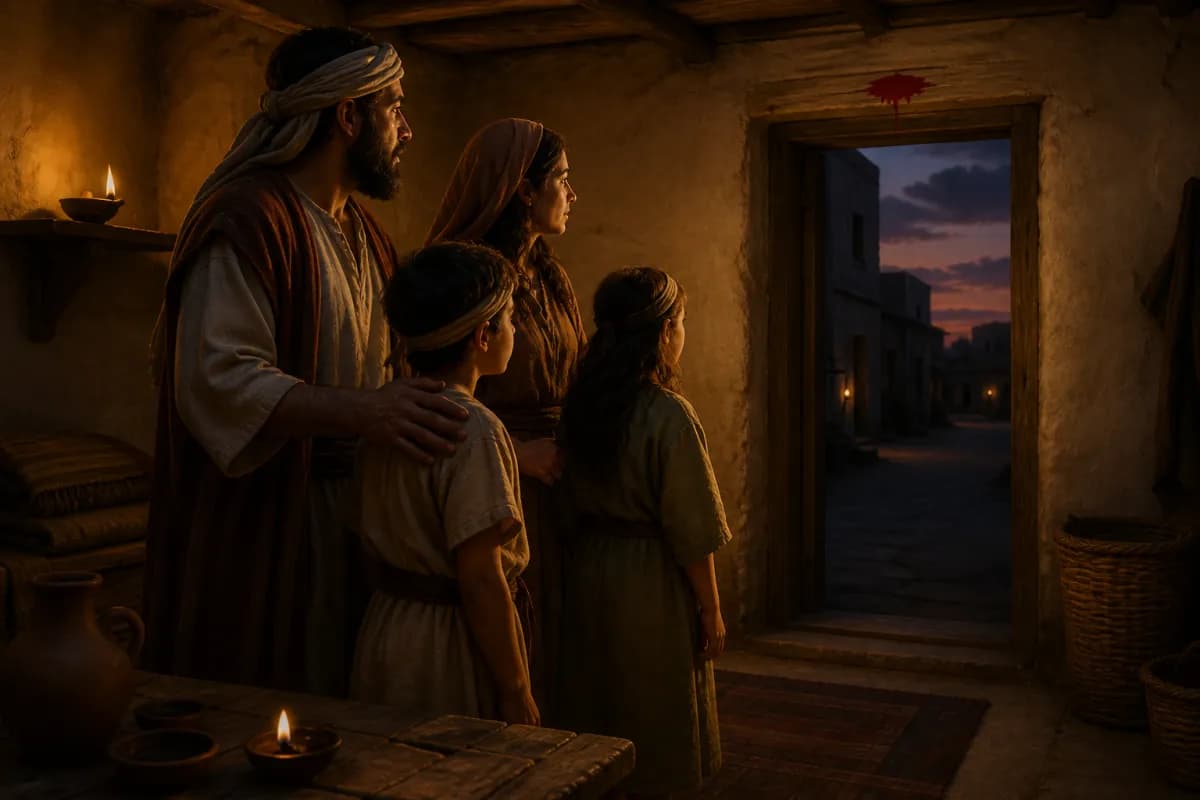
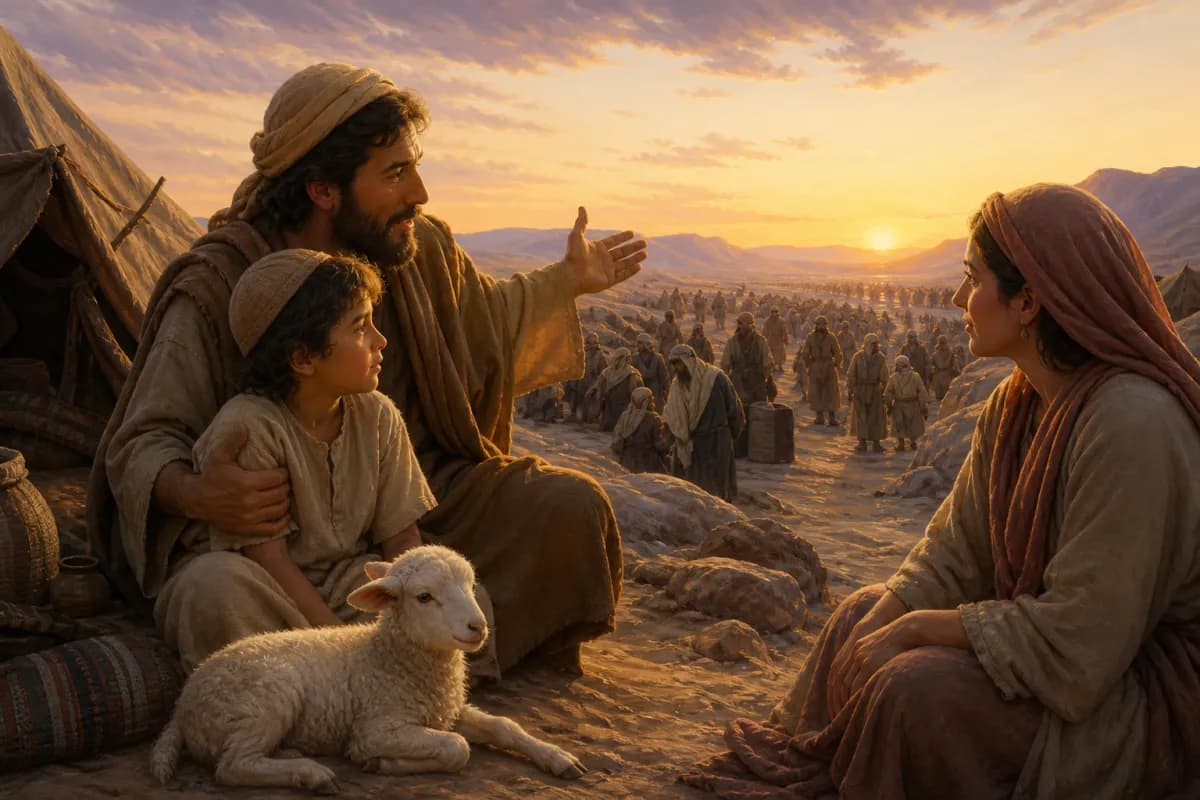
Exodus 12:1–13 gives Israel the Passover instructions on the eve of departure: each household is to take an unblemished lamb, mark the doorposts with its blood, eat in readiness, and remember that the Lord will pass over the marked homes when judgment falls on Egypt. The passage is the Bible’s central exodus rescue pattern and points directly to Jesus Christ, the Lamb who gives His life so that sinners may be delivered from judgment and brought into a new life of worship and mission.

Study this passage →
Exodus 12:14–12:20

87 of 876 · Passage study

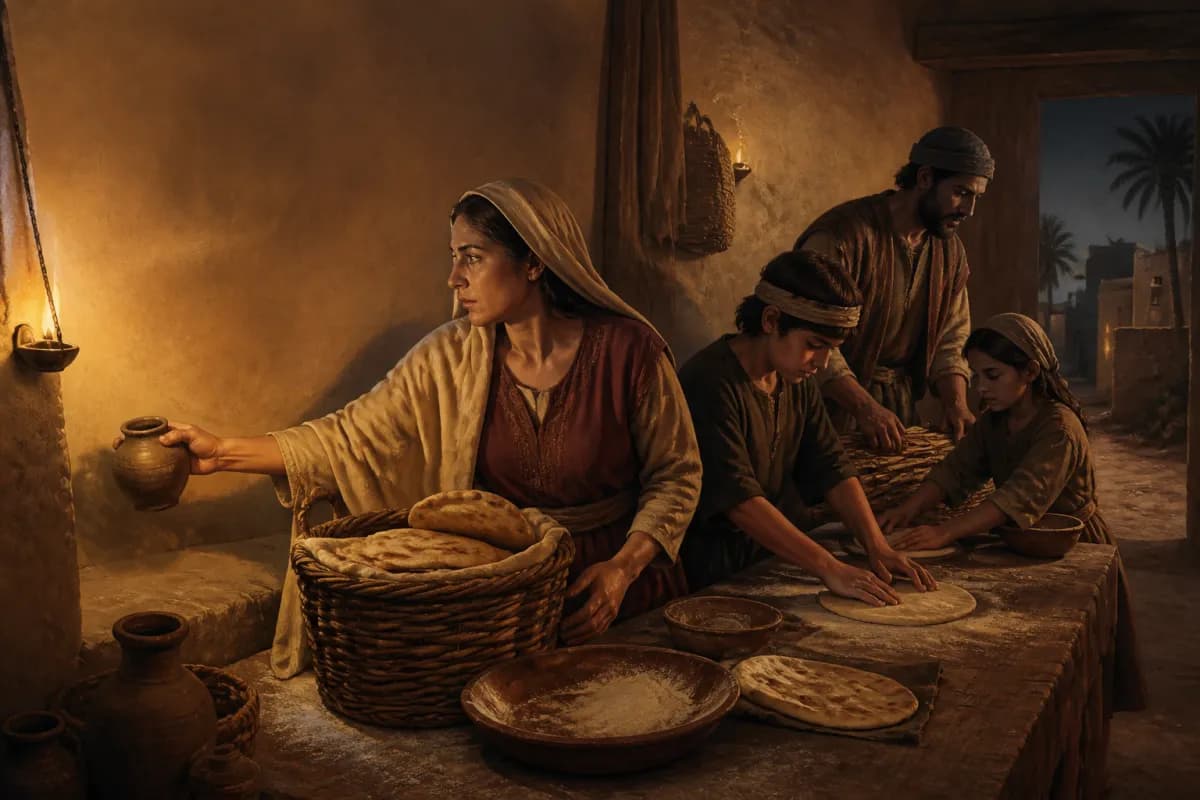
The Feast of Unleavened Bread: Remembering a Hasty Rescue

Exodus 12:14–20 commands Israel to remember its departure from Egypt by removing leaven and eating unleavened bread for seven days. The practice preserves the memory of a deliverance so urgent that there was no time for dough to rise, and it points to Jesus, whose saving death forms a people called to live in the freedom and integrity He gives.

Study this passage →
Exodus 12:21–12:28

88 of 876 · Passage study

Passover at the Door: Trusting God’s Appointed Shelter

Exodus 12:21–28 records Moses giving Israel its final Passover instructions: each household must kill the lamb, mark the doorway with its blood, stay inside until morning, and teach future generations what the rite means. The passage presents deliverance as God’s gift received through the shelter He appoints and directs readers to Jesus, the true Passover Lamb whose saving mission brings sinners safely to God.

Study this passage →
Exodus 12:29–12:32

89 of 876 · Passage study

The Final Plague: Judgment That Breaks Pharaoh’s Hold

Exodus 12:29–32 records the death of Egypt’s firstborn at midnight and Pharaoh’s urgent command for Israel to leave with its flocks, herds, and families. The terrible judgment brings Pharaoh’s resistance to an end and displays the seriousness of evil, while the Passover shelter already provided points to Jesus, who bears judgment so that sinners may receive life and freedom.

Study this passage →
Exodus 12:33–12:42

90 of 876 · Passage study

Israel Departs: A People Carried Out by God

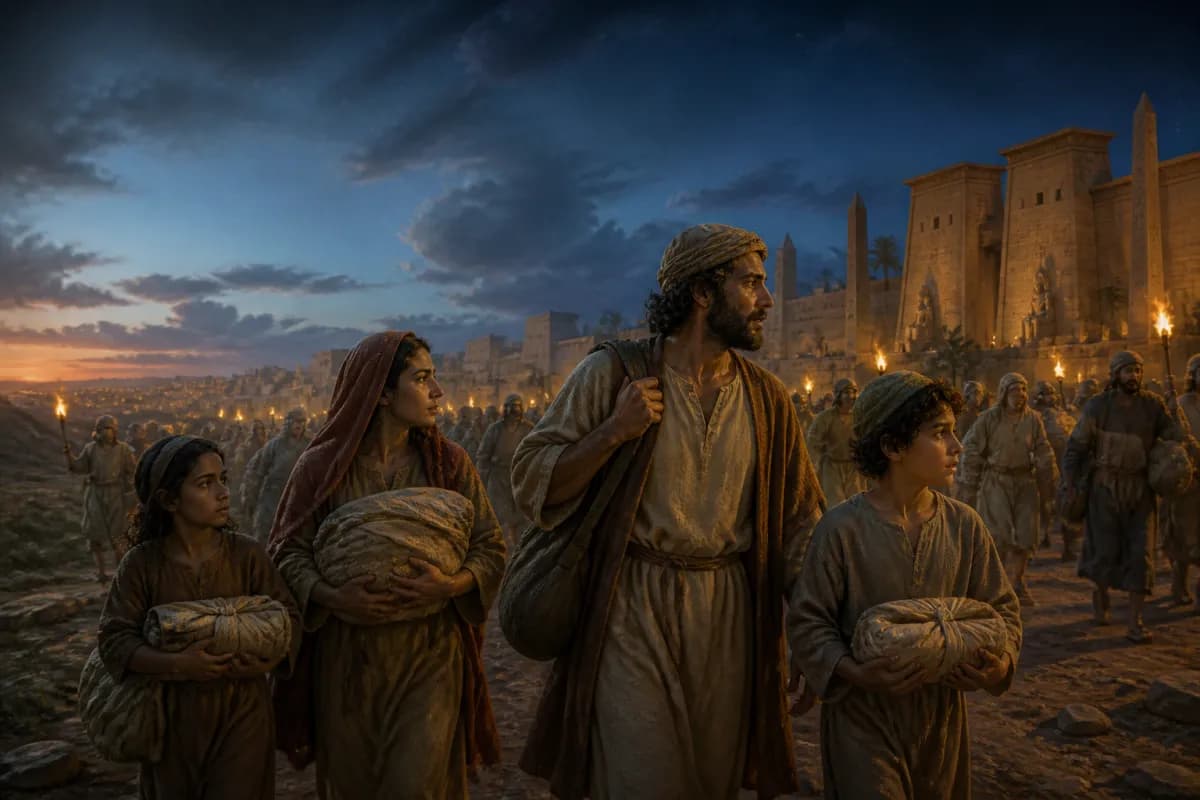
Exodus 12:33–42 describes Egypt urging Israel to leave, Israel carrying unleavened dough, receiving silver and gold from Egyptians, and departing in a vast company after 430 years. The passage celebrates a liberation the Lord Himself brings about and points to Jesus, who leads a greater exodus by freeing people from sin for a life of worship and belonging to God.

Study this passage →
Exodus 12:43–12:51

91 of 876 · Passage study

The Passover Meal: A Covenant Table with an Open Door

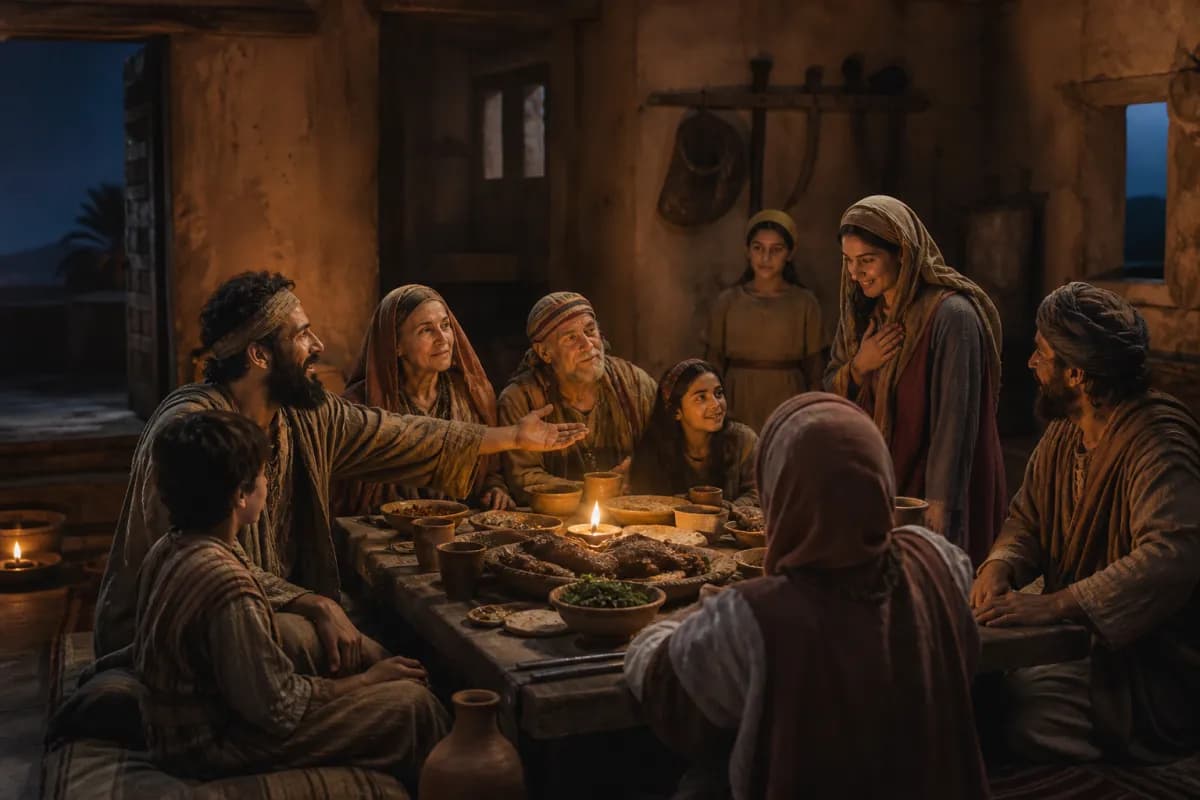
Exodus 12:43–13:16 defines who may eat the Passover, makes a path for resident aliens to join through covenant belonging, consecrates Israel’s firstborn, and commands parents to tell the exodus story. The passage holds together the holiness of God’s covenant and His purpose to form a people, pointing to Jesus, who fulfills Passover and brings Jews and Gentiles near through faith in Him.

Study this passage →
Exodus 13:1–13:16

92 of 876 · Passage study

The Firstborn Belong to the Lord: Freedom Remembered as Worship

Exodus 13:1–16 consecrates Israel’s firstborn because the Lord spared them on Passover night. The command turns deliverance into lasting worship and teaching, pointing to Jesus, God’s unique Son, who gives Himself so that those under death may be redeemed.

Study this passage →
Exodus 13:17–13:22

93 of 876 · Passage study

Led by Cloud and Fire: God’s Wise Presence on the Wilderness Road

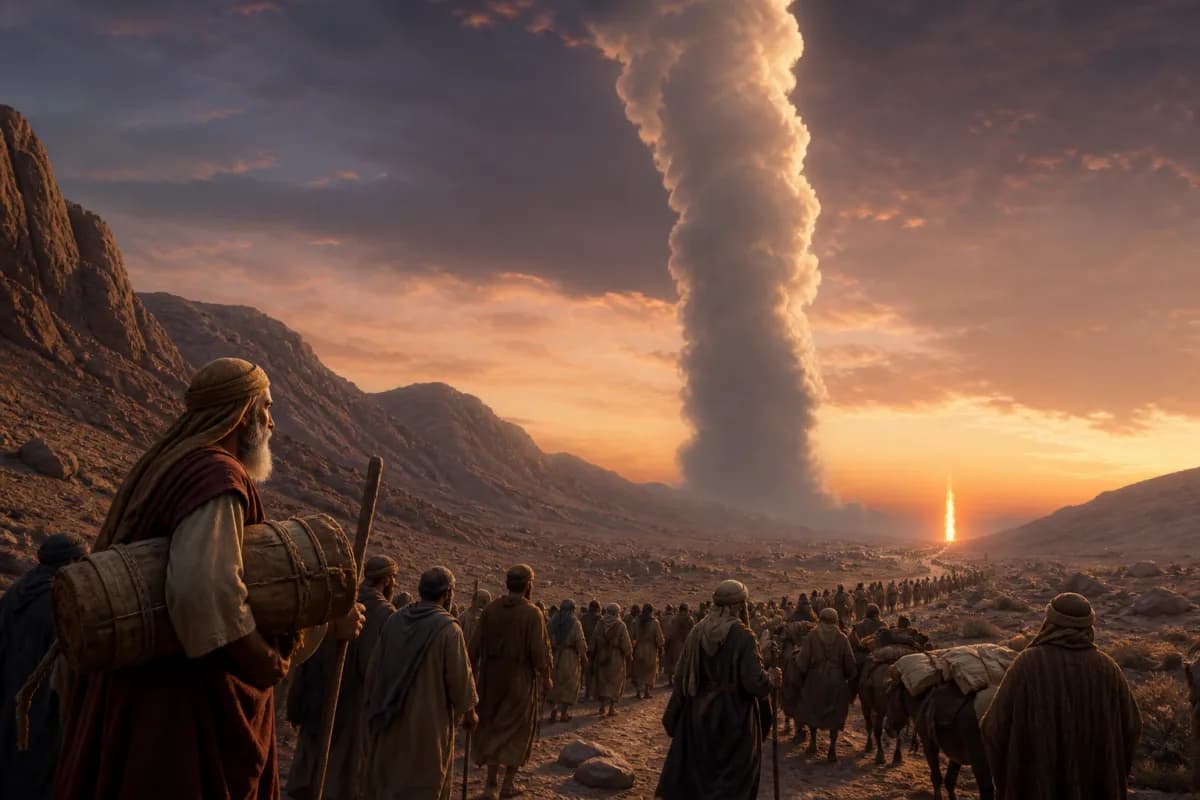
Exodus 13:17–22 explains why God leads Israel away from the nearer Philistine road and goes before it in a pillar of cloud by day and fire by night. The route reveals a Shepherd who knows His people’s fear and stays visibly with them, preparing readers to trust Jesus, who leads His people through suffering toward the Father.

Study this passage →
Exodus 14:1–14:14

94 of 876 · Passage study

Trapped at the Sea: Learning to Stand Before the Lord’s Rescue

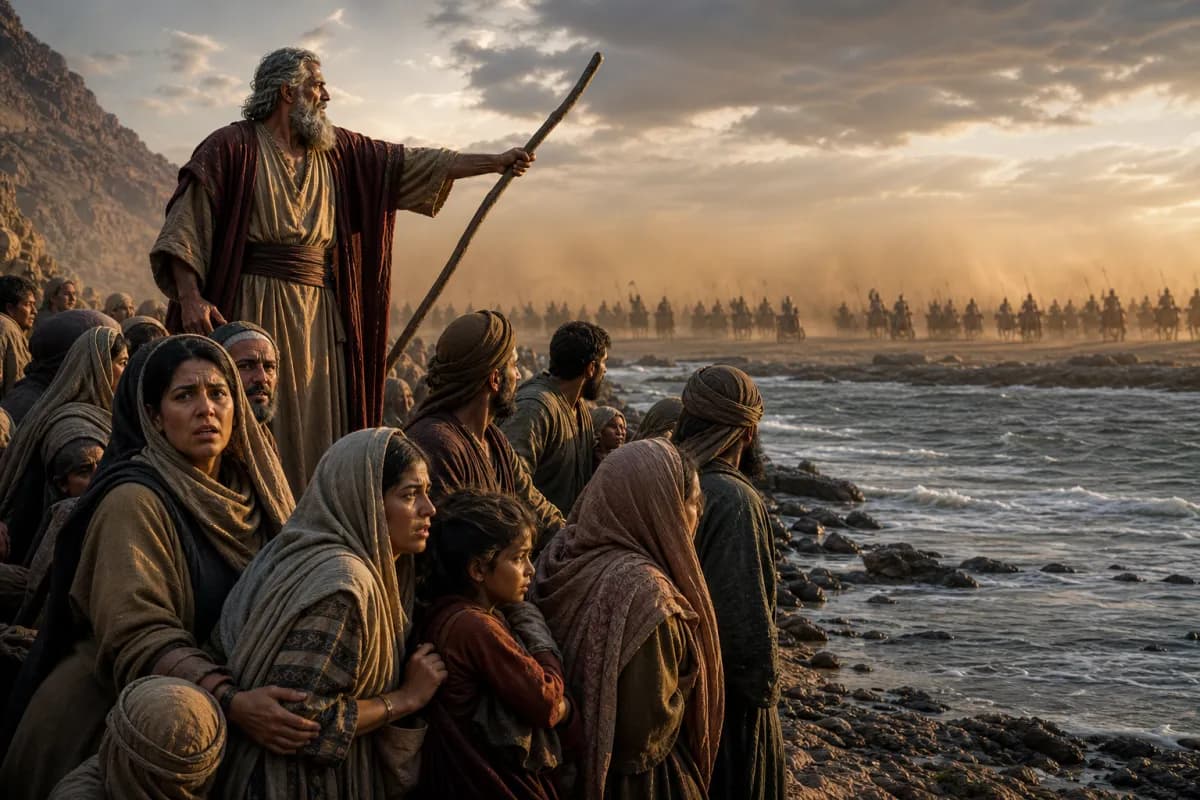
Exodus 14:1–14 places Israel between Pharaoh’s approaching army and the sea, where fear turns quickly into accusation. God deliberately brings His people into an impossible-looking place in order to reveal His glory, and Moses calls them to stand firm and see the Lord’s salvation—a pattern fulfilled in Jesus, whose victory is received by faith rather than manufactured by human strength.

Study this passage →
Exodus 14:15–14:31

95 of 876 · Passage study

Through the Sea: The Lord Makes a Way Where There Is None

Exodus 14:15–31 tells how the Lord divides the sea, brings Israel through on dry ground, and overwhelms Pharaoh’s pursuing army. The crossing reveals God as the warrior who saves His helpless people and judges the power that enslaves them, pointing to Jesus’ death and resurrection, through which He defeats sin and death and brings believers into new life.

Study this passage →
Exodus 15:1–15:21

96 of 876 · Passage study

The Song at the Sea: Praise for the Lord Who Saves

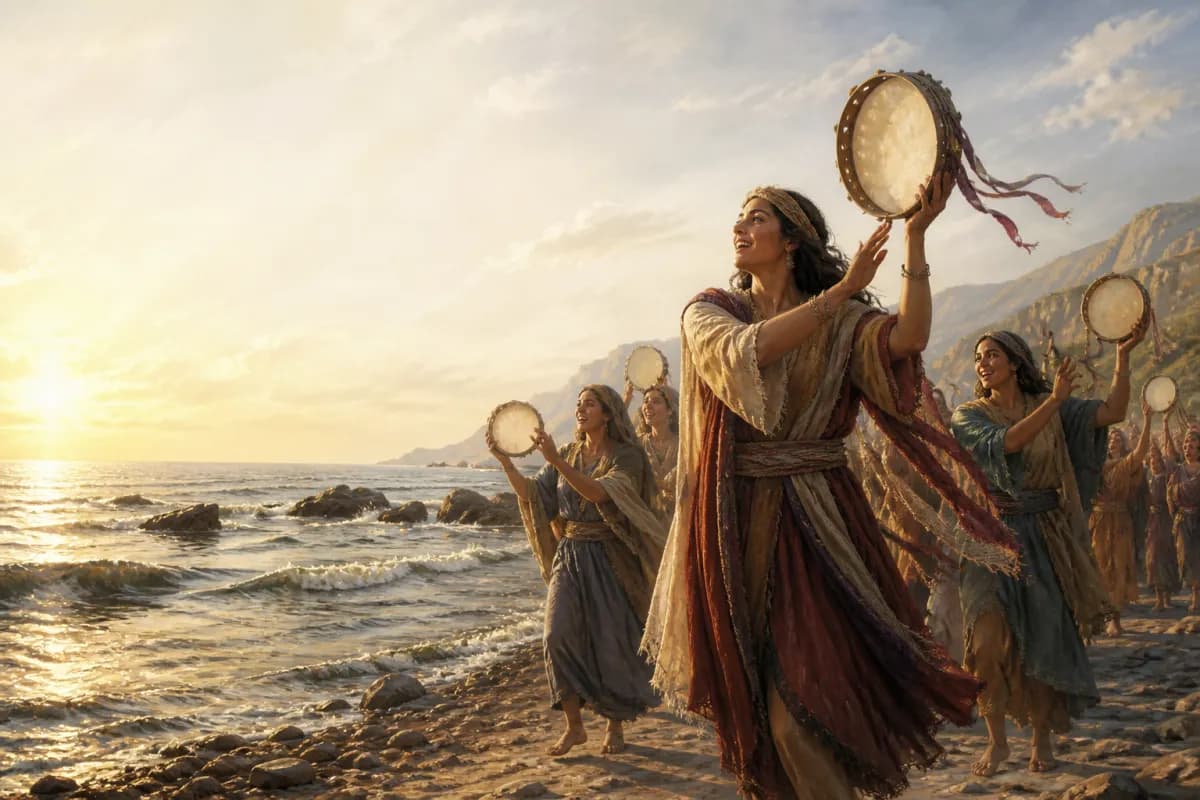
Exodus 15:1–21 is Israel’s first great song after the sea crossing, celebrating the Lord’s unmatched power, holy character, and faithfulness to lead His redeemed people to His dwelling. The song trains a rescued community to praise before it plans, and it reaches its fullest horizon in Jesus, whose resurrection victory gathers people from every nation into worship and mission.

Study this passage →
Keep scrolling for the next passage.