Truth-Scrolling

Exodus 26:1–26:14

121 of 876 · Passage study

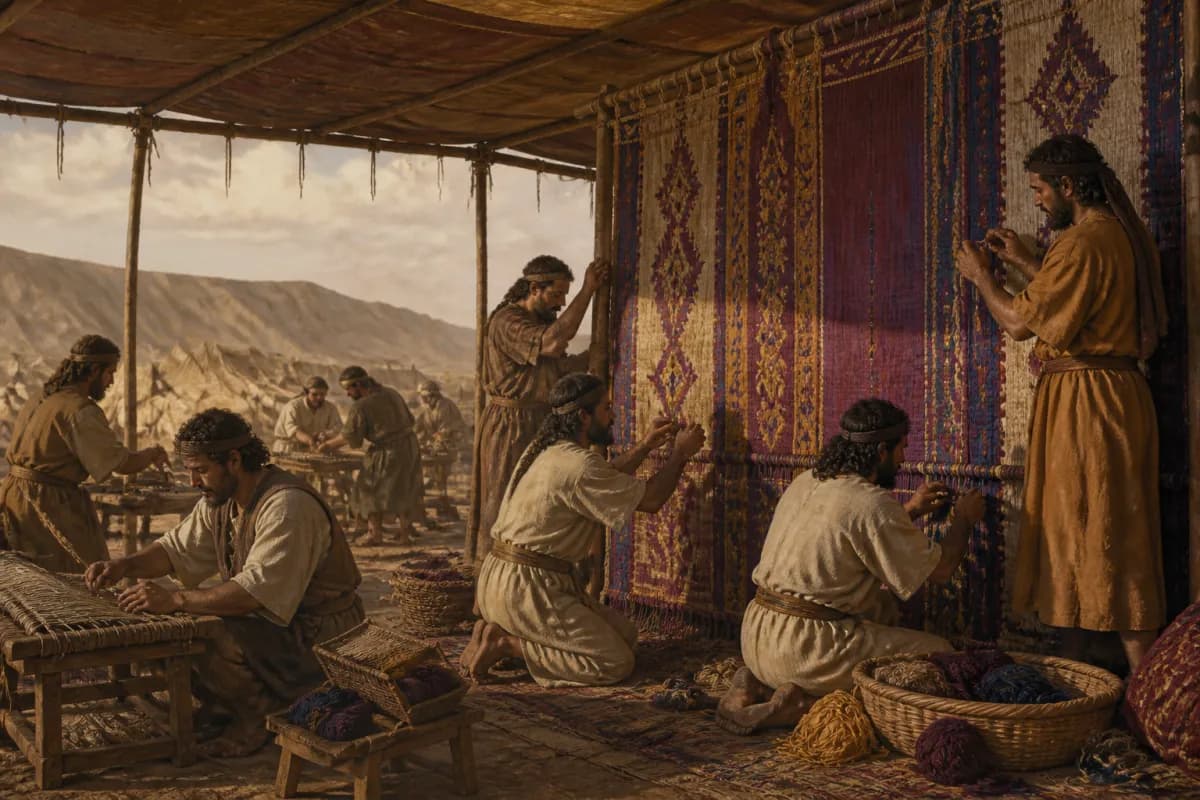
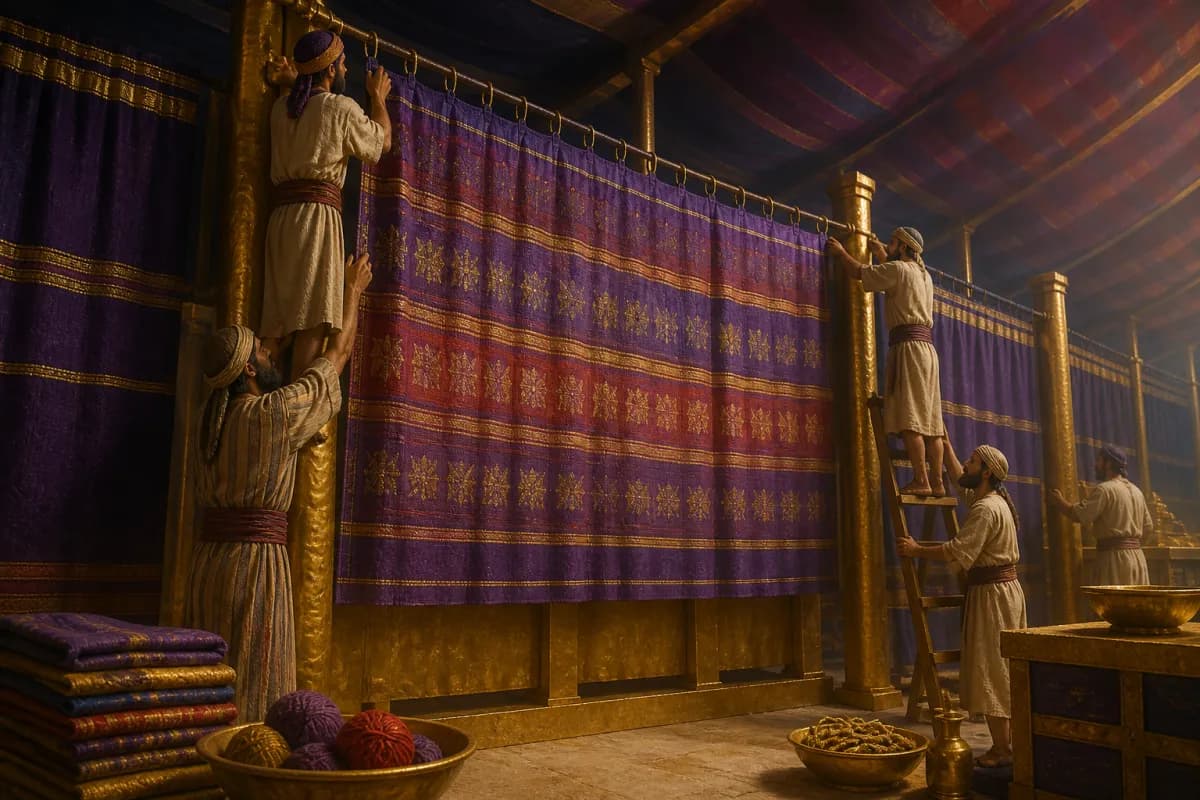
Woven Curtains for God’s Dwelling

Exodus 26:1–14 gives exact instructions for the linen curtains, loops, clasps, and protective coverings of the tabernacle. Their unity, beauty, and layers serve one purpose: the holy God chooses to dwell among a redeemed people by His own gracious provision. Jesus is God dwelling with us and opens a new way into God’s presence through His saving death.
Study this passage →
Exodus 26:15–26:30

122 of 876 · Passage study

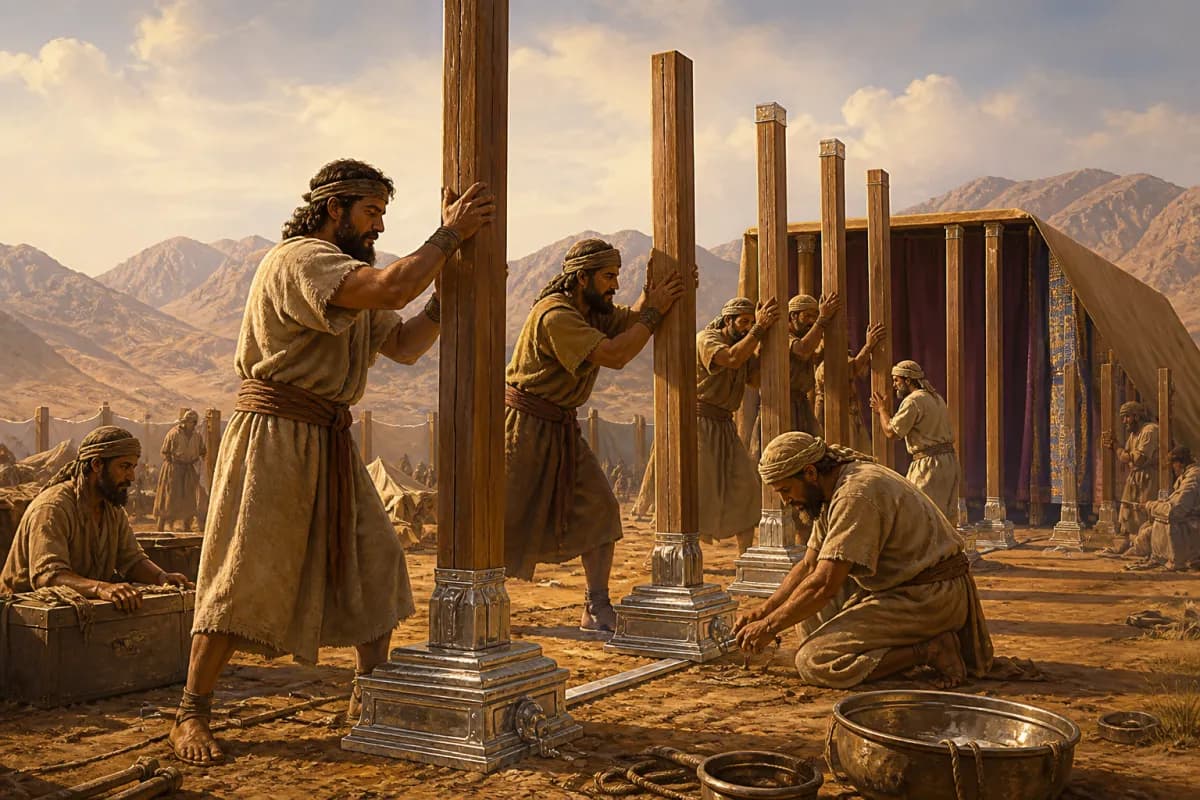
Frames and Bases: A Stable Dwelling in the Wilderness

Exodus 26:15–30 specifies the upright acacia frames, silver bases, bars, and corner construction that give the tabernacle its stable form. These details show that God’s dwelling among Israel is ordered and durable even in a wilderness journey. Jesus makes His people a holy dwelling by the Spirit, building them together for faithful worship and mission.

Study this passage →
Exodus 26:31–26:37

123 of 876 · Passage study

The Veil: Holy Presence and a Given Way In

Exodus 26:31–37 commands a woven veil between the Holy Place and the Most Holy Place, then a screen for the tent entrance. The barriers make a double truth visible: the Lord truly dwells among Israel, yet sinful people cannot walk into His holiness on their own terms. Jesus fulfills this sanctuary pattern by giving His life to bring repentant sinners near to the Father.

Study this passage →
Exodus 27:1–27:8

124 of 876 · Passage study

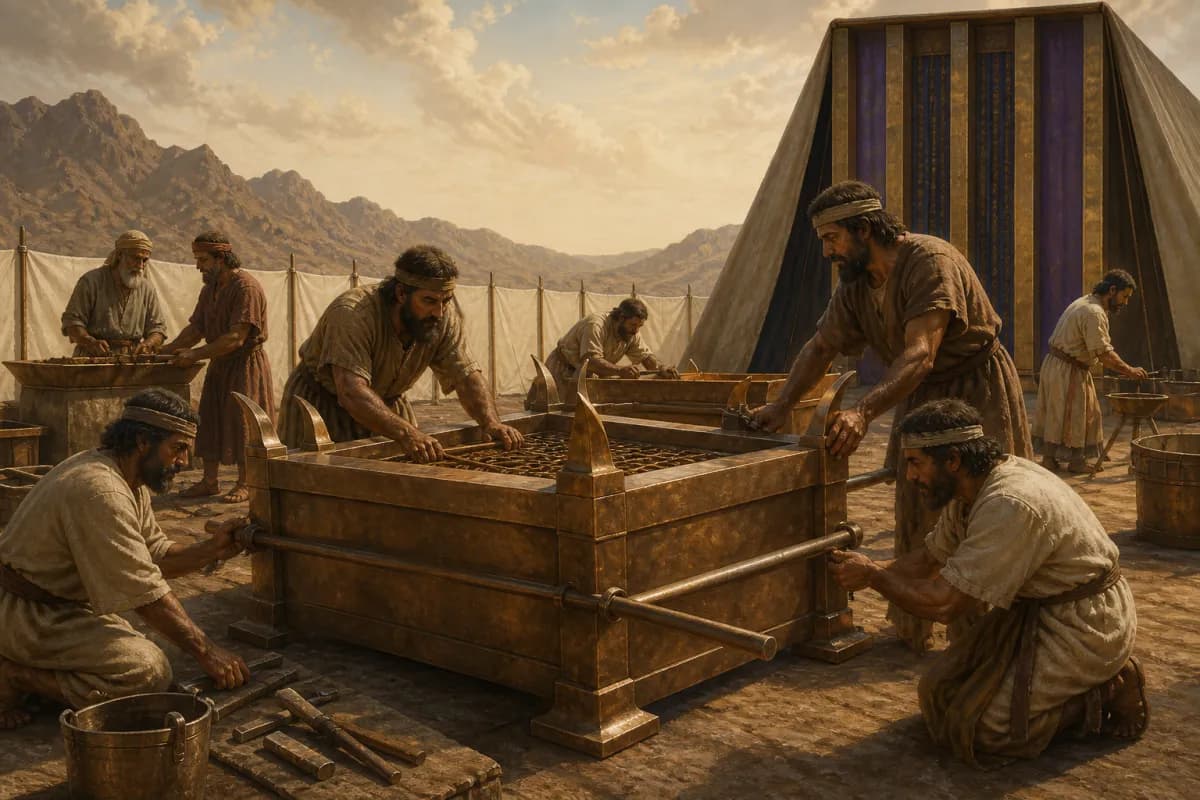
The Bronze Altar: Approach Through Sacrifice

Exodus 27:1–8 describes the bronze altar standing at the entrance of the tabernacle court. Before Israel reaches the dwelling itself, sacrifice is placed at the center of approach. The altar teaches that reconciliation with the holy God requires the provision He appoints, and it prepares the way for Jesus, whose self-giving death deals decisively with sin.

Study this passage →
Exodus 27:9–27:19

125 of 876 · Passage study

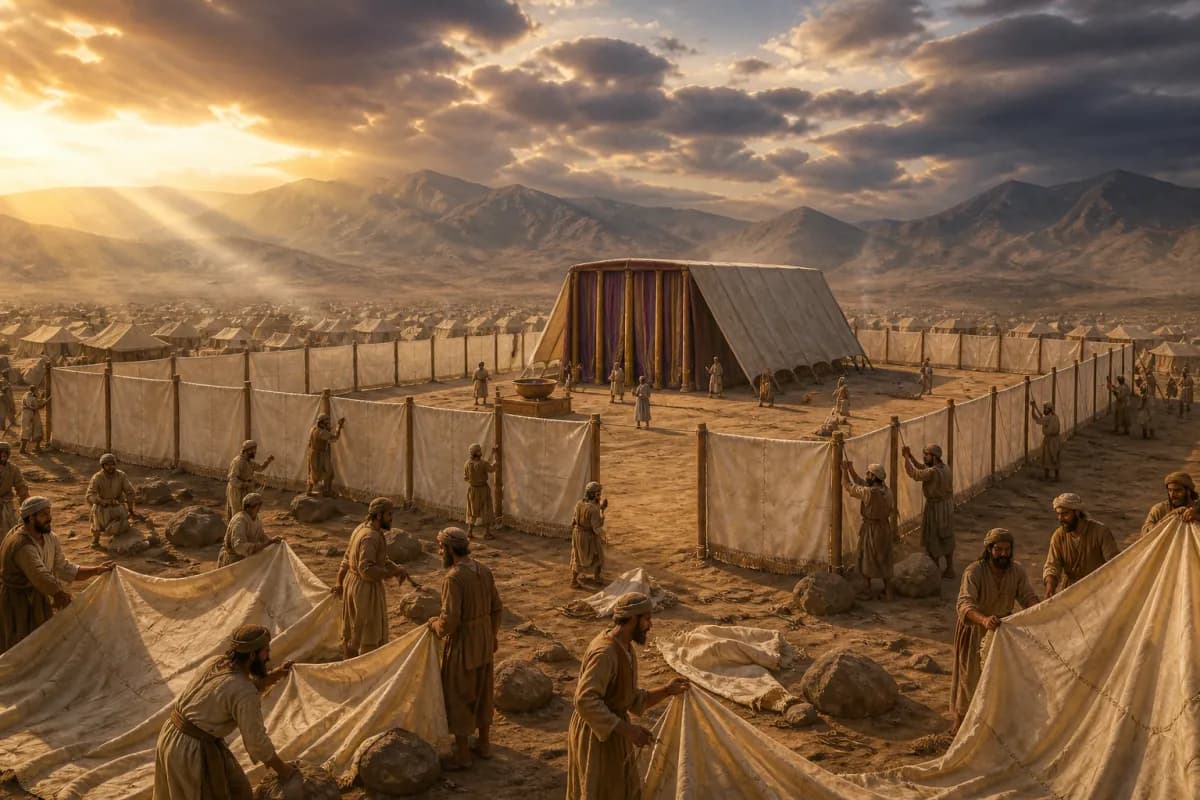
The Courtyard: A People Gathered Around God’s Dwelling

Exodus 27:9–19 sets linen hangings, bronze bases, silver hooks, and one eastern entrance around the tabernacle court. The boundary creates a real place of approach around the holy dwelling while distinguishing it from ordinary camp space. In Jesus, God gathers a people from every nation to draw near through grace and to display His holy welcome before the world.

Study this passage →
Exodus 27:20–27:21

126 of 876 · Passage study

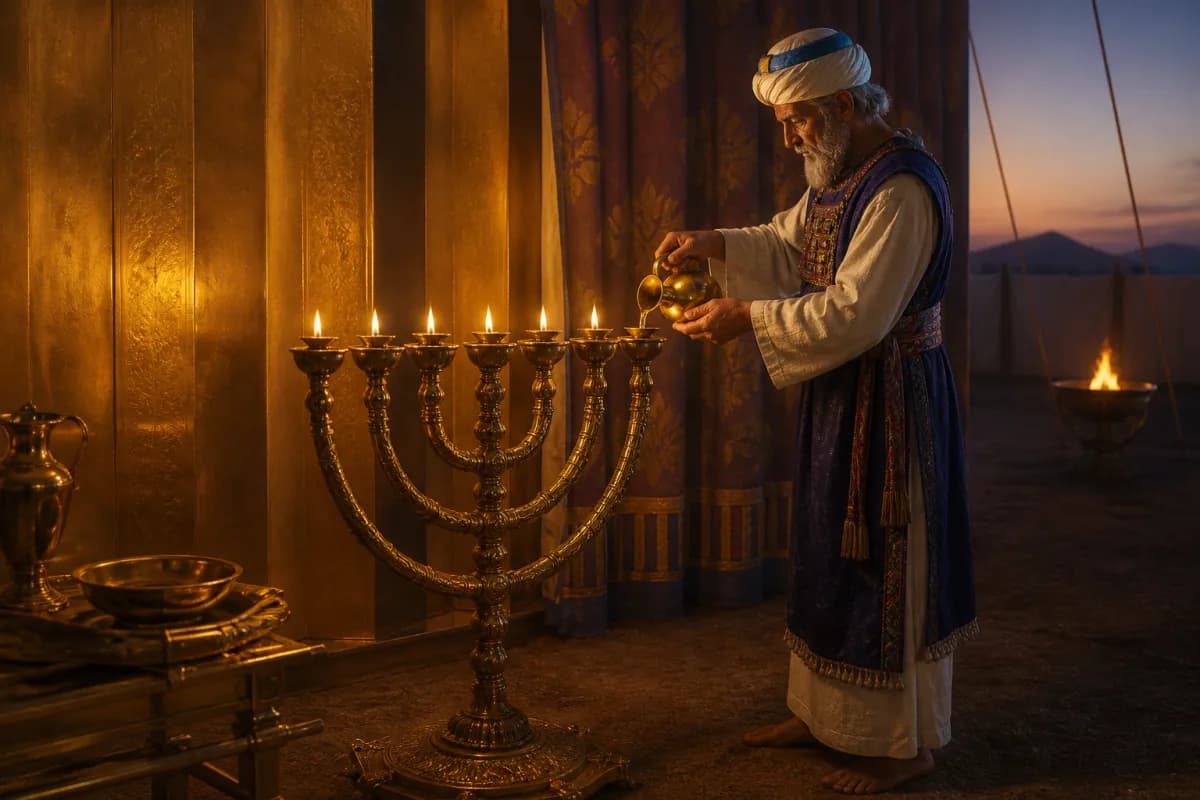
Oil for the Lamp: A Sustained Light Before God

Exodus 27:20–21 commands Israel to bring clear beaten olive oil so Aaron and his sons can keep the sanctuary lamp burning from evening to morning before the Lord. The brief command makes worship a shared and sustained responsibility. Jesus is the light of the world, and He forms a people whose ongoing life and witness are supplied by His grace rather than momentary enthusiasm.

Study this passage →
Exodus 28:1–28:5

127 of 876 · Passage study

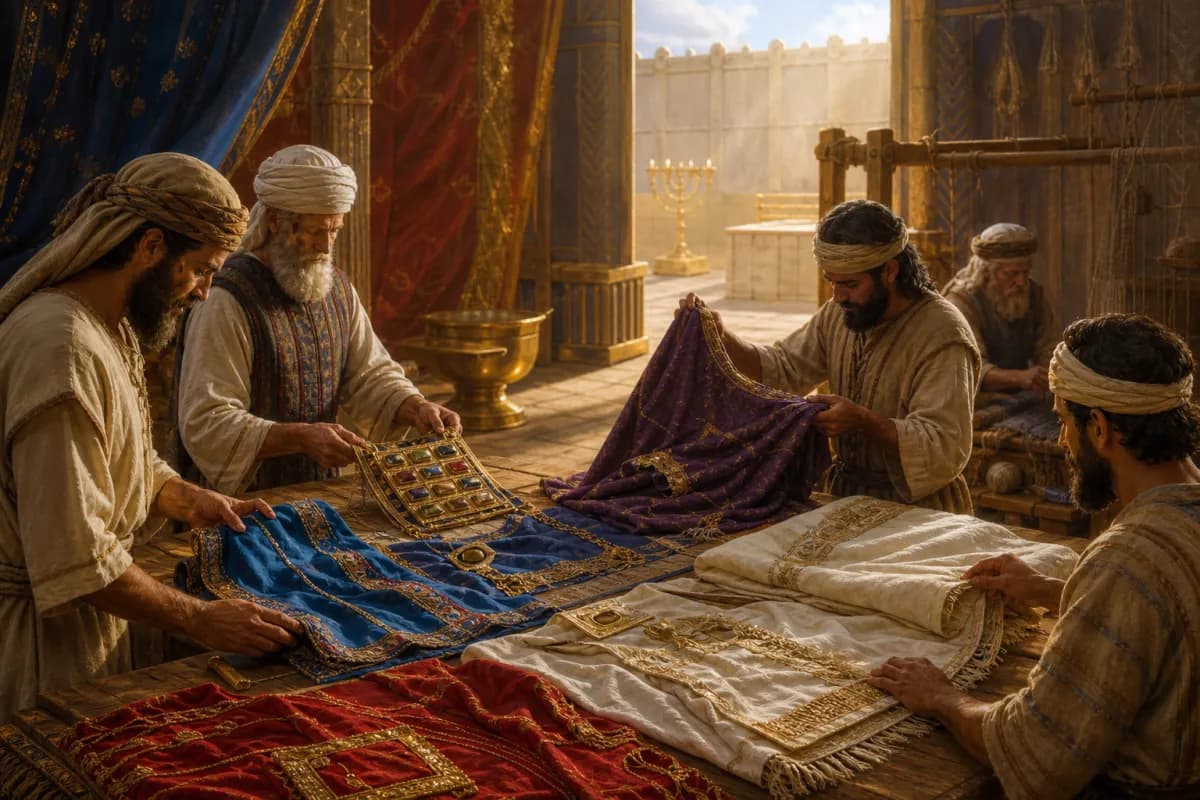
Priestly Garments: Holy Service for a People in Need

Exodus 28:1–5 sets Aaron and his sons apart to serve as priests and commands holy garments made for glory and beauty. The clothing marks a God-appointed office of representing Israel before the holy Lord; it does not celebrate private status. Jesus is the final high priest whose holy life and self-giving sacrifice bring His people to God, and He sends them to serve as a priestly witness among the nations.

Study this passage →
Exodus 28:6–14

128 of 876 · Passage study

The Ephod: Bearing God’s People Before Him

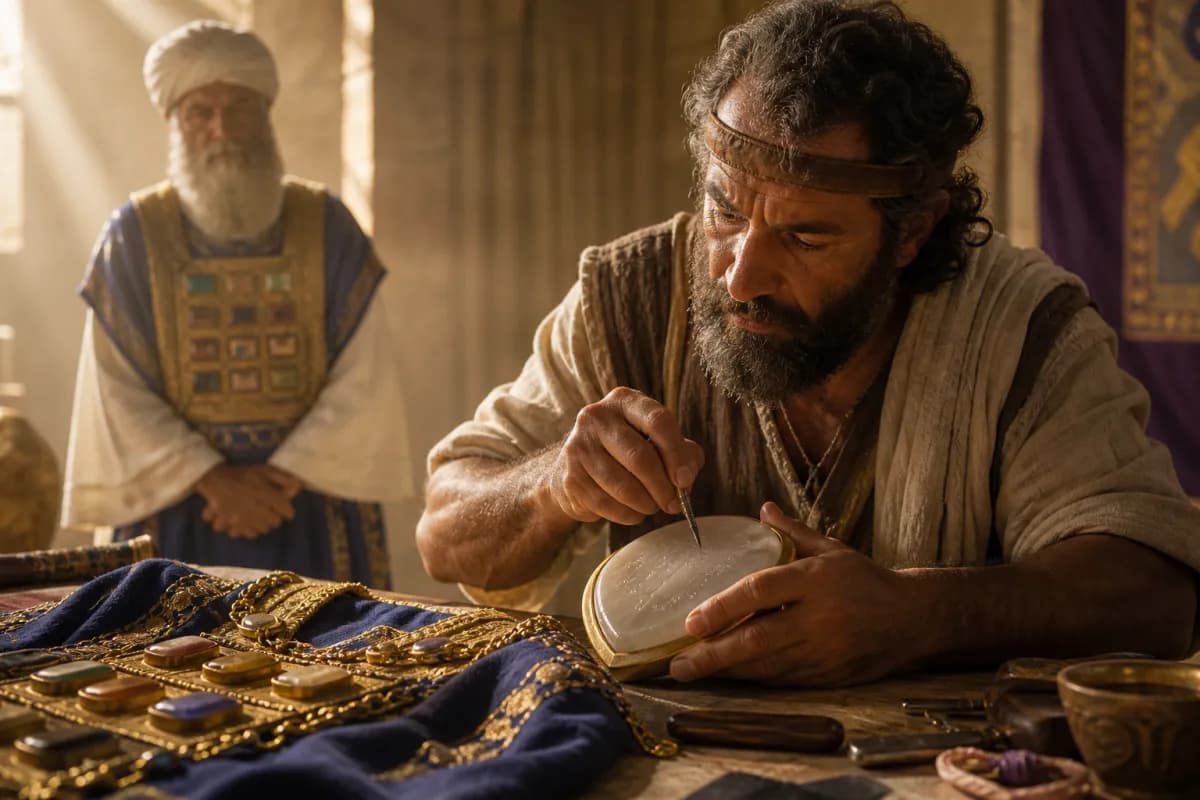
The ephod joins Aaron visibly to both the sanctuary and the people he serves. Its woven splendor belongs to the holy dwelling place, while its two onyx shoulder stones carry Israel’s engraved names before the Lord. God appoints a mediator who bears the covenant community into His presence—a priestly pattern fulfilled decisively in Jesus Christ.

Study this passage →
Exodus 28:15–28:30

129 of 876 · Passage study

The Breastpiece: Israel Carried Before the Lord

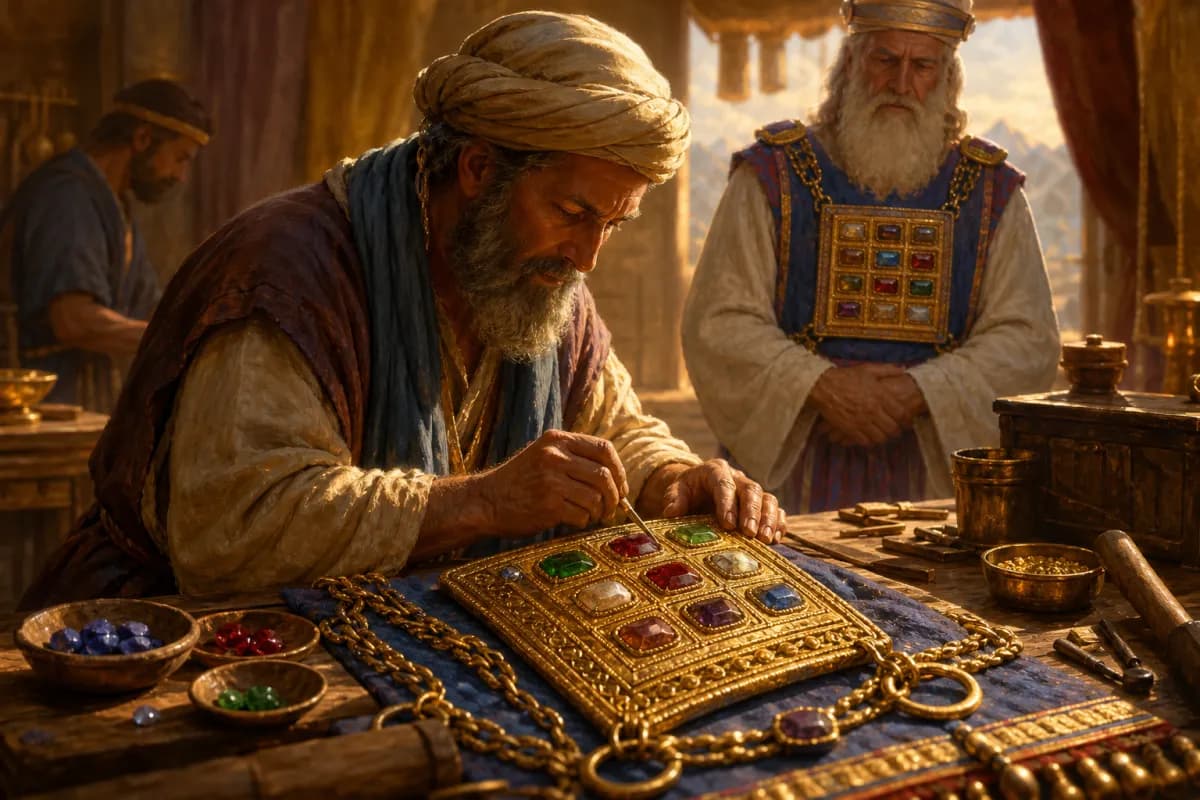
Exodus 28:15–30 gives Aaron a jeweled breastpiece fastened to the ephod, bearing the names of Israel’s tribes over his heart when he enters the holy place. The garment makes priestly representation visible: God’s people are remembered before Him through the mediator He appoints. Jesus is the greater High Priest who brings His people to the Father and gives them the saving guidance they need.

Study this passage →
Exodus 28:31–28:43

130 of 876 · Passage study

Holy to the Lord: The Priest’s Garments of Service

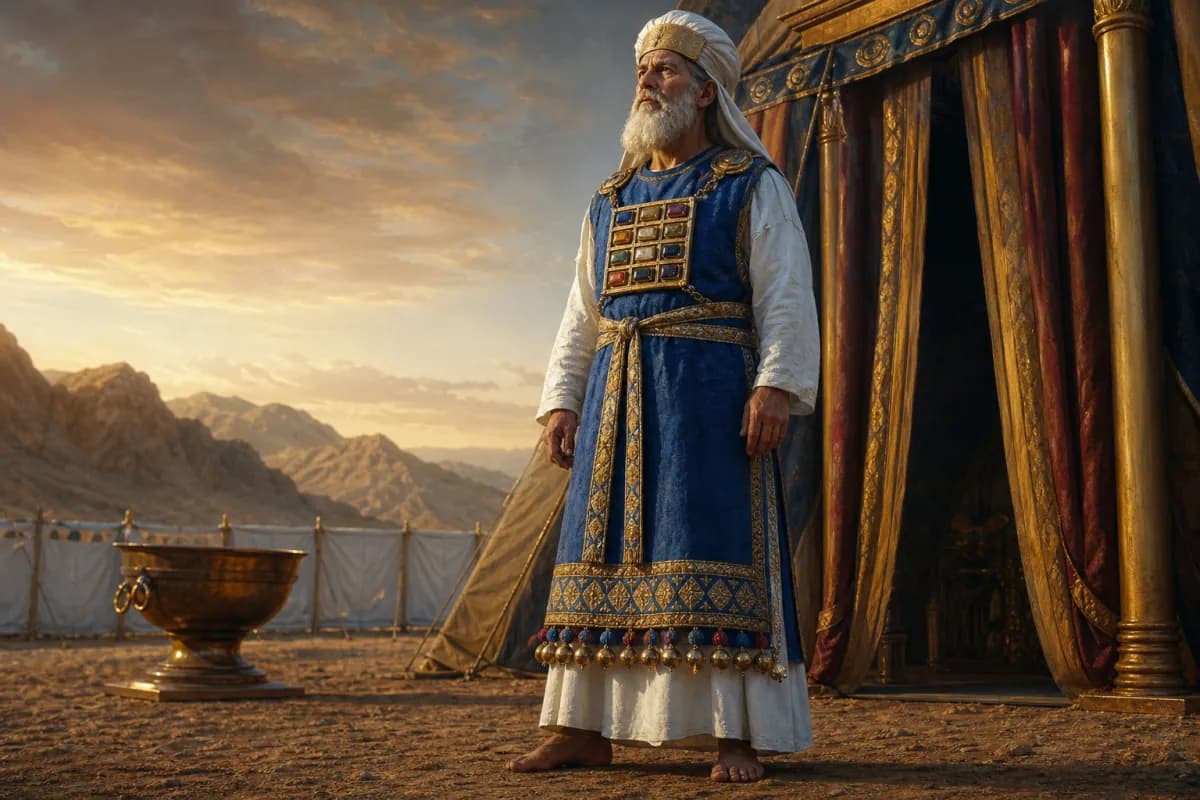
Exodus 28:31–43 completes the priestly garments with a blue robe, bells and pomegranates, a gold forehead plate inscribed “Holy to the Lord,” a tunic, turban, sash, and linen undergarments. These garments teach that drawing near to God requires holiness, atonement, and a mediator God Himself appoints. Jesus fulfills this priestly calling as the Holy One who bears sin and brings His people into consecrated service.

Study this passage →
Exodus 29:1–29:37

131 of 876 · Passage study

Consecrated for the Altar: Priests Set Apart by God

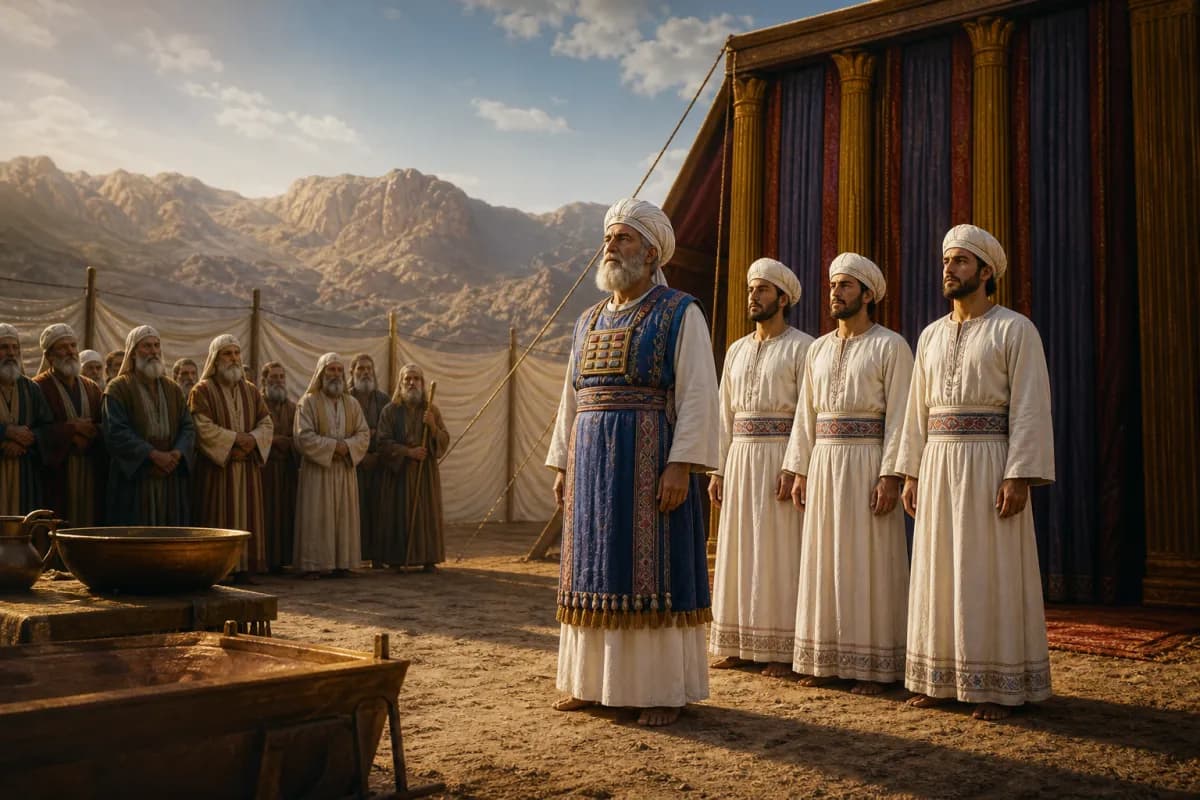
Exodus 29:1–37 ordains Aaron and his sons through washing, clothing, anointing, sacrifices, blood applied to ear, thumb, and toe, and a seven-day rite. The elaborate service makes one truth unavoidable: sinful people cannot appoint themselves to represent others before God. Jesus fulfills the priestly need as the once-for-all sacrifice and the risen mediator who consecrates His people for the Father’s service.

Study this passage →
Exodus 29:38–29:46

132 of 876 · Passage study

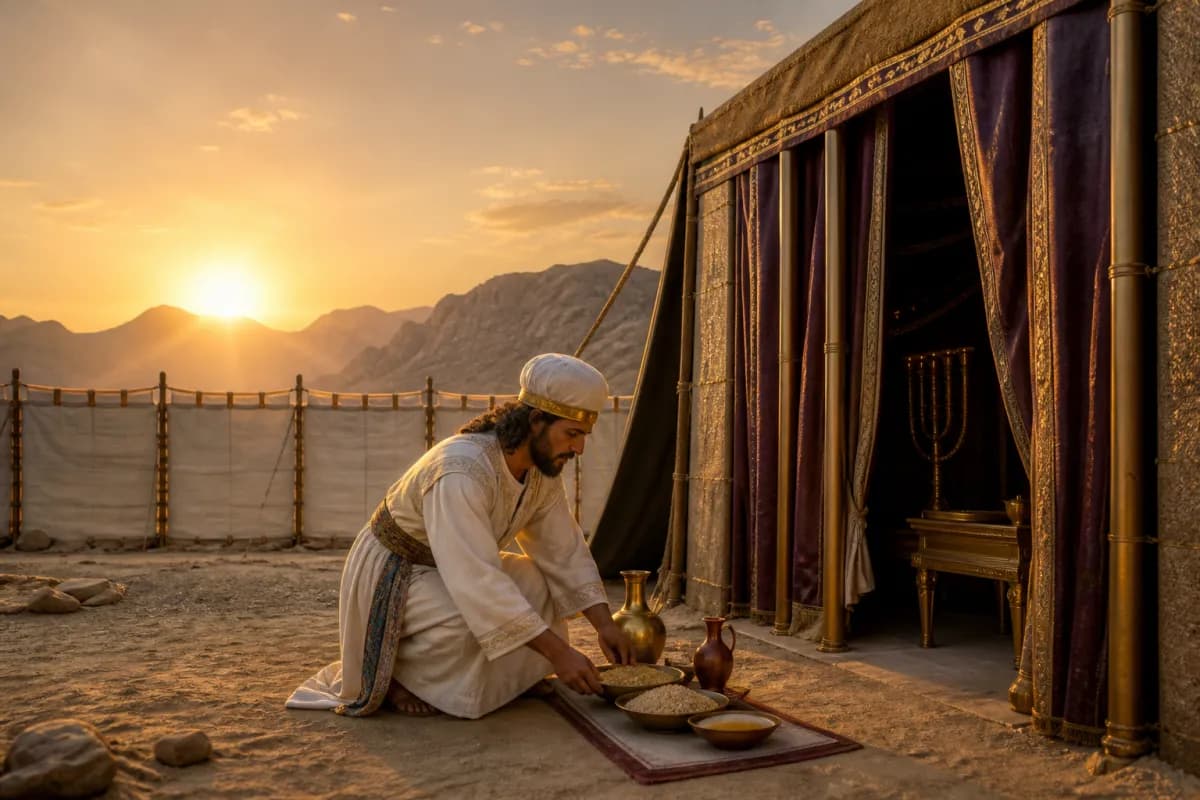
Morning and Evening: God Meets His People Continually

Exodus 29:38–46 commands two daily lamb offerings, morning and evening, with grain, oil, and wine, at the entrance of the tent of meeting. The rhythm teaches Israel that covenant life is sustained by God’s ongoing provision for worship and by His promise to dwell among them. Jesus fulfills the sacrificial hope through His once-for-all death and gathers a people whose whole lives answer His saving presence with worship.

Study this passage →
Keep scrolling for the next passage.