Truth-Scrolling

Exodus 3:1–3:6

61 of 876 · Passage study

The Burning Bush: The Holy God Who Comes Down to Save

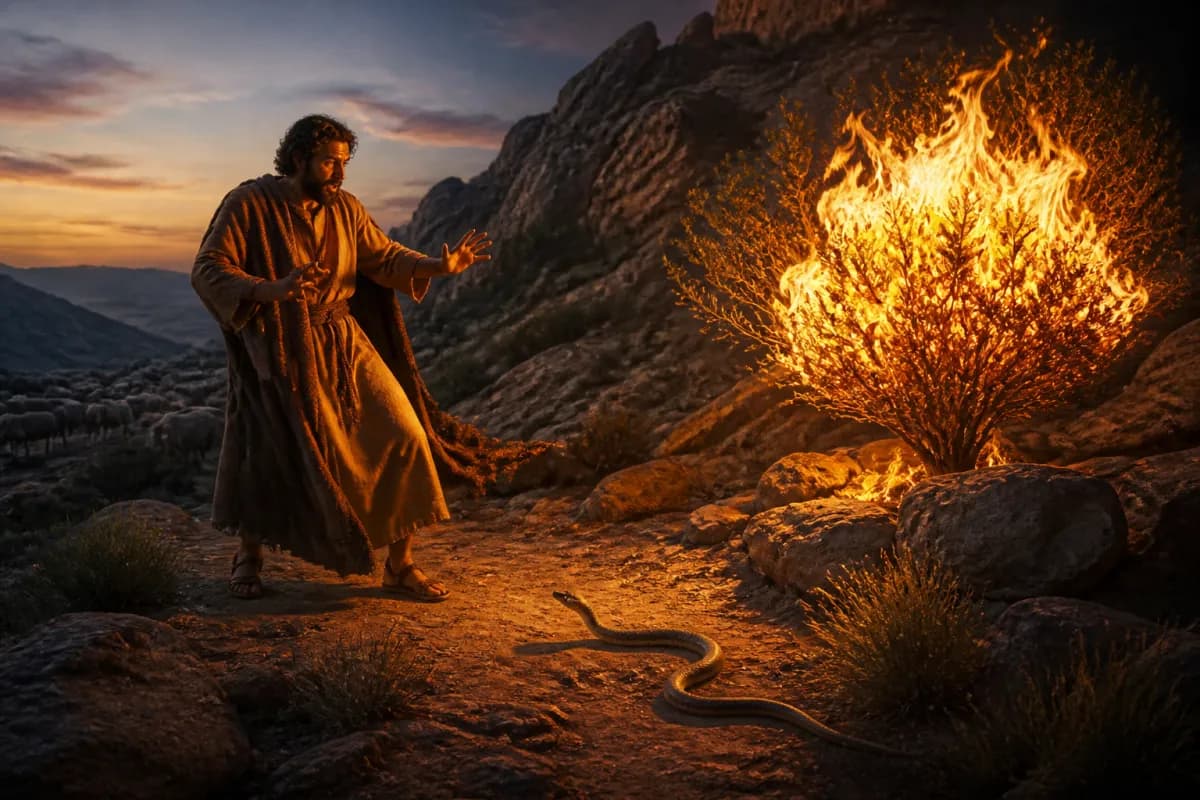
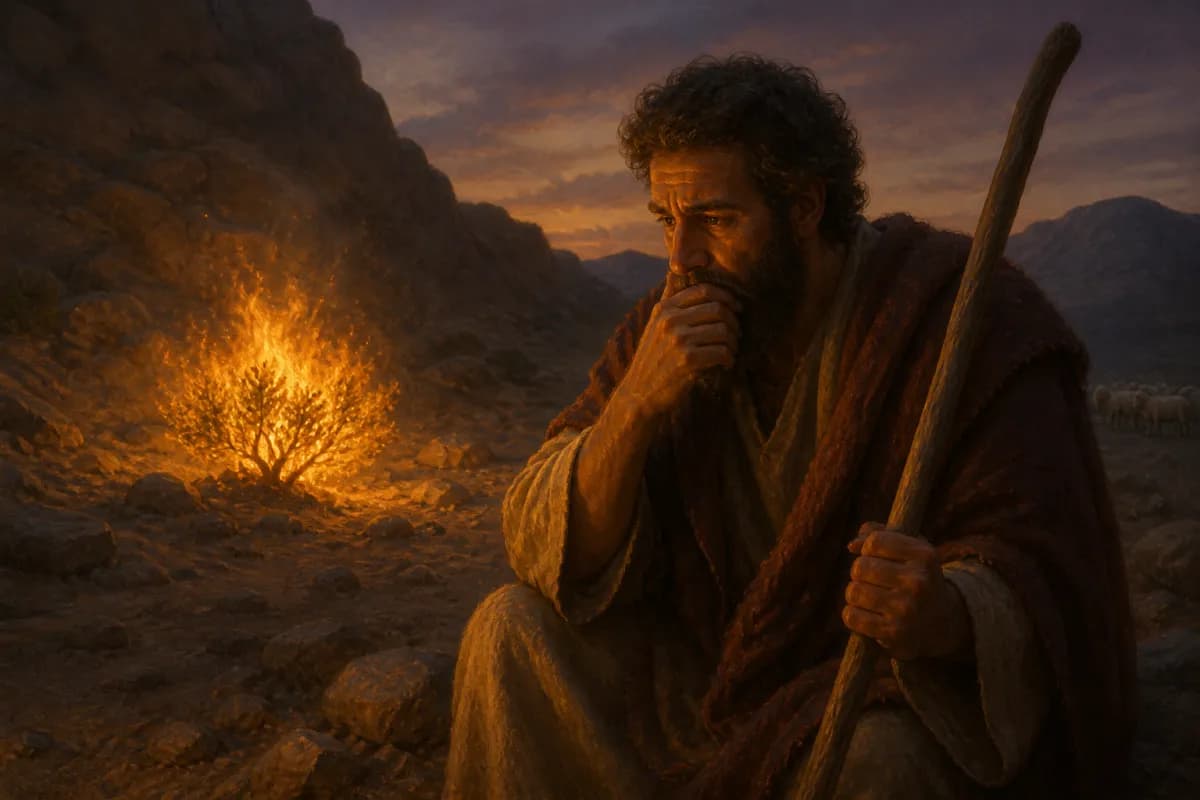
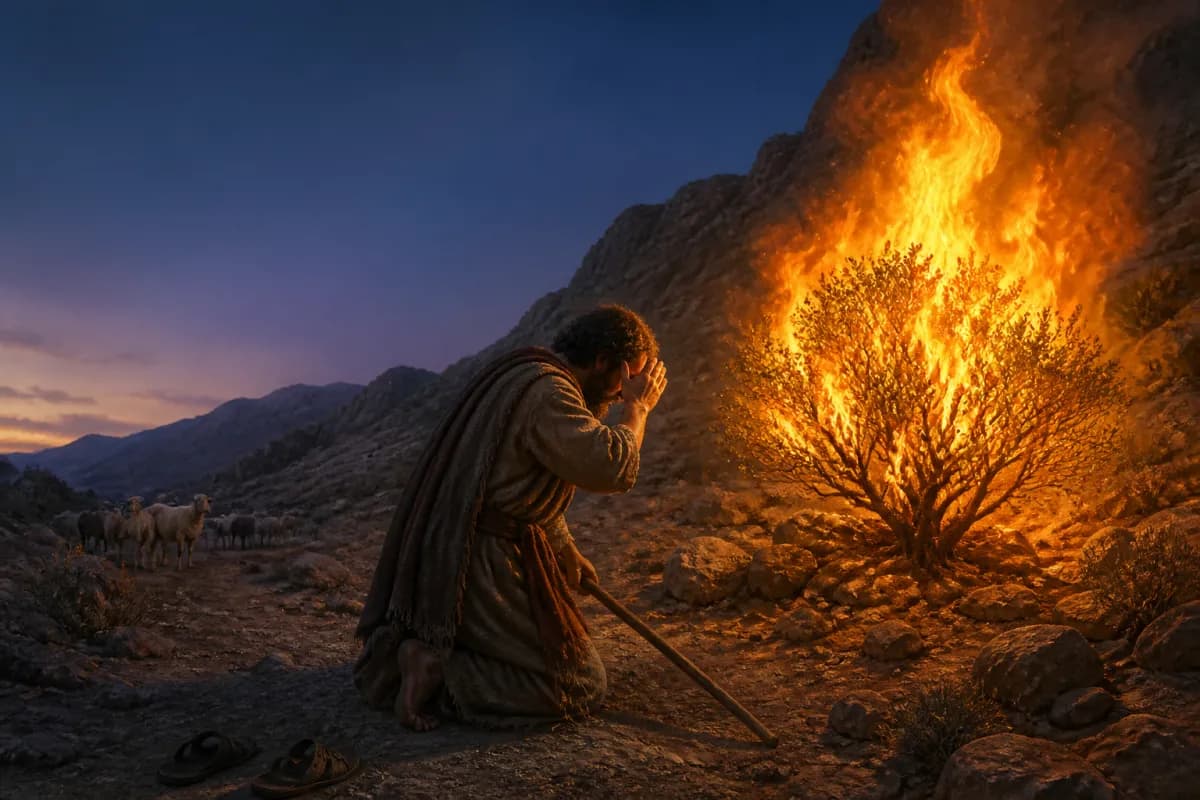
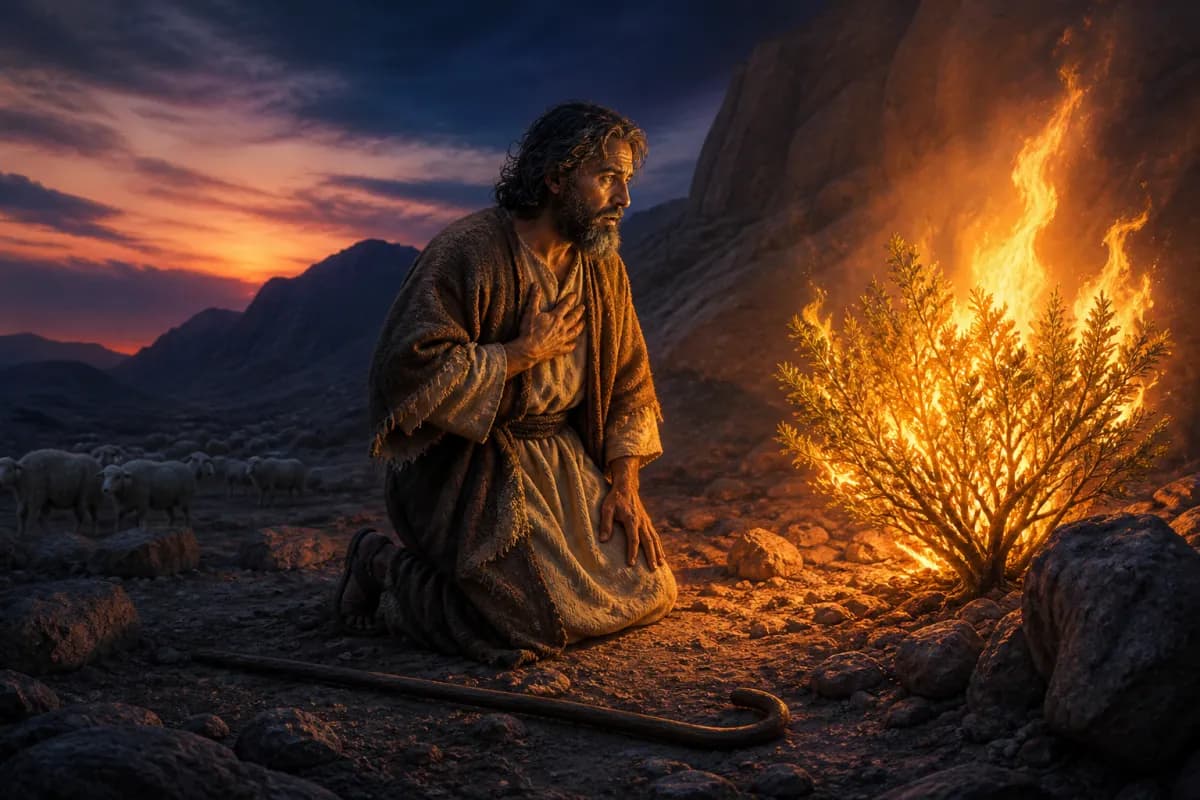
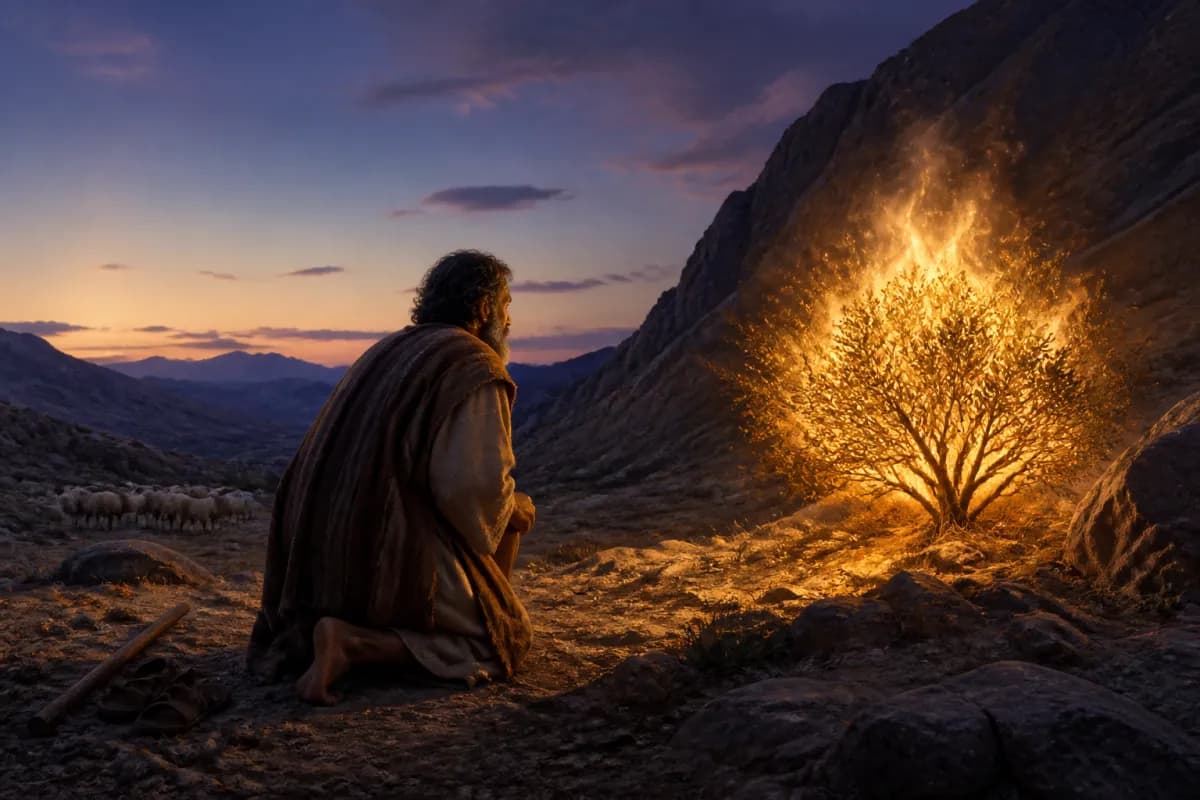
Exodus 3:1–6 interrupts Moses’ wilderness years with a bush that burns without being consumed. The God of Abraham, Isaac, and Jacob reveals His holy presence and calls Moses into the rescue of Israel. The passage establishes that deliverance begins with God’s holy initiative, fulfilled in Jesus Christ, who brings sinners near to God and leads them from slavery into His service.
Study this passage →
Exodus 3:7–3:12

62 of 876 · Passage study

God Commissions Moses: The Lord Who Sees and Comes Down

Exodus 3:7–12 begins Israel’s rescue with God’s own attention: He has seen their misery, heard their cry, and knows their suffering. He comes down to deliver them, then sends Moses with the promise of His presence. The passage points to Jesus, in whom God comes near to save people from slavery to sin and bring them into worship of the Father.

Study this passage →
Exodus 3:13–3:22

63 of 876 · Passage study

God Reveals His Name: The One Who Will Be With His People

Exodus 3:13–22 answers Moses’ question about God’s name with a revelation of the Lord’s living, self-existent, and faithful presence. The God of Abraham, Isaac, and Jacob will act as He promised. His name gives Israel confidence for a confrontation with Pharaoh and points forward to Jesus, who reveals the Father and accomplishes the promised rescue.

Study this passage →
Exodus 4:1–4:9

64 of 876 · Passage study

Signs for Moses: God Gives Witnesses to His Word

Exodus 4:1–9 meets Moses’ fear that Israel will not believe him. God gives signs that turn a staff to a snake, make and heal a diseased hand, and turn Nile water to blood. These signs do not make Moses impressive; they testify that the God of the patriarchs has appeared and is about to confront Egypt’s false security.

Study this passage →
Exodus 4:10–4:17

65 of 876 · Passage study

Moses’ Reluctance: The God Who Made the Mouth

Exodus 4:10–17 exposes Moses’ fear of speaking before Pharaoh. The Lord answers by claiming authority over the human mouth and promising to teach Moses what to say. When Moses asks to be excused, God provides Aaron as a spokesperson while making clear that the message and authority remain His. The passage directs readers to Jesus, whose saving mission speaks God’s truth and equips His people for witness.

Study this passage →
Exodus 4:18–4:23

66 of 876 · Passage study

Moses Returns to Egypt: The Lord Claims His Son

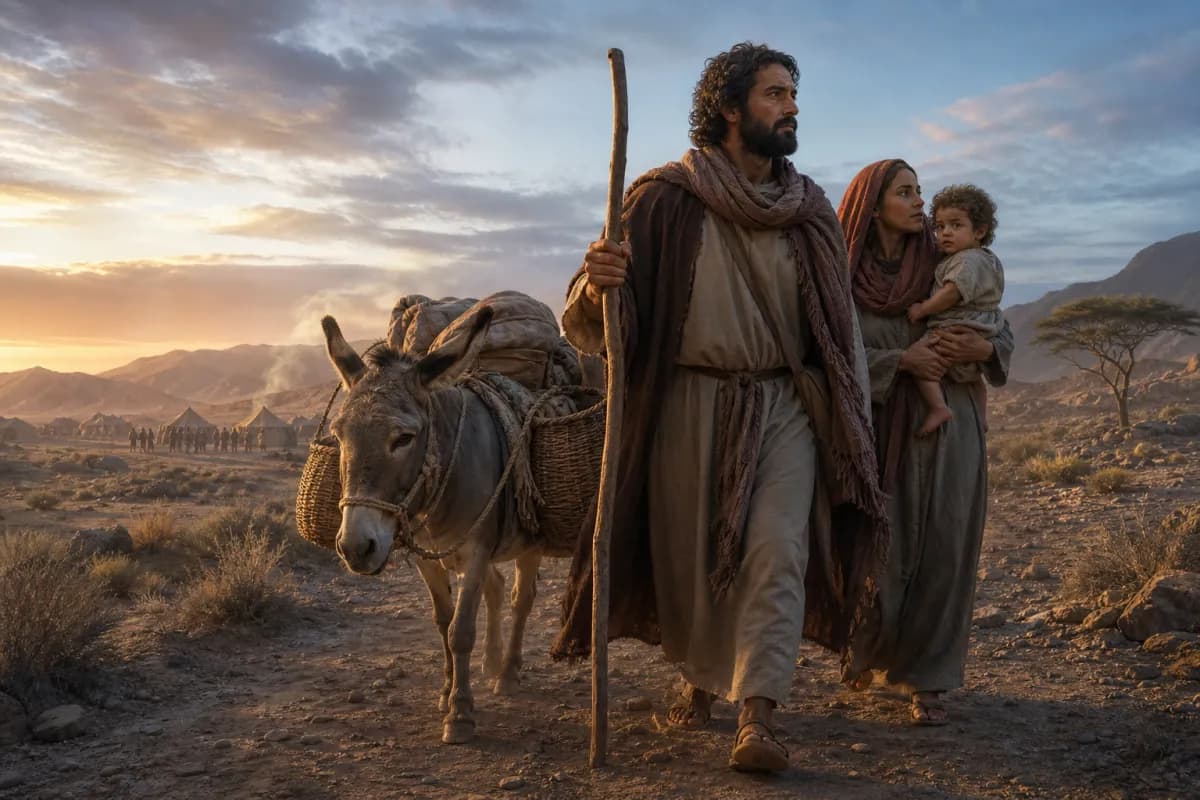
Exodus 4:18–23 sends Moses from Midian back to Egypt after the death of those seeking his life. God calls Israel His firstborn son and commands Pharaoh to release him for worship, while warning of the deadly cost of Pharaoh’s refusal. The passage frames the exodus as God reclaiming a people for Himself and prepares for Jesus, the faithful Son who delivers His people from slavery for the Father’s service.

Study this passage →
Exodus 4:24–4:26

67 of 876 · Passage study

Circumcision at the Lodging Place: The Covenant Cannot Be Ignored

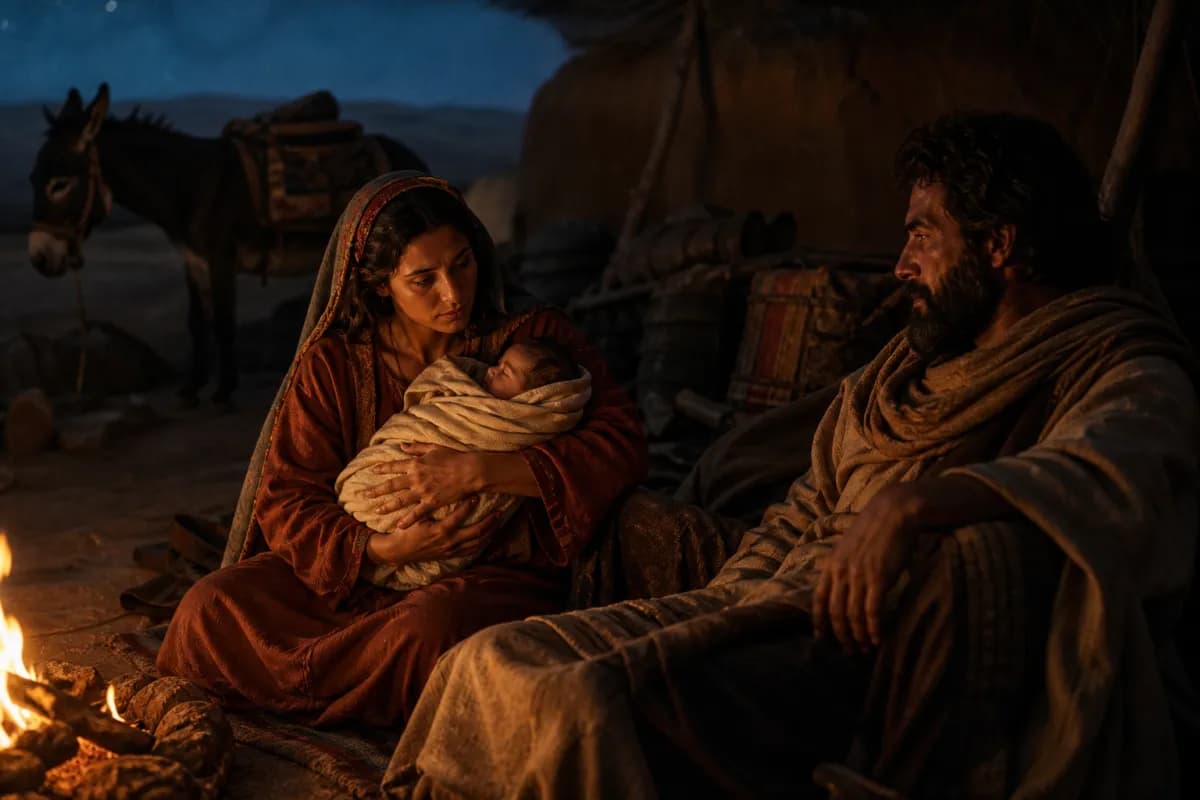
Exodus 4:24–26 interrupts Moses’ return to Egypt with a startling confrontation: the Lord opposes the man He has commissioned until Zipporah performs the covenant sign on their son. The scene teaches that God’s deliverer must not treat covenant allegiance as optional, and it prepares readers for Jesus, who fulfills the covenant and brings His people near through His own blood.

Study this passage →
Exodus 4:27–4:31

68 of 876 · Passage study

Aaron Joins Moses: A Shared Word for a Gathered People

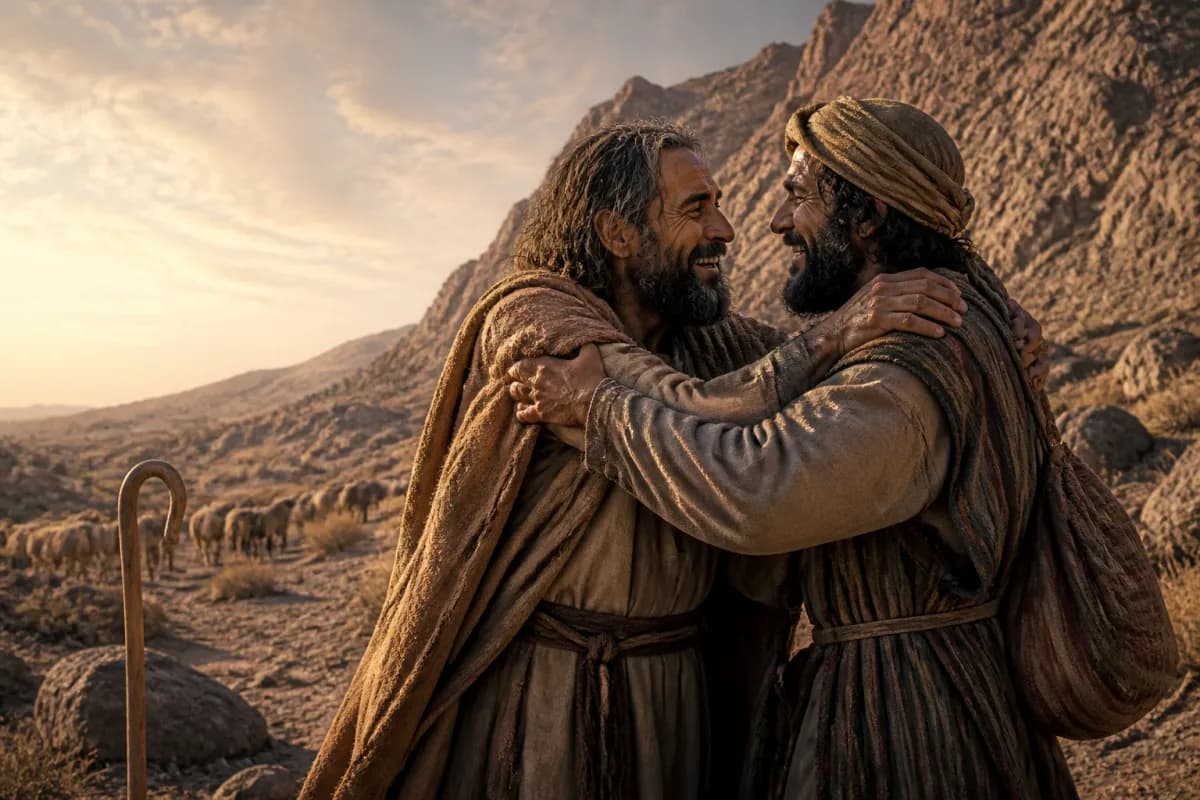
Exodus 4:27–31 brings Aaron to Moses, reunites the brothers in the wilderness, and gathers Israel’s elders around the word and signs God has given. The people worship because the Lord has seen their misery. The passage shows that God’s saving mission creates a truthful, worshiping people and points forward to Jesus, God’s final Word, who gathers witnesses to proclaim His rescue.

Study this passage →
Exodus 5:1–5:9

69 of 876 · Passage study

Pharaoh Rejects the Lord: A Contest of Allegiance

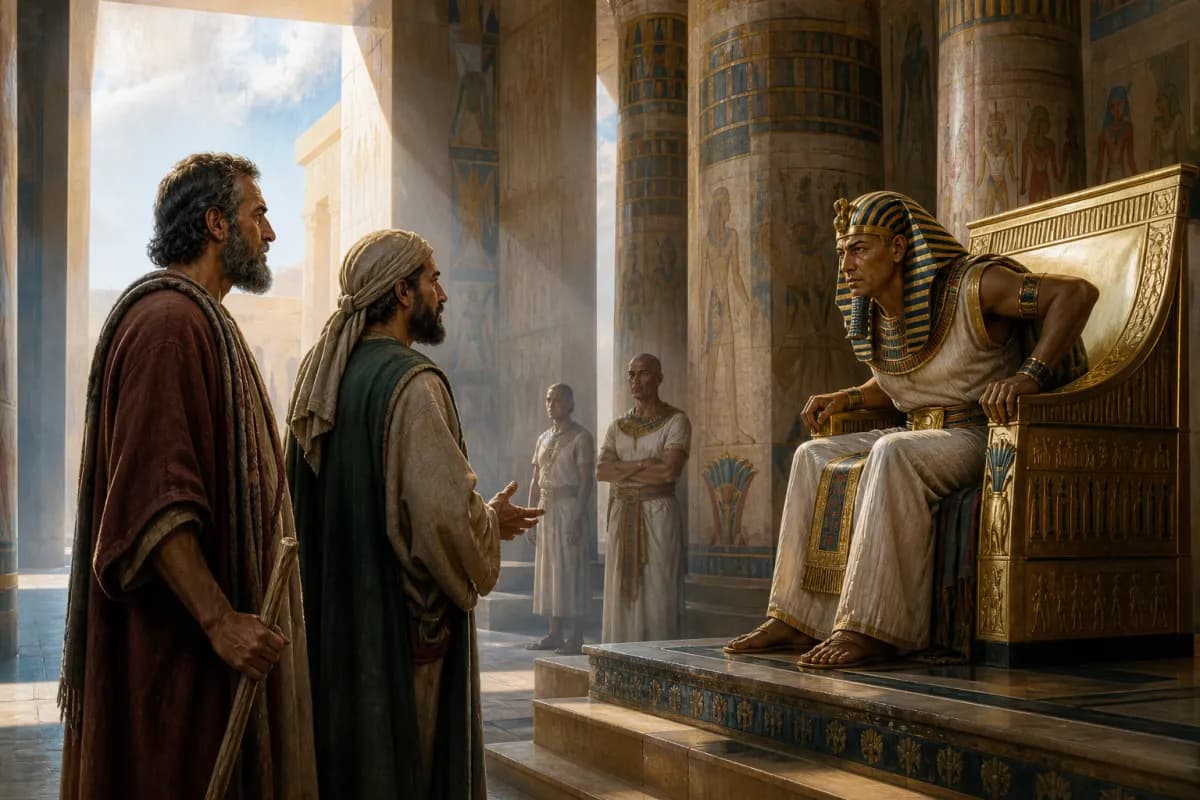
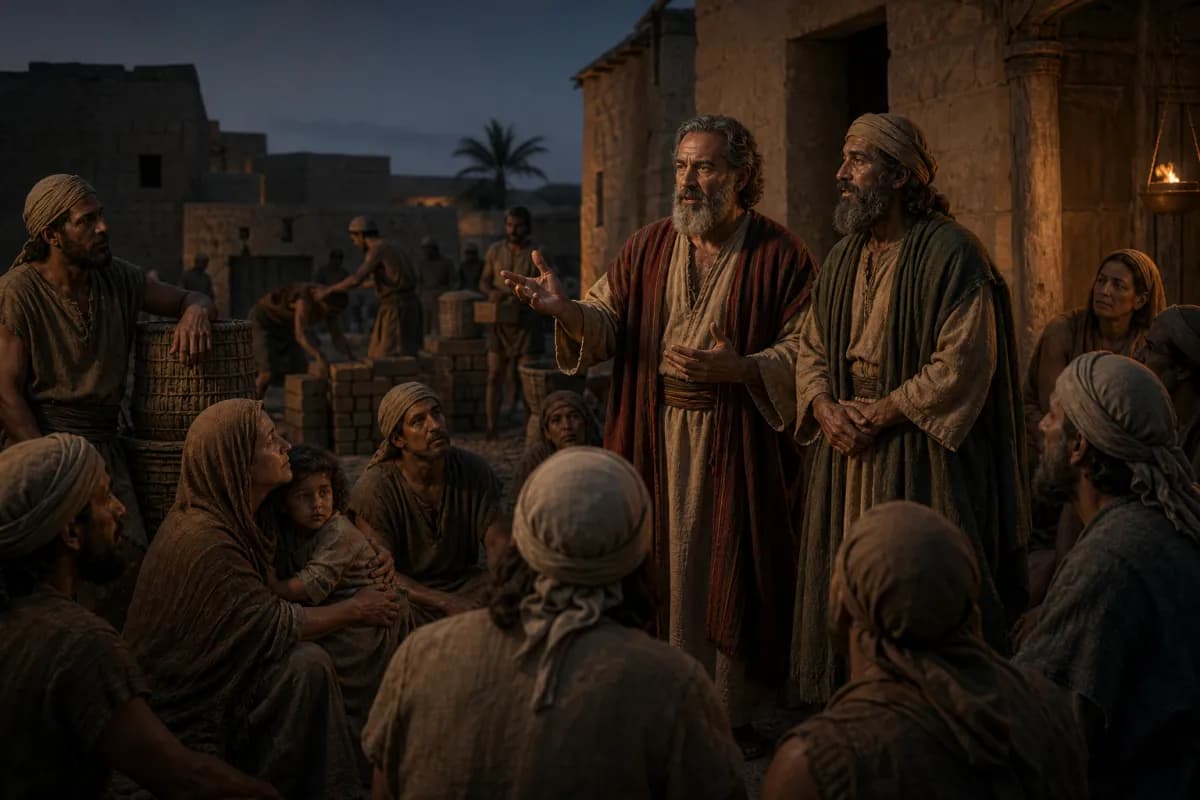
Exodus 5:1–9 opens the conflict between Pharaoh and the Lord with a direct demand for Israel’s worship. Pharaoh refuses to recognize the Lord and responds by tightening Israel’s labor. The passage exposes the arrogance of every power that claims ultimate authority and directs readers to Jesus, whose saving kingship frees people from slavery to serve God.

Study this passage →
Exodus 5:10–5:21

70 of 876 · Passage study

No Straw: When Deliverance Seems to Make Life Harder

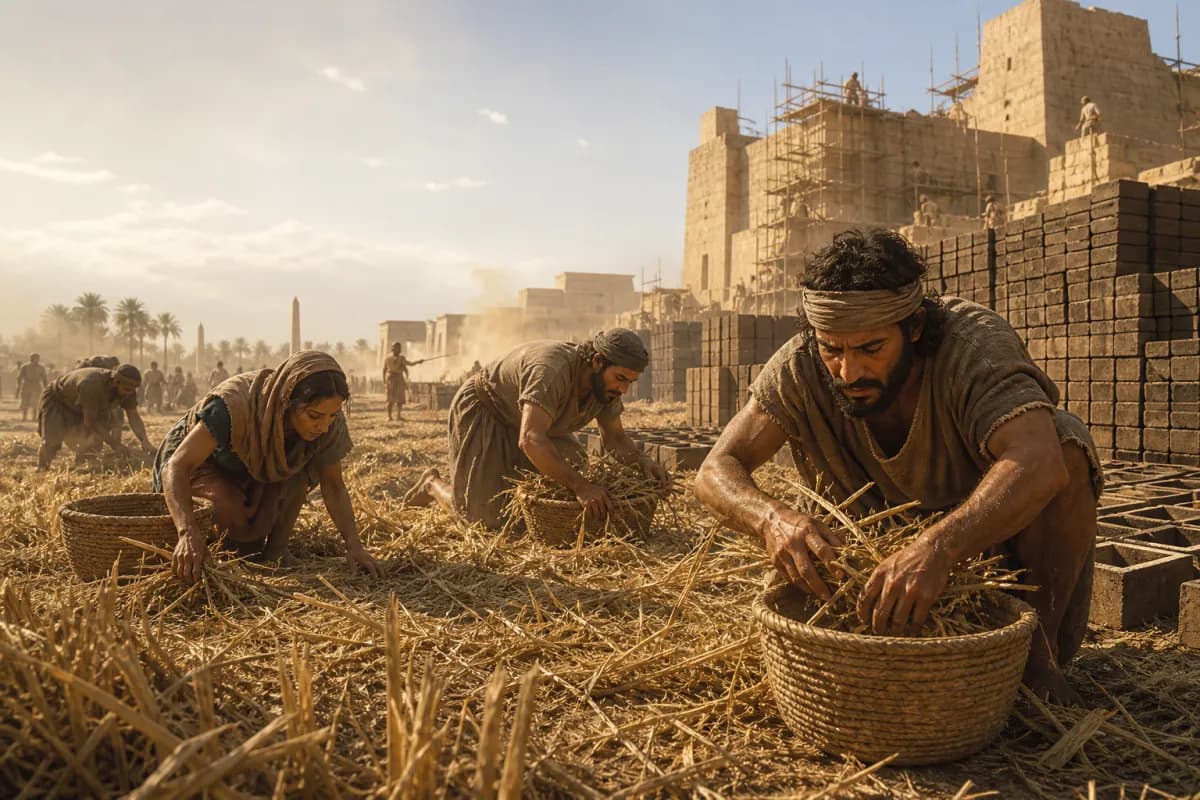
Exodus 5:10–21 records Pharaoh’s cruel refusal to supply straw while demanding the same brick quota. Israel’s overseers are beaten, the people turn on Moses and Aaron, and the first public step toward deliverance appears to deepen their suffering. The passage gives truthful language for disappointed faith and directs readers to Jesus, who meets suffering people without denying the cost of the road to freedom.

Study this passage →
Exodus 5:22–5:23

71 of 876 · Passage study

Moses Questions God: Lament at the Edge of Rescue

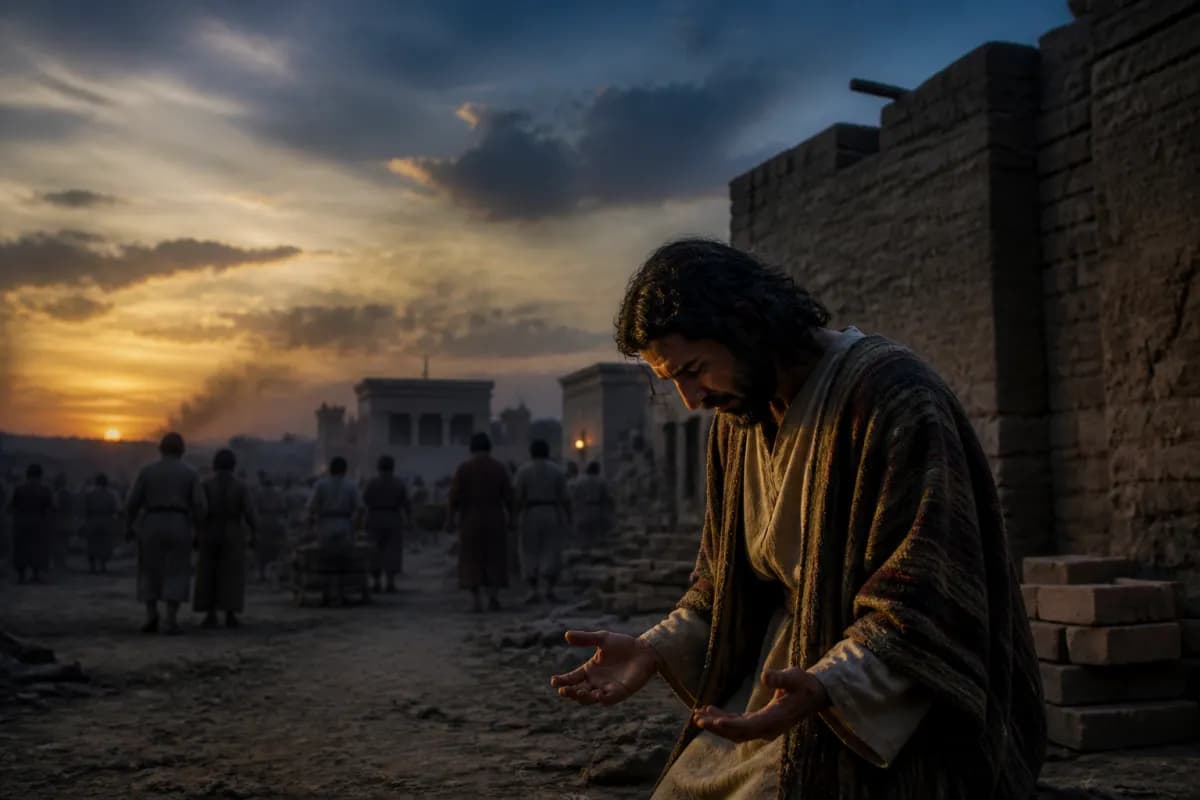
Exodus 5:22–23 ends the first encounter with Pharaoh in honest protest. Moses returns to the Lord and asks why Israel has suffered more since he spoke in God’s name. His prayer neither abandons God nor disguises the failure he sees. The passage teaches believers to bring painful confusion to God and prepares for Jesus, whose saving mission enters human anguish and secures the deliverance God promises.

Study this passage →
Exodus 6:1–6:13

72 of 876 · Passage study

God Restates His Covenant Promise: I Will Redeem You

Exodus 6:1–13 answers Moses’ despair after Pharaoh has made Israel’s work worse. The Lord does not rebuke him with a new strategy; He declares His covenant name, remembers His promise to Abraham, and pledges to bring Israel out, redeem them, and make them His people. The passage prepares us to see Jesus as the Redeemer who brings sinners out of bondage and into the Father’s family.

Study this passage →
Keep scrolling for the next passage.