Truth-Scrolling

Genesis 20:1–20:18

25 of 876 · Passage study

Abraham in Gerar: Fear, Exposure, and God’s Preserving Mercy

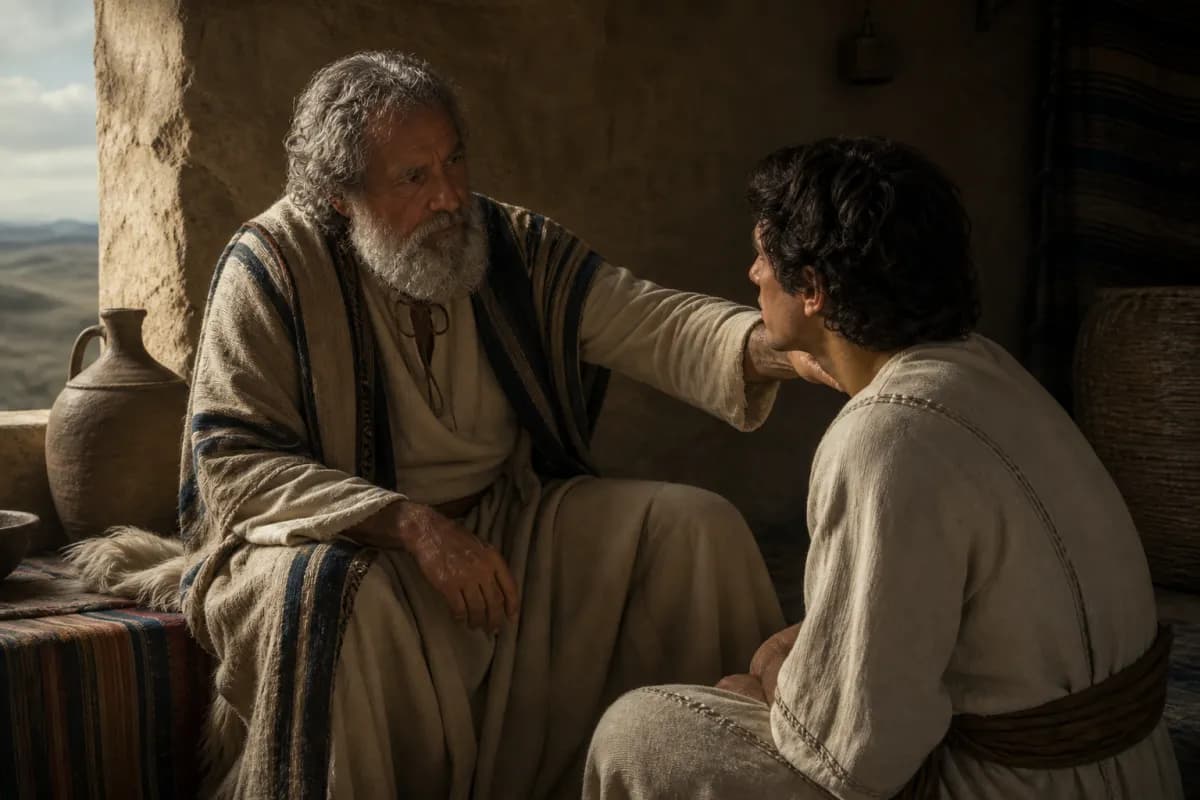
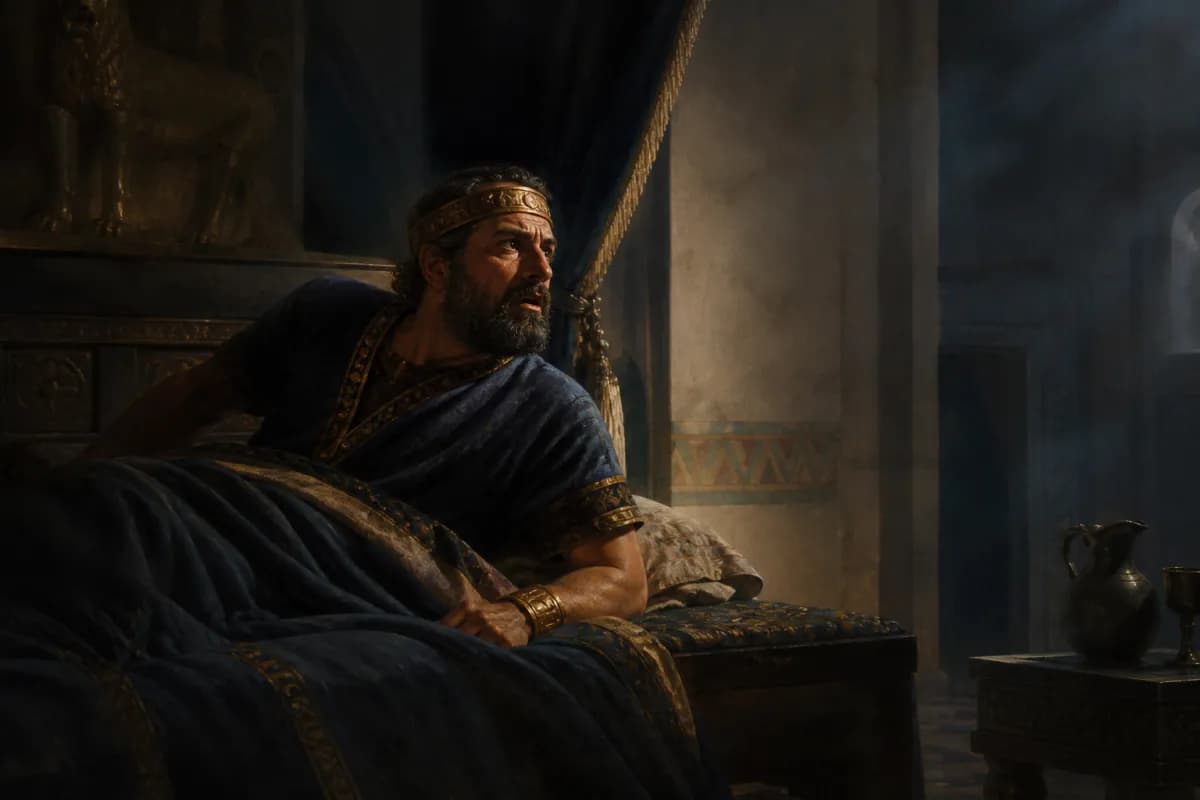
Genesis 20:1–18 shows Abraham again calling Sarah his sister, placing her and Abimelech in danger through fear. God exposes what the king cannot see, restrains him from sin, and restores the household through Abraham’s prayer. The passage humbles God’s covenant servant while displaying the mercy that preserves His promise and prepares readers for Jesus, the faithful mediator sinners need.
Study this passage →
Genesis 21:1–21:21

26 of 876 · Passage study

Isaac Is Born: God Keeps His Word

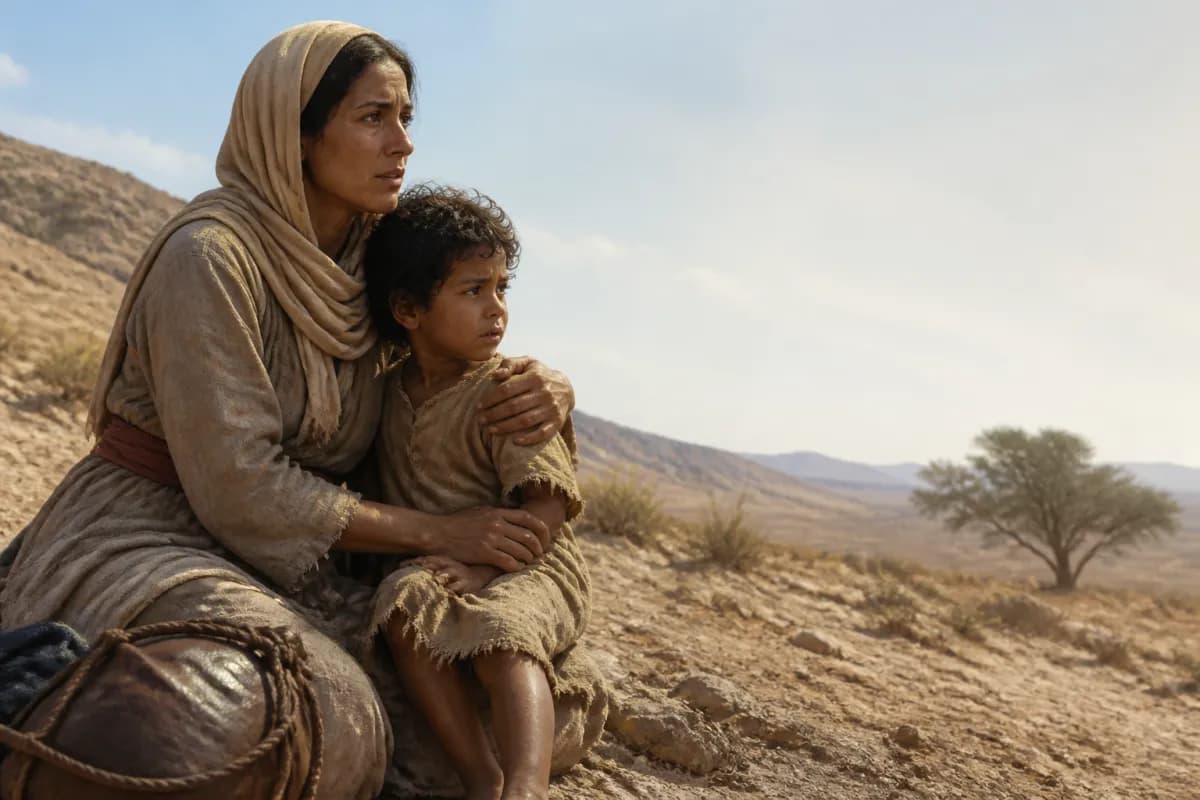
Genesis 21:1–21 celebrates Isaac’s birth exactly as God had promised, gives Sarah’s laughter a new meaning, and then faces the painful separation of Hagar and Ishmael. God’s promise to Sarah does not erase His compassion for Hagar’s son. The passage teaches that God fulfills His covenant word and sees the vulnerable, directing hope toward Jesus, the promised Son through whom blessing comes to the world.

Study this passage →
Genesis 21:22–21:34

27 of 876 · Passage study

The Pact at Beersheba: Peace Under God’s Witness

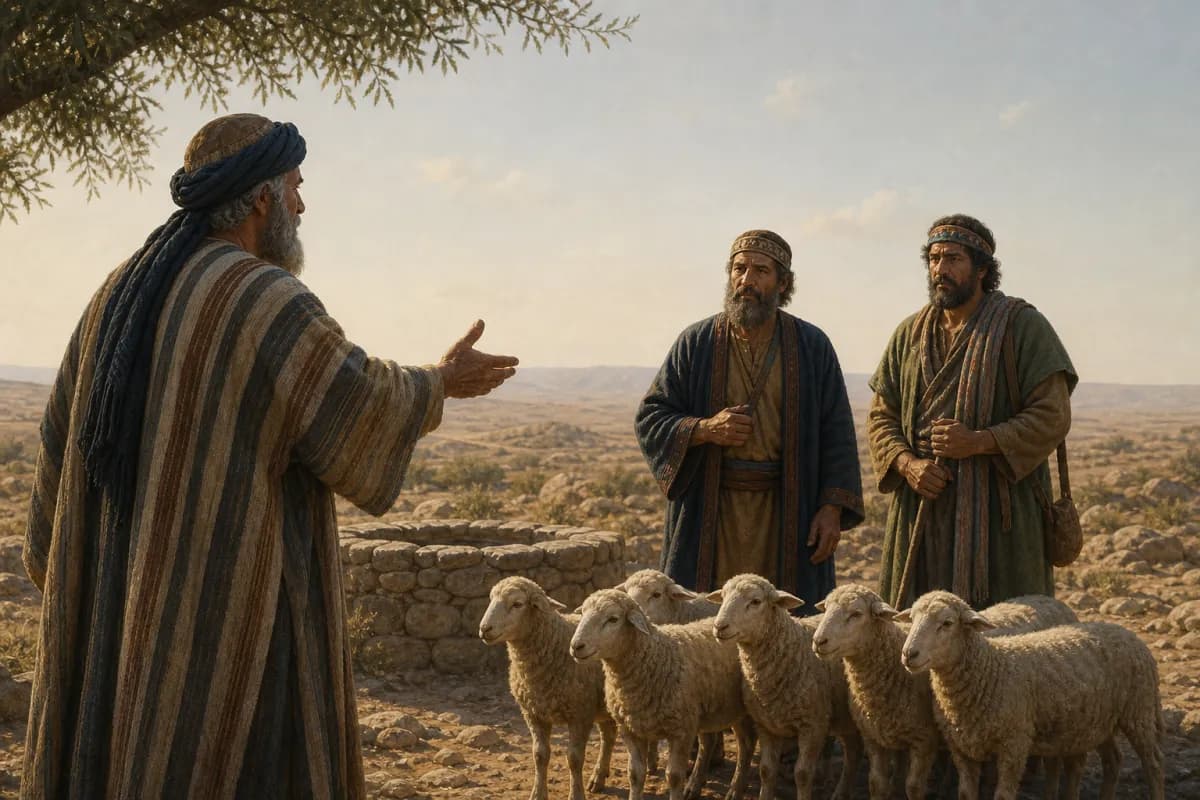
Genesis 21:22–34 shows Abimelech seeking a sworn peace with Abraham because he recognizes that God is with him. Abraham raises the injustice of a seized well, sets apart seven lambs as a witness to his claim, and the two men make a covenant at Beersheba. The passage displays God’s public faithfulness and points to Jesus, who makes peace with God and forms a people able to pursue truthful peace with neighbors.

Study this passage →
Genesis 22:1–22:19

28 of 876 · Passage study

The Test of Abraham: The Lord Will Provide

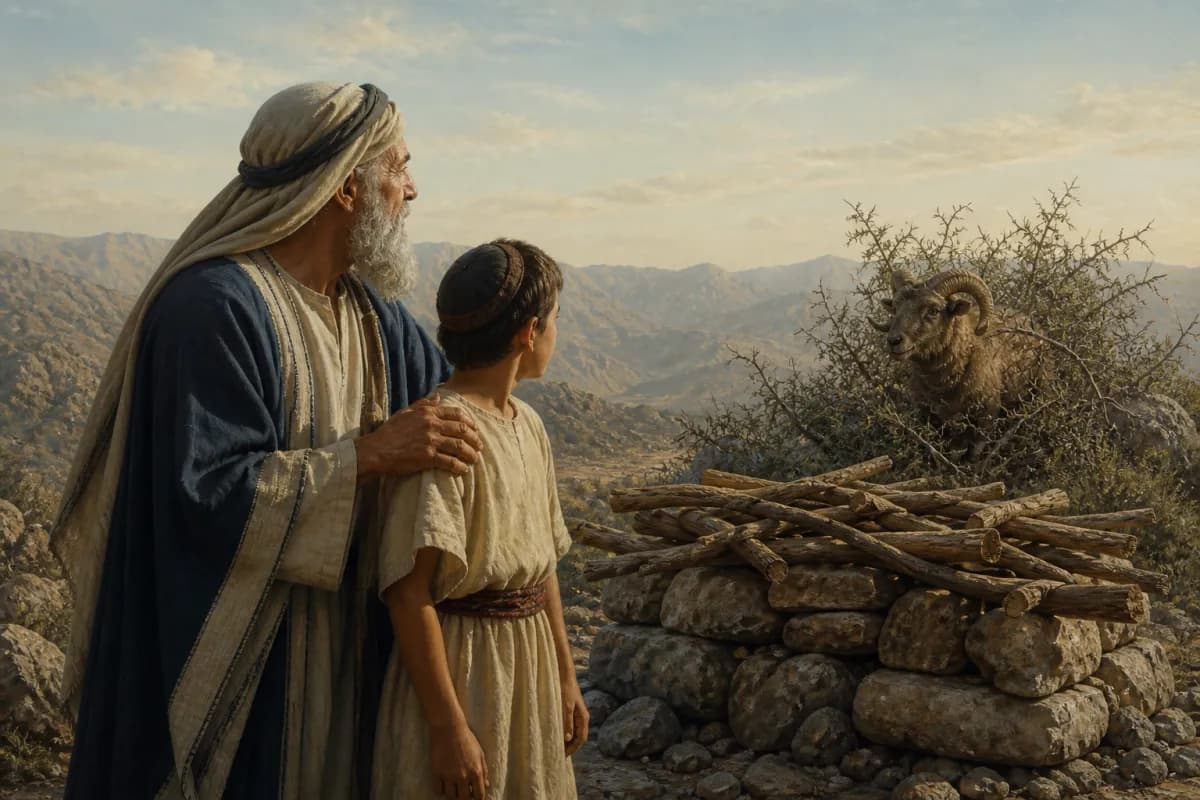
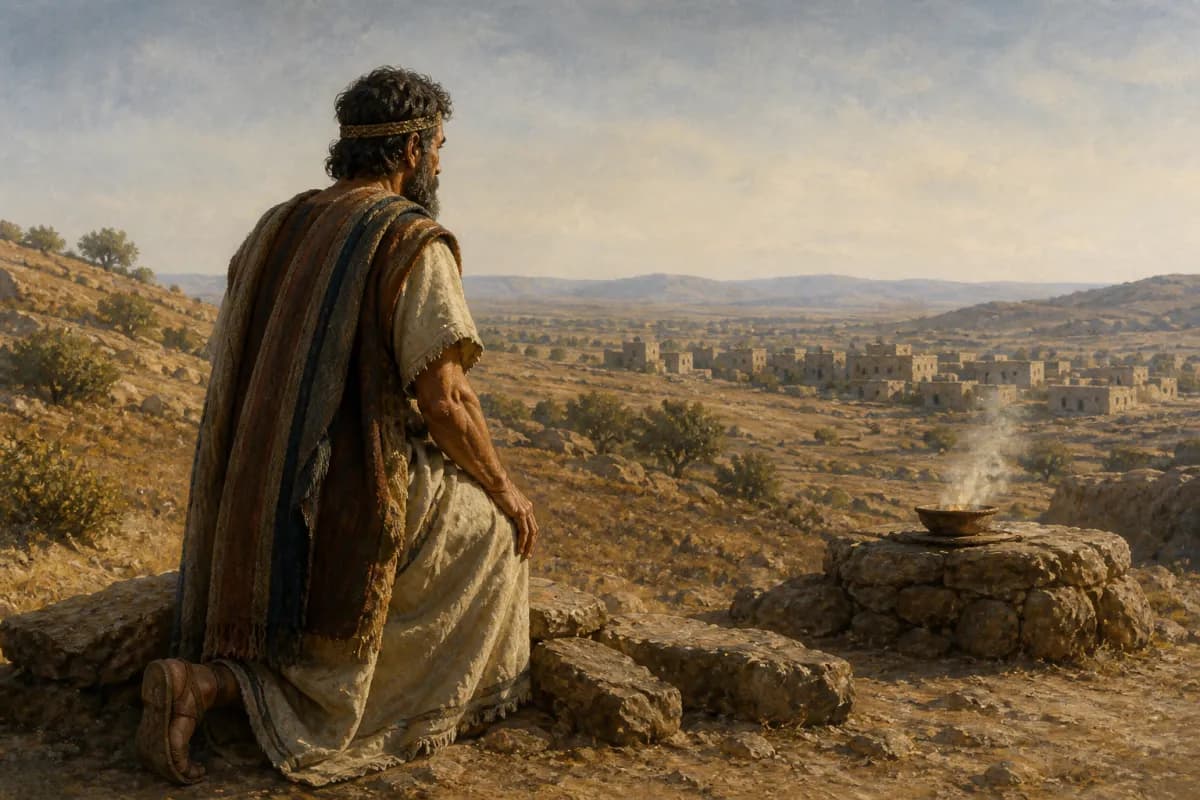
Genesis 22:1–19 records God’s testing of Abraham through Isaac, the son of promise. Abraham obeys in costly trust, yet God stops his hand and provides a ram in Isaac’s place. The passage does not celebrate child sacrifice; it rejects it through God’s command to stop and through His provision. It forms a profound pattern fulfilled in Jesus Christ, God’s beloved Son and the sacrifice God Himself provides.

Study this passage →
Genesis 22:20–22:24

29 of 876 · Passage study

Nahor’s Family: A Quiet Bridge to Rebekah

Genesis 22:20–24 names the children of Abraham’s brother Nahor, including Bethuel and Bethuel’s daughter Rebekah. After the mountain testing of Abraham, this brief notice opens the next movement of God’s promise by showing that a future wife for Isaac has already been born within the wider family.

Study this passage →
Genesis 23:1–23:20

30 of 876 · Passage study

Sarah’s Burial: A Grave as a Confession of Promise

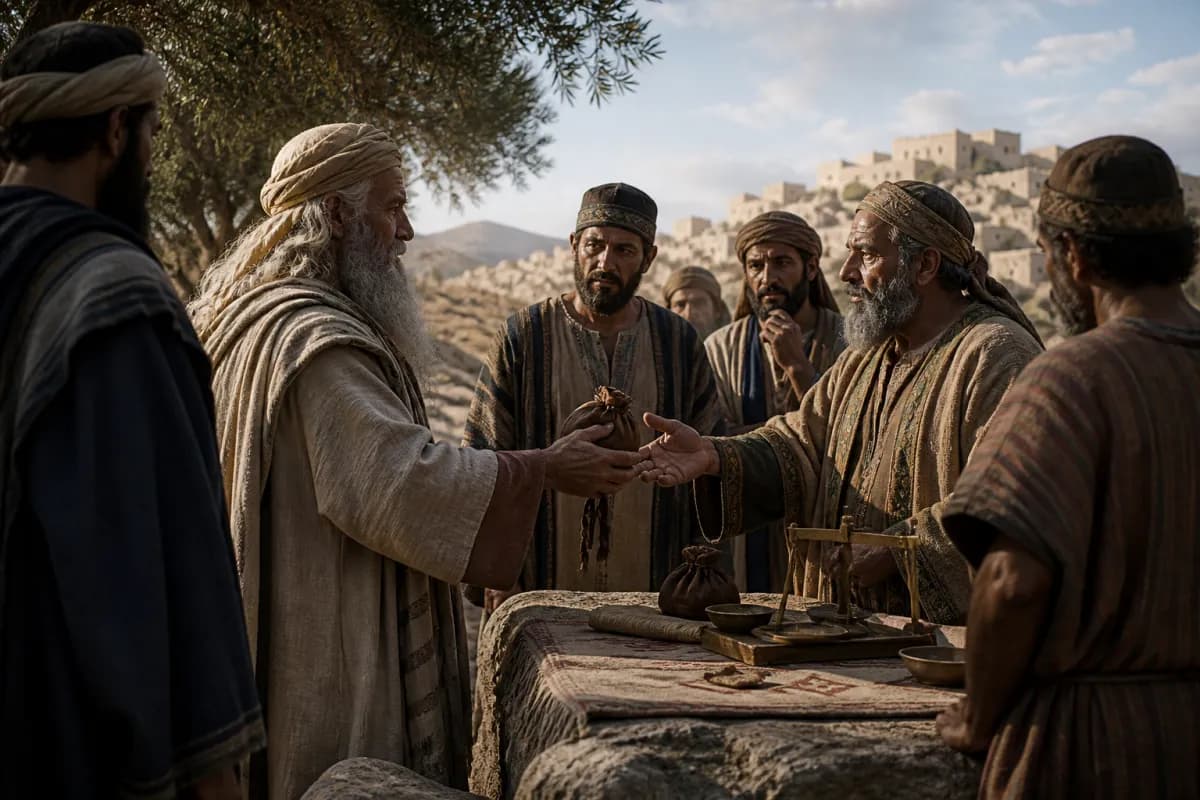
Genesis 23 records Sarah’s death and Abraham’s careful purchase of the cave of Machpelah at Hebron. Though promised the whole land, Abraham owns only a burial place; his costly, public purchase becomes a concrete confession that God’s promise reaches beyond one lifetime and that death will not have the final word.

Study this passage →
Genesis 24:1–24:67

31 of 876 · Passage study

Rebekah: God’s Steadfast Love Leads the Way

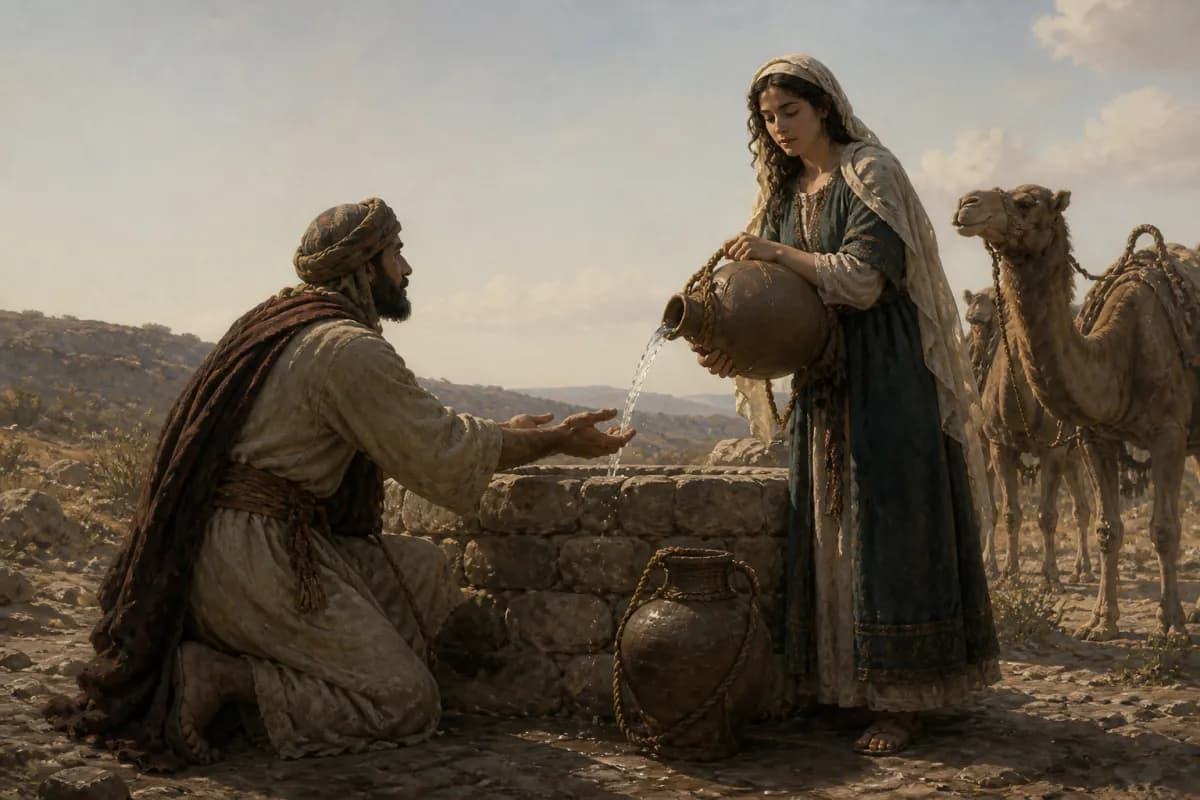
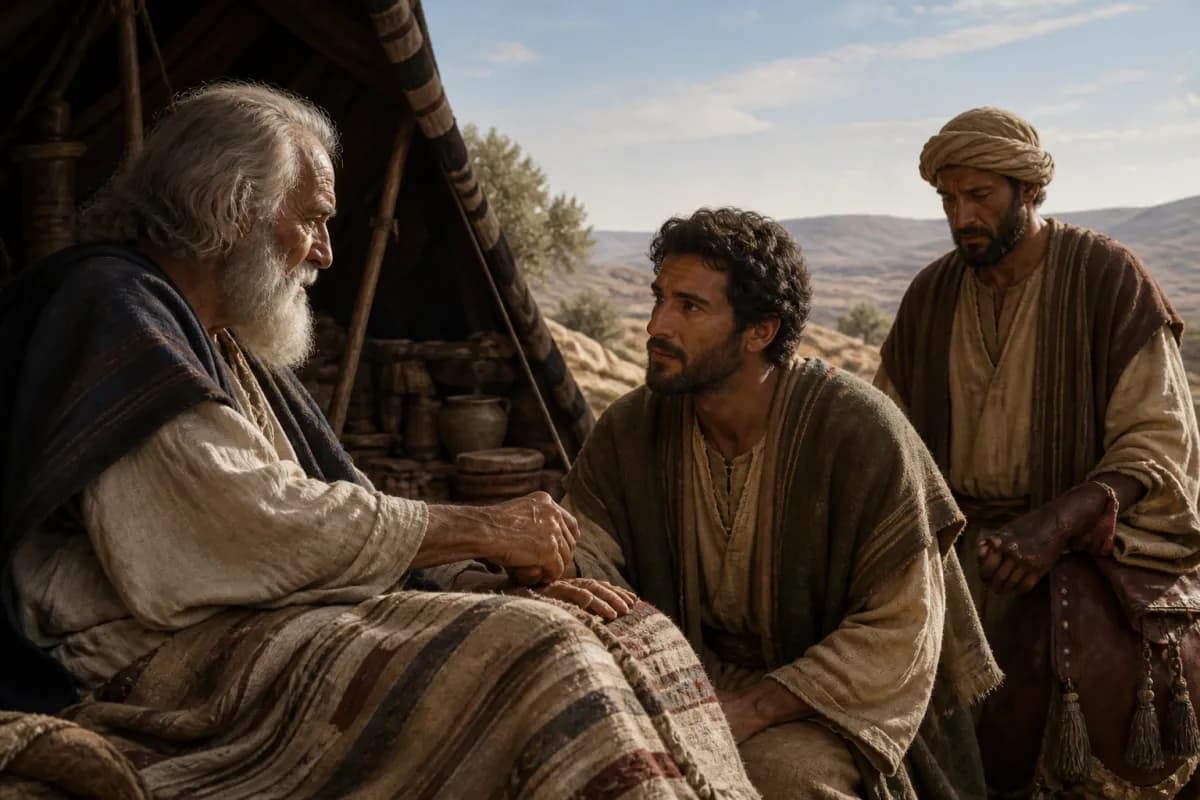
Genesis 24:1–67 tells how God directs Abraham’s servant to Rebekah, preserving the covenant family after Sarah’s death. The servant prays for clear providence, Rebekah freely and generously responds, and the household recognizes the Lord’s leading. The story advances the promised line while teaching readers to discern God’s faithfulness without treating private signs as tools for controlling Him.

Study this passage →
Genesis 25:1–25:20

32 of 876 · Passage study

Abraham’s Last Years: Promise Continues Beyond the Patriarch

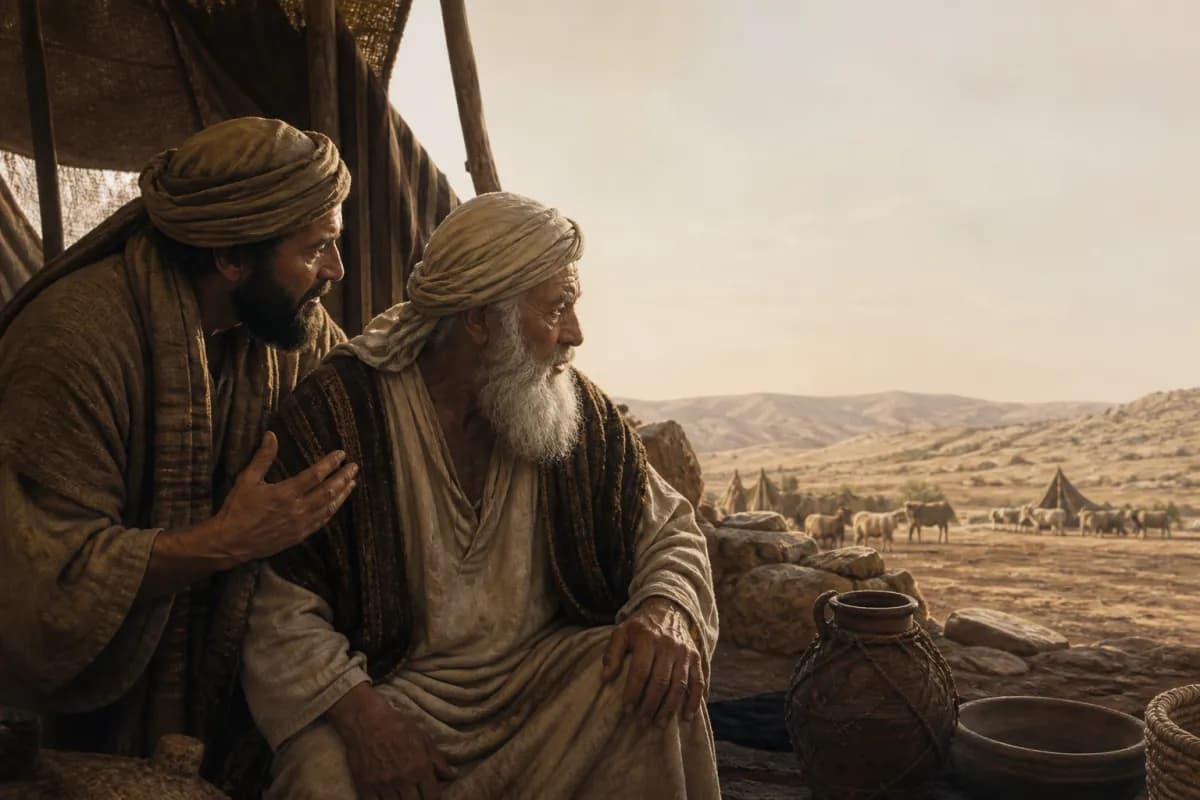
Genesis 25:1–18 records Abraham’s later family, his provision for Isaac, his death at a full age, and Ishmael’s descendants. The chapter honors the breadth of Abraham’s household while preserving the particular covenant line through Isaac, showing that God’s blessing is generous and His saving promise moves forward according to His word.

Study this passage →
Genesis 25:21–25:34

33 of 876 · Passage study

Jacob and Esau: Promise, Struggle, and a Despised Birthright

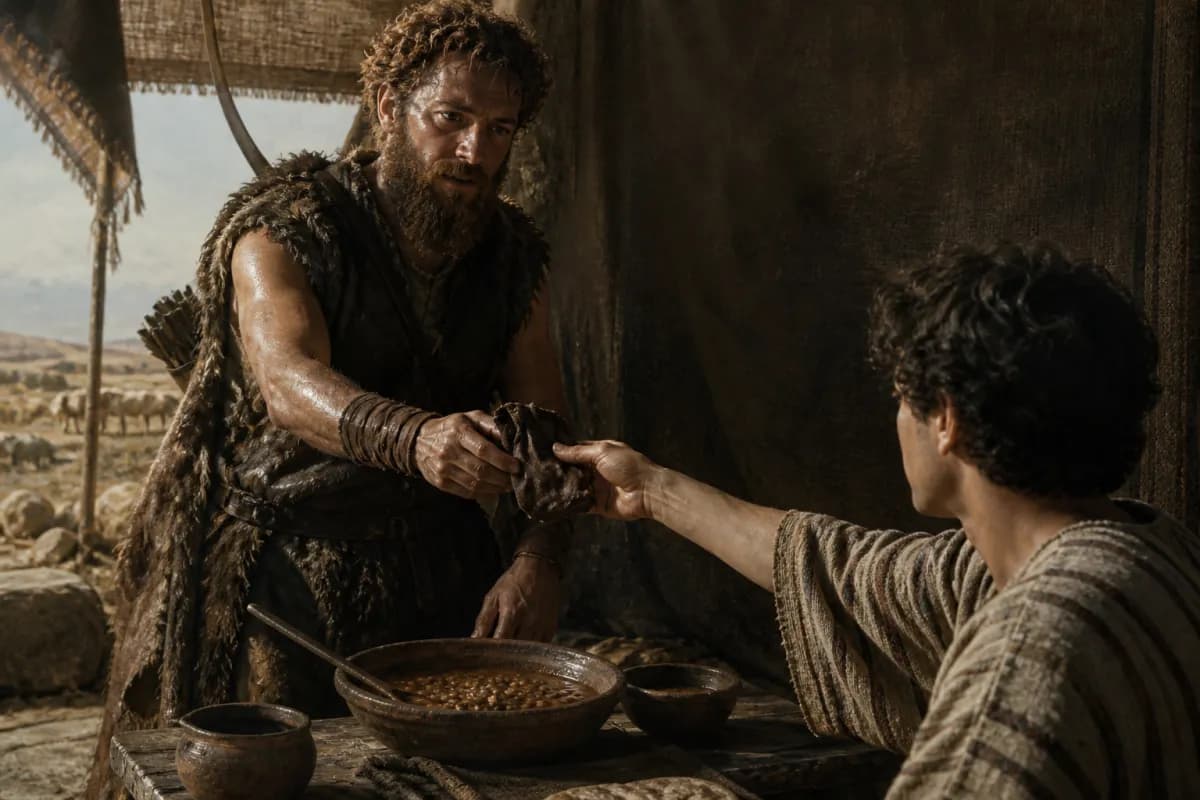
Genesis 25:21–34 introduces Jacob and Esau through Rebekah’s barren years, a troubled pregnancy, God’s surprising oracle, and Esau’s sale of his birthright for stew. The passage exposes the danger of trading God’s lasting gift for immediate appetite while showing that the covenant promise advances by God’s mercy, not by human strength or status.

Study this passage →
Genesis 26:1–26:33

34 of 876 · Passage study

Famine Again: Isaac Learns to Remain Under God’s Promise

Genesis 26:1–33 follows Isaac through famine, fear, abundance, conflict over wells, and a covenant with Abimelech. God tells Isaac to remain in Gerar and repeats the promise made to Abraham. Isaac’s fearful deception and his patient pursuit of space for life show a man upheld by grace, directing readers to Jesus, who secures God’s promise and gives His people peace that does not depend on control.

Study this passage →
Genesis 26:34–27:45

35 of 876 · Passage study

Esau and Jacob: A Blessing Sought Through Deception

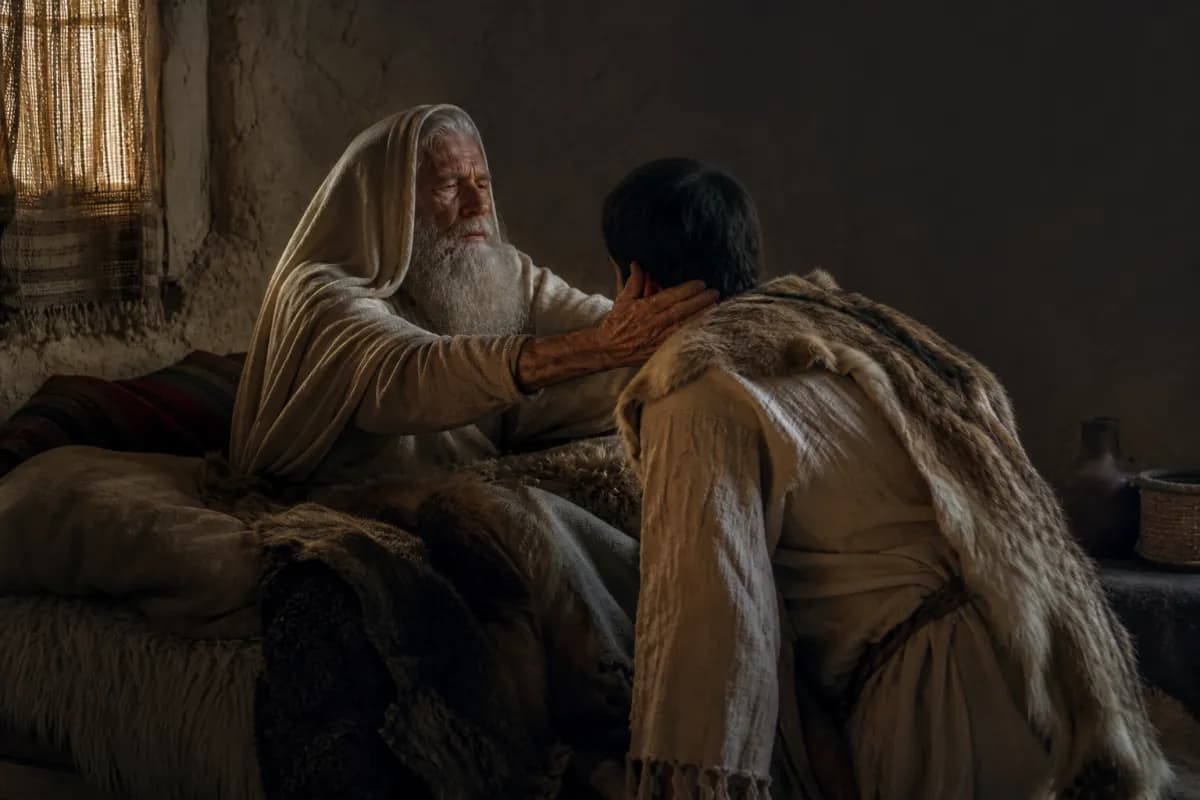
Genesis 26:34–27:45 brings together Esau’s marriages, Isaac’s plan to bless him, Rebekah and Jacob’s deception, Esau’s bitter loss, and the threat of vengeance. God’s promise concerning Jacob advances, but the passage never treats the family’s manipulation as righteous. It points to Jesus, the true heir who receives the Father’s blessing and brings sinners into it by grace rather than deceit.

Study this passage →
Genesis 27:46–28:9

36 of 876 · Passage study

Wives for Jacob and Esau: Preserving the Covenant Line

Genesis 27:46–28:9 sends Jacob away from Canaan to seek a wife among Rebekah’s kin, while Esau responds to his parents’ grief by adding a marriage from Ishmael’s line. The passage moves a divided household toward Jacob’s exile and God’s next encounter at Bethel. It shows that God preserves His covenant purpose through flawed family decisions and points to Jesus, who creates a holy people by grace and fulfills the promise of blessing for the nations.

Study this passage →
Keep scrolling for the next passage.