Truth-Scrolling

Genesis 28:10–28:22

37 of 876 · Passage study

Jacob’s Dream: God Meets the Fugitive

Genesis 28:10–22 finds Jacob alone and vulnerable after taking the blessing by deception. At Bethel, God gives him a vision of heaven opened toward earth and renews the Abrahamic promise without pretending Jacob’s sin is insignificant. Jesus identifies Himself as the true meeting place between heaven and earth, bringing guilty people into the presence and mission of God.
Study this passage →
Genesis 29:1–32:2

38 of 876 · Passage study

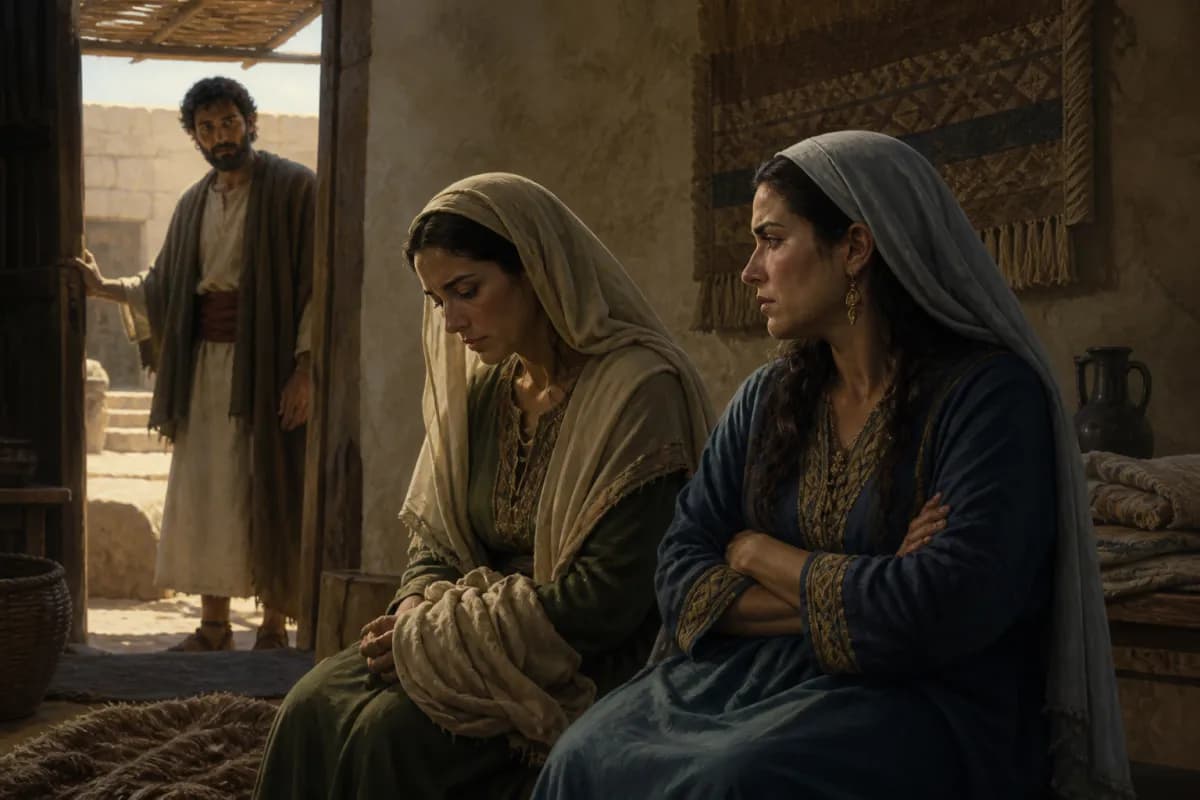
Leah and Rachel: God Sees the Unloved and Builds His People

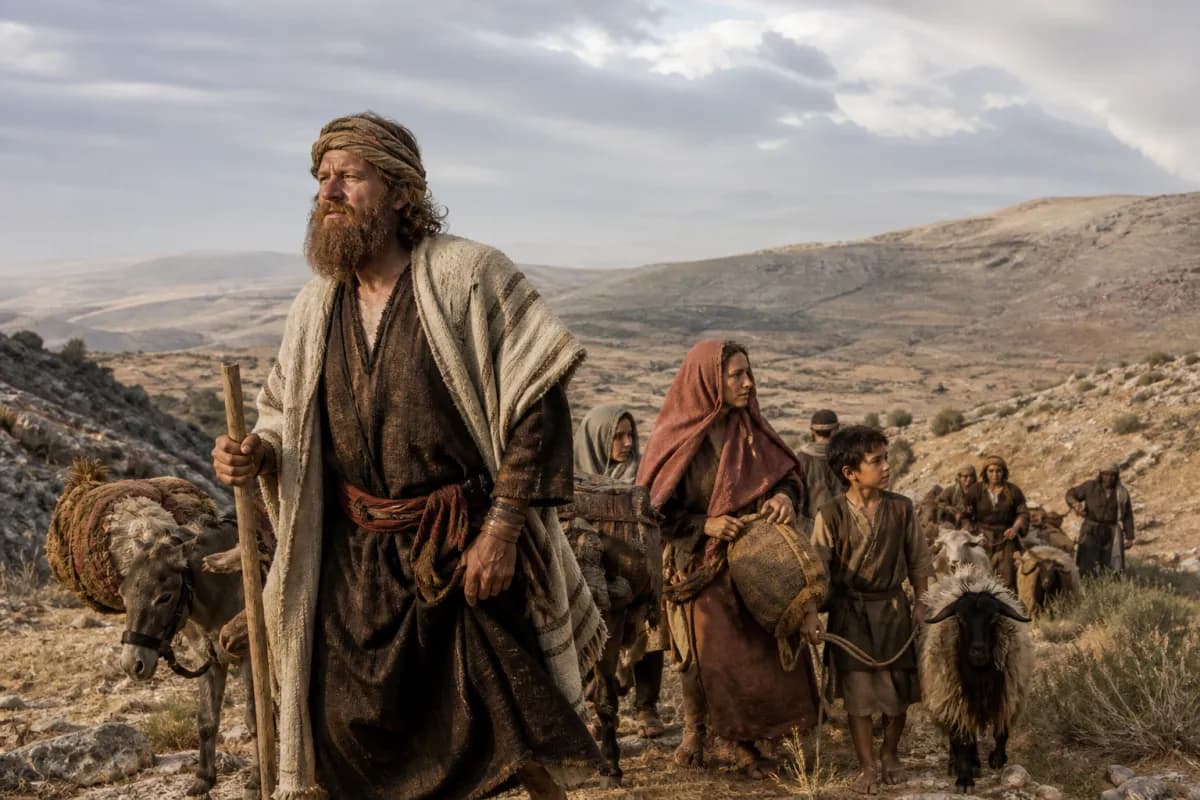
Genesis 29:1–32:2 follows Jacob from his arrival in Haran through marriages marked by deception, the birth of a large and divided household, and his return toward Canaan. Human favoritism and rivalry wound this family, yet God sees Leah in her affliction, gives children, and remains faithful to His covenant promise. The passage prepares the way for Jesus, who gathers a people by grace rather than by human merit or family advantage.

Study this passage →
Genesis 32:3–32:22

39 of 876 · Passage study

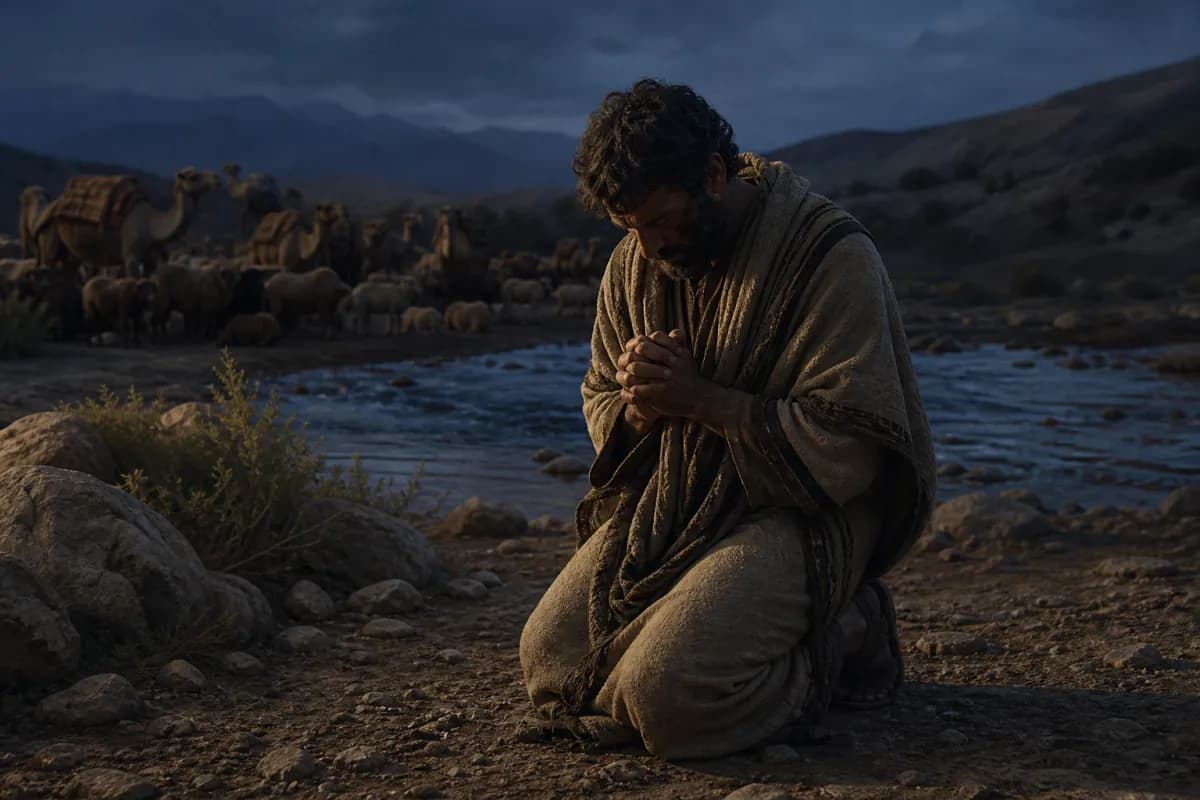
Jacob Prepares to Meet Esau: Fear Brought Before God

Genesis 32:3–22 shows Jacob approaching the brother he wronged with fear, gifts, and a prayer that clings to God’s promise. His practical preparation is real, but he cannot engineer reconciliation or secure his future by calculation. The passage points to Jesus, whose saving mission makes true reconciliation possible by dealing with sin rather than merely managing its consequences.

Study this passage →
Genesis 32:23–32:32

40 of 876 · Passage study

Jacob Wrestles: Blessed Through Weakness

Genesis 32:23–32 places Jacob alone at the Jabbok on the night before he meets Esau. He wrestles with a mysterious man until daybreak, receives the name Israel, and limps away after encountering God. The passage teaches that covenant blessing comes by God’s gracious claim on a self-reliant man, and it prepares readers to trust Jesus, who meets His people in weakness and brings them to God.

Study this passage →
Genesis 33:1–33:17

41 of 876 · Passage study

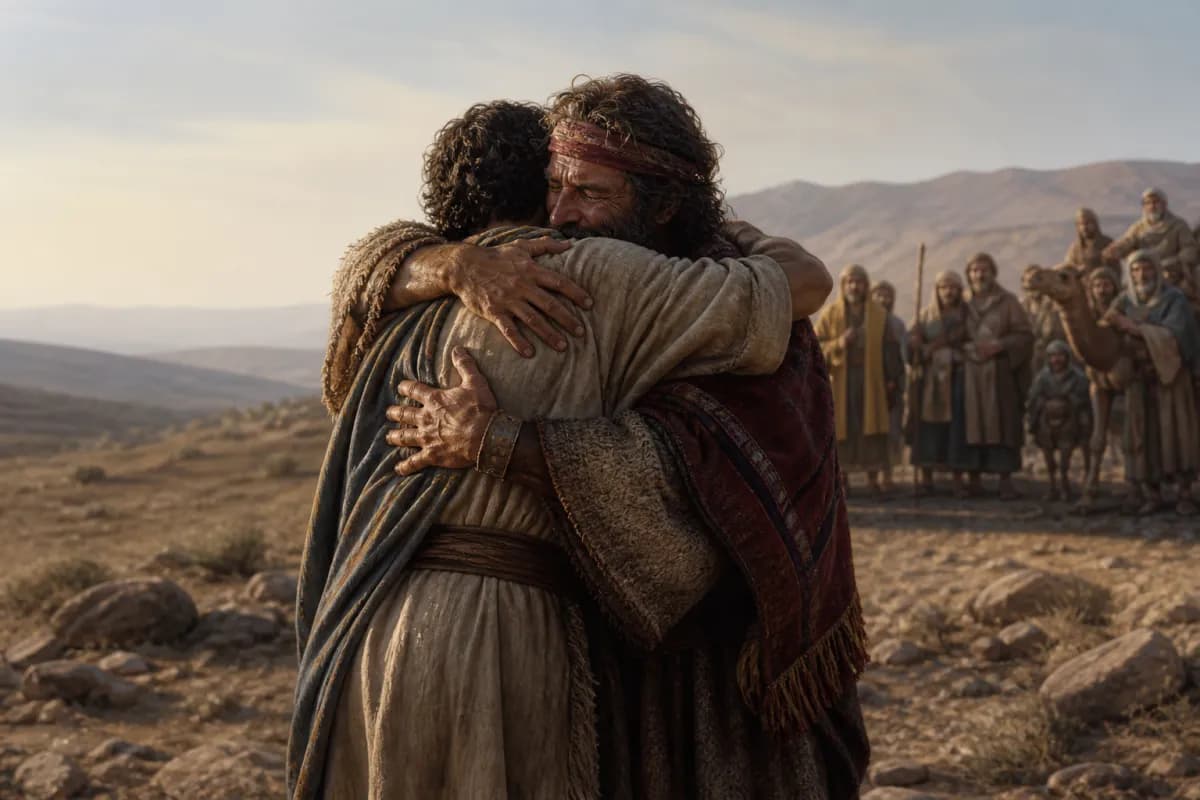
Reconciliation: Esau Runs to Meet Jacob

Genesis 33:1–17 brings Jacob and Esau face to face after years of estrangement. Jacob bows, expects danger, and is met by an embrace, tears, and peace. The scene displays reconciliation as a costly grace that cannot be controlled or presumed upon, and it directs readers toward Jesus, who makes peace with God and calls His people to pursue peace truthfully with one another.

Study this passage →
Genesis 33:18–34:31

42 of 876 · Passage study

Dinah and Shechem: Violence, Grief, and a Family’s Failed Answer

Genesis 33:18–34:31 tells of Dinah’s violation by Shechem, the grief and deceit of Jacob’s sons, and Simeon and Levi’s murderous retaliation. Scripture neither softens the assault nor approves the brothers’ revenge. The chapter exposes how sexual violence, deception, and uncontrolled anger compound evil, and it directs readers to Jesus, whose saving mission judges sin and creates a people marked by truth, protection of the vulnerable, and costly peace.

Study this passage →
Genesis 35:1–35:29

43 of 876 · Passage study

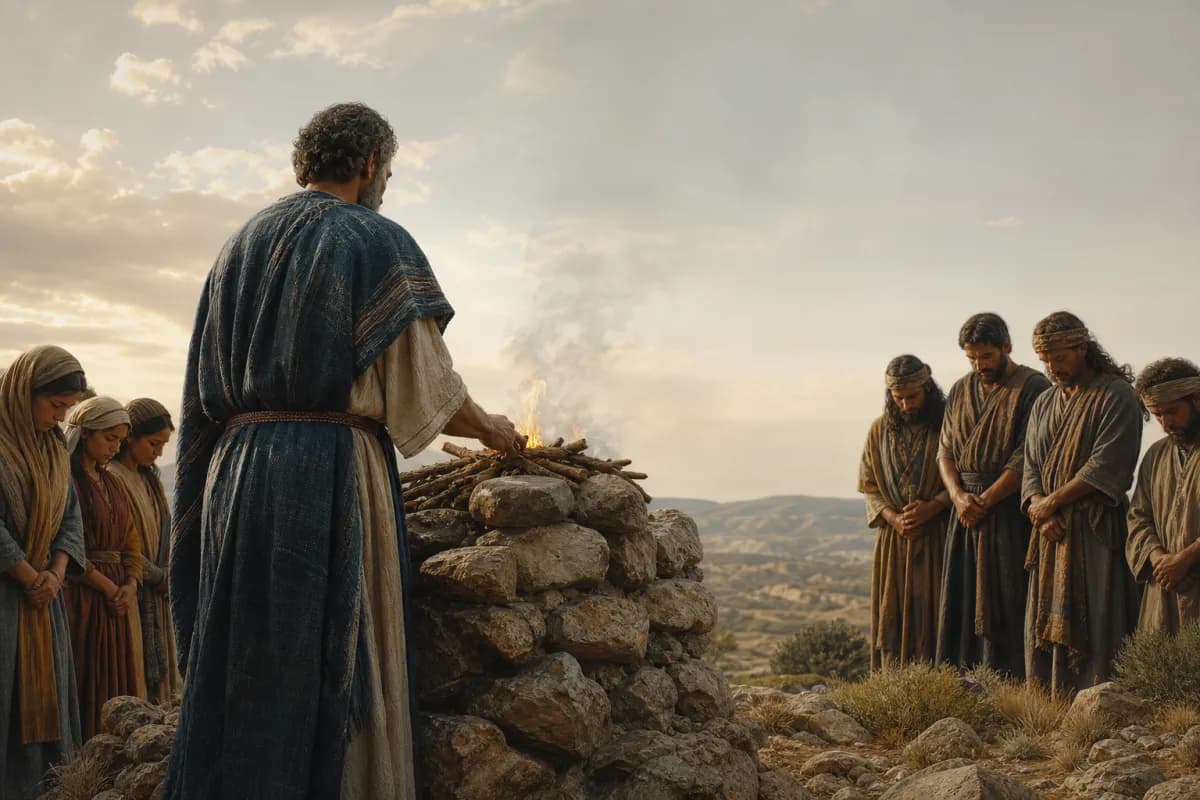
Jacob Returns to Bethel: Worship, Promise, and the Cost of the Journey

Genesis 35:1–29 brings Jacob back to Bethel, where God first met him in flight. God commands his household to put away foreign gods and build an altar; Jacob obeys, God renews the covenant promise, and the chapter records deaths that remind readers the promise moves forward through grief. The passage directs hope toward Jesus, who brings His people into true worship and secures the promised presence of God beyond death.

Study this passage →
Genesis 36:1–36:43

44 of 876 · Passage study

Esau’s Generations: A Brother’s Line and God’s Unforgotten Word

Genesis 36:1–43 records Esau’s descendants, clans, chiefs, and kings in Edom. The genealogy honors God’s earlier promise that Esau would become a people, while distinguishing his line from Jacob’s covenant line. It teaches that God sees nations and families beyond the central storyline, and it points to Jesus, the promised King from Judah through whom God brings blessing to every nation.

Study this passage →
Genesis 37:1–37:36

45 of 876 · Passage study

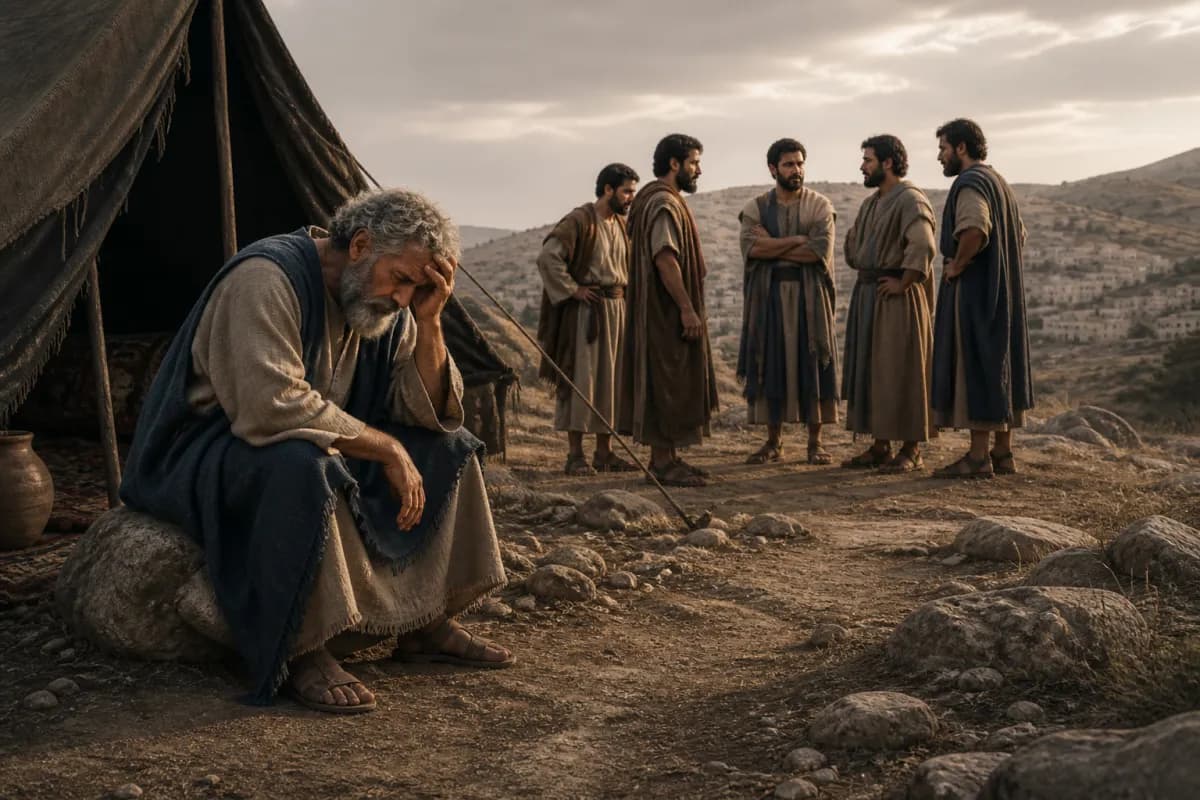
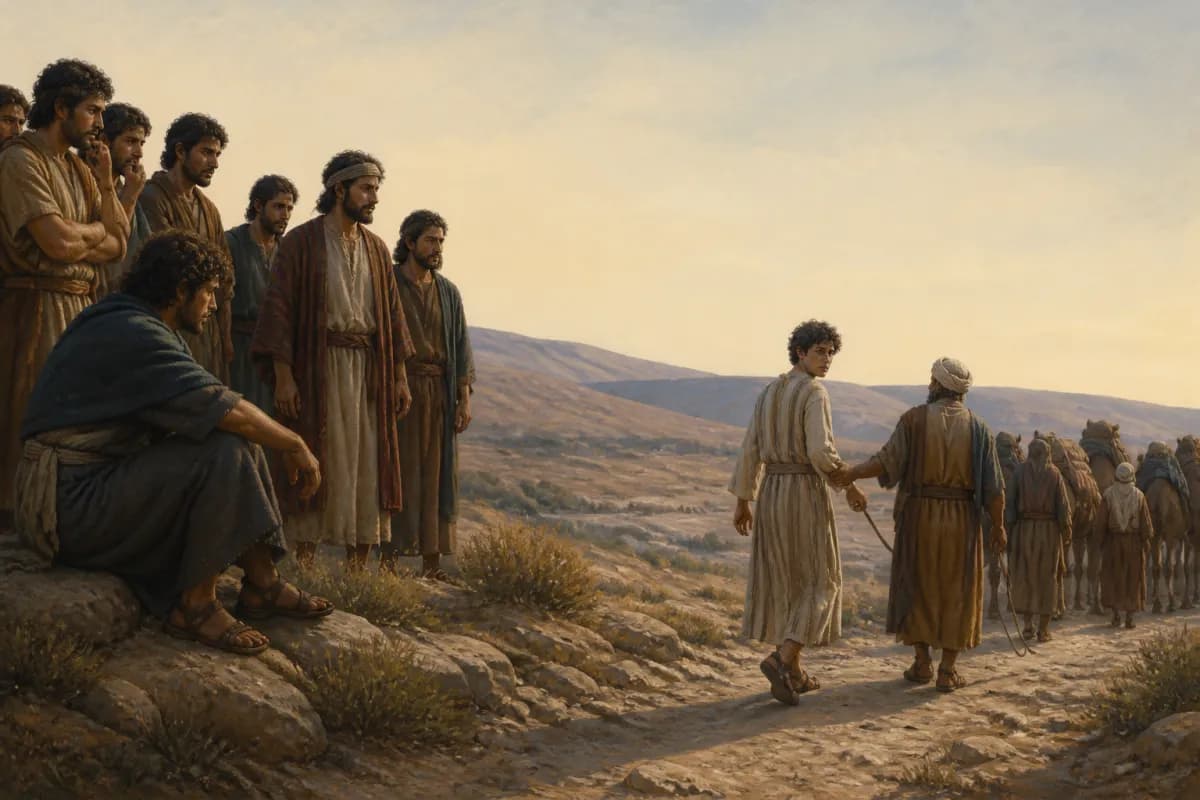
Joseph Sold into Slavery: Beloved Son, Betrayed Brother

Genesis 37:1–36 begins Joseph’s descent from his father’s beloved son to a slave bound for Egypt. His brothers’ envy turns murderous, and their deception breaks Jacob with grief. Yet the final line quietly places Joseph in Egypt, where God will preserve the family. The story prepares readers for Jesus, the beloved Son who was rejected and whose saving mission turns human evil toward life.

Study this passage →
Genesis 38:1–38:30

46 of 876 · Passage study

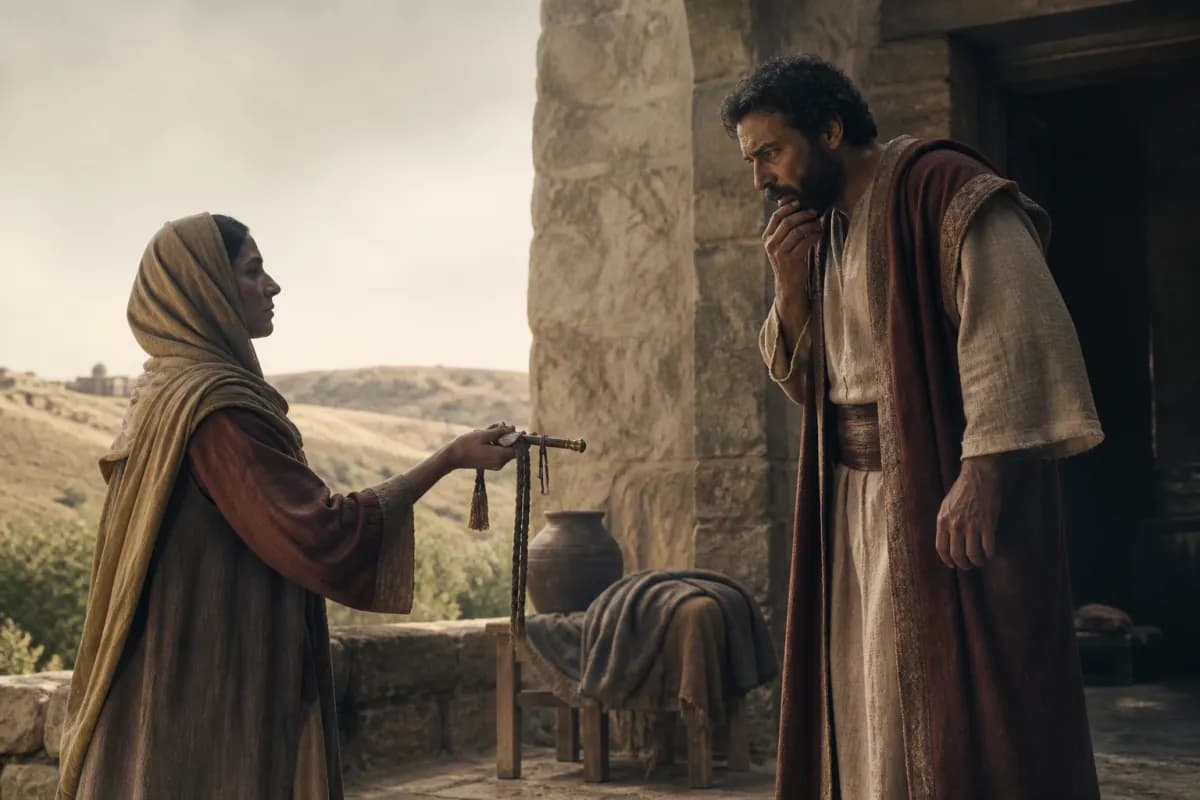
Judah and Tamar: Justice Exposed in a Broken Family

Genesis 38:1–30 interrupts Joseph’s story to confront Judah’s failure toward Tamar, a widowed woman left without the justice and protection owed to her. Tamar’s carefully preserved evidence brings Judah to confession: she is more in the right than he is. God carries the promise through a grievously disordered family, leading ultimately to Jesus, the King from Judah who brings righteous mercy rather than exploitation.

Study this passage →
Genesis 39:1–39:23

47 of 876 · Passage study

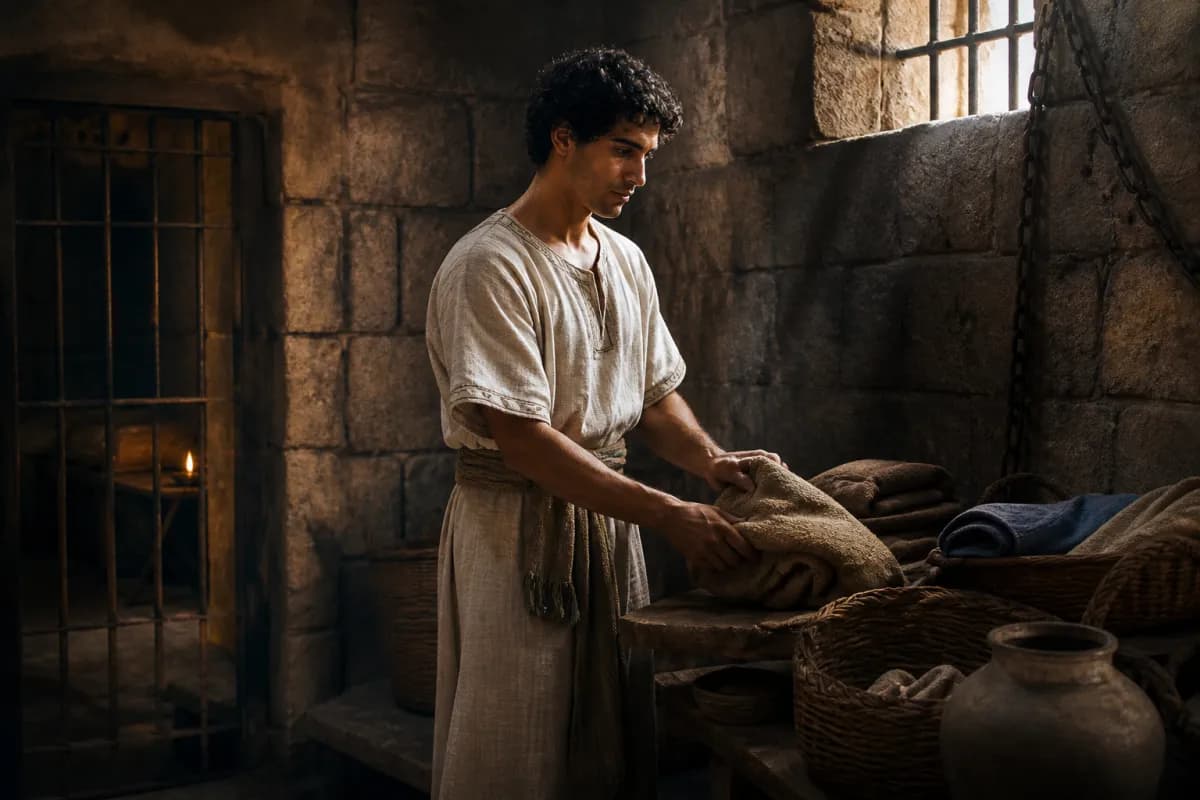
Joseph in Egypt: Faithfulness in the House and Prison

Genesis 39:1–23 follows Joseph from Potiphar’s house into prison after he refuses sexual sin and is falsely accused. The repeated declaration that the Lord is with Joseph gives the chapter its center: God’s presence does not exempt him from suffering, yet it sustains his faithful obedience and prepares the next stage of God’s life-preserving purpose. Jesus, the faithful and suffering Son, meets His people in costly obedience and brings them to God.

Study this passage →
Genesis 40:1–40:23

48 of 876 · Passage study

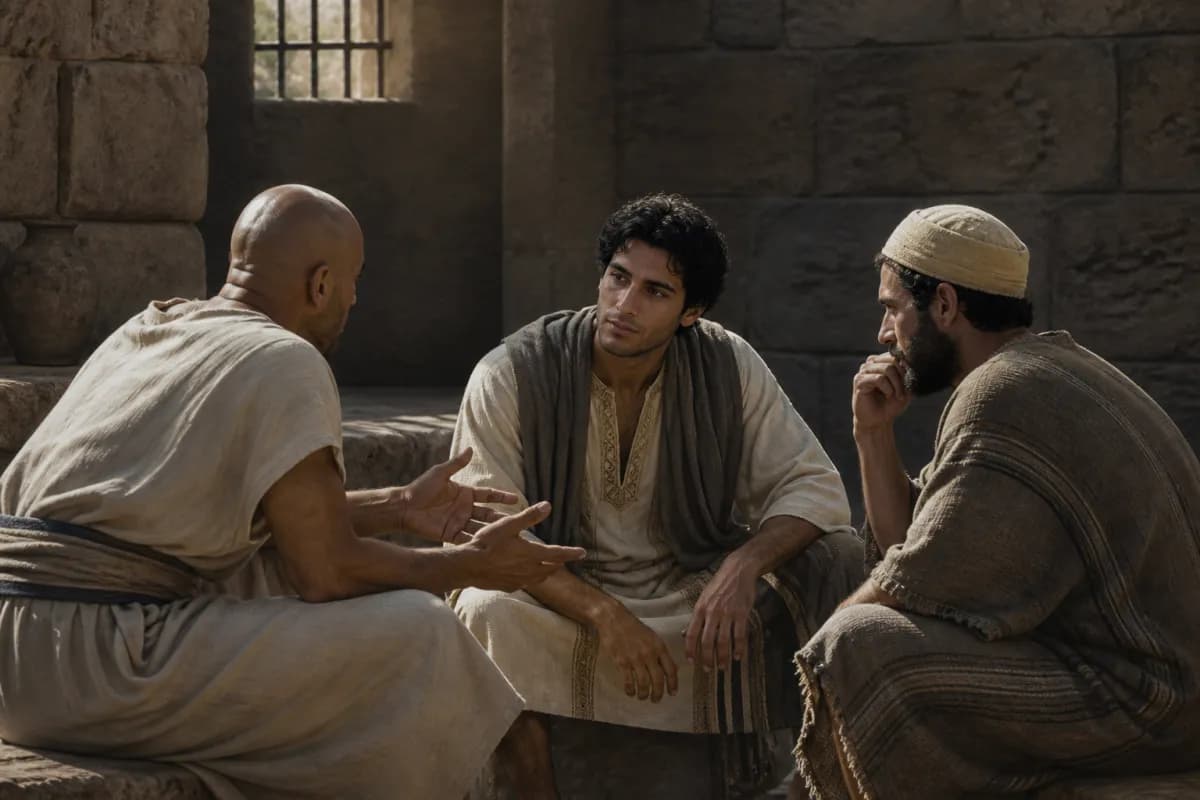
The Two Dreams: God Speaks in an Unresolved Prison

Genesis 40:1–23 places Joseph in prison with Pharaoh’s cupbearer and baker. He refuses to claim their dreams as a private power, saying that interpretations belong to God. The dreams are fulfilled exactly, yet the cupbearer forgets Joseph. The passage teaches patient dependence on God’s wisdom and points to Jesus, whose saving mission is not delayed by human forgetfulness and who gives hope beyond a world of uncertain outcomes.

Study this passage →
Keep scrolling for the next passage.