Truth-Scrolling

Judges 11:1–11:40

361 of 876 · Passage study

A Deliverer Marked by Rejection and a Rash Vow

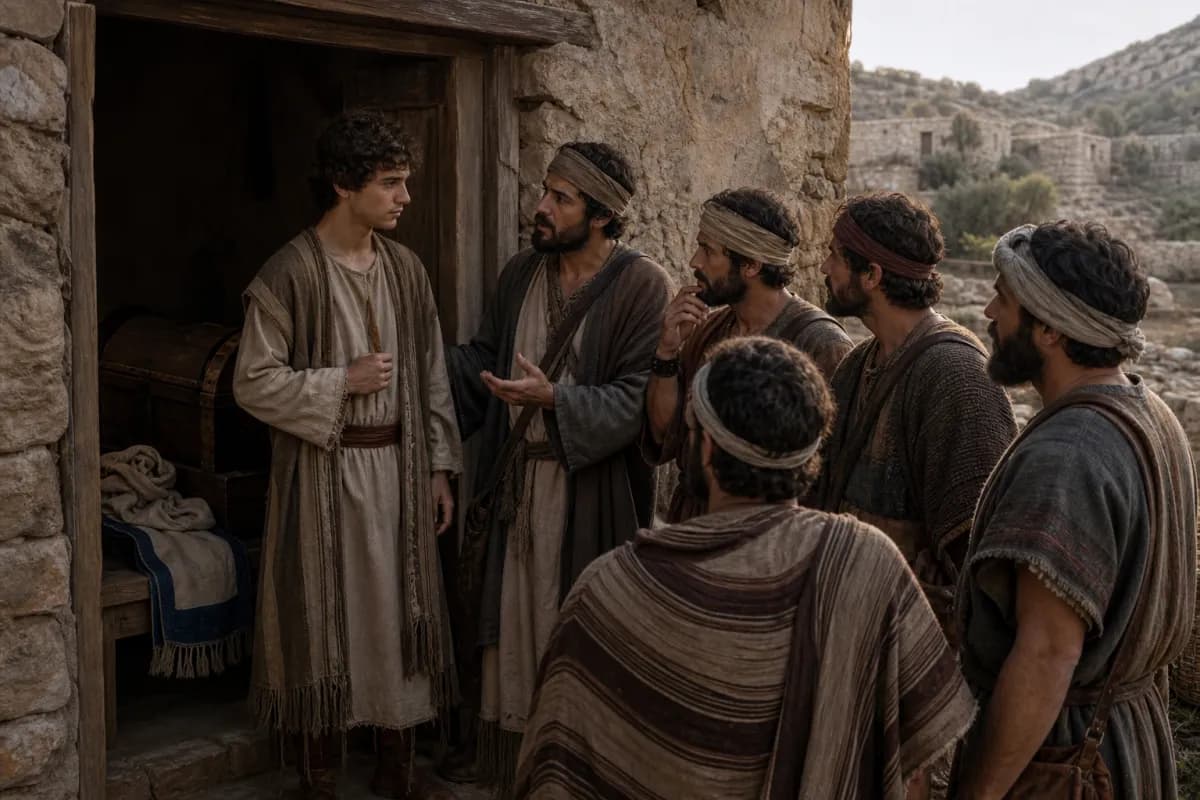
Judges 11 introduces Jephthah, an able warrior rejected by his family and summoned back when Gilead needs help. The Lord gives Israel victory over Ammon, yet Jephthah’s rash vow casts a grievous shadow over the deliverance. The passage warns against bargaining with God and directs readers to Jesus, the rejected Savior who accomplishes redemption through obedient self-giving rather than reckless promises.
Study this passage →
Judges 12:1–12:15

362 of 876 · Passage study

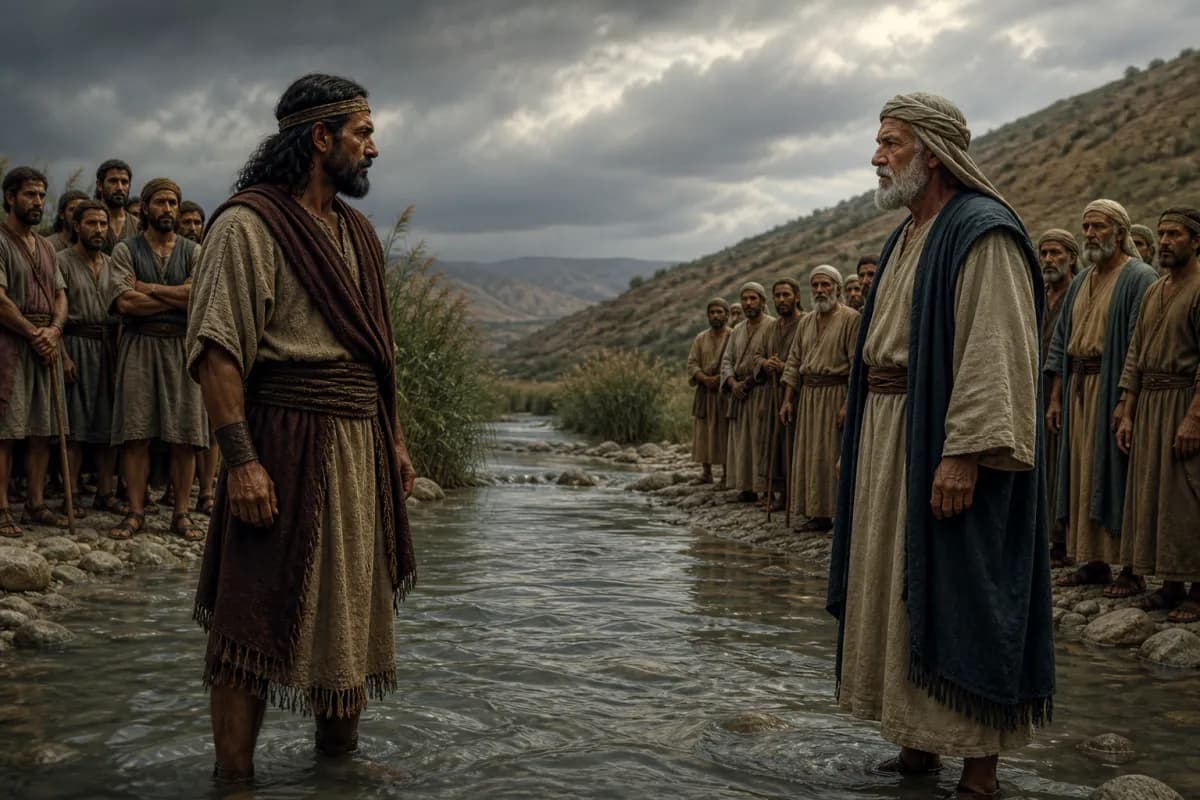
When Brother Turns against Brother

Judges 12 records Ephraim’s angry confrontation with Jephthah, the killing at the Jordan fords through the pronunciation test of “Shibboleth,” and the brief notices of three later judges. The passage exposes how tribal pride turns a shared deliverance into civil bloodshed and directs readers to Jesus, who creates peace among estranged people through His cross.

Study this passage →
Judges 13:1–13:25

363 of 876 · Passage study

A Child Set Apart for a Rescue He Cannot Complete

Judges 13 begins Samson’s story with Israel again doing evil, a barren woman receiving an angelic promise, and a Nazirite child set apart from the womb to begin deliverance from the Philistines. The chapter shows God initiating rescue before Israel even cries out and directs readers to Jesus, the promised Savior who fully delivers His people from sin and sends them in His name.

Study this passage →
Judges 14:1–14:20

364 of 876 · Passage study

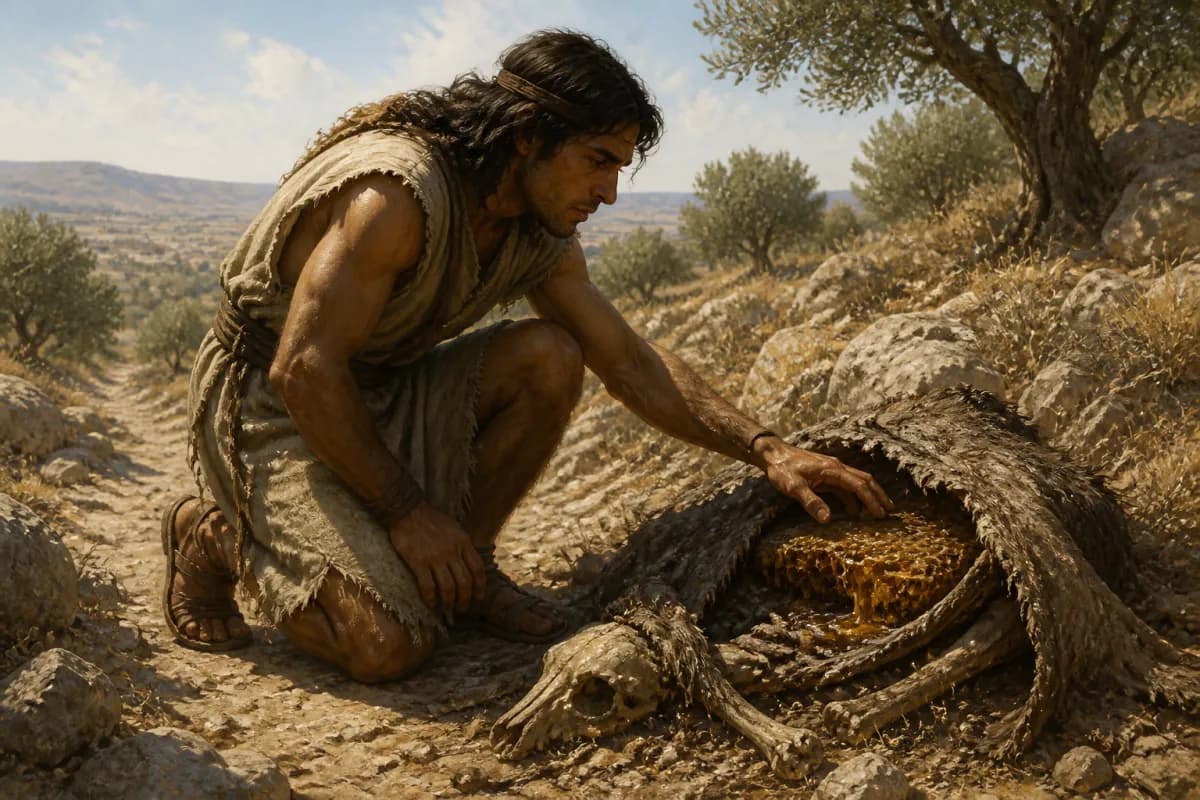
Strength without Wisdom at Timnah

Judges 14 follows Samson’s desire for a Philistine woman at Timnah, the Spirit-empowered killing of a lion, a riddle built from that private event, and a wedding feast ruined by coercion and anger. God begins to seek an occasion against the Philistines, but Samson’s appetite and retaliation reveal a deliverer unable to rule himself. The passage directs readers to Jesus, whose holy wisdom and self-giving love accomplish the rescue Samson cannot.

Study this passage →
Judges 15:1–15:20

365 of 876 · Passage study

Samson’s Vengeance and the Lord’s Deliverance

Judges 15 follows Samson as one personal grievance becomes a widening cycle of retaliation between him and the Philistines. The Lord nevertheless uses Samson to strike Israel’s oppressors, even while Samson’s anger and Israel’s fearful surrender reveal how little the nation resembles a faithful people. The passage directs readers to Jesus, who defeats evil without being mastered by vengeance and creates a people who bear witness to His reconciling peace.

Study this passage →
Judges 16:1–16:31

366 of 876 · Passage study

Samson’s Fall and His Final Cry

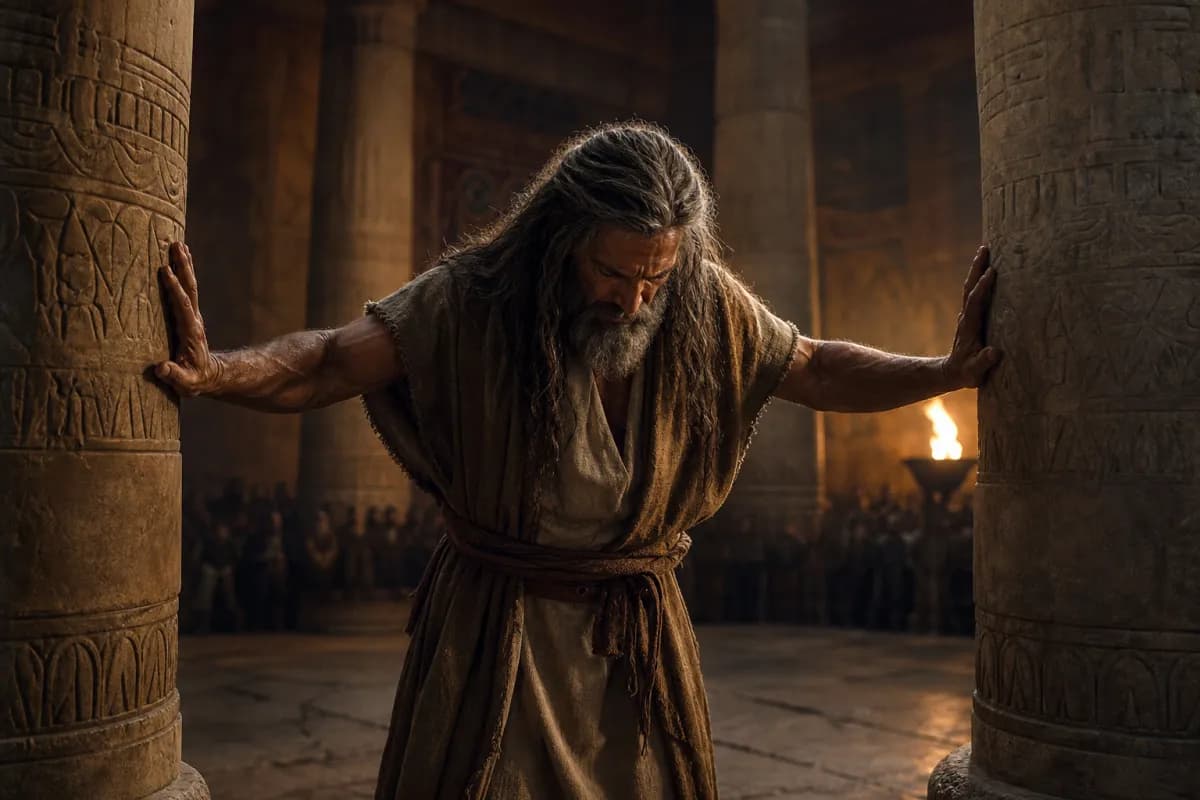
Judges 16 records Samson’s repeated compromise, Delilah’s betrayal, the loss of his strength, humiliation before the Philistines, and final prayer in their temple. God uses Samson’s death to strike Israel’s oppressors, but the story refuses to make his ruin admirable. It directs readers to Jesus, the faithful Savior whose willing death conquers sin and death without moral failure and whose resurrection gives lasting life.

Study this passage →
Judges 17:1–17:13

367 of 876 · Passage study

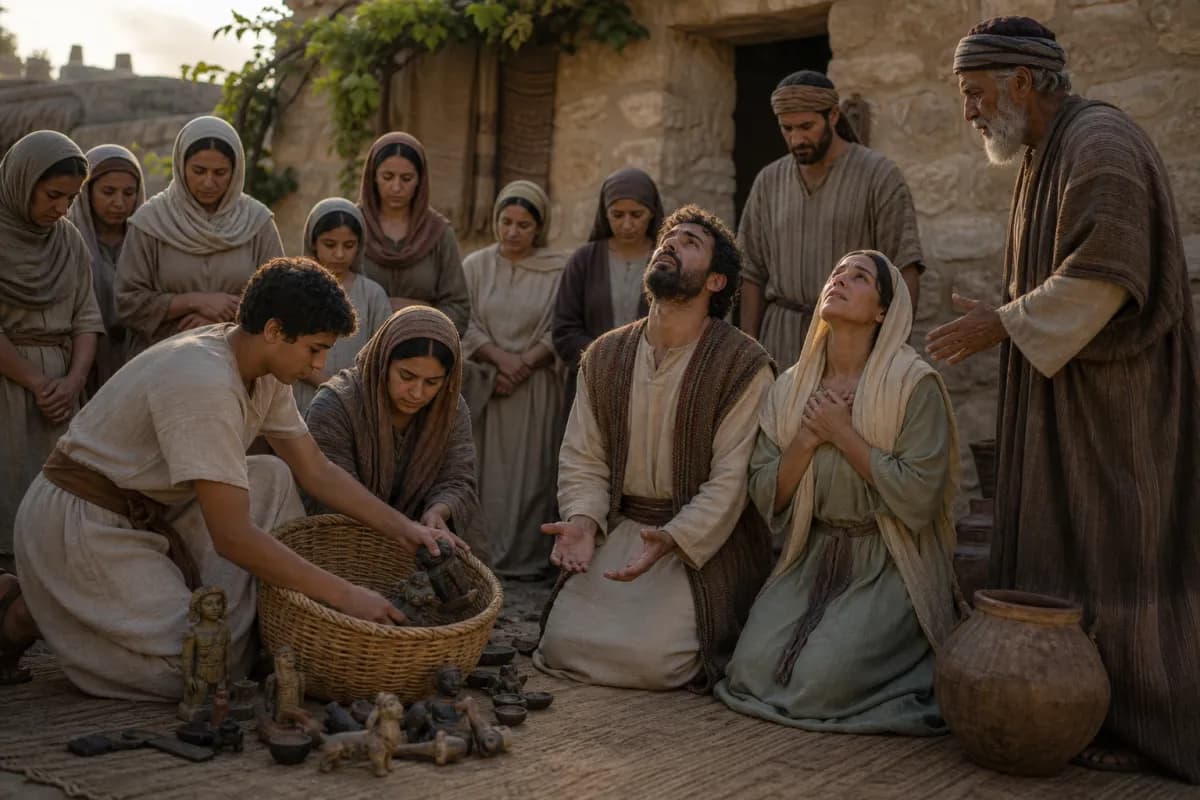
When Worship Is Remade at Home

Judges 17 tells how Micah turns silver tied to theft, a mother’s blessing, household images, and a wandering Levite into a private religious system. The chapter exposes the danger of using the Lord’s name to bless worship shaped by personal preference. It directs readers to Jesus, the true revelation of God who gathers His people around His word rather than around self-made religion.

Study this passage →
Judges 18:1–18:31

368 of 876 · Passage study

Dan Seeks an Inheritance on Its Own Terms

Judges 18 records Dan’s search for a new territory, its theft of Micah’s religious objects and priest, and its violent seizure of the quiet city of Laish. The tribe gains land but carries idolatry with it, showing that a desired outcome cannot make an unfaithful path holy. The passage directs readers to Jesus, who gives an eternal inheritance by grace and sends His people to live truthfully rather than seize blessing by manipulation or violence.

Study this passage →
Judges 19:1–19:30

369 of 876 · Passage study

Gibeah and the Horror of a People Without Restraint

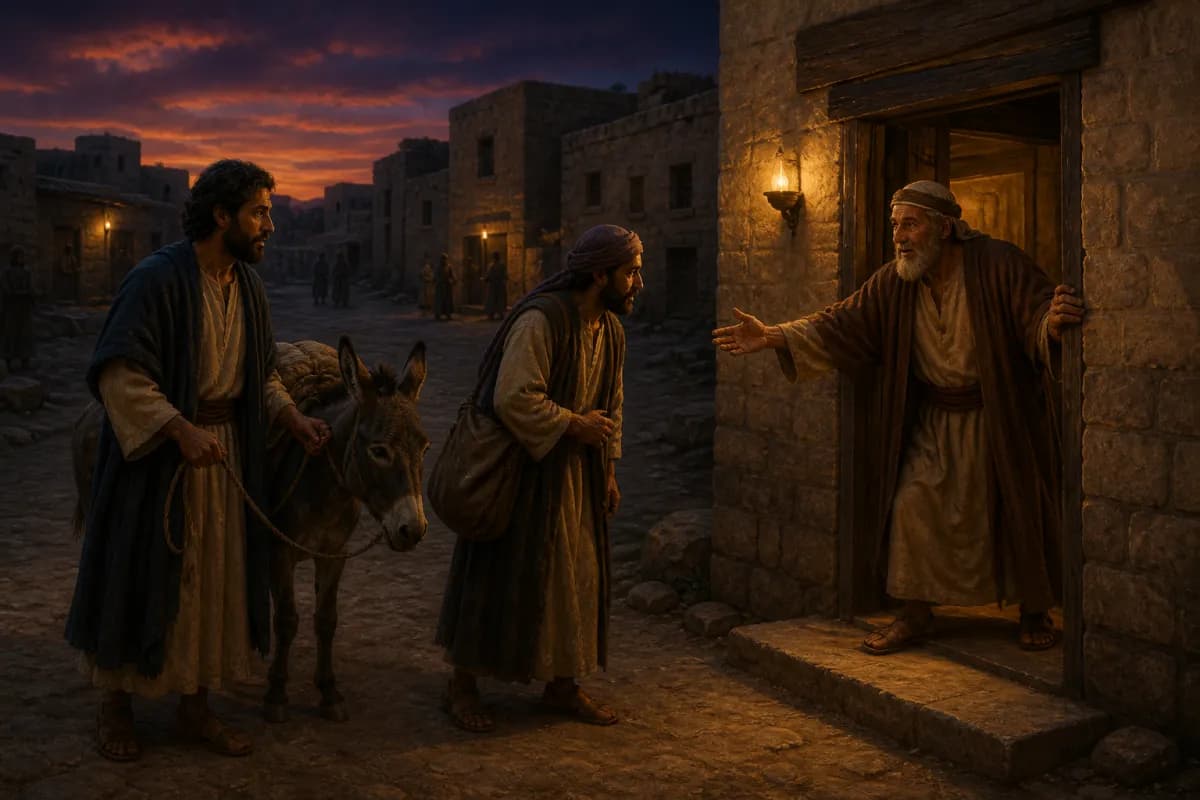
Judges 19 tells of a Levite, his concubine, a hospitable old man, and the men of Gibeah whose assault and violence end in the woman’s death. The chapter is a devastating indictment of Israel’s moral collapse, especially its failure to protect the vulnerable. It directs readers to Jesus, who sees hidden violence, bears human sin’s judgment, and forms a people committed to truth, protection, repentance, and costly love.

Study this passage →
Judges 20:1–20:48

370 of 876 · Passage study

Israel’s War against Benjamin: Justice Entangled with Vengeance

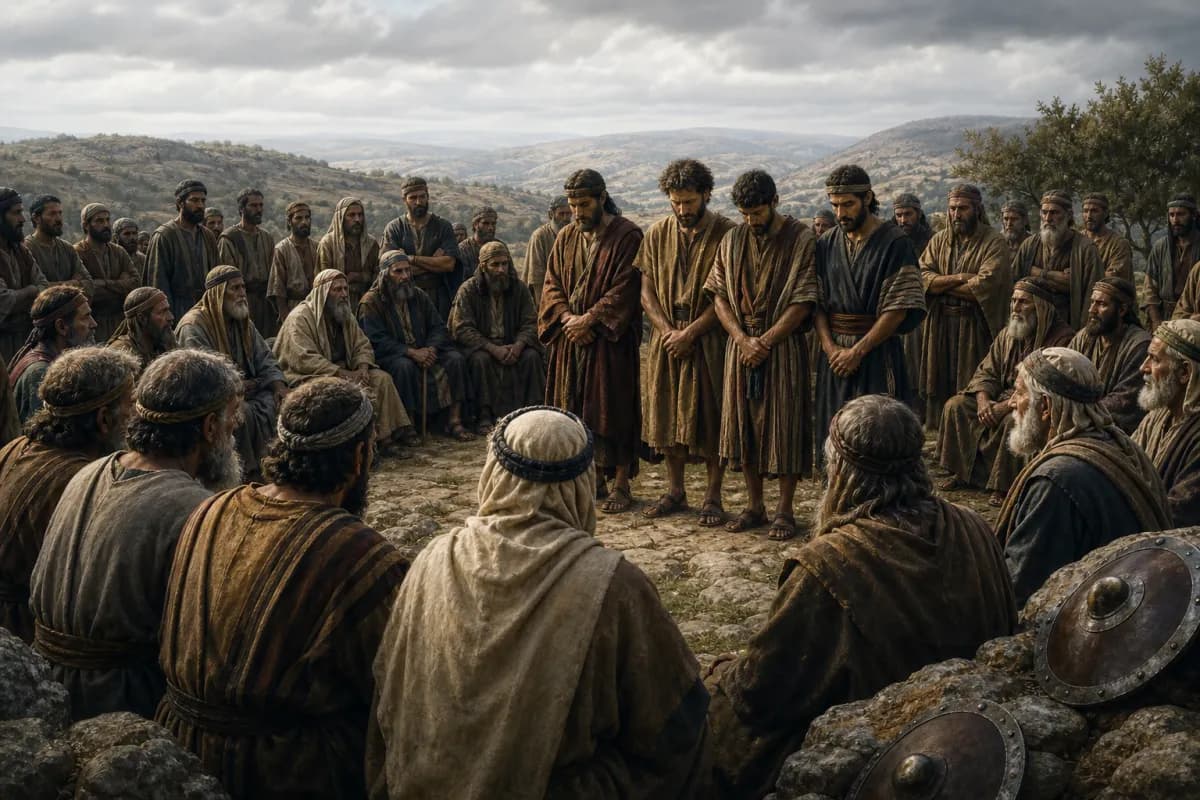
Judges 20 records Israel gathering to answer Gibeah’s atrocity, Benjamin’s refusal to hand over the guilty men, and a civil war that leaves Benjamin nearly destroyed. The chapter insists that grievous evil cannot be ignored, yet it also shows how a people already disordered by sin can pursue justice through escalating devastation. It directs readers to Jesus, the righteous Judge who exposes evil, bears judgment for sinners, and makes peace through His cross.

Study this passage →
Judges 21:1–21:25

371 of 876 · Passage study

Wives for Benjamin and the Bitter End of Moral Collapse

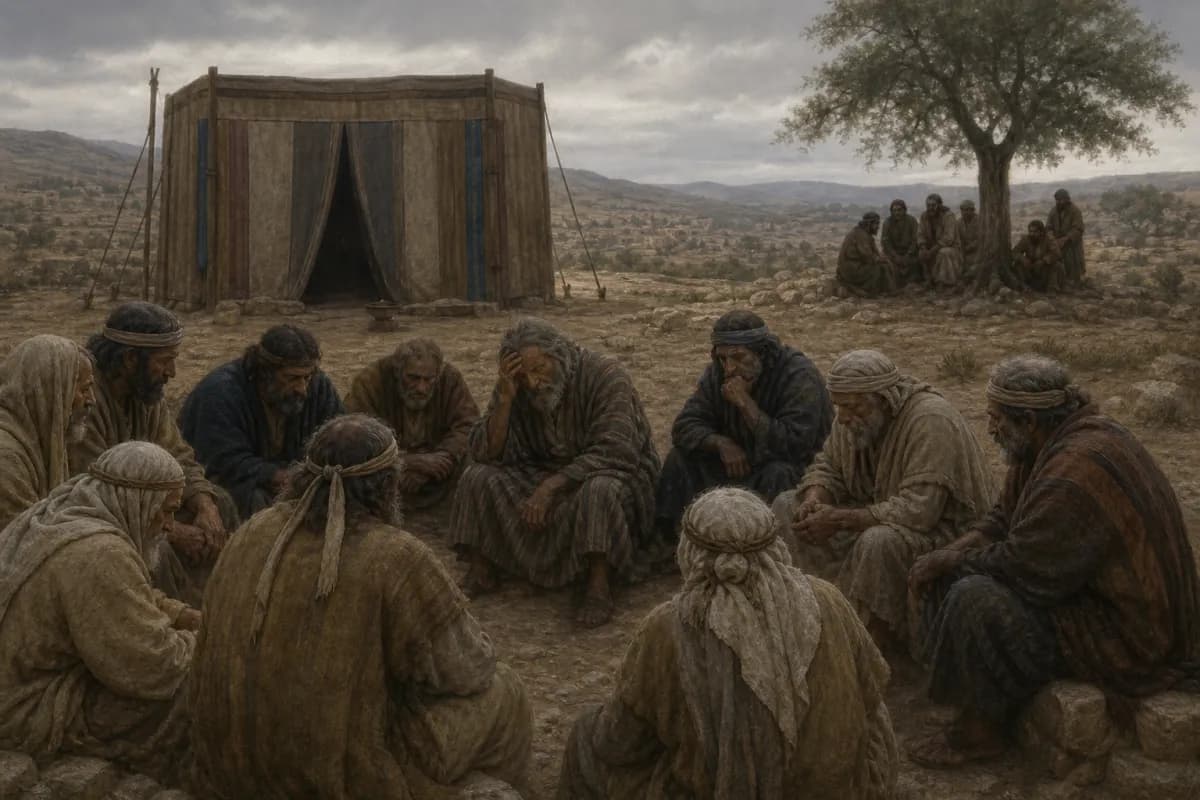
Judges 21 shows Israel grieving Benjamin’s near destruction while trying to repair it through new oaths, another massacre, and the seizure of women at Shiloh. The chapter refuses to call desperate expediency wisdom. Its final line—there was no king in Israel, and each person did what was right in his own eyes—names the need for righteous rule. It directs readers to Jesus, the true King who restores people without sacrificing the vulnerable and gathers a redeemed people by grace.

Study this passage →
Ruth 1:1–1:22

372 of 876 · Passage study

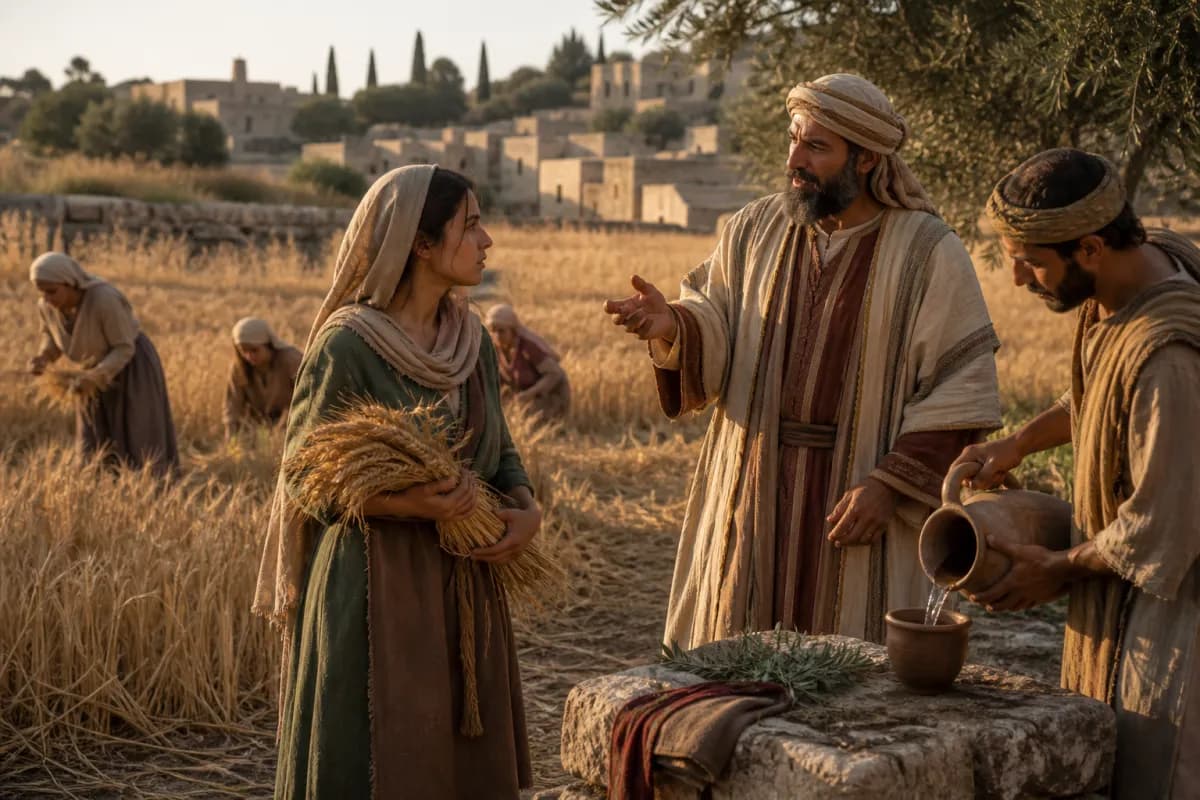
Naomi and Ruth Return: Loyal Love in a Bitter Season

Ruth 1 begins with famine, migration, three widowhoods, and Naomi’s return to Bethlehem. Ruth refuses to abandon her mother-in-law and binds her future to Naomi’s people and God. The chapter does not tidy grief into a quick answer; it shows God beginning to work through costly loyalty and directs readers to Jesus, whose saving love brings the hopeless into God’s family.

Study this passage →
Keep scrolling for the next passage.