Truth-Scrolling

Job 1:1–2:13

445 of 876 · Passage study

Job’s Testing: Worship in the Ashes

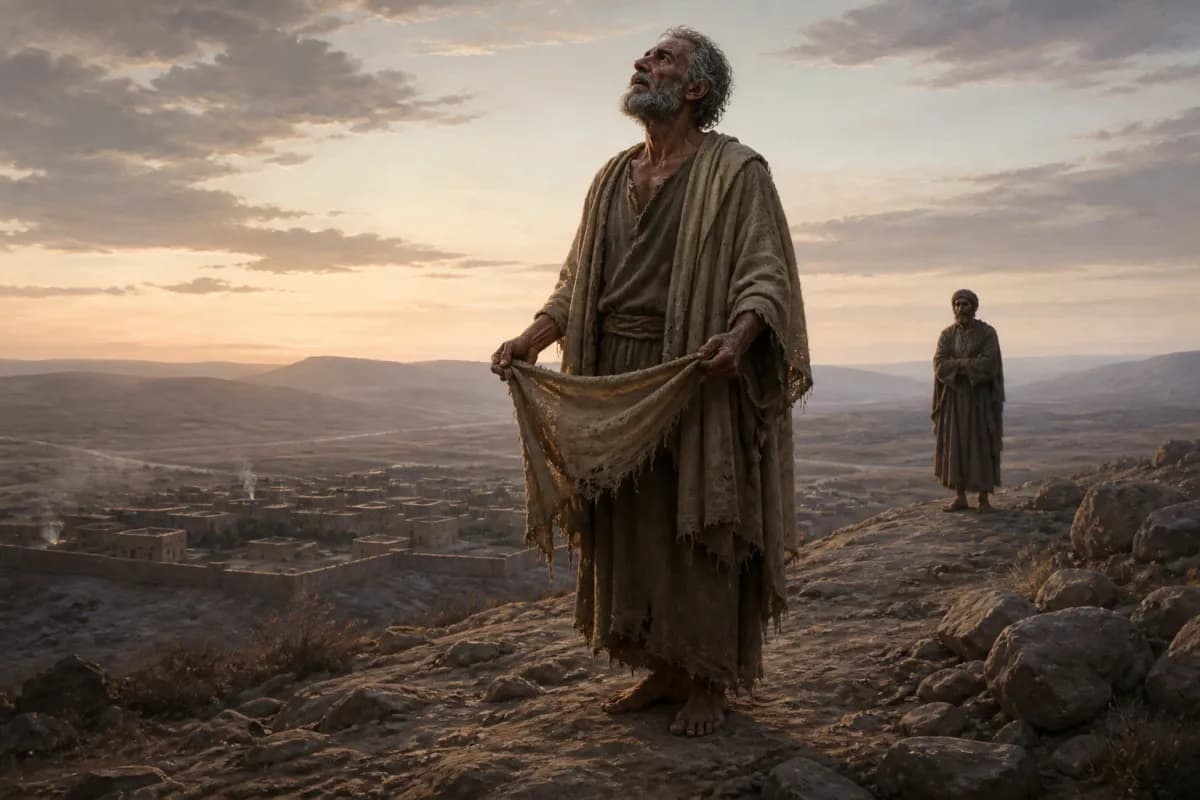
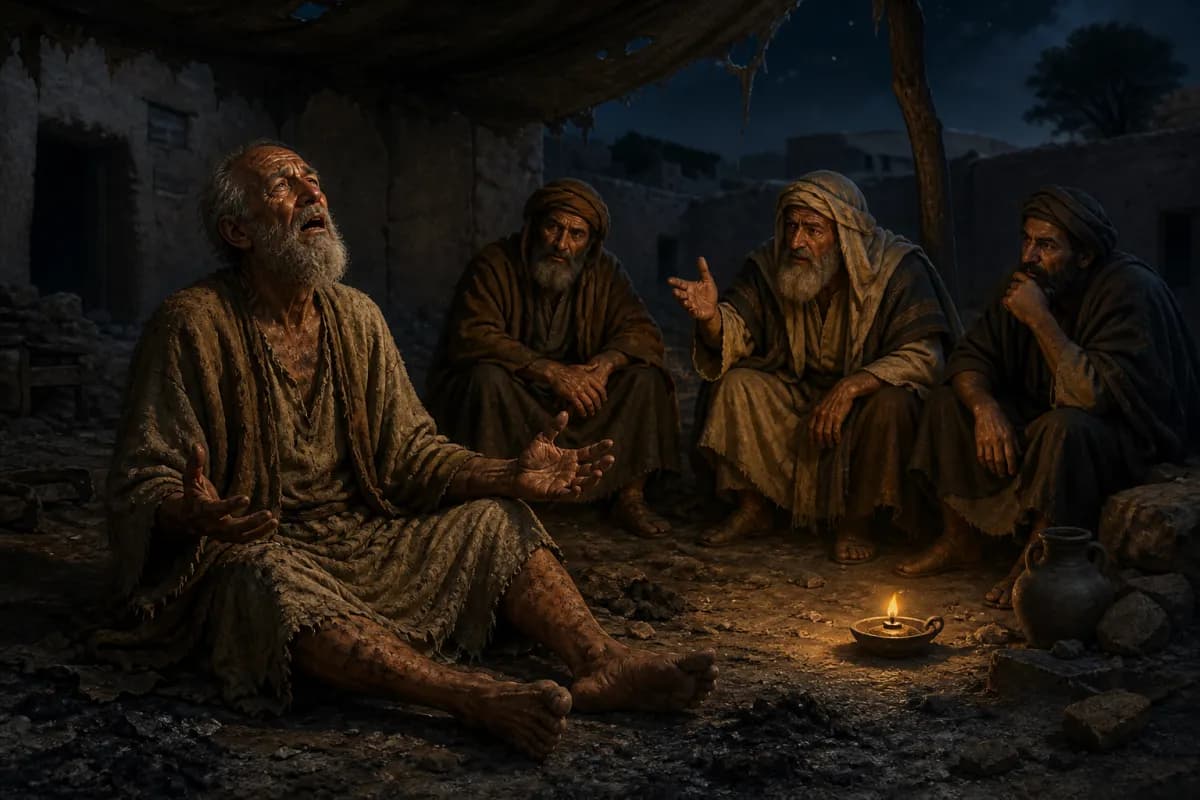
Job 1:1–2:13 pulls back the curtain on a righteous man’s sudden losses without giving Job access to that heavenly scene. His possessions, children, health, and public dignity are struck; his wife speaks from anguish; and his friends initially sit beside him in silence. The passage refuses to make suffering a simple measure of guilt and directs readers to Jesus, the truly righteous sufferer who enters our grief and brings us to God.
Study this passage →
Job 3:1–14:22

446 of 876 · Passage study

Job’s First Lament and the Failure of Easy Answers

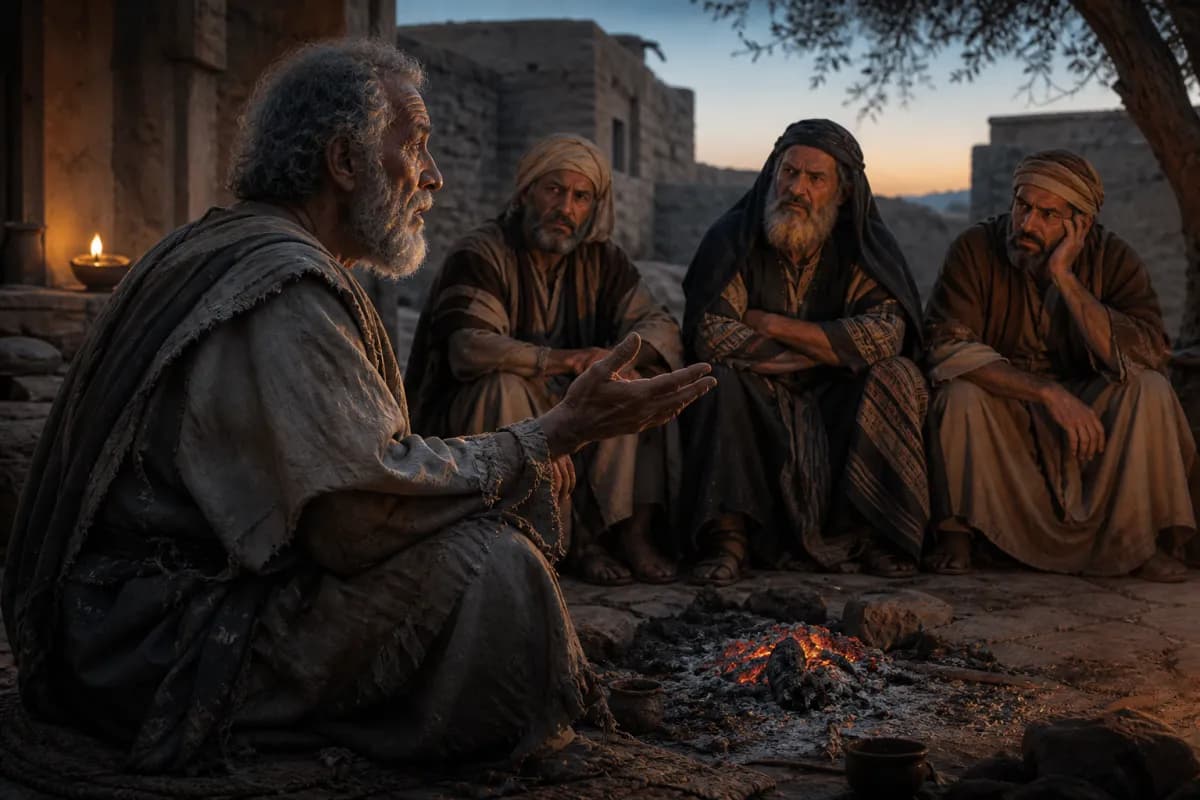
Job 3:1–14:22 begins the long argument over suffering. Job curses the day of his birth and asks why a person in agony is kept alive; Eliphaz, Bildad, and Zophar defend a moral order in which suffering exposes guilt; and Job insists that their explanations do not fit his life. The passage teaches believers to lament truthfully and points to Jesus, who receives the afflicted without turning pain into proof of personal condemnation.

Study this passage →
Job 15:1–21:34

447 of 876 · Passage study

Job’s Second Cycle: Hope against Accusation

Job 15:1–21:34 deepens the conflict between Job and his friends. Eliphaz, Bildad, and Zophar describe the ruin of the wicked as if Job’s suffering proves he belongs among them; Job calls them miserable comforters, pleads for a witness in heaven, and confesses hope in a living redeemer. The passage points to Jesus, the righteous Redeemer who vindicates His people and defeats the death that makes suffering seem final.

Study this passage →
Job 22:1–27:23

448 of 876 · Passage study

Job’s Final Defense before the God He Cannot Find

Job 22:1–27:23 brings the friends’ final arguments to a breaking point. Eliphaz invents specific sins to explain Job’s suffering, Job longs to set his case before God but cannot find Him, Bildad magnifies human smallness, and Job refuses to surrender his integrity. The passage directs readers to Jesus, who brings sinners before God by grace and teaches His people to seek truth rather than explain pain through accusation.

Study this passage →
Job 28:1–28:28

449 of 876 · Passage study

The Search for Wisdom beneath the Earth

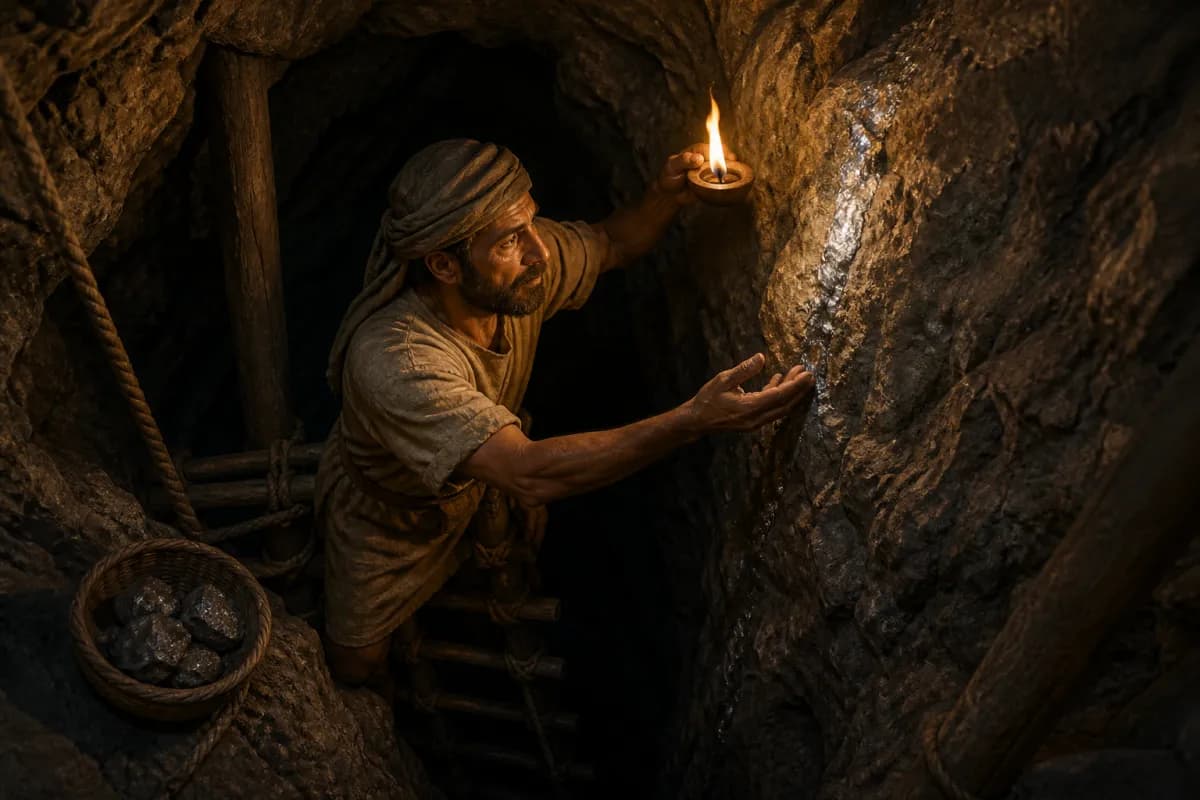
Job 28:1–28 follows human miners into dark shafts where they find silver, gold, and precious stones, then asks where wisdom can be found. No creature, sea, wealth, or human effort can purchase it; God alone knows its way, and He names the fear of the Lord and turning from evil as wisdom. The poem points to Jesus, in whom God’s saving wisdom is made known and who calls people from self-reliance into reverent life before God.

Study this passage →
Job 29:1–31:40

450 of 876 · Passage study

Job’s Oath of Integrity before the God Who Sees

Job 29–31 brings Job’s last defense to its peak. He remembers former honor and his care for the vulnerable, grieves his present humiliation, and swears a detailed oath that rejects lust, deceit, exploitation, greed, revenge, and concealed sin. His defense does not make him sinless; it refuses the friends’ invented charges and places his whole life before God’s just scrutiny. The passage points to Jesus, who alone is wholly righteous and brings repentant sinners into truthful fellowship with God.

Study this passage →
Job 32:1–37:24

451 of 876 · Passage study

Elihu’s Zeal for God’s Justice and the Limits of His Answer

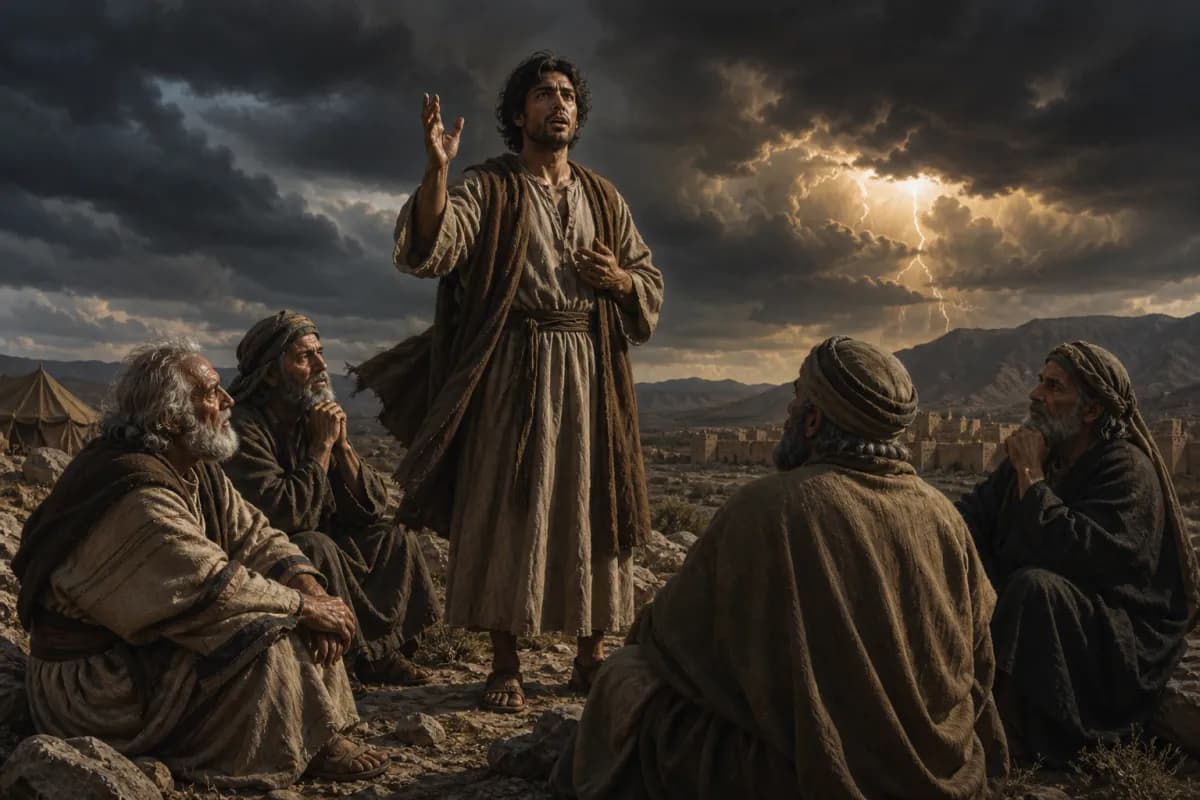
Job 32–37 introduces Elihu, the younger listener who burns with anger because Job has defended his own righteousness and the three friends have failed to answer him. Elihu insists that God does not pervert justice, that suffering can expose and instruct, and that God’s greatness exceeds human comprehension. He contributes real correction, yet the whirlwind still must come: God Himself gives the decisive answer. The passage directs readers to Jesus, whose cross vindicates God’s justice and whose humility teaches His people to speak truth without claiming the final word.

Study this passage →
Job 38:1–41:34

452 of 876 · Passage study

The Lord’s Whirlwind Answer and the Wisdom of Creation

Job 38–41 records the Lord’s answer from the whirlwind. Rather than explaining the heavenly contest or listing Job’s sins, God questions Job about the foundations of the earth, the sea’s boundary, dawn, weather, constellations, wild creatures, Behemoth, and Leviathan. The speeches restore the scale of reality: Job is a creature within a world God wisely governs. The passage points to Jesus, through whom all things were made and who enters the disorder of a fallen world to save, not merely to silence, His people.

Study this passage →
Job 42:1–42:17

453 of 876 · Passage study

Job’s Repentance, God’s Verdict, and Restored Fellowship

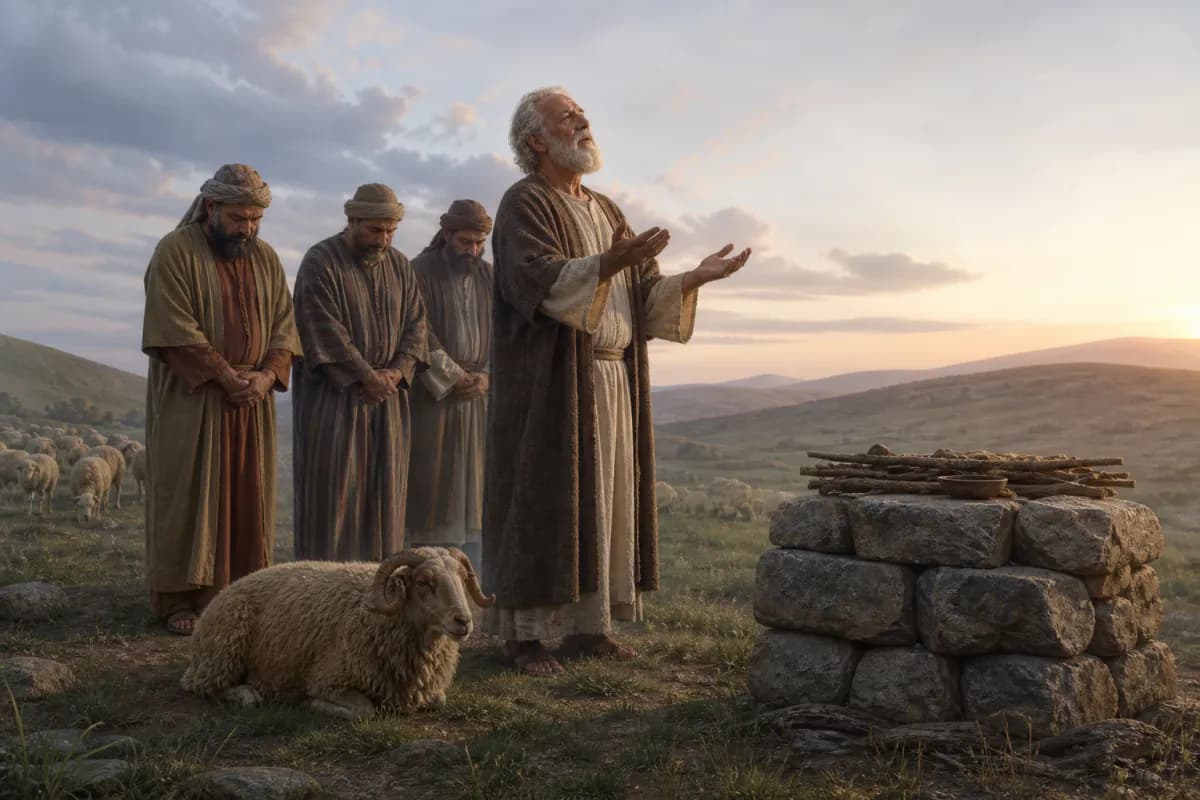
Job 42 closes the book with Job confessing God’s unsearchable purpose after seeing Him more truly, the Lord rebuking Eliphaz and his friends for speaking falsely, and Job praying for them. God restores Job’s fortunes, gives him a renewed household, and grants a long life. The restoration is a gift, not a formula that makes every suffering end the same way. The passage points to Jesus, whose righteous suffering and resurrection secure forgiveness, reconciliation, and final restoration beyond the limits of Job’s earthly ending.

Study this passage →
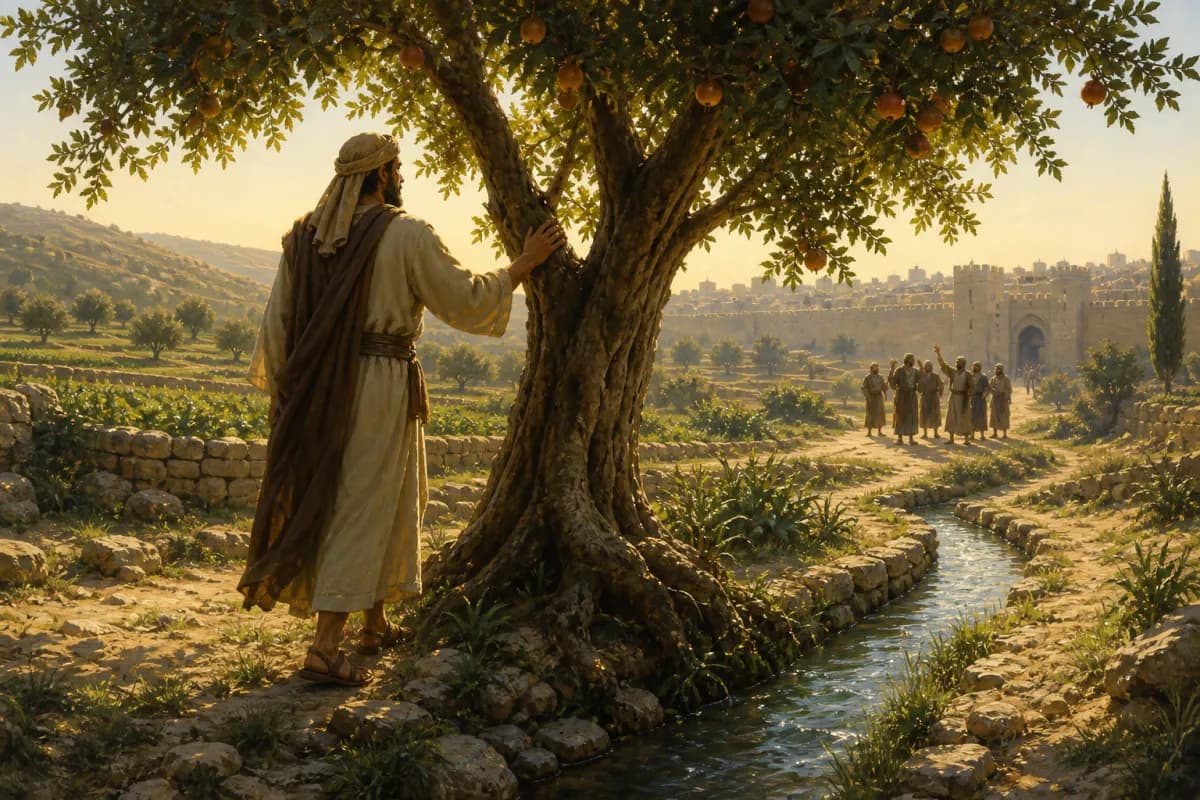
Psalms 1:1–1:6

454 of 876 · Passage study

The Two Ways and the Word That Gives Life

Psalm 1 contrasts the rooted life of the person who delights in the Lord’s instruction with the unstable course of the wicked. It calls readers to receive God’s word as the source of a faithful life and points to Jesus, the righteous Son who perfectly delights in the Father and brings His people into lasting life.

Study this passage →
Psalms 2:1–2:12

455 of 876 · Passage study

The Lord’s Anointed King and the Nations’ True Refuge

Psalm 2 portrays nations and rulers conspiring against the Lord and His anointed king, while God establishes that king on Zion and summons the rebels to wise submission. It points directly to Jesus, God’s promised Son and King, whose saving reign calls every people to turn from rebellion and find refuge in Him.

Study this passage →
Psalms 3:1–3:8

456 of 876 · Passage study

Psalm 3: The Lord Who Lifts the Besieged King

Psalm 3 turns David’s flight from Absalom into a prayer of confidence. Surrounded by enemies who say that God will not save him, David calls the Lord his shield, his glory, and the one who lifts his head. The psalm teaches God’s threatened people to seek rescue from Him, and it points to Jesus, the rejected King whose resurrection vindicates His trust and brings salvation to His people.

Study this passage →
Keep scrolling for the next passage.