Truth-Scrolling

Joshua 11:1–11:23

337 of 876 · Passage study

The Lord Gives Victory over the Northern Coalition

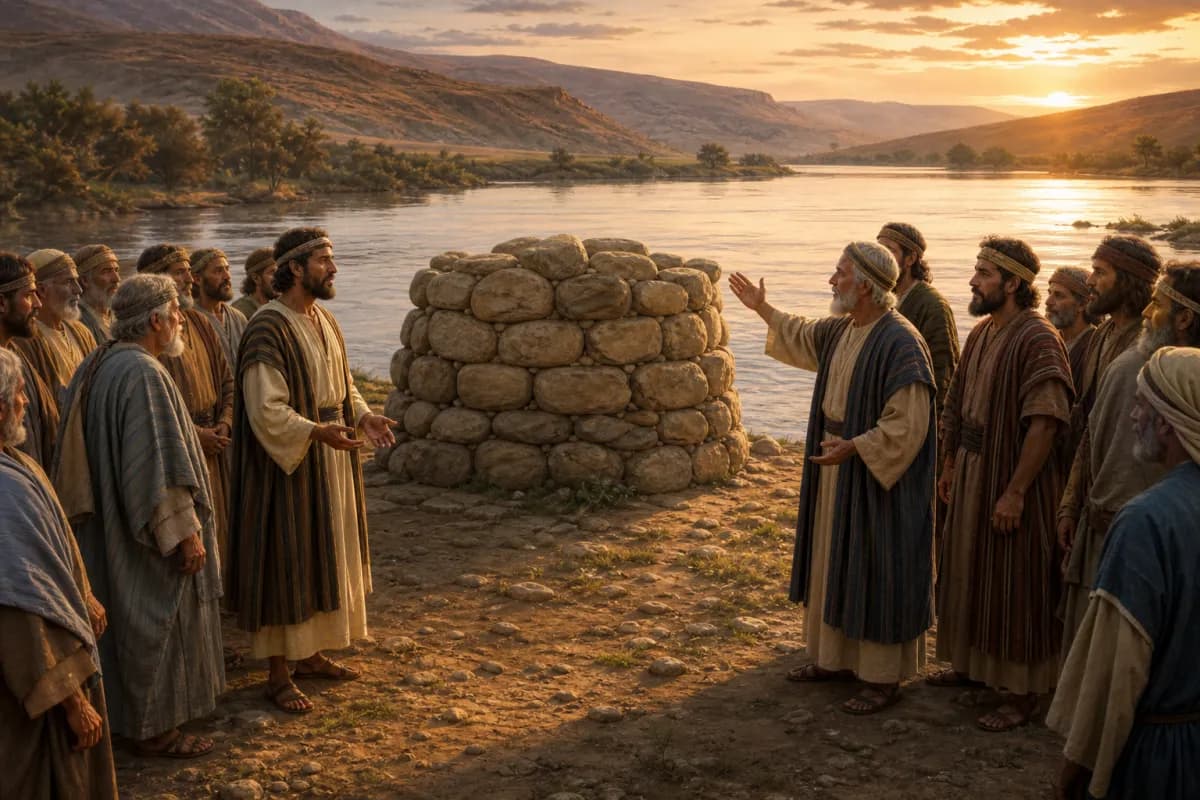
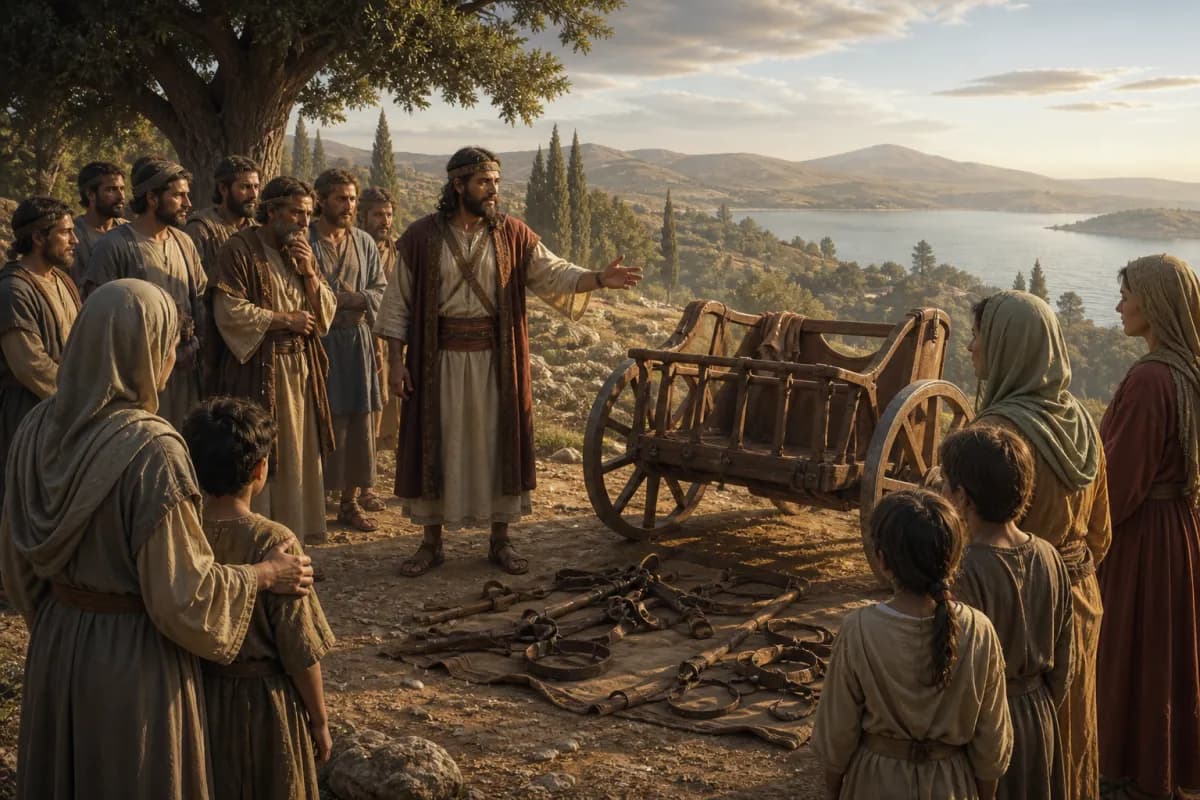
Joshua 11 brings the northern kings together in a force described as numerous as sand by the sea, with many horses and chariots. The Lord tells Joshua not to fear, commands a response that prevents Israel from relying on captured military power, and gives the coalition into Israel’s hand. The chapter closes by saying Joshua took the land according to the Lord’s command to Moses. It points toward Jesus, whose kingdom defeats evil without trusting the weapons of earthly power.
Study this passage →
Joshua 12:1–12:24

338 of 876 · Passage study

The King List That Remembers God’s Faithfulness

Joshua 12 gathers the names of defeated kings east and west of the Jordan into a single record of Israel’s inheritance. The list begins with Moses’ victories over Sihon and Og and continues through thirty-one kings taken under Joshua. Its dense geography turns promise into remembered history: the land was not seized by a nameless force but given through the Lord’s faithful action. It anticipates Christ’s greater reign, in which every hostile power will finally answer to Him.

Study this passage →
Joshua 13:1–13:33

339 of 876 · Passage study

Much Land Remains, Yet the Lord Assigns an Inheritance

Joshua 13 opens when Joshua is old and much land remains to be possessed. The Lord names the territories still outstanding, promises to drive out their inhabitants, and commands Joshua to apportion the land by lot. The chapter then rehearses the eastern inheritance and repeatedly notes that Levi receives no territorial share because the Lord is its inheritance. It directs readers to Jesus, who gives a lasting inheritance and calls His people to receive God’s gifts without abandoning unfinished obedience.

Study this passage →
Joshua 14:1–14:15

340 of 876 · Passage study

Caleb Receives Hebron by Following the Lord Fully

Joshua 14 records Caleb’s appeal at Gilgal for the hill country promised to him forty-five years earlier. Though eighty-five, Caleb asks for Hebron, where Anakim still live, because the Lord has kept him alive and will be with him. His inheritance honors long obedience to God’s promise and directs readers to the lasting inheritance secured by Jesus Christ.

Study this passage →
Joshua 15:1–15:63

341 of 876 · Passage study

Judah’s Inheritance and the Household of Faith

Joshua 15 gives Judah’s large allotment through boundary descriptions, city lists, Caleb’s conquest of Debir, Achsah’s request for springs, and the notice that Jerusalem’s Jebusites remain. The detailed inheritance makes the Lord’s promise concrete for real clans, while Achsah’s wise request and the unfinished settlement keep the chapter from triumphalism. Judah’s line ultimately leads to David and to Jesus, the promised King.

Study this passage →
Joshua 16:1–16:10

342 of 876 · Passage study

Ephraim’s Allotment and an Unfinished Obedience

Joshua 16 assigns Ephraim’s territory within Joseph’s inheritance, tracing its southern and western boundaries and listing towns shared with Manasseh. The chapter ends with a sober qualification: Ephraim does not drive out the Canaanites in Gezer but subjects them to forced labor. God’s ordered gift is real, yet partial obedience leaves a corrosive compromise that later Scripture exposes.

Study this passage →
Joshua 17:1–17:18

343 of 876 · Passage study

Manasseh’s Inheritance, Daughters, and Clearing the Hill Country

Joshua 17 assigns territory to Manasseh, gives the daughters of Zelophehad their promised inheritance, and records Joseph’s complaint that one portion is insufficient. Joshua answers by directing Joseph’s large people to clear the forested hill country and face the Canaanites’ iron chariots. The chapter joins God’s just provision to courageous responsibility and points to Christ, who makes believers heirs in God’s family.

Study this passage →
Joshua 18:1–18:28

344 of 876 · Passage study

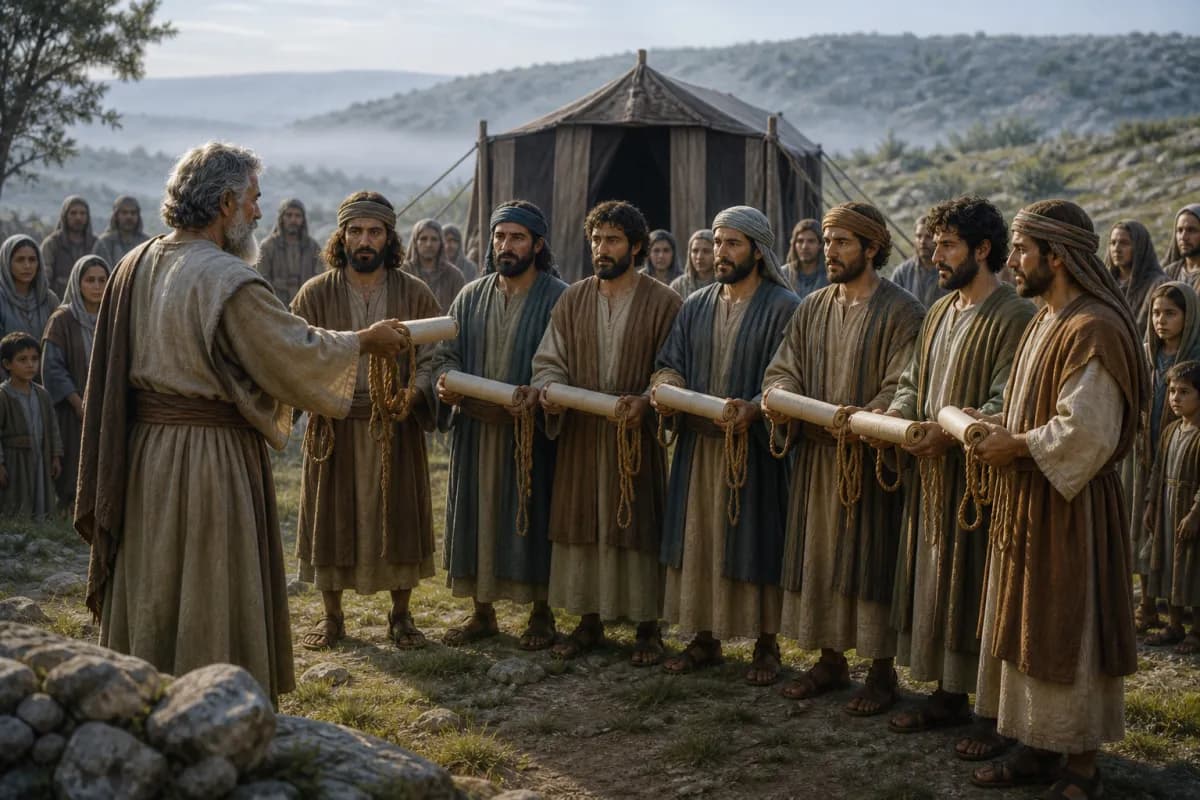
The Tabernacle at Shiloh and the Land Still to Be Received

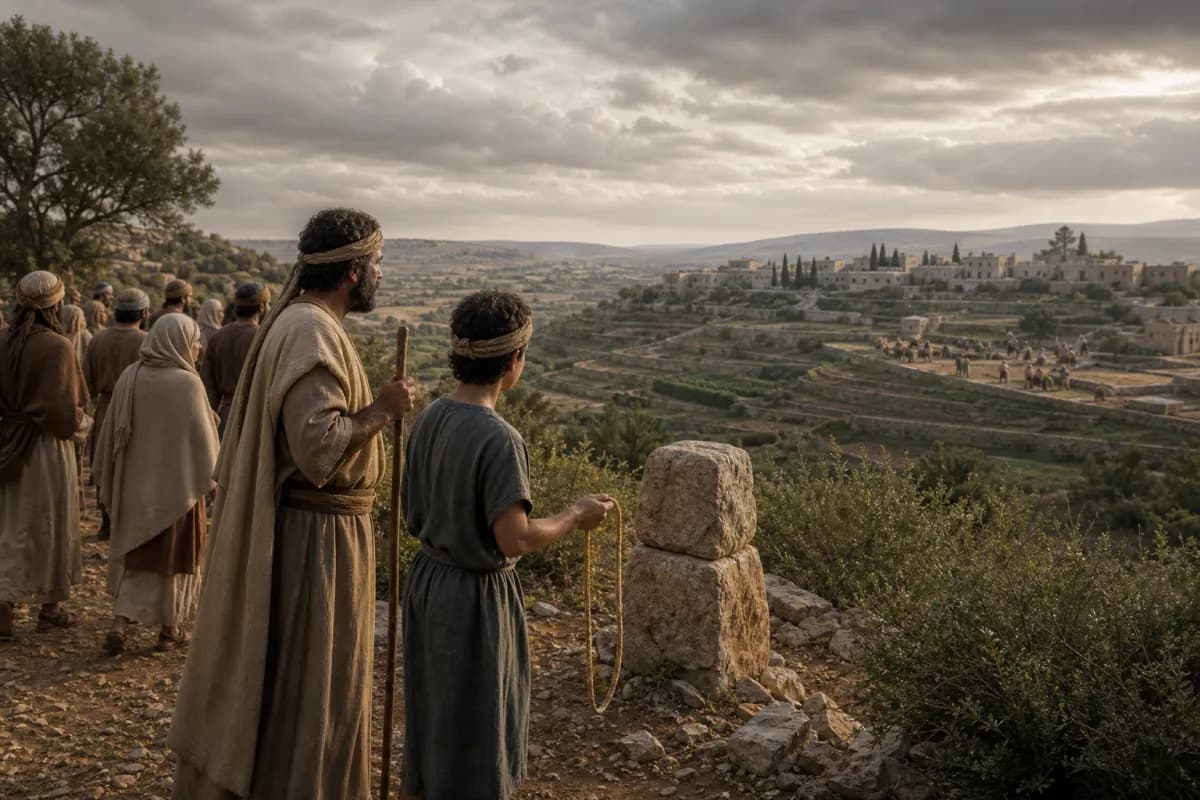
Joshua 18 gathers Israel at Shiloh, where the tabernacle is set up after the land has been subdued. Joshua confronts seven tribes for delaying possession, sends surveyors to describe the remaining territory, and casts lots before the Lord. Benjamin then receives its boundaries and cities. The chapter places God’s dwelling at the center of ordered inheritance and points to Jesus, who brings His people near to God.

Study this passage →
Joshua 19:1–19:51

345 of 876 · Passage study

The Remaining Allotments and Joshua’s Humble Portion

Joshua 19 records the allotments of Simeon, Zebulun, Issachar, Asher, Naphtali, Dan, and finally Joshua himself. The tribes receive towns and borders by lot before the Lord, and Joshua receives Timnath-serah only after the people have received their portions. The chapter displays God’s ordered care for every tribe and the servant leadership that finds its fulfillment in Jesus.

Study this passage →
Joshua 20:1–20:9

346 of 876 · Passage study

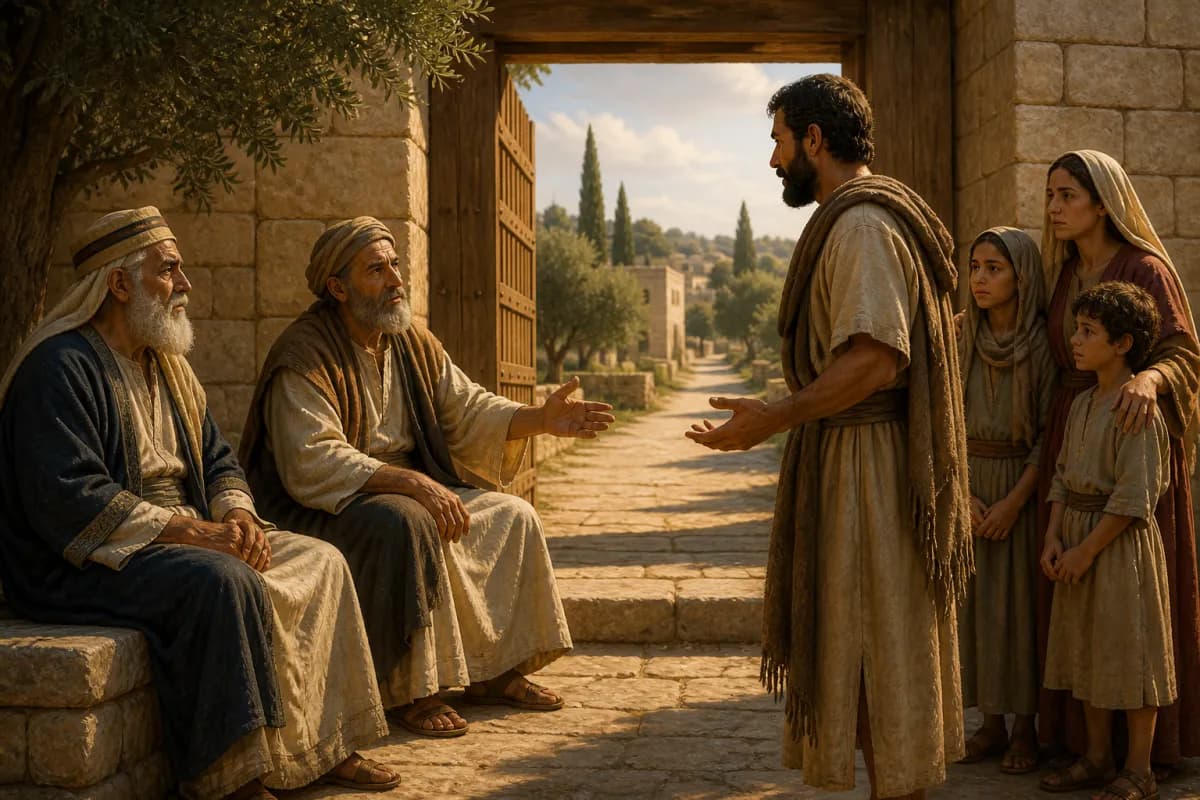
Cities of Refuge: Justice, Mercy, and a Place to Stand

Joshua 20 establishes six cities of refuge for a person who kills another without intent. The accused may flee, state the case at the city gate, and remain protected from the avenger of blood until a hearing and, if necessary, until the high priest’s death. The passage guards both the value of life and due process, and it points carefully to Christ as the true refuge for guilty sinners.

Study this passage →
Joshua 21:1–21:45

347 of 876 · Passage study

Levitical Cities and the Promise That Did Not Fail

Joshua 21 distributes forty-eight towns with pasturelands to the Levites from the tribes of Israel. The Levites receive cities rather than a single territorial tract because the Lord is their inheritance and their ministry serves the whole people. The chapter closes by declaring that not one of the Lord’s good promises failed: He gave Israel land, rest, and victory. That faithfulness finds its fullness in Jesus.

Study this passage →
Joshua 22:1–22:34

348 of 876 · Passage study

A Witness Altar for One Lord and One People

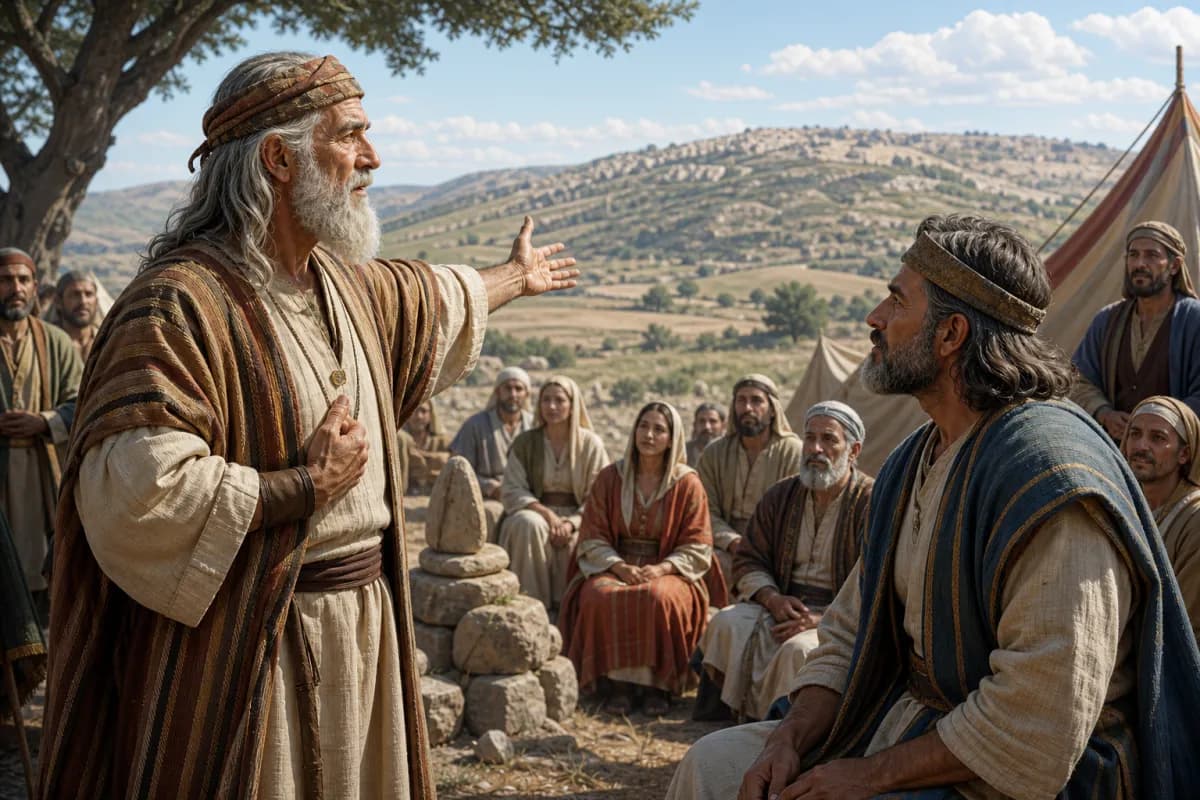
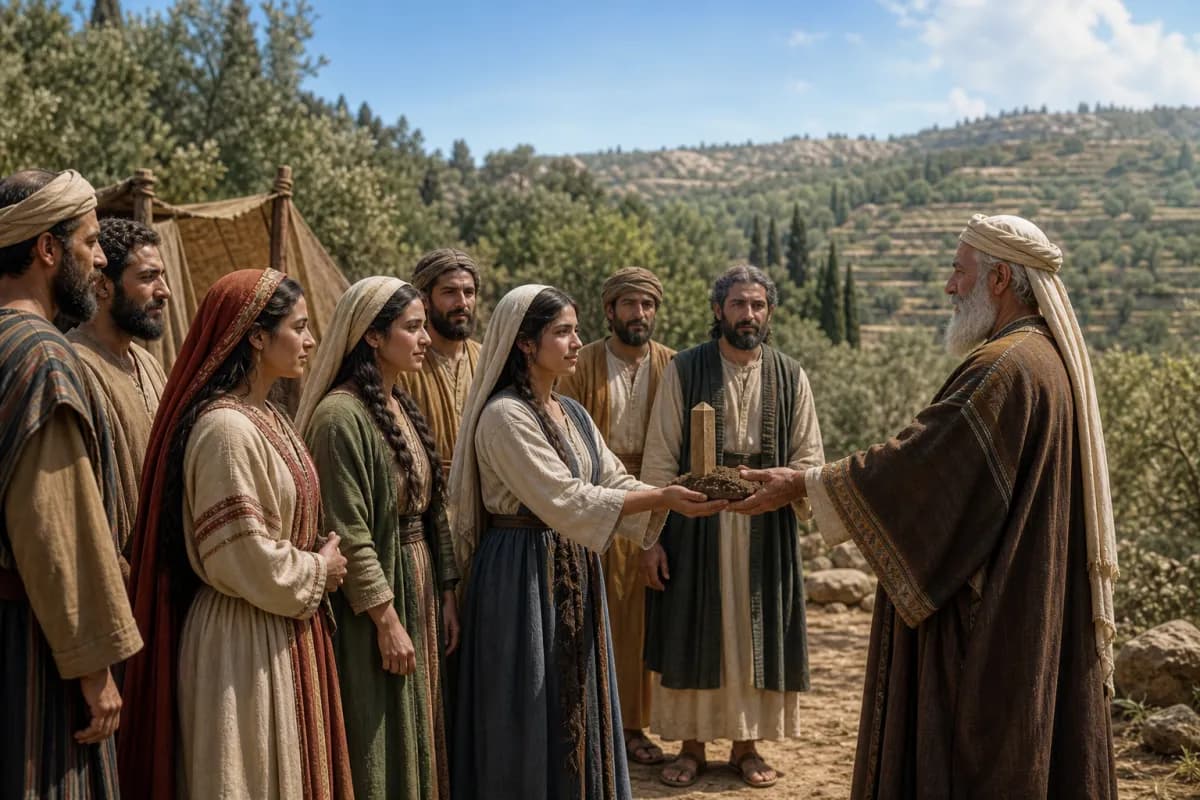
Joshua 22 sends the eastern tribes home after they have fought alongside Israel, but their large altar by the Jordan alarms the western tribes. A delegation confronts them before war begins, recalling past covenant breaches. The eastern tribes explain that the altar is not for sacrifice but a witness that they share the Lord’s worship. The chapter protects covenant unity and points to Christ, who makes one people from those once divided.

Study this passage →
Keep scrolling for the next passage.