Truth-Scrolling

Joshua 23:1–23:16

349 of 876 · Passage study

Cling to the Lord in the Land He Has Given

Joshua 23 gives Joshua’s final charge to Israel after the Lord has given rest from enemies. He calls the leaders to remember that the Lord fought for them, to obey the book of Moses, and to cling to the Lord rather than intermarry with the remaining nations or serve their gods. The chapter warns that God’s faithful promises include covenant discipline and directs readers to Jesus, who keeps His people in faithful love.
Study this passage →
Joshua 24:1–24:33

350 of 876 · Passage study

Choose Whom You Will Serve at Shechem

Joshua 24 gathers Israel at Shechem and rehearses the Lord’s story from Abraham beyond the Euphrates through exodus, wilderness, conquest, and gift of land. Joshua calls Israel to put away foreign gods and serve the Lord, while warning that a holy God cannot be treated casually. The chapter ends with covenant witness, Joshua’s death, Joseph’s burial, and Eleazar’s death, directing readers to Jesus, who fulfills God’s saving story and calls for whole-hearted allegiance.

Study this passage →
Judges 1:1–1:36

351 of 876 · Passage study

An Incomplete Obedience That Becomes Compromise

Judges 1 recounts real victories after Joshua’s death, but its repeated record that Israel did not drive out the Canaanite peoples exposes a partial obedience that becomes settled compromise. The chapter presses readers to see the danger of accommodating what God has forbidden and directs them to Jesus, whose saving rule delivers His people from sin’s dominion and sends them to faithful witness.

Study this passage →
Judges 2:1–2:23

352 of 876 · Passage study

The Lord Raises Deliverers for a Forgetful People

Judges 2 explains the pattern that will govern the book: Israel forgets the Lord, serves the Baals, suffers oppression, cries in distress, and receives judges whom the Lord raises in mercy. The chapter refuses shallow optimism about human leadership and directs readers to Jesus, the faithful Savior whose rescue reaches the heart and whose reign does not end in death.

Study this passage →
Judges 3:1–3:31

353 of 876 · Passage study

The Lord Saves through Unexpected Deliverers

Judges 3 opens the deliverer cycle through Othniel, Ehud, and Shamgar. Israel repeatedly does evil, suffers under foreign rulers, cries out, and is rescued because the Lord raises a savior. The varied stories underline God’s mercy and freedom to use unexpected people, while their repetition reveals the need for Jesus, the final Deliverer who saves His people from sin itself.

Study this passage →
Judges 4:1–4:24

354 of 876 · Passage study

The Lord Defeats Sisera through Deborah, Barak, and Jael

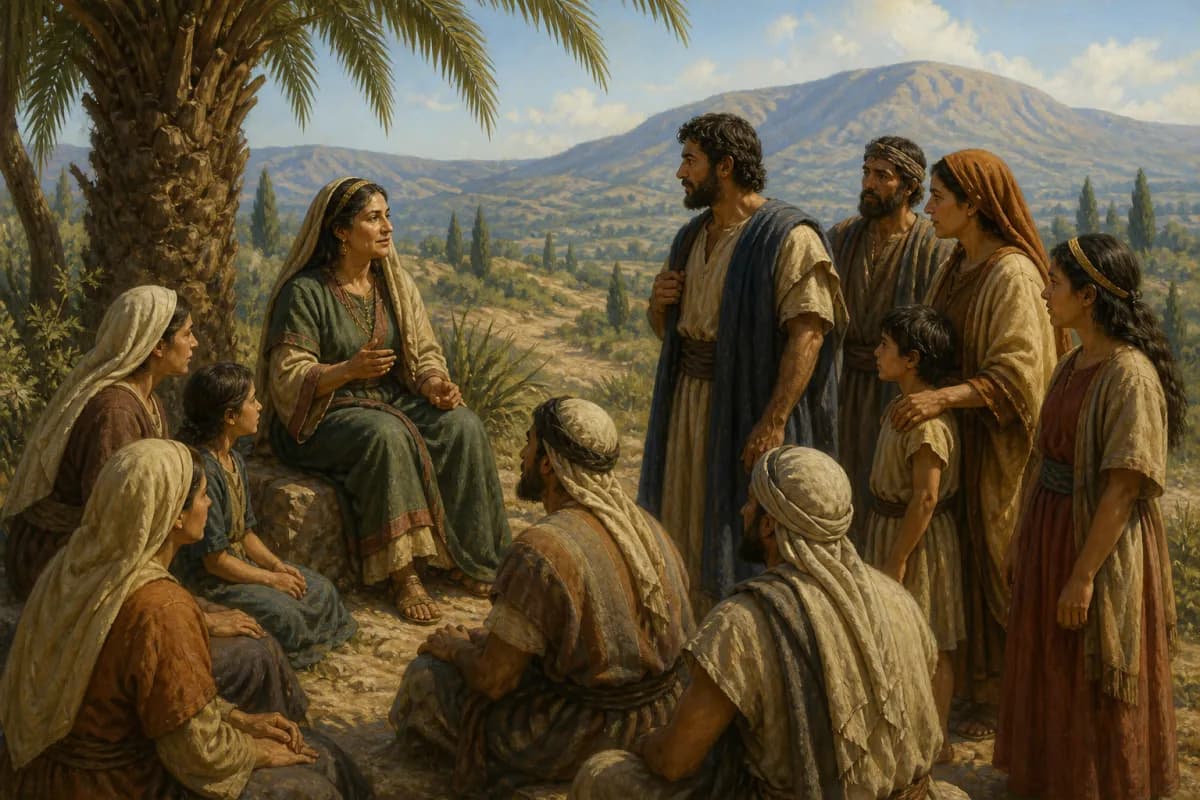
Judges 4 tells how the Lord answers Israel’s cry under Jabin and Sisera through Deborah’s prophetic leadership, Barak’s obedience, and Jael’s unexpected action. The victory belongs to the Lord, not to Israel’s military strength, and the promised honor goes to a woman. The passage directs readers to Jesus, the true King who defeats the enemies of God’s people through humble, surprising, and righteous saving power.

Study this passage →
Judges 5:1–5:31

355 of 876 · Passage study

Sing of the Lord Who Went Before His People

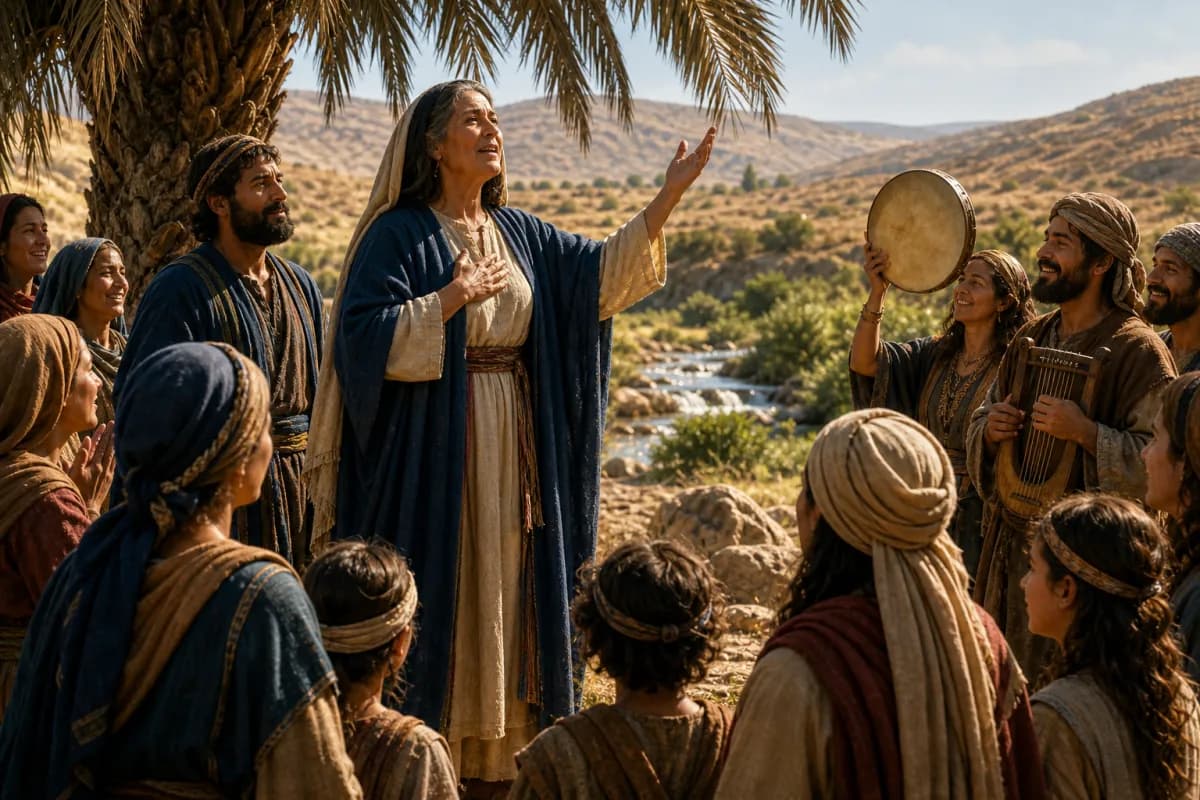
Judges 5 is Deborah and Barak’s poetic answer to the defeat of Sisera. It praises the Lord as the warrior who marched from Seir, calls Israel’s tribes to remember their willing or withheld response, honors Jael’s decisive act, and turns the enemy commander’s imagined homecoming into a picture of defeated arrogance. The song brings readers to Jesus, whose saving victory deserves public praise and whose mission forms a people who join His work rather than stand apart.

Study this passage →
Judges 6:1–6:40

356 of 876 · Passage study

The Lord Calls Gideon in His Fear

Judges 6 begins with Israel hiding from Midian and ends with Gideon tearing down his father’s Baal altar. Between those scenes, the angel of the Lord calls a fearful man “mighty warrior,” receives his offering, patiently answers his request for assurance, and commissions him to deliver Israel. The passage points to Jesus, whose presence meets fearful sinners, exposes false worship, and sends redeemed people into His saving mission.

Study this passage →
Judges 7:1–7:25

357 of 876 · Passage study

The Lord Saves through Three Hundred

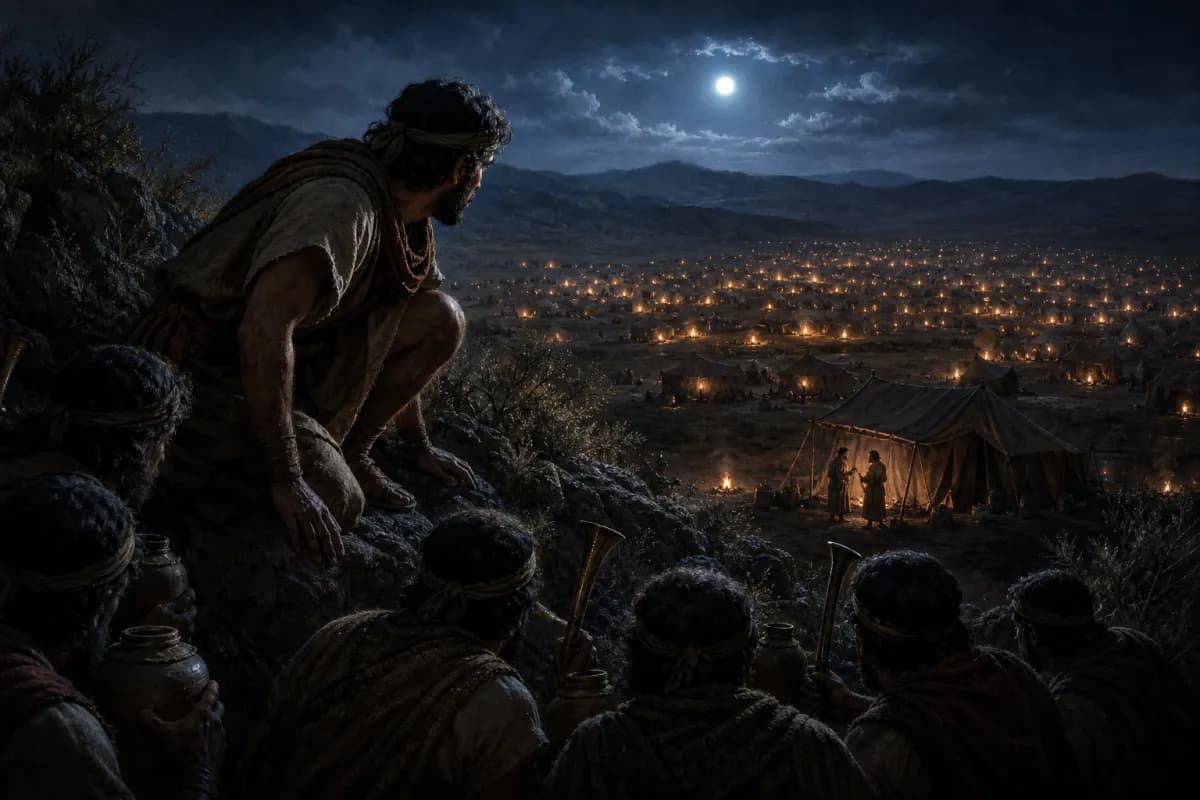
Judges 7 records the Lord reducing Gideon’s army from thousands to three hundred so Israel cannot claim Midian’s defeat as its own achievement. God strengthens Gideon through a Midianite dream, gives a strange battle plan of trumpets, jars, and torches, and throws the invading camp into confusion. The passage directs readers to Jesus, whose saving work overturns human boasting and whose mission advances by God’s power rather than impressive force.

Study this passage →
Judges 8:1–8:35

358 of 876 · Passage study

When Deliverance Drifts toward Idolatry

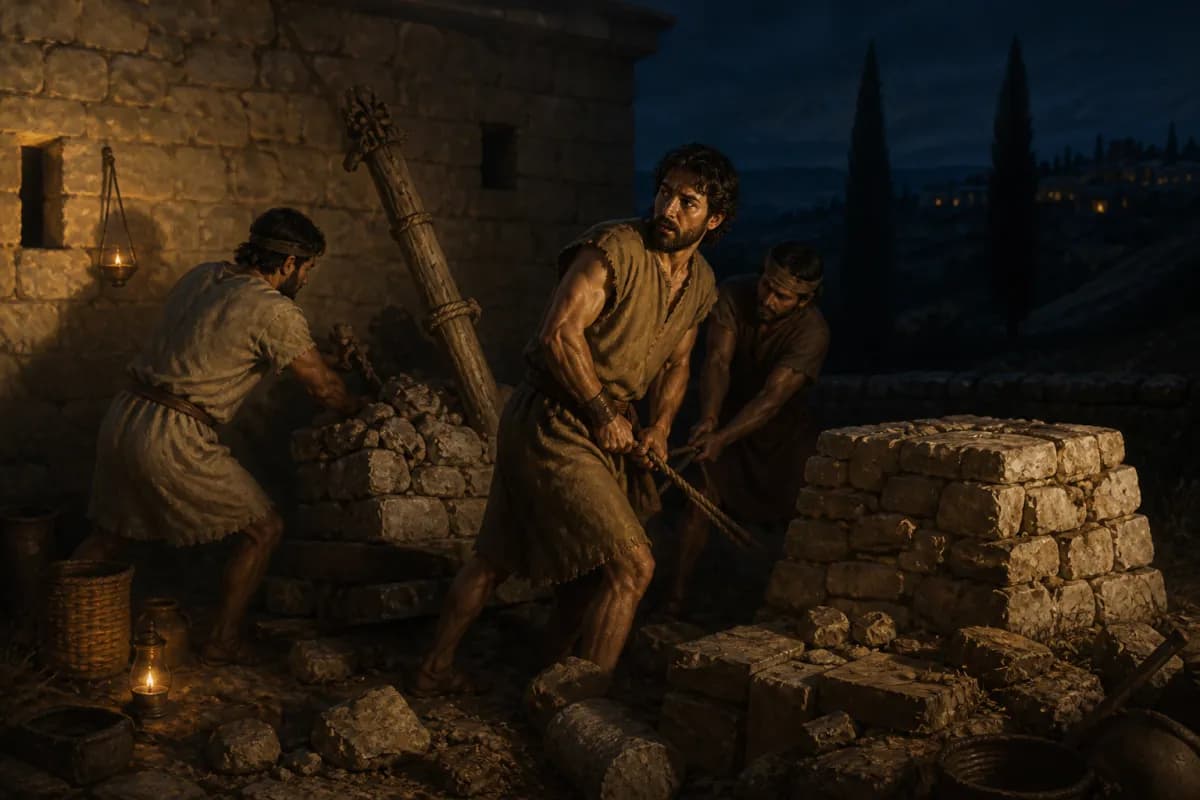
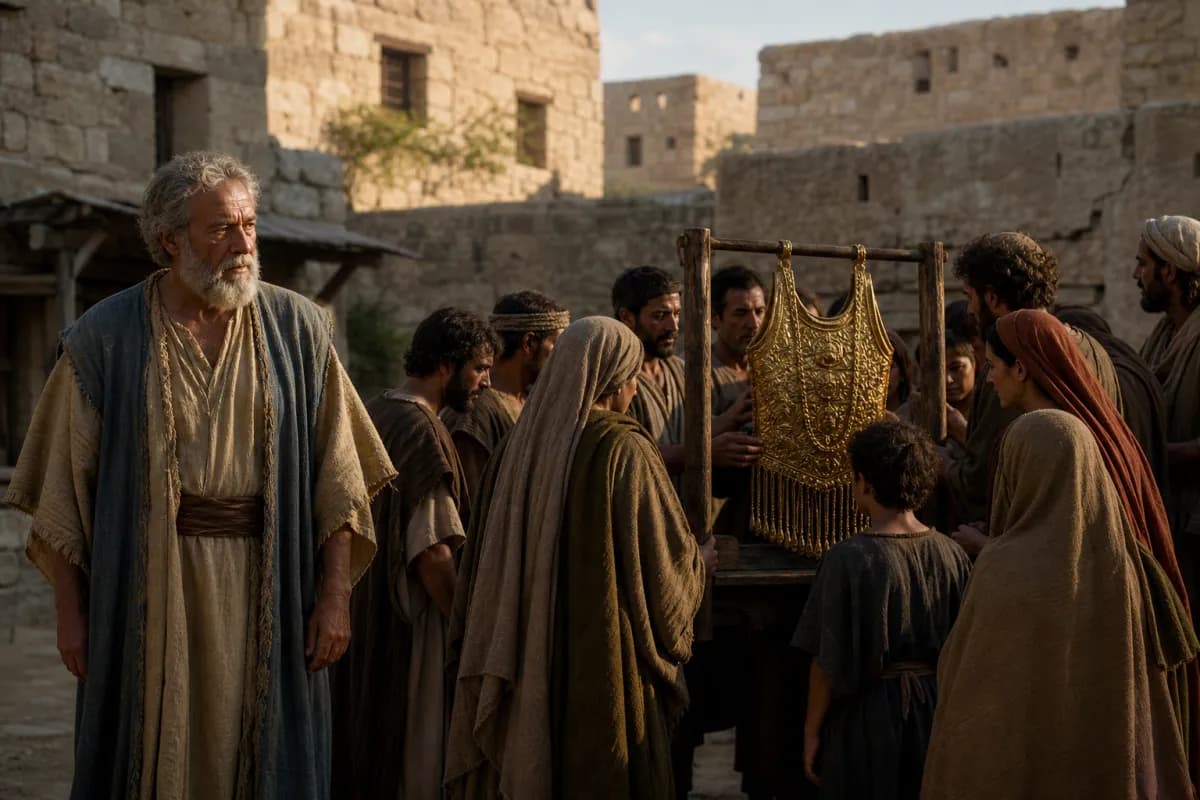
Judges 8 begins with Gideon’s wise answer to Ephraim’s resentment and ends with an ephod that becomes a snare to Israel. Between those scenes he pursues Midian’s kings, refuses a royal dynasty in words, takes vengeance on towns that would not help, receives wealth from the victory, and dies while Israel soon returns to Baal. The passage warns that even genuine deliverance can be twisted by pride and directs readers to Jesus, the faithful King who never turns God’s rescue into self-exaltation.

Study this passage →
Judges 9:1–9:57

359 of 876 · Passage study

A King Seized by Bloodshed

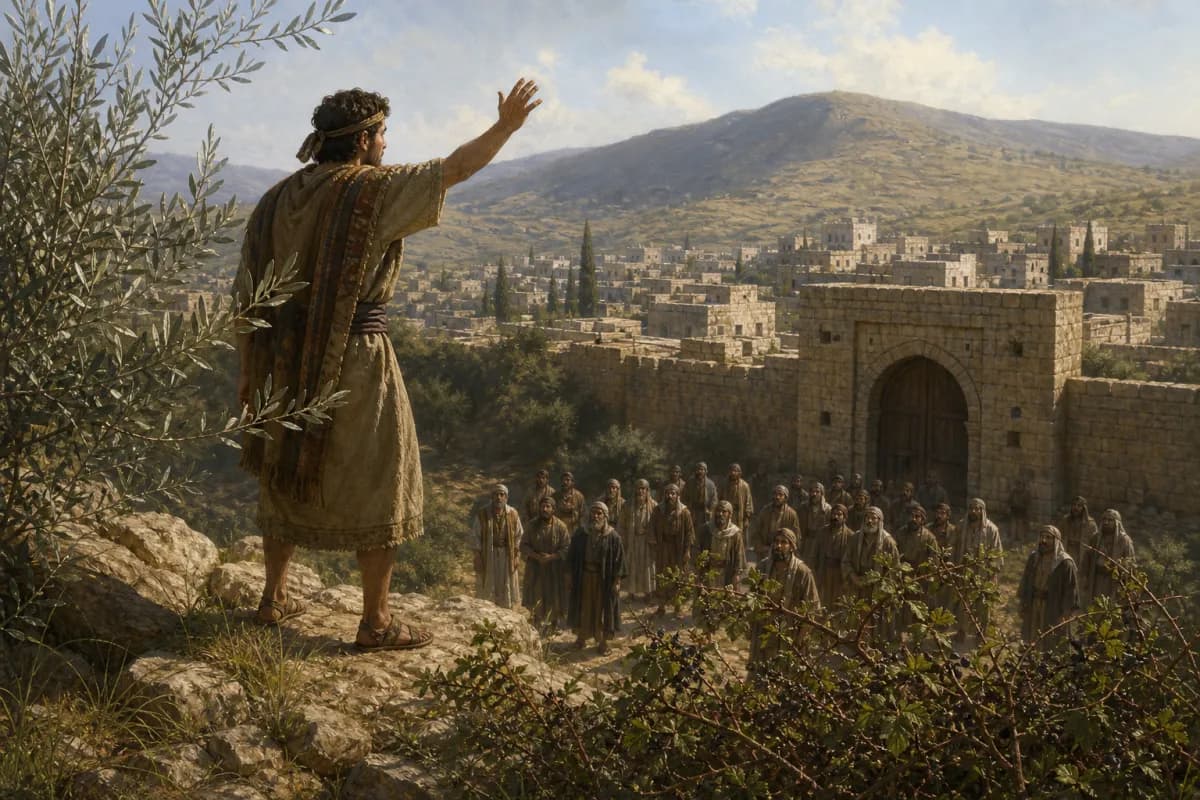
Judges 9 follows Abimelech, Gideon’s son by a concubine from Shechem, as he buys support, murders his brothers, receives a crown, and brings ruin on Shechem and himself. Jotham’s parable warns that destructive leadership is a bramble fire, and the chapter’s ending shows God repaying the violence of Abimelech and the people who enabled him. The passage directs readers to Jesus, the righteous King who does not seize power through bloodshed but gives Himself to save and judge evil rightly.

Study this passage →
Judges 10:1–10:18

360 of 876 · Passage study

When a Cry Must Become a Return

Judges 10 briefly records the stabilizing leadership of Tola and Jair, then exposes Israel’s sprawling idolatry, Ammonite oppression, and desperate cry to the Lord. God refuses to let a familiar plea substitute for repentance, yet His compassion is stirred as Israel puts away its foreign gods. The passage directs readers to Jesus, whose mercy receives repentant sinners and forms a people for His saving mission.

Study this passage →
Keep scrolling for the next passage.