Truth-Scrolling

Leviticus 6:8–6:13

181 of 876 · Passage study

The Fire Must Keep Burning: Daily Priesthood Before God

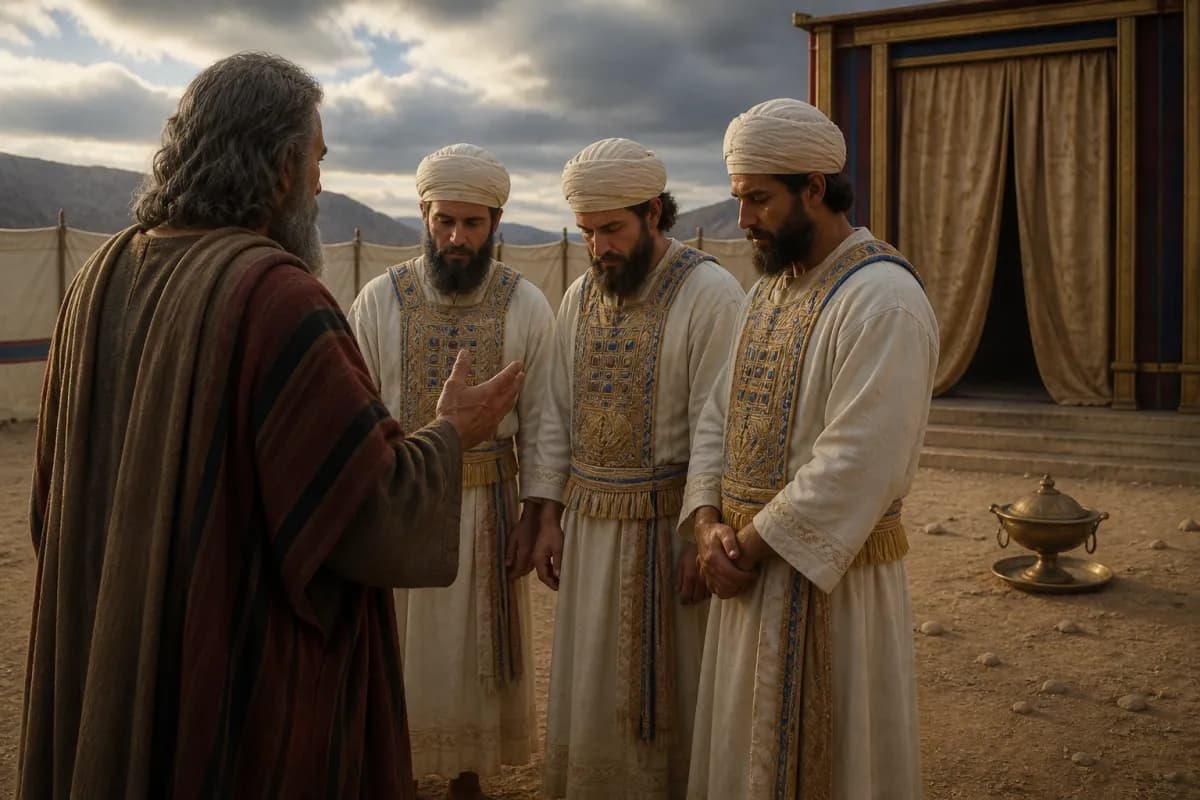
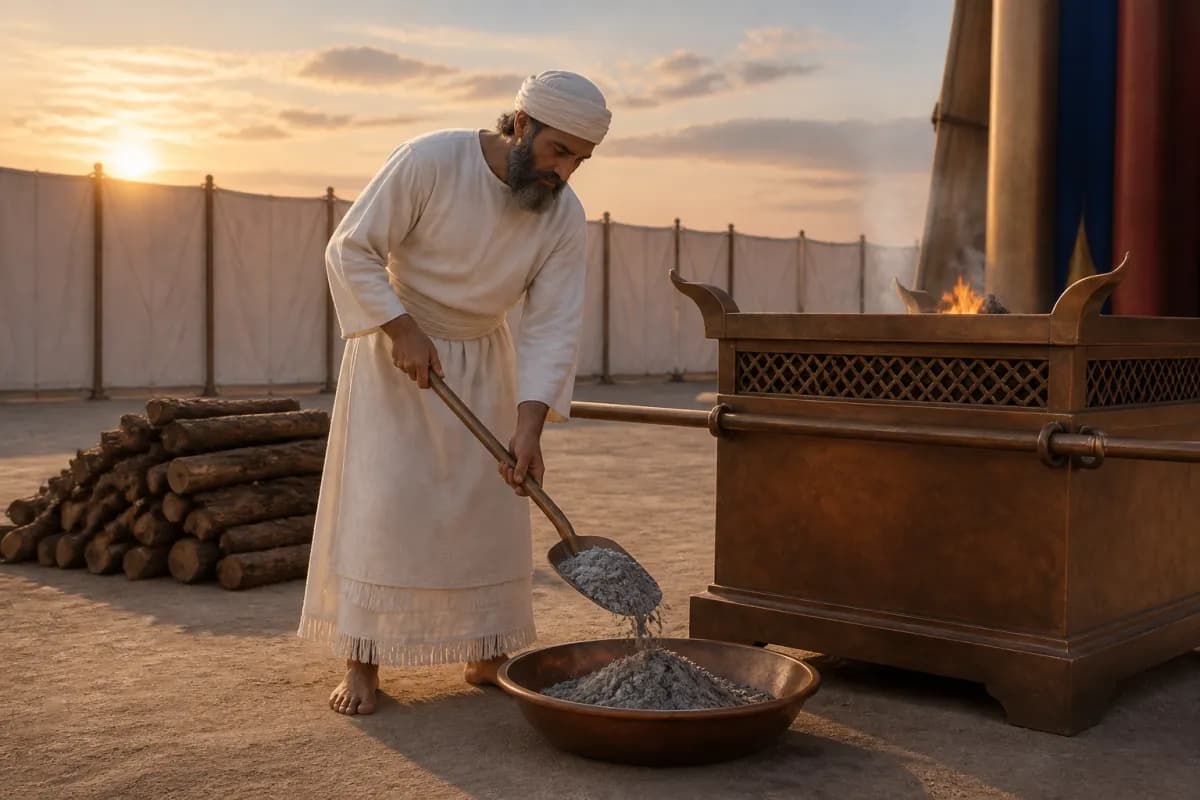
Leviticus 6:8–13 gives priests detailed instructions for the burnt offering: remove the ashes in sacred garments, change clothes before carrying them outside the camp, arrange fresh wood each morning, and never let the altar fire go out. The daily rhythm teaches Israel that approach to God rests on His continuing provision and requires reverent service. Jesus, whose sacrifice is final, brings believers near and makes their whole lives a grateful offering to God.
Study this passage →
Leviticus 6:14–6:23

182 of 876 · Passage study

The Priests’ Holy Portion: Receiving God’s Gift with Reverence

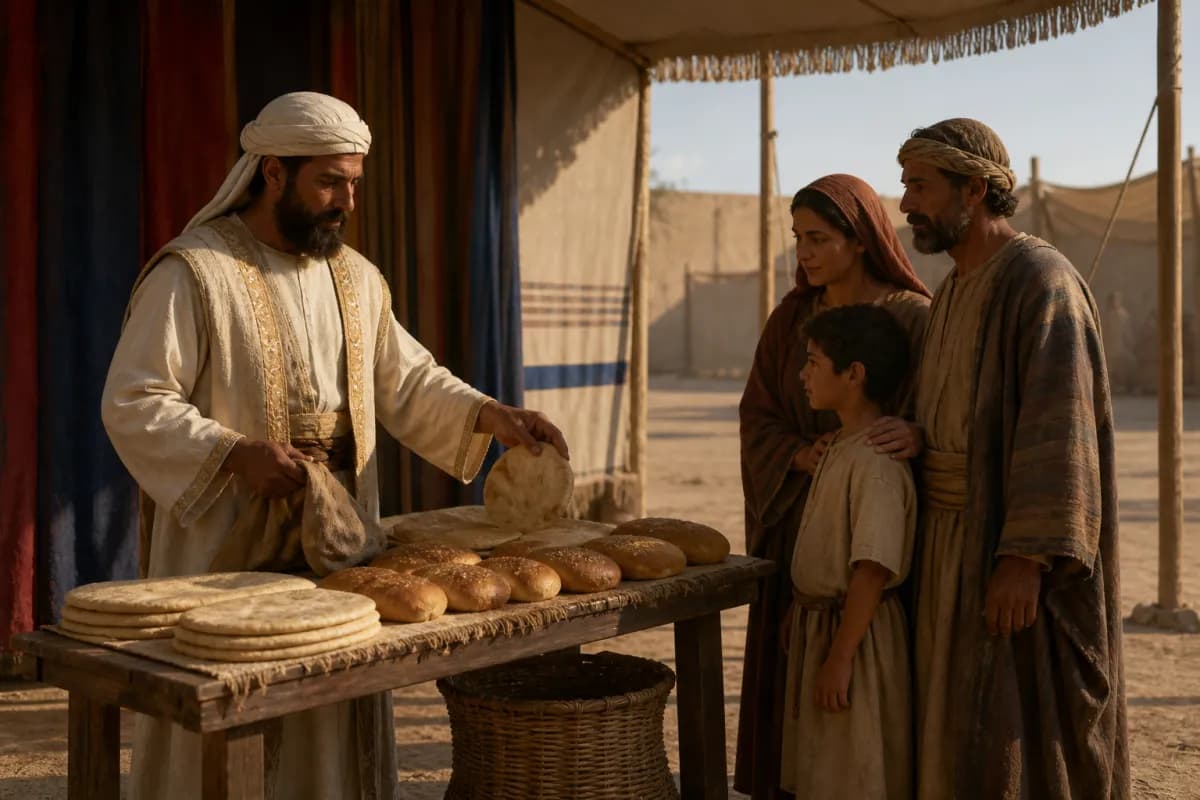
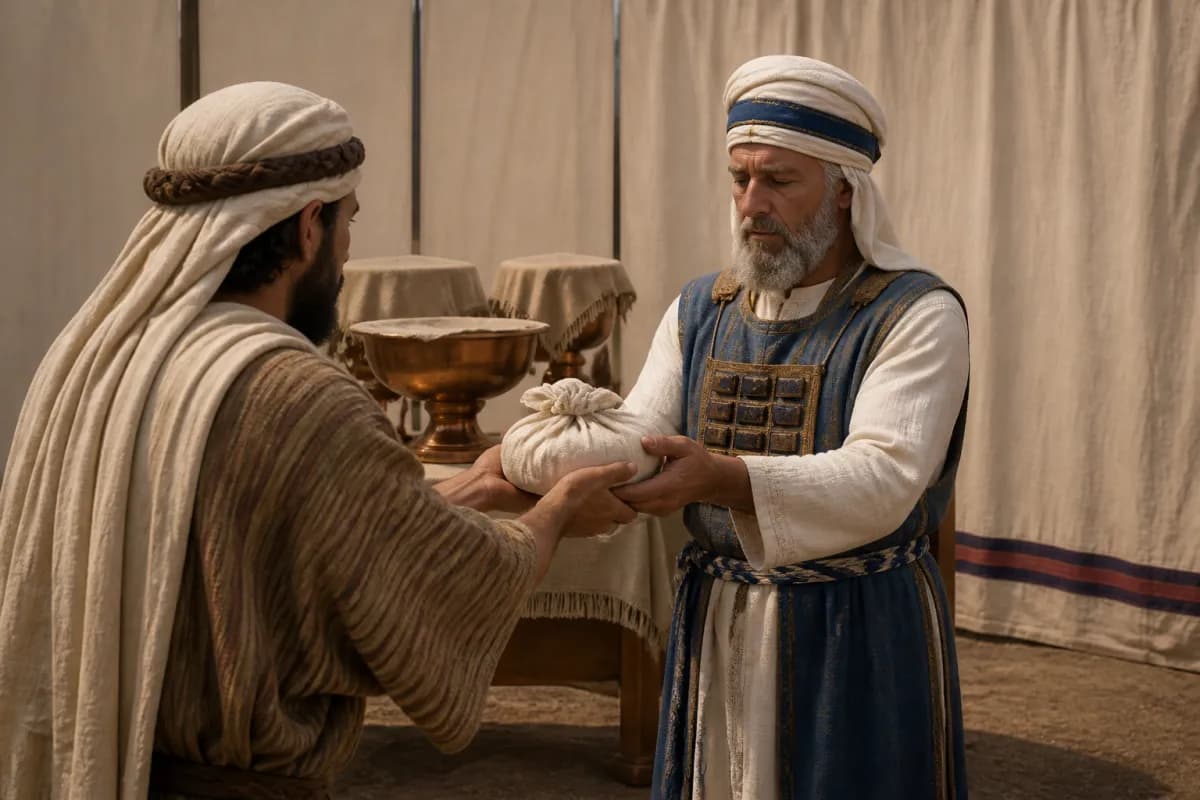
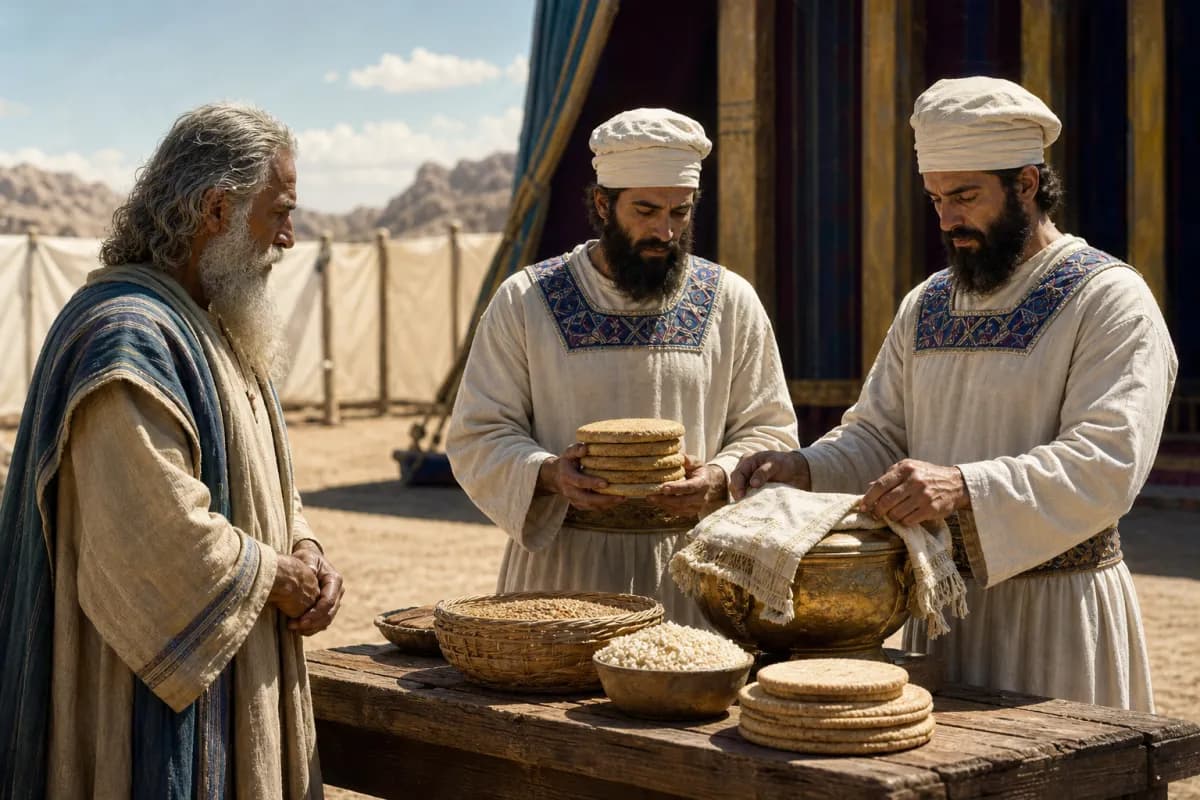
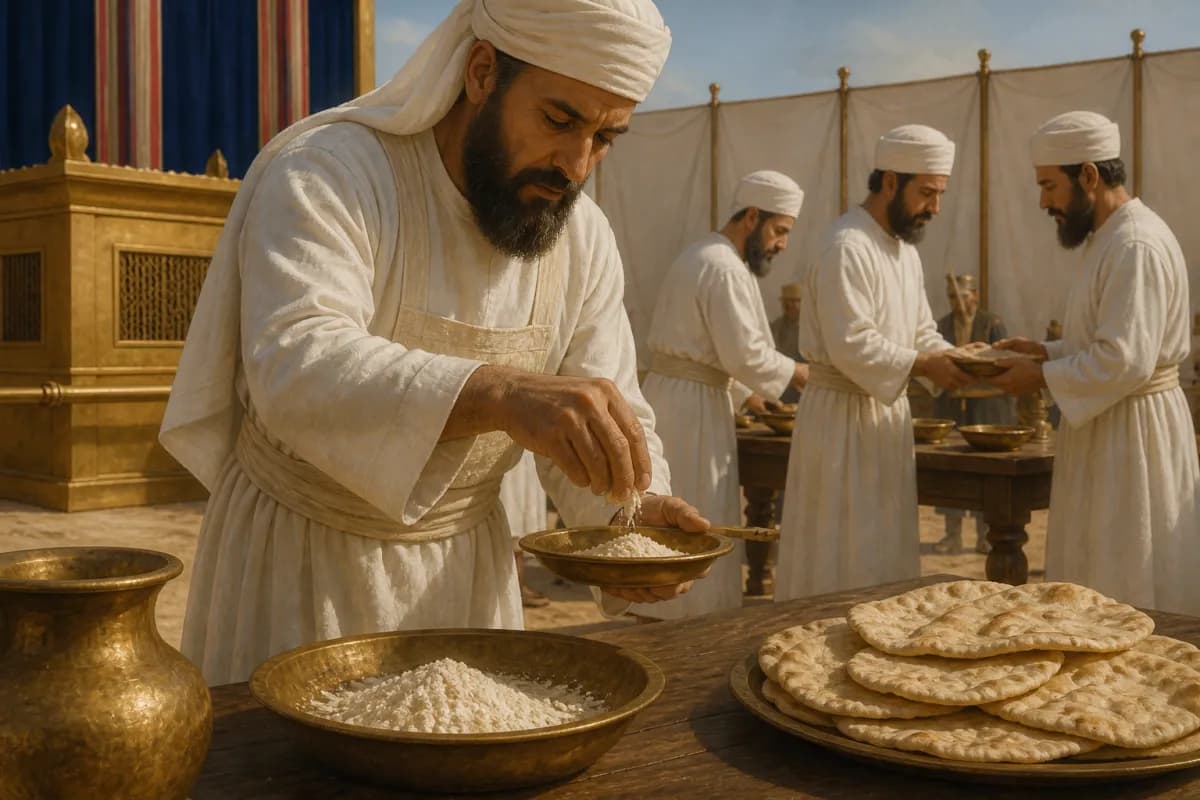
Leviticus 6:14–23 gives priests instructions for the grain offering. They take a memorial portion to the altar, eat the remainder unleavened in a holy place, and offer the high priest’s own grain offering entirely to the Lord. The passage teaches that provision connected to worship is holy rather than private entitlement. Jesus, the faithful Priest, consecrates His people to receive God’s gifts with gratitude and to offer themselves in service to His saving mission.

Study this passage →
Leviticus 6:24–6:30

183 of 876 · Passage study

Holy Cleansing: The Serious Gift of the Sin Offering

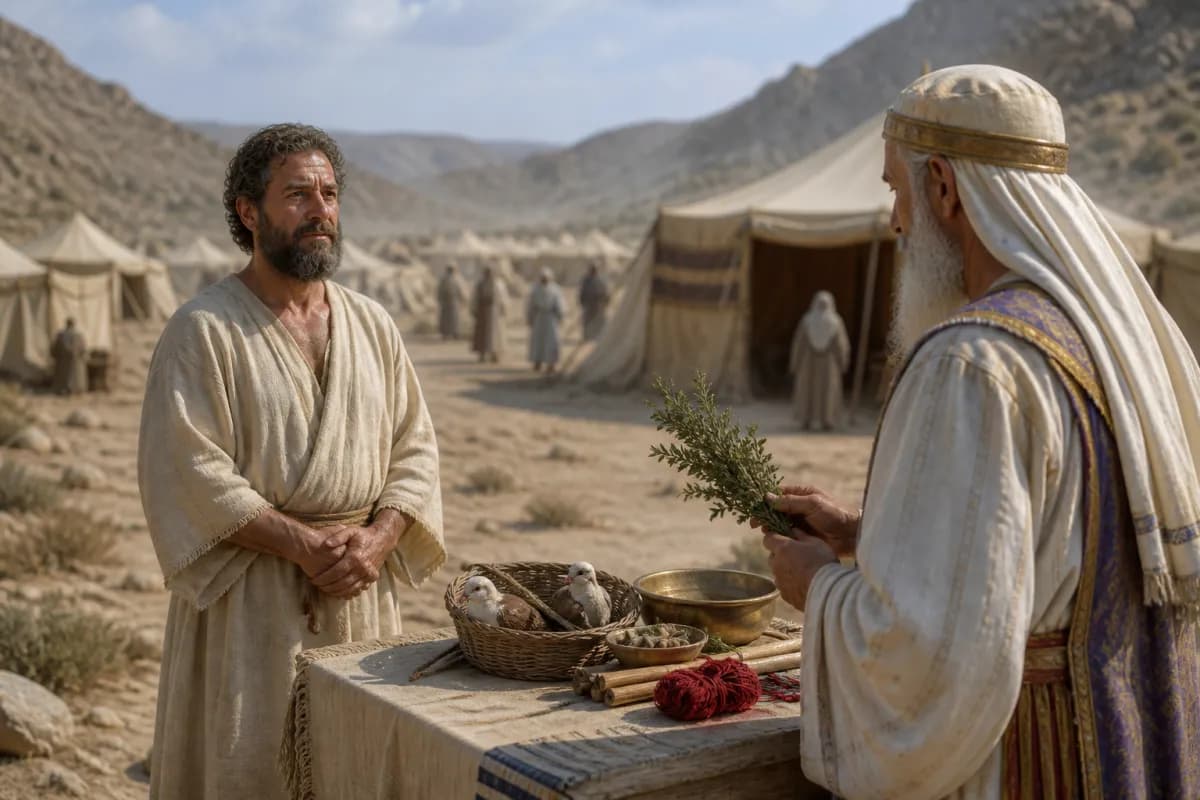
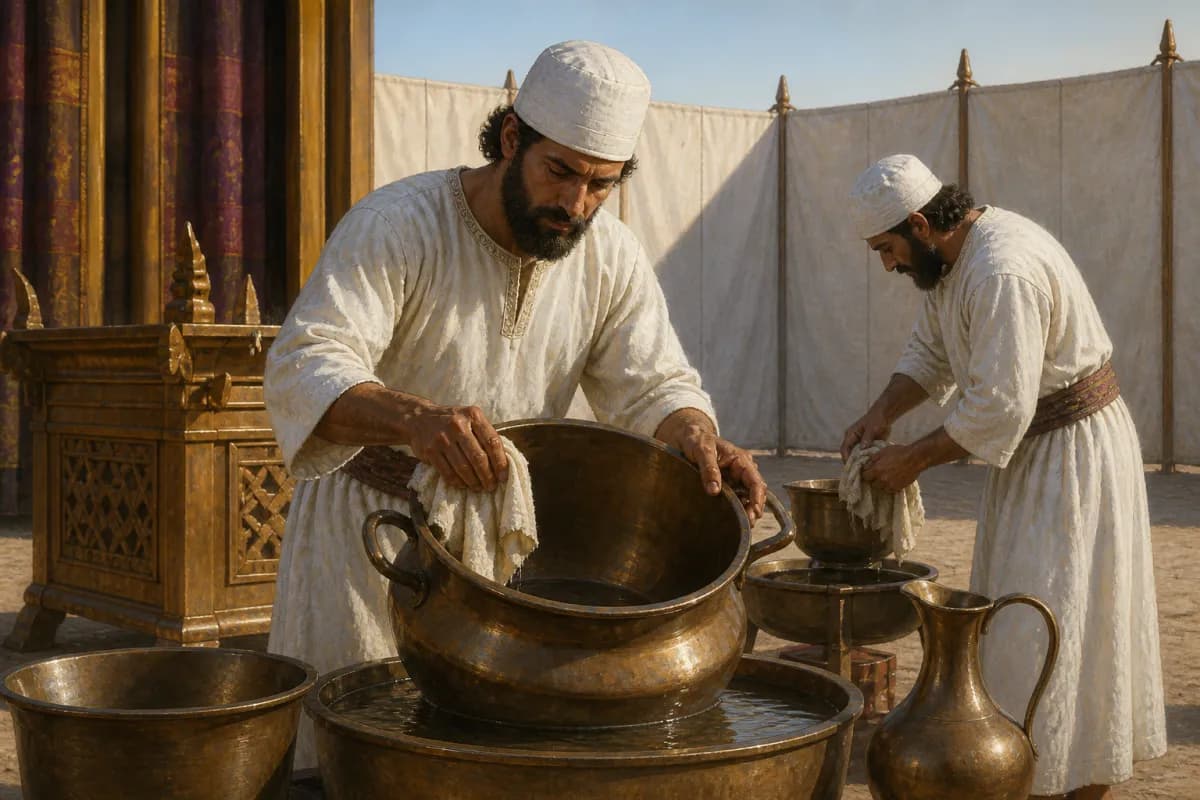
Leviticus 6:24–30 instructs the priests to slaughter the sin offering in the place of burnt offering, eat certain offerings in a holy place, wash blood-stained garments, and treat what touches the offering with care. The rite shows that atonement is not casual or magical; God’s cleansing provision is holy. Jesus fulfills its saving purpose by offering Himself once for sin and bringing His people into true cleansing before God.

Study this passage →
Leviticus 7:1–7:10

184 of 876 · Passage study

The Guilt Offering: God Addresses Real Liability

Leviticus 7:1–10 gives priests the handling instructions for the guilt offering: it is slaughtered where the burnt offering is slaughtered, its fat is burned to the Lord, and its meat belongs to the officiating priest. The passage confirms that guilt is not vague regret but a real breach God addresses through His appointed sacrifice. Jesus bears the guilt of His people and creates a reconciled community that pursues truthful repair.

Study this passage →
Leviticus 7:11–7:21

185 of 876 · Passage study

Thanksgiving at God’s Table: Fellowship Ordered by Grace

Leviticus 7:11–21 gives detailed instructions for well-being offerings brought in thanksgiving, for a vow, or as a freewill gift. Bread accompanies the thanksgiving offering, the meat is shared within a set time, and anyone unclean must not eat it. God welcomes joyful fellowship, yet His table is not casual: communion rests on His holiness. Jesus makes peace through His blood and gathers a thankful people to share life with God and one another.

Study this passage →
Leviticus 7:22–7:38

186 of 876 · Passage study

The Lord’s Portion and the Priest’s Share: Worship with What Is Best

Leviticus 7:22–38 reserves the fat and blood of sacrificial animals for the Lord, assigns the breast and right thigh of well-being offerings to the priests, and closes the laws of sacrifice by locating them at Sinai. The passage teaches Israel to honor God with the life and richest portions He claims while receiving priestly provision as His gift. Jesus gives Himself completely for sinners and makes His people a holy priesthood marked by grateful, ordered worship.

Study this passage →
Leviticus 8:1–8:36

187 of 876 · Passage study

Consecrated for God: Aaron and His Sons Set Apart

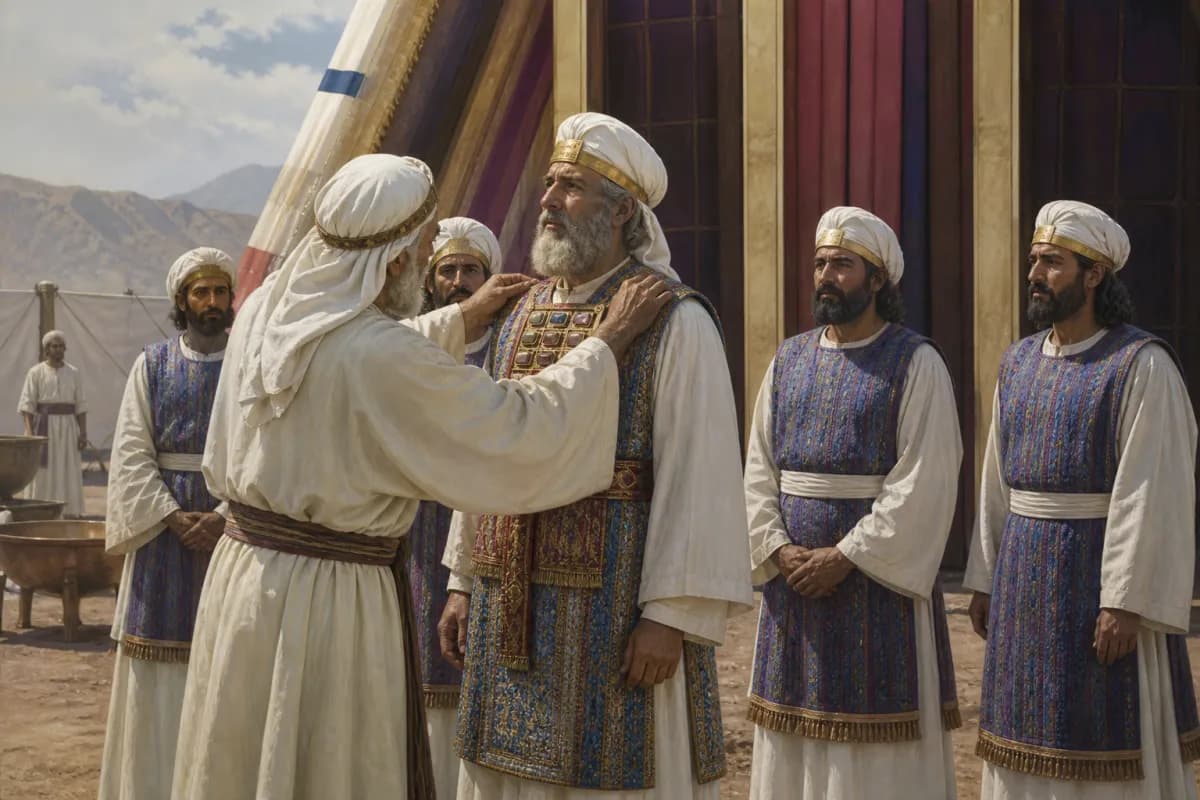
Leviticus 8:1–36 records Moses washing, clothing, anointing, and sacrificing for Aaron and his sons before the gathered people. No priest begins by taking authority for himself: God appoints, cleanses, and sets apart those who draw near on behalf of Israel. Jesus, the truly holy High Priest, brings His people to God and consecrates them for His saving mission.

Study this passage →
Leviticus 9:1–9:24

188 of 876 · Passage study

The Glory Appears: Aaron’s First Priestly Ministry

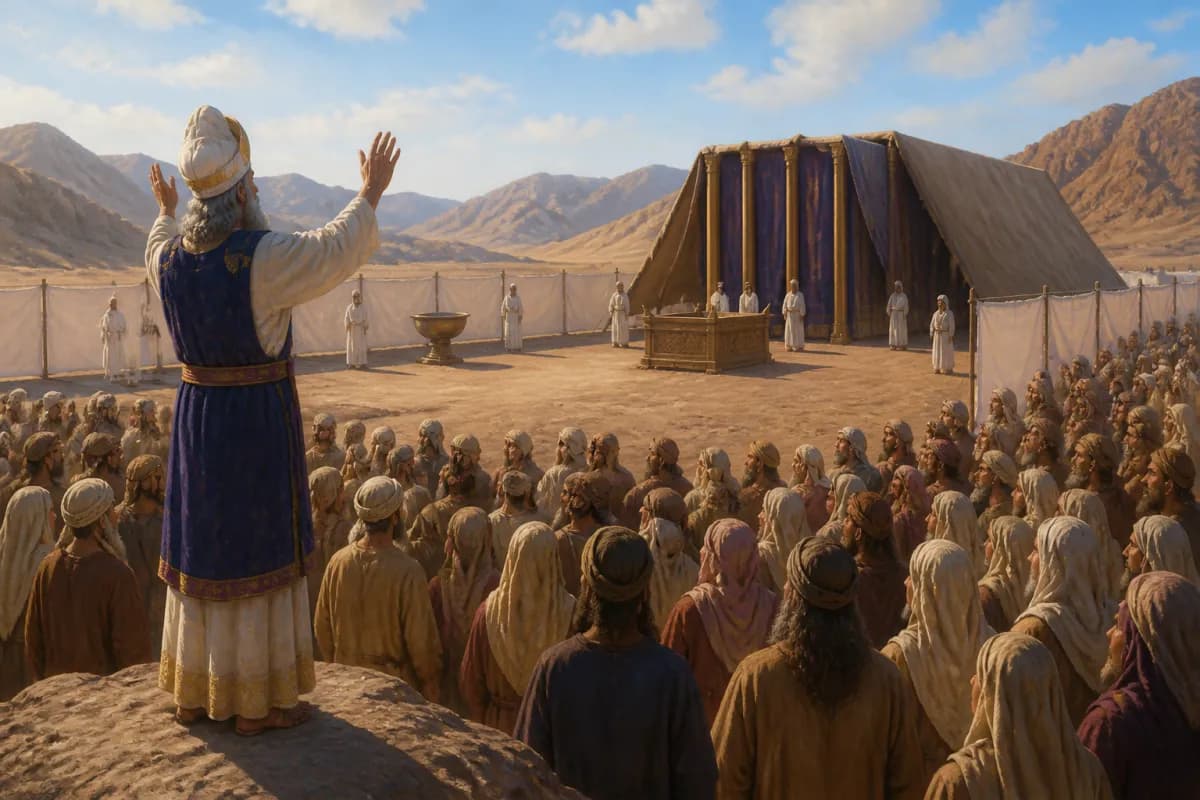
Leviticus 9:1–24 records Aaron’s first public sacrifices after seven days of ordination. He offers for himself and for the people, blesses Israel, and the Lord’s glory appears as fire consumes the offering. God confirms that He Himself provides the way of approach. Jesus brings this saving reality to its fulfillment as the final Priest and sacrifice who opens access to God.

Study this passage →
Leviticus 10:1–10:7

189 of 876 · Passage study

Unauthorized Fire: Nadab, Abihu, and the Holiness of God

Leviticus 10:1–7 tells how Nadab and Abihu bring fire before the Lord that He has not commanded, and fire from His presence consumes them. The shocking judgment teaches Israel that God’s holiness cannot be approached on self-chosen terms. Jesus bears the judgment sin deserves and brings repentant people near to God with reverent confidence rather than presumption.

Study this passage →
Leviticus 10:8–10:20

190 of 876 · Passage study

Clear Minds, Holy Service, and the Discernment God Requires

Leviticus 10:8–20 commands priests not to drink wine when entering the tent of meeting, so that they can distinguish holy from common and clean from unclean, teach Israel God’s statutes, and handle their portions rightly. After Nadab and Abihu’s death, God calls for sober discernment rather than impulsive service. Jesus makes His people holy and forms them for His mission through clear-minded obedience and mercy.

Study this passage →
Leviticus 11:1–11:47

191 of 876 · Passage study

A Holy People at the Table: Clean and Unclean Animals

Leviticus 11:1–47 gives Israel food distinctions, regulations concerning carcasses, and a closing call to be holy because the Lord is holy. These laws train everyday appetite around Israel’s covenant identity and guard access to the sanctuary. Jesus fulfills their saving direction by cleansing His people from within and gathering the nations into one holy family, while calling them to embodied obedience shaped by God’s character.

Study this passage →
Leviticus 12:1–12:8

192 of 876 · Passage study

Life, Cleansing, and Return: Purification After Childbirth

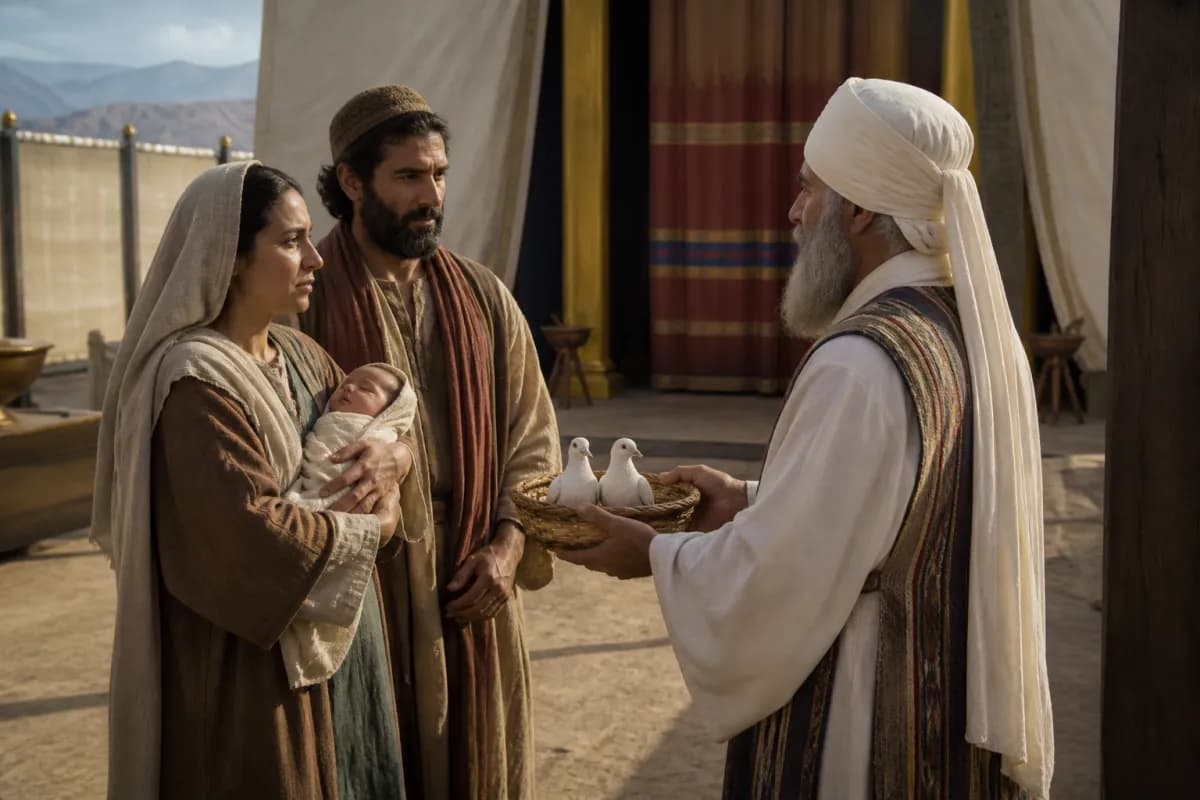
Leviticus 12:1–8 gives a mother a defined period of ritual uncleanness after childbirth and then provides offerings for her restoration to worship. The chapter does not call birth sinful or a child impure; it places the powerful realities of blood, birth, and mortality before the holy God who makes a way back. Jesus fulfills that saving purpose by bearing human uncleanness and bringing the excluded near.

Study this passage →
Keep scrolling for the next passage.