Truth-Scrolling

Leviticus 13:1–13:59

193 of 876 · Passage study

Careful Discernment: Examining Skin Disease

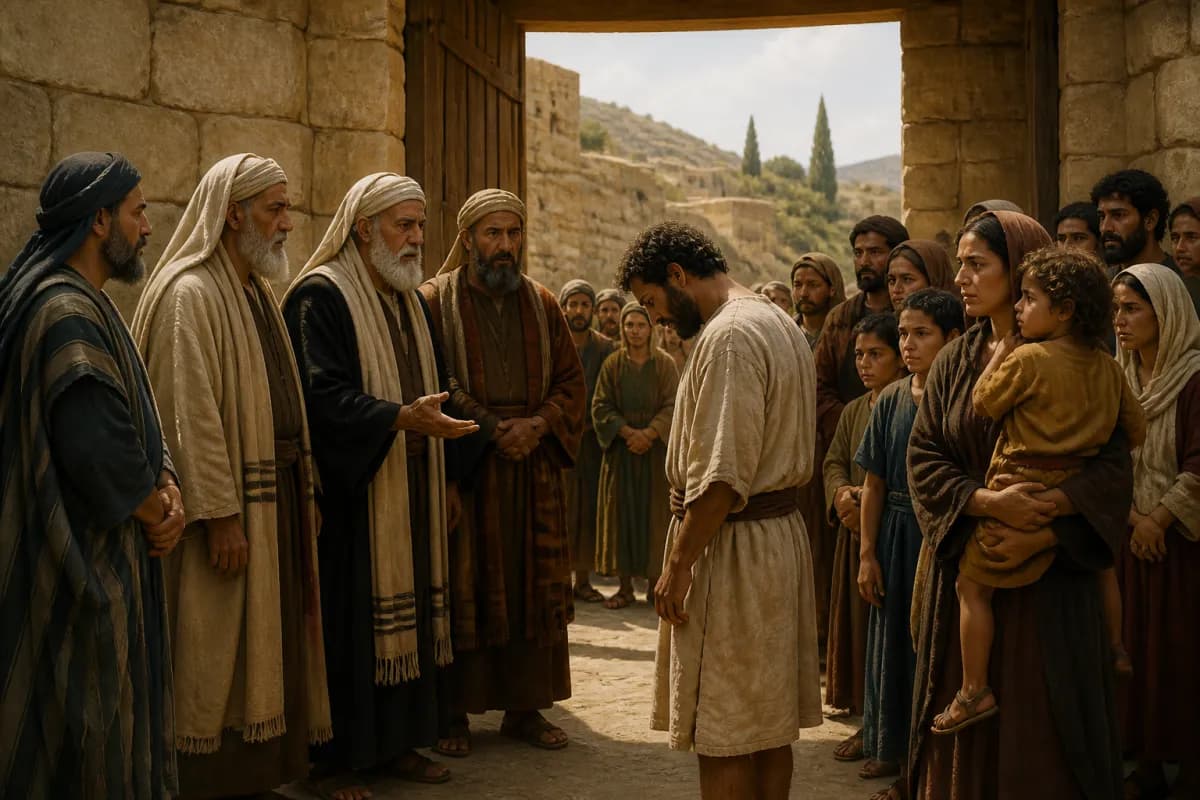
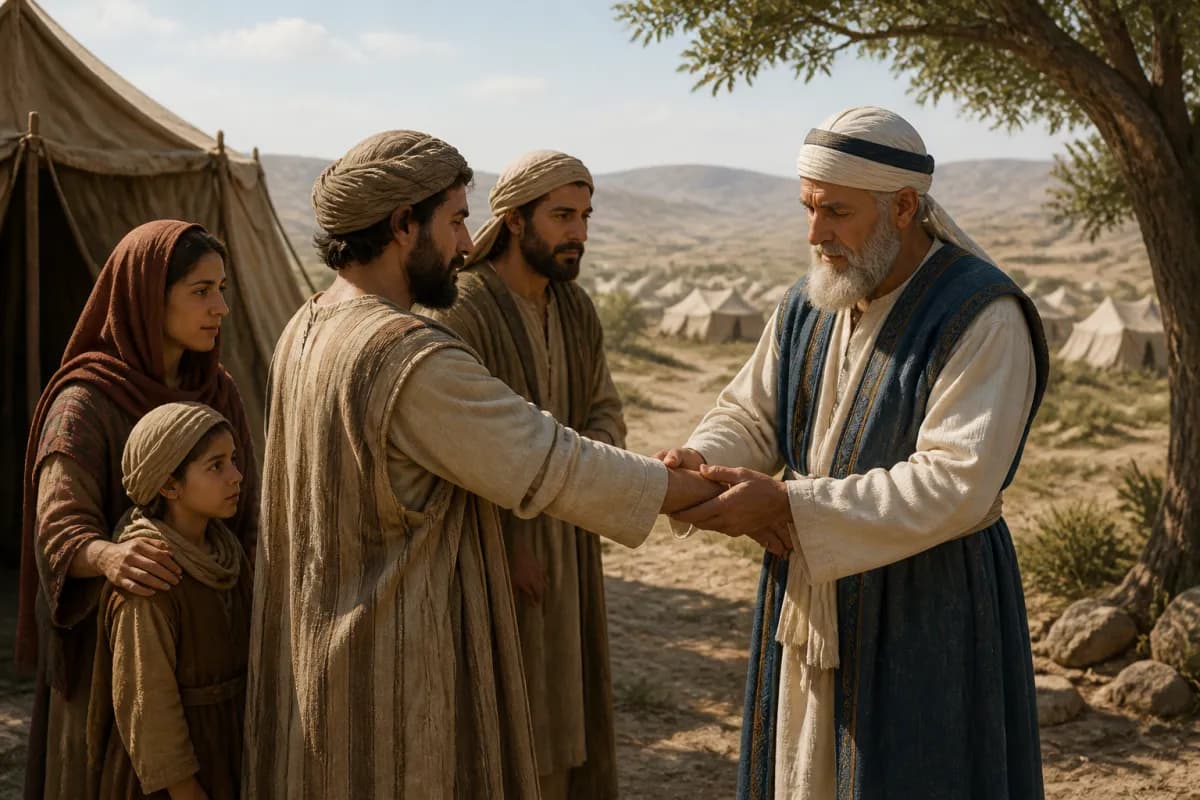
Leviticus 13:1–59 gives priests detailed procedures for examining persistent skin conditions, sores, burns, and discoloration in garments. The chapter does not invite fear or hasty judgment; it slows Israel down with observation, waiting, and public decisions about cleanness. Jesus fulfills the chapter’s hope for restoration by touching and cleansing those whose conditions had separated them from the community.
Study this passage →
Leviticus 14:1–14:32

194 of 876 · Passage study

From Outside to Worship: Cleansing from Skin Disease

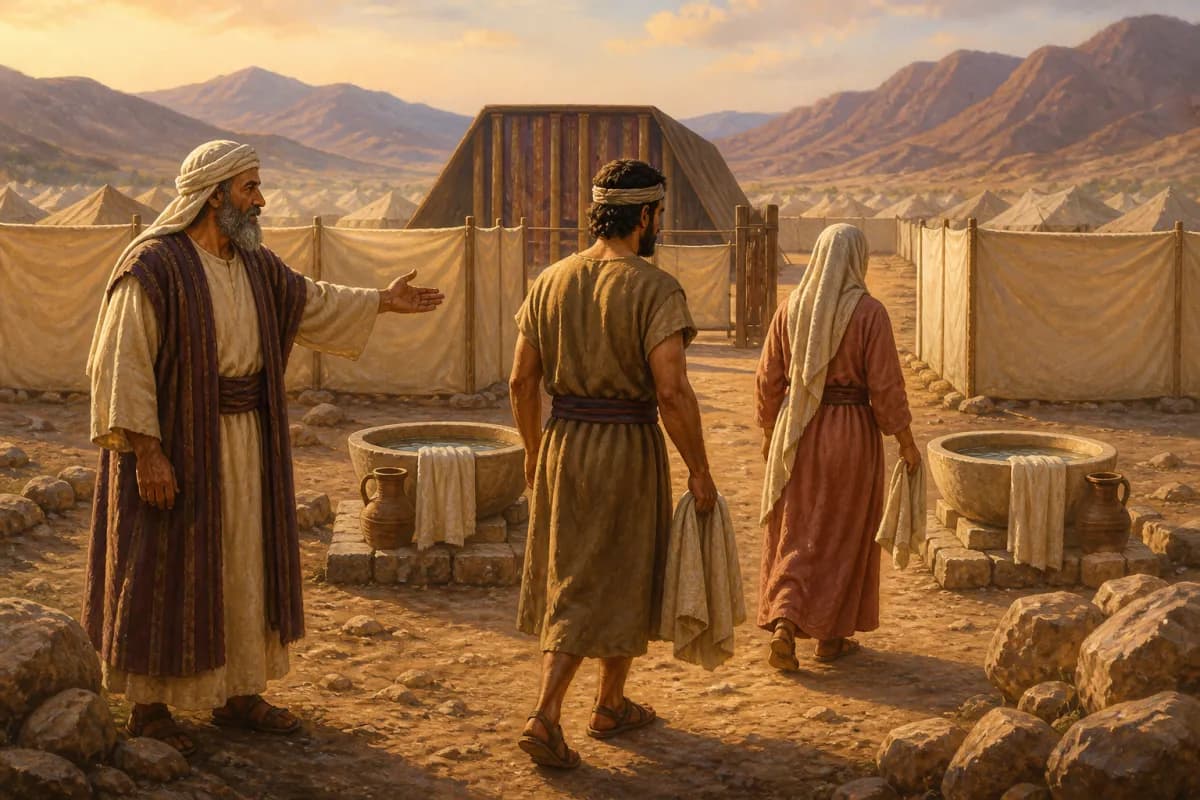
Leviticus 14:1–32 gives a healed person a carefully staged return from outside the camp to the tent of meeting. Birds, cedarwood, scarlet yarn, hyssop, washing, oil, blood, and offerings make restoration visible before God and the people. Jesus fulfills this movement by cleansing the unclean and bringing outsiders into the worshiping family through His saving work.

Study this passage →
Leviticus 14:33–14:57

195 of 876 · Passage study

A Holy Home: Defiling Marks in Houses

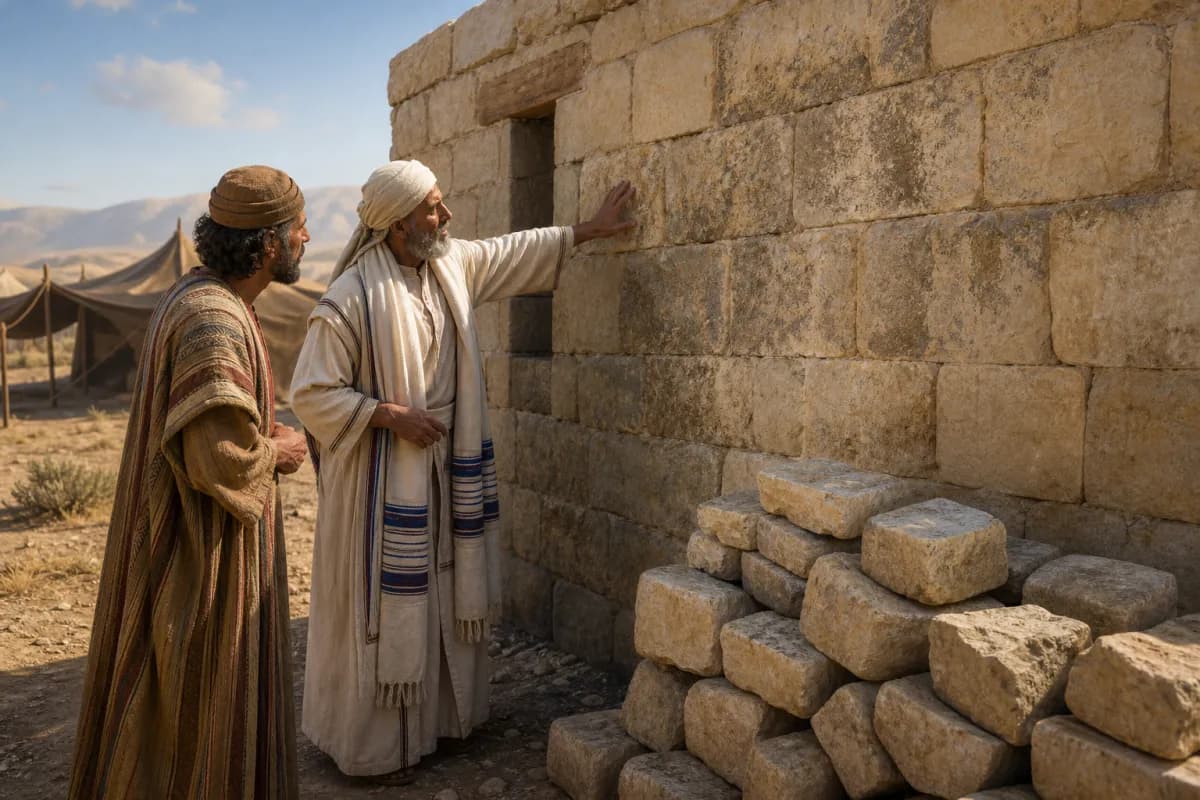
Leviticus 14:33–57 extends the concern for defiling marks from bodies and garments to an Israelite house in the promised land. The owner reports a suspicious greenish or reddish mark, the priest inspects it, and the house may be emptied, quarantined, repaired, or demolished. God’s holiness reaches shared spaces, and Jesus calls His people to honest cleansing that makes their homes and communities places of life.

Study this passage →
Leviticus 15:1–15:33

196 of 876 · Passage study

Near the God of Life: Bodily Discharges and Cleansing

Leviticus 15:1–33 addresses male and female bodily discharges, distinguishing ordinary conditions from abnormal ones and prescribing washing, waiting, and offerings where required. The chapter does not treat embodiment as shameful; it teaches Israel to honor the God of life by recognizing that bodily frailty affects approach to His sanctuary. Jesus brings its saving hope to fulfillment by cleansing the unclean and granting lasting access to God.

Study this passage →
Leviticus 16:1–16:34

197 of 876 · Passage study

One Day Before the Holy God: The Day of Atonement

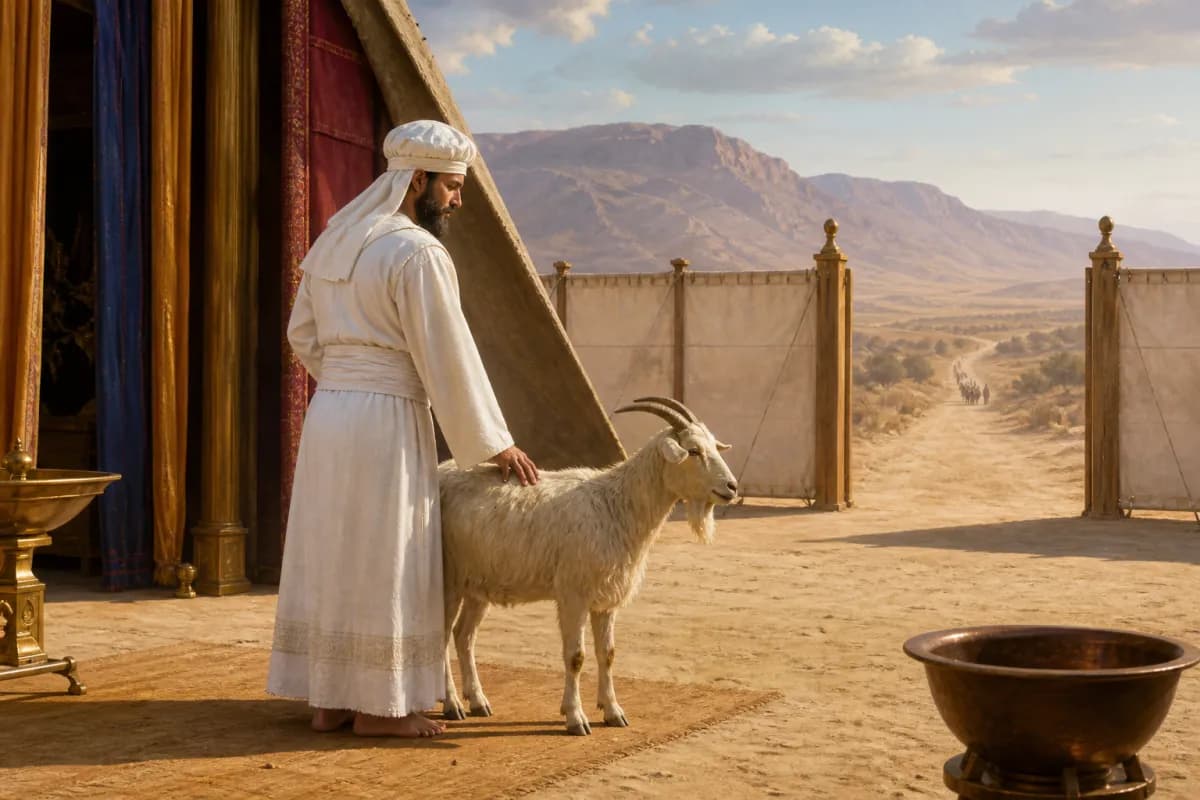
Leviticus 16:1–34 appoints Israel’s annual Day of Atonement after the death of Nadab and Abihu. The high priest enters the most holy place only through God’s commanded sacrifices; one goat is sacrificed and another carries Israel’s confessed sins away. The chapter establishes the need for a God-provided mediator and cleansing, which Jesus fulfills by offering Himself once for all and bringing His people to God.

Study this passage →
Leviticus 17:1–17:16

198 of 876 · Passage study

Life Belongs to God: The Sacredness of Blood

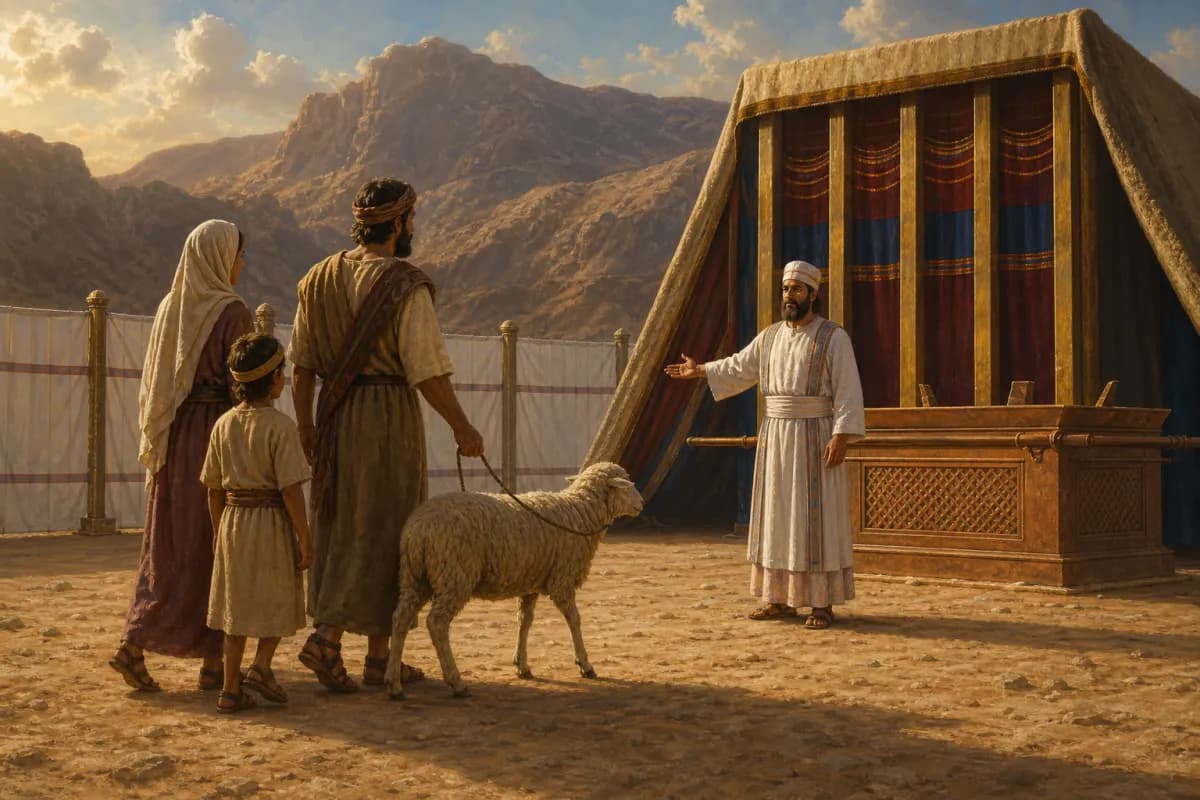
Leviticus 17:1–16 requires Israel to bring sacrificial animals to the sanctuary and forbids the eating of blood. God gives the reason: the life is in the blood, and He has given it on the altar for atonement. The passage guards worship from rival gods and teaches that reconciliation is God’s gift, fulfilled in the life Jesus willingly gives for the world.

Study this passage →
Leviticus 18:1–18:30

199 of 876 · Passage study

A Different People: Holiness in Sexual Conduct

Leviticus 18:1–30 calls Israel to refuse the sexual practices of Egypt and Canaan and gives boundaries for kinship, marriage, intercourse, adultery, child sacrifice, same-sex intercourse, and bestiality. These commands root sexual conduct in covenant loyalty to the Lord who rescued Israel. Jesus fulfills the law’s holy purpose by forgiving sexual sin, forming a faithful people, and calling every disciple into transformed love.

Study this passage →
Leviticus 19:1–19:37

200 of 876 · Passage study

Holy in the Ordinary: Love of God and Neighbor

Leviticus 19:1–37 unfolds God’s command, “You shall be holy, for I the Lord your God am holy,” across worship, family life, harvest, justice, speech, sexuality, business, and care for the vulnerable. Holiness is not withdrawal from ordinary life but faithful love within it. Jesus fulfills this vision by embodying God’s holiness and forming a people who love God and neighbor through His saving grace.

Study this passage →
Leviticus 20:1–20:27

201 of 876 · Passage study

A Holy People Under God’s Judgment: Covenant Unfaithfulness

Leviticus 20:1–27 attaches severe covenant penalties to child sacrifice, occult practices, and the sexual sins named in the preceding chapter. The passage reveals that idolatry and exploitation destroy the people God has set apart. Its judgments cannot be casually transferred into Christian civil enforcement; they press every reader toward the holy Judge and toward Jesus, who bears sin’s judgment and creates a people set apart for God.

Study this passage →
Leviticus 21:1–21:24

202 of 876 · Passage study

Near the Holy God: Holiness for Israel’s Priests

Leviticus 21:1–24 gives priests particular boundaries concerning mourning, marriage, bodily conditions, and altar service because they bring the offerings of the Lord near. The passage does not measure a person’s worth by physical condition; it guards the symbolic wholeness of public priestly service. Jesus, the perfectly holy High Priest, brings every believing sinner to God and forms a people whose dignity rests in His grace.

Study this passage →
Leviticus 22:1–22:33

203 of 876 · Passage study

Gifts Before the Holy King: Offerings and Reverence

Leviticus 22:1–33 commands priests to handle holy offerings reverently, protects sacred food from misuse, and requires voluntary animal sacrifices to be without defect. Israel learns that access to God is a gift to be received on His terms. Jesus fulfills the pattern as the spotless sacrifice who brings sinners near and teaches His people to honor God without empty or manipulative worship.

Study this passage →
Leviticus 23:1–23:4

204 of 876 · Passage study

A Holy Pause: Sabbath Before the Lord

Leviticus 23:1–3 opens Israel’s festival calendar with the weekly Sabbath: six days of work followed by a complete rest and holy assembly. The command declares that time belongs to the Creator and Redeemer, not to human production or anxiety. Jesus gives the Sabbath its fullest purpose by bringing weary people to Himself and securing the rest of reconciliation with God.

Study this passage →
Keep scrolling for the next passage.