Truth-Scrolling

Numbers 10:29–10:32

241 of 876 · Passage study

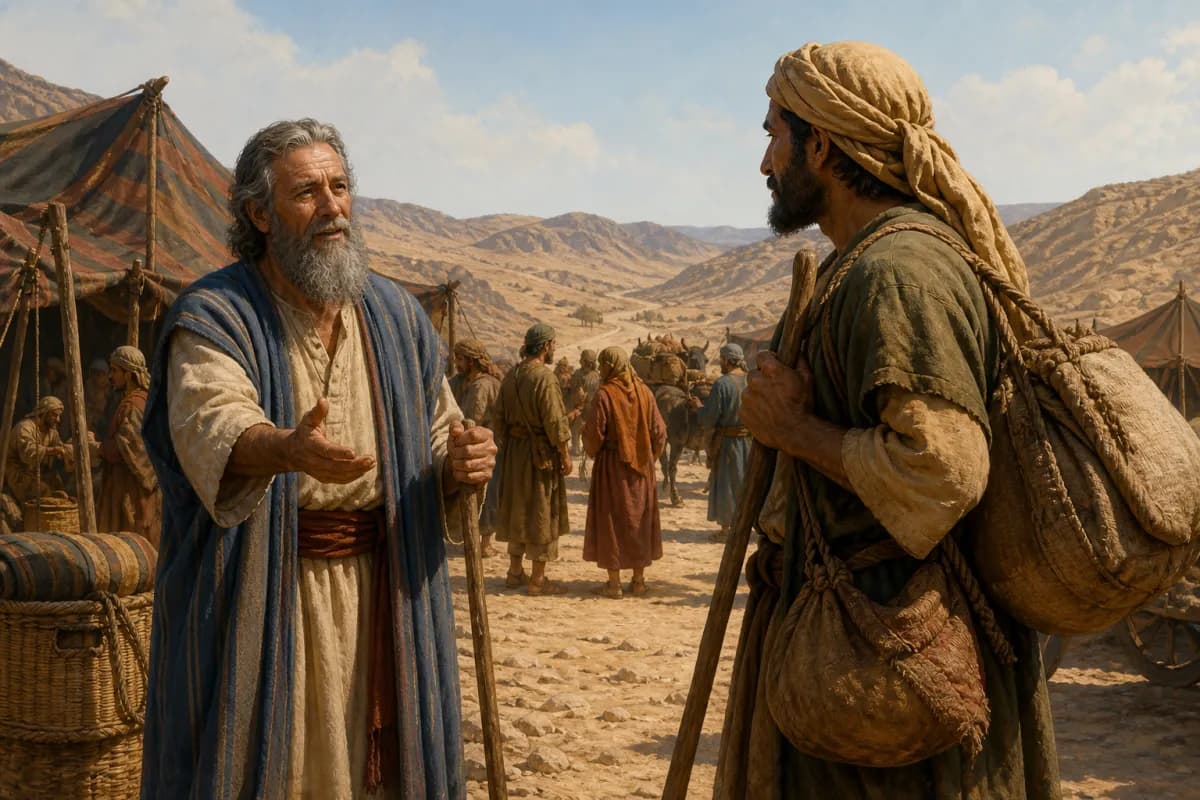
Moses Invites Hobab: Sharing the Good God Has Promised

Numbers 10:29–32 records Moses inviting Hobab, his Midianite relative, to travel with Israel because the Lord has promised good to His people. Moses values Hobab’s wilderness knowledge, yet grounds the invitation in God’s covenant generosity. The scene points forward to Jesus’ mission of gathering outsiders by grace into the people who share in God’s promised blessing.
Study this passage →
Numbers 10:33–10:36

242 of 876 · Passage study

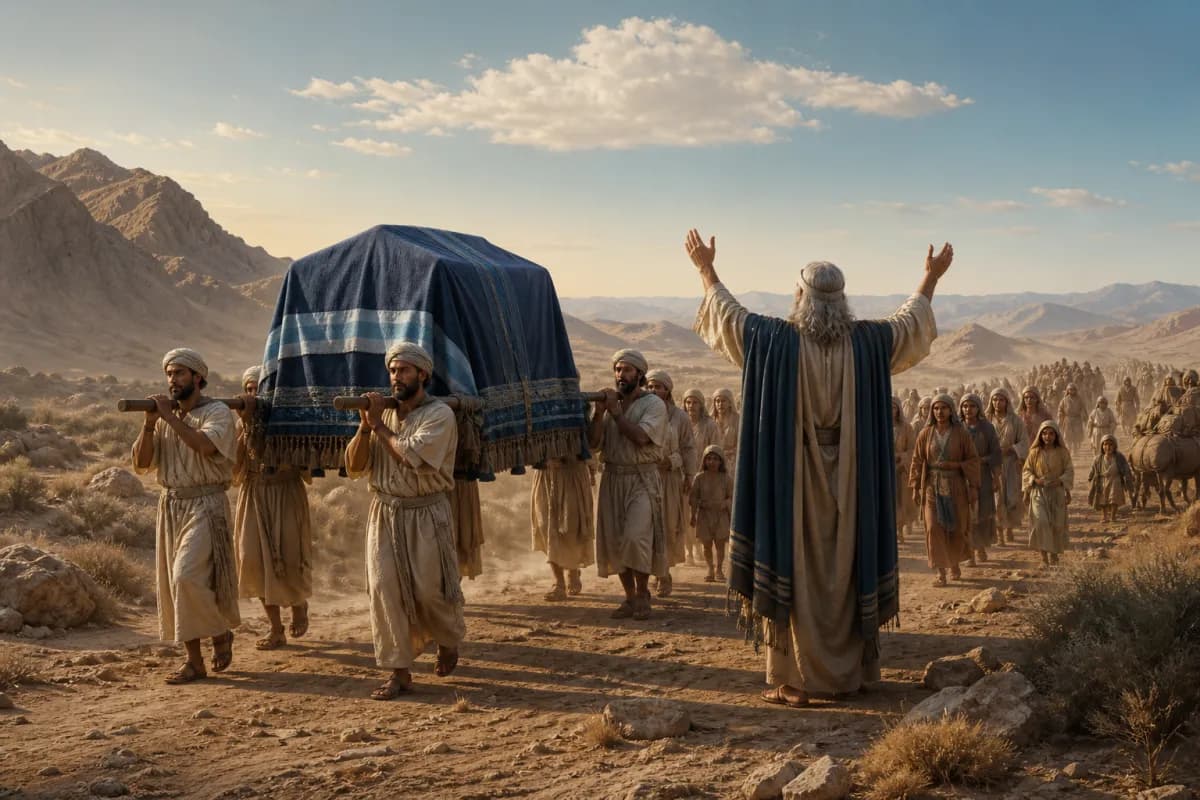
The Ark Goes Ahead: The Lord Leads His People Toward Rest

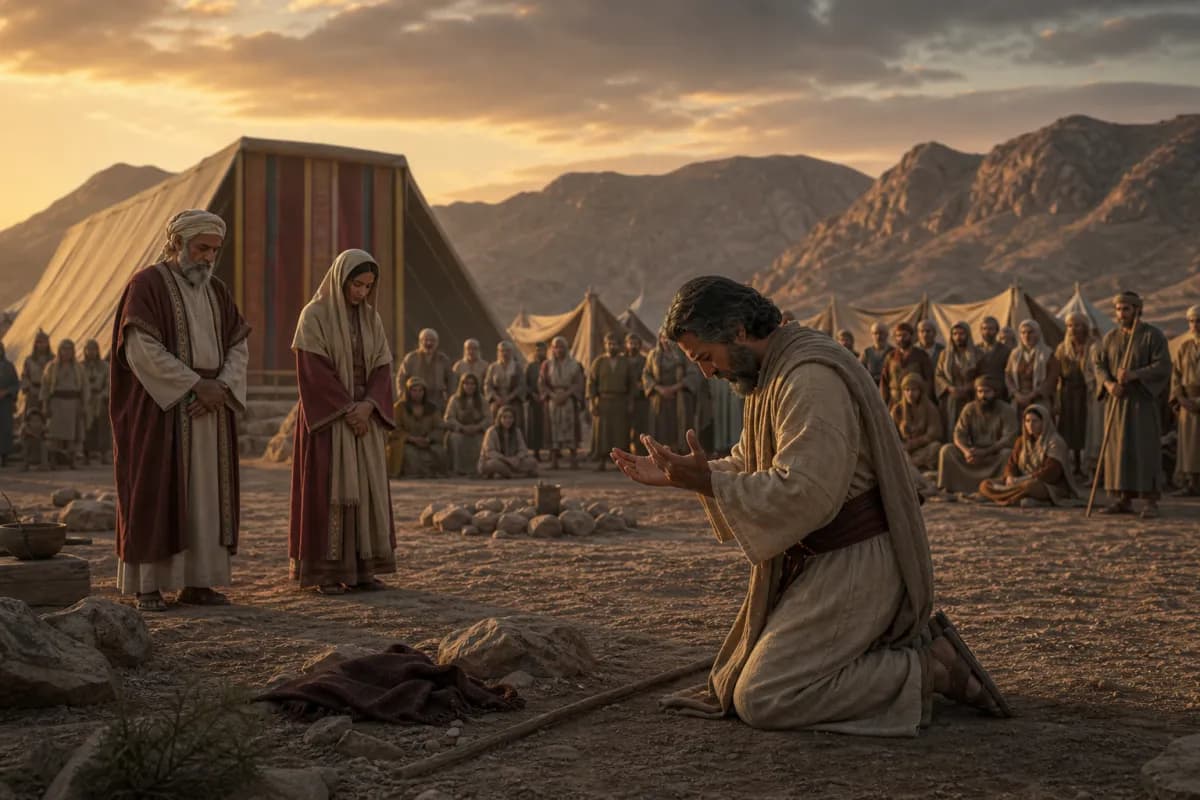
Numbers 10:33–36 closes Israel’s departure from Sinai with the ark of the covenant going ahead to seek a resting place and with Moses praying whenever it moves or rests. The ark represents the Lord’s covenant presence among a vulnerable people. Jesus fulfills the hope of God-with-us, brings His people to the Father through His saving death, and leads them toward the final rest of God’s kingdom.

Study this passage →
Numbers 11:1–11:3

243 of 876 · Passage study

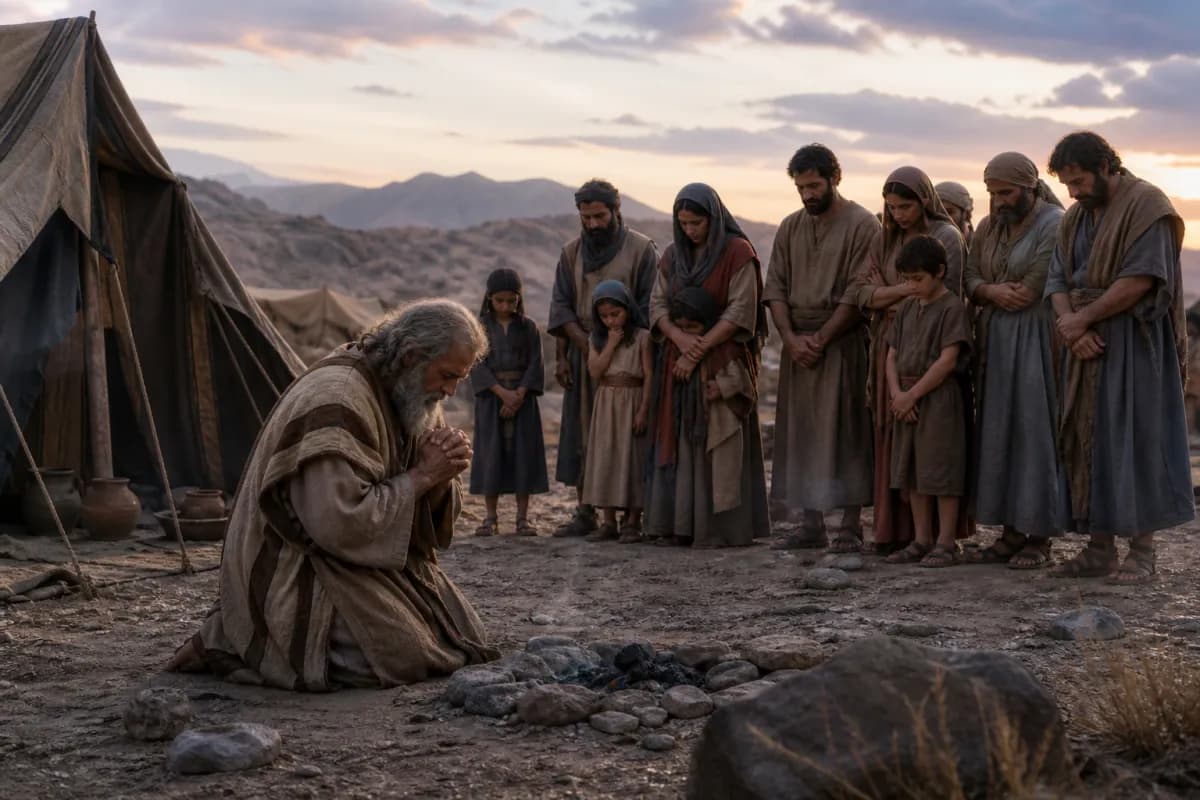
Complaint at the Edge of the Camp: When Gratitude Turns Against God

Numbers 11:1–3 records Israel’s first complaint after leaving Sinai and the Lord’s consuming fire at the edge of the camp. Their words are not harmless frustration; they reject the God who has redeemed and led them. Jesus bears the judgment sinners deserve and forms a people who bring their need to God in faith rather than nursing resentment against Him.

Study this passage →
Numbers 11:4–11:35

244 of 876 · Passage study

Craving Egypt: Desire That Forgets Redemption

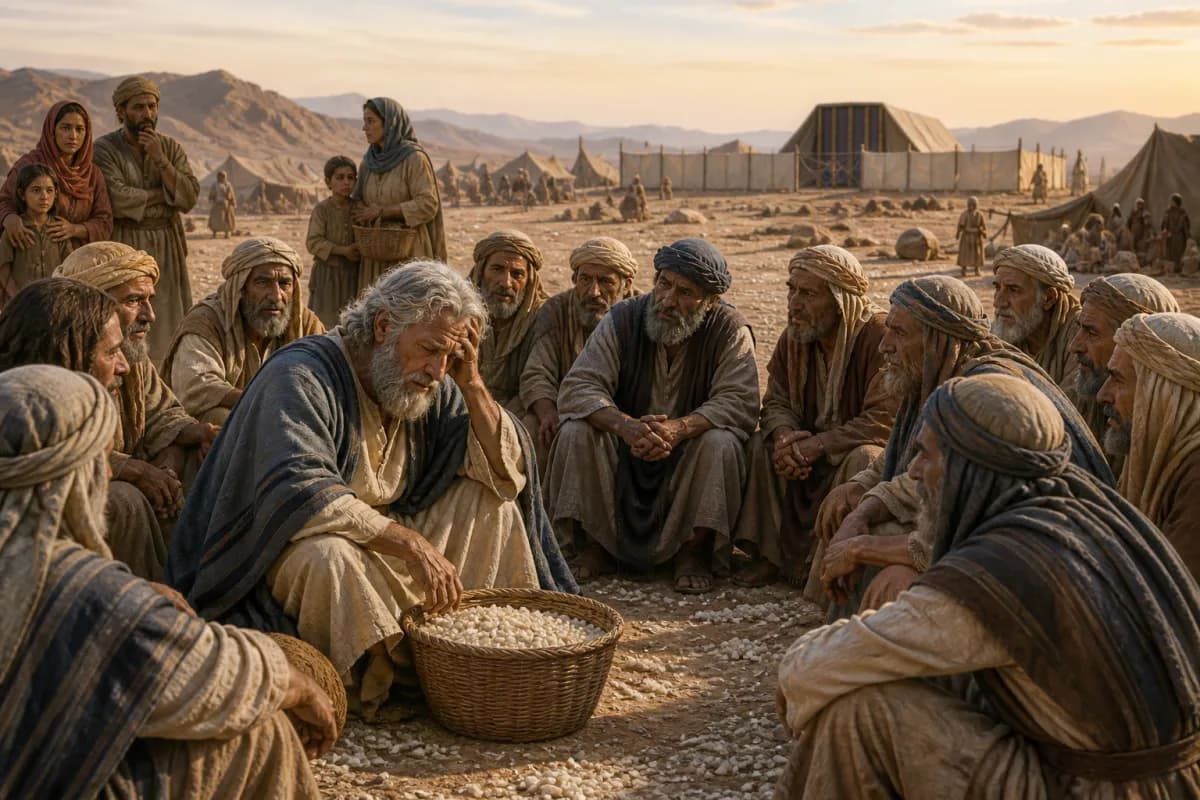
Numbers 11:4–35 shows desire for meat spreading through Israel until the people despise the manna and remember Egypt without remembering its slavery. Moses brings his burden to the Lord, seventy elders receive the Spirit’s help, and God gives quail with severe judgment. Jesus satisfies the deeper hunger of His people and calls them to receive God’s gifts without returning in heart to the bondage from which He saves.

Study this passage →
Numbers 12:1–12:16

245 of 876 · Passage study

Miriam and Aaron Oppose Moses: God Defends His Servant

Numbers 12:1–16 confronts Miriam and Aaron’s challenge to Moses’ unique calling. The Lord distinguishes Moses’ face-to-face stewardship from ordinary prophetic visions, strikes Miriam with a skin disease, and restores her after Moses intercedes. Jesus is greater than Moses, the faithful Son over God’s house, and His saving mission creates a humble people who honor God-given service without rivalry.

Study this passage →
Numbers 13:1–13:24

246 of 876 · Passage study

Searching the Land: Seeing Promise Through Faith

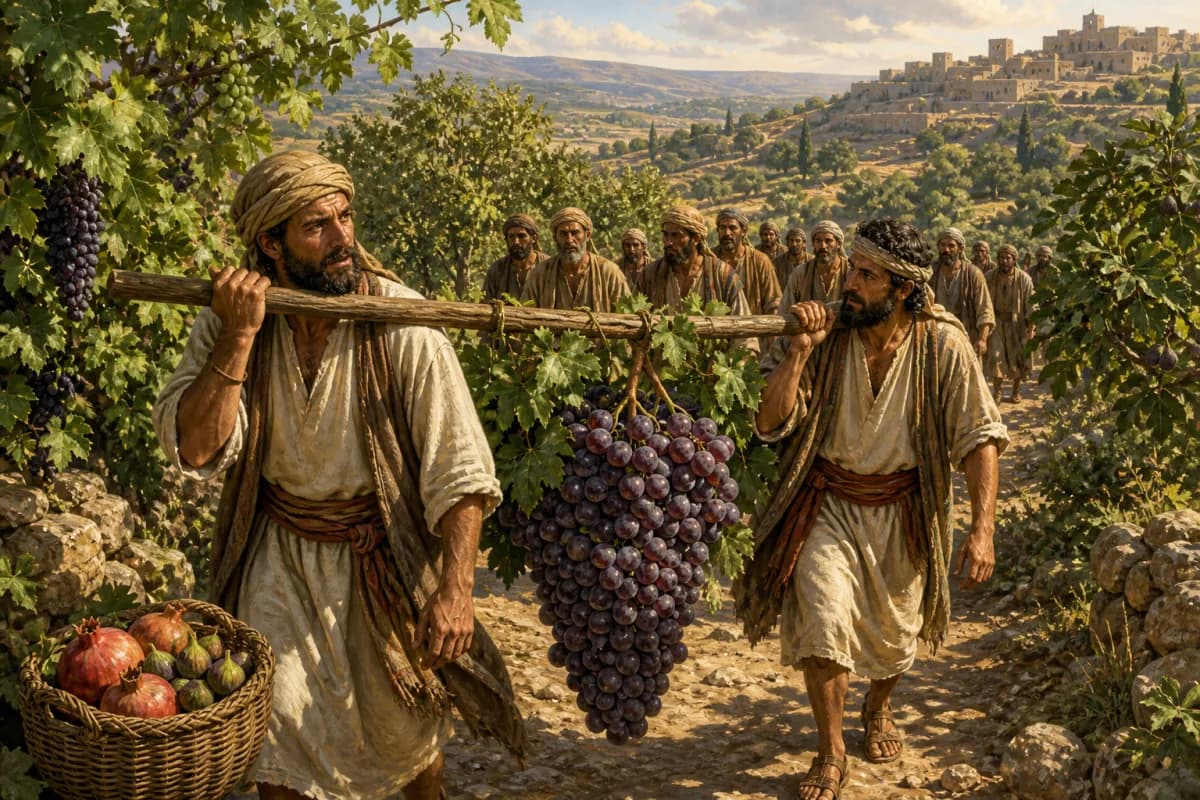
Numbers 13:1–24 sends twelve tribal leaders to explore the land God is giving Israel. Their forty-day journey confirms that the land is fruitful and formidable, but the chapter prepares the decisive question: will Israel treat evidence as a reason to trust God or as a reason to retreat from His promise? Jesus brings His people into a greater inheritance and calls them to follow Him in faith when obedience makes the obstacles visible.

Study this passage →
Numbers 13:25–13:33

247 of 876 · Passage study

The Spies’ Report: When Fear Makes God’s Promise Seem Small

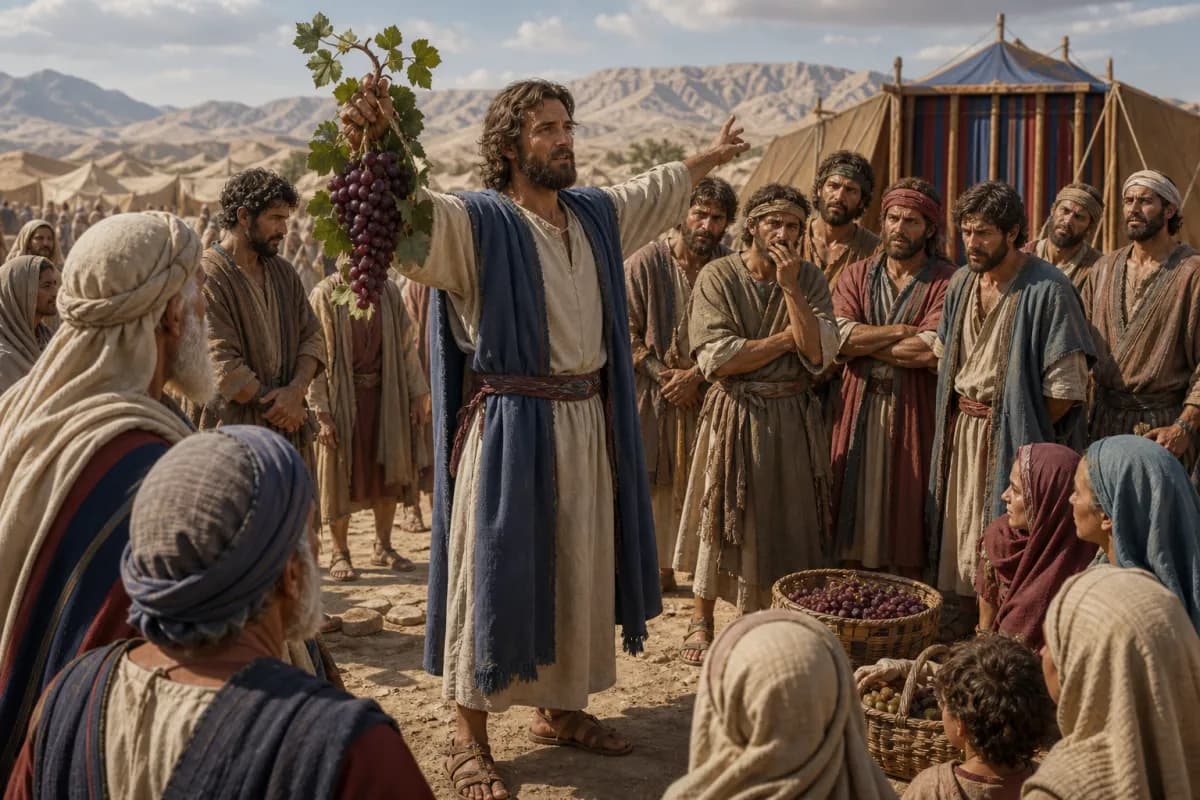
Numbers 13:25–33 records the spies’ report after forty days in Canaan. They affirm that the land flows with milk and honey, yet ten leaders magnify its fortified cities and inhabitants until Israel sees itself as grasshoppers. Caleb calls the people to go up in confidence that God can give the land. Jesus delivers His people from fear’s distorted vision and leads them in faith toward the kingdom He has won.

Study this passage →
Numbers 14:1–14:10

248 of 876 · Passage study

A People Who Want to Go Back: Rebellion at Kadesh

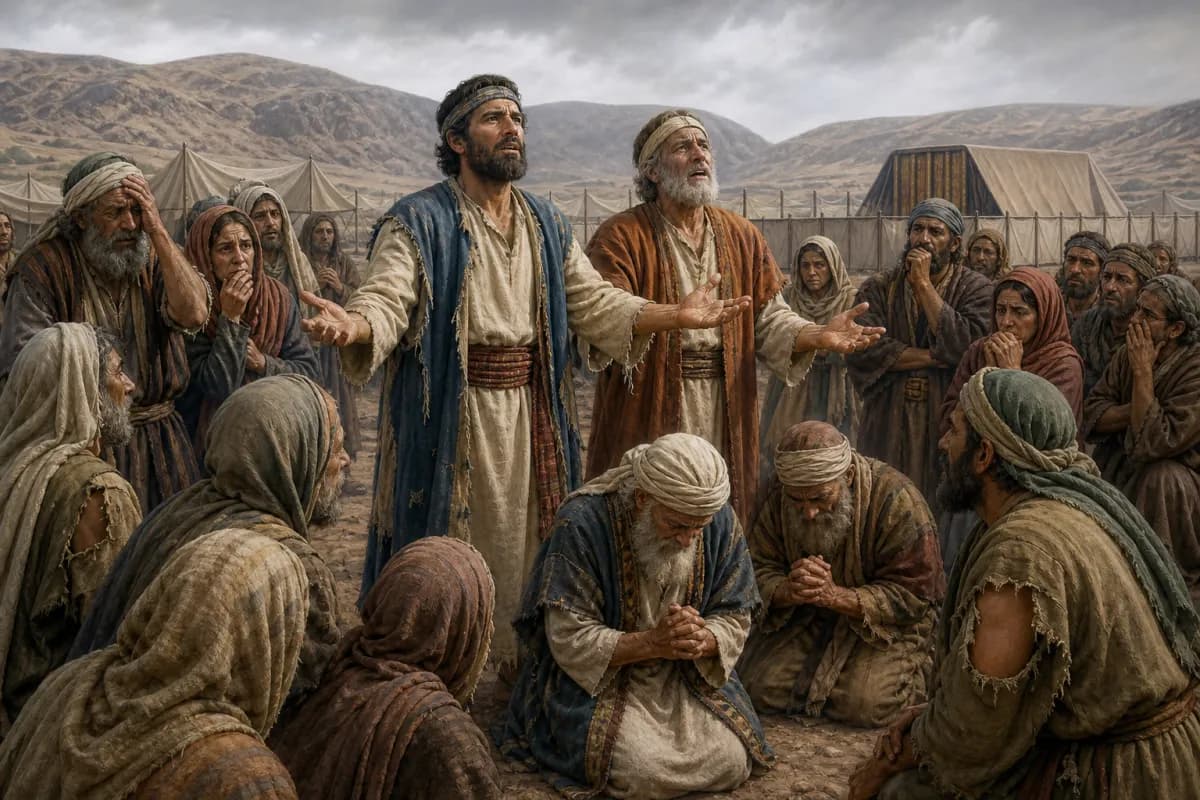
Numbers 14:1–10 shows Israel weeping after the spies’ report, accusing the Lord of bringing them out to die, and proposing a leader who will return them to Egypt. Joshua and Caleb plead for trust, but the congregation is ready to stone them. Jesus delivers His people from the slavery of sin and calls them to follow Him forward in faith rather than return in heart to what once held them captive.

Study this passage →
Numbers 14:11–14:38

249 of 876 · Passage study

Mercy That Does Not Excuse Unbelief: Moses Intercedes for Israel

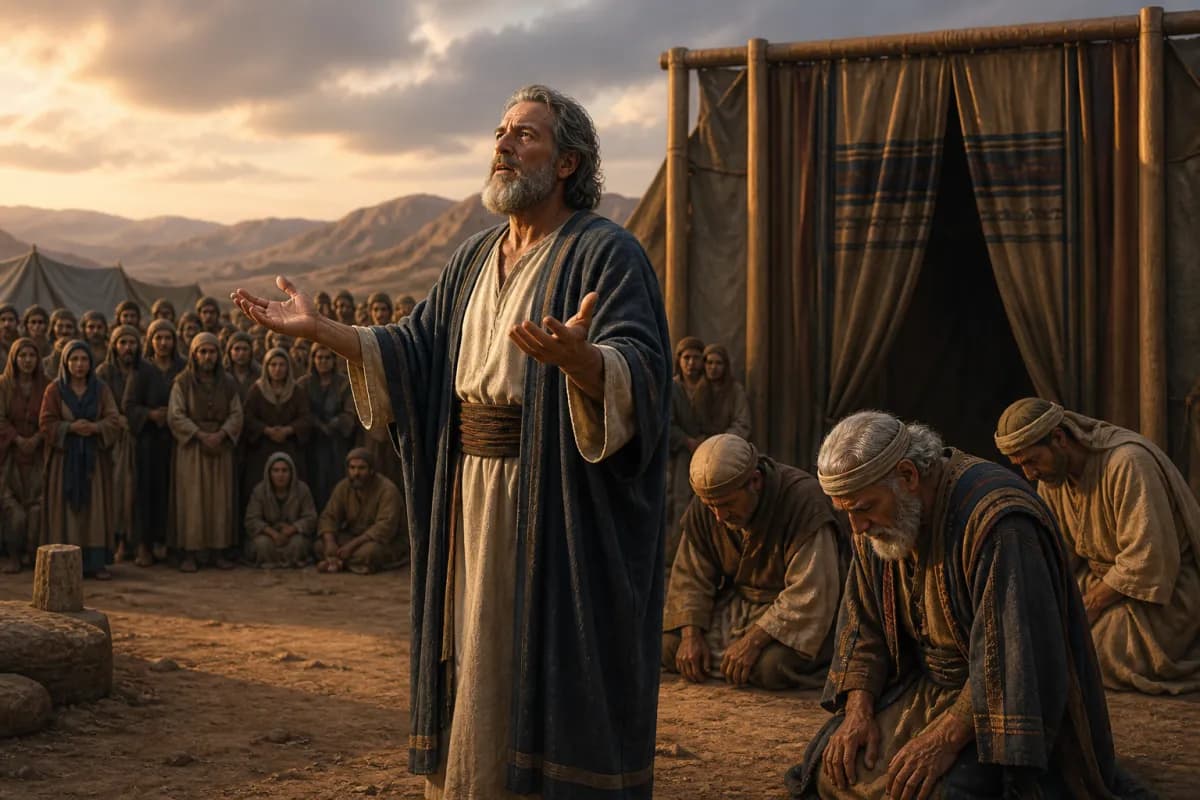
Numbers 14:11–38 records the Lord confronting Israel’s contempt and unbelief after every sign He has given. Moses pleads on the basis of God’s revealed character and the honor of His name; God pardons, yet judges the unbelieving generation to die in the wilderness. Jesus bears sin’s judgment and brings repentant sinners to God, while this passage warns that pardon must never be turned into permission to despise His grace.

Study this passage →
Numbers 14:39–14:45

250 of 876 · Passage study

Too Late for Presumption: Defeat at Hormah

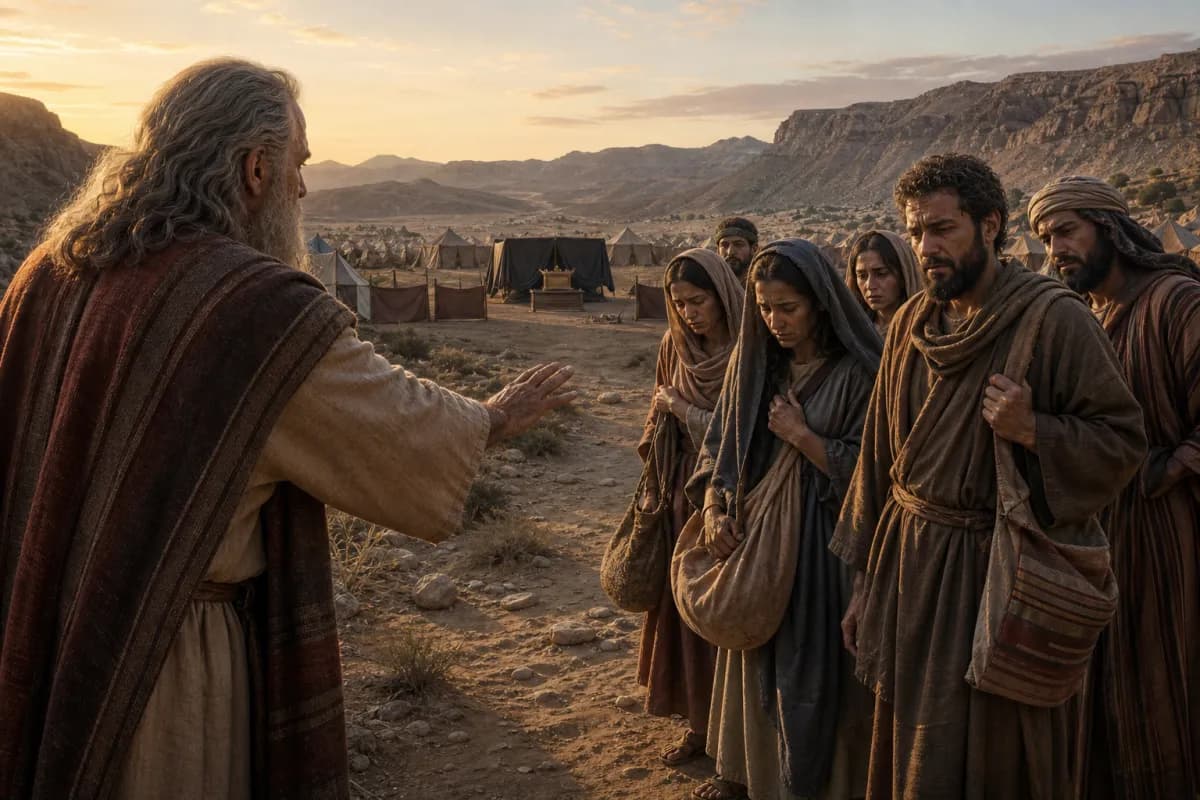
Numbers 14:39–45 shows Israel grieving after the wilderness judgment and then attempting to enter Canaan after the Lord has told them not to go. Moses warns that the Lord will not be with this advance, but the people go anyway and are defeated at Hormah. Jesus calls His people to repentance that listens to His word, not self-directed effort that mistakes regret for faith.

Study this passage →
Numbers 15:1–15:31

251 of 876 · Passage study

Offerings for a Future They Will Not See: Hope After Judgment

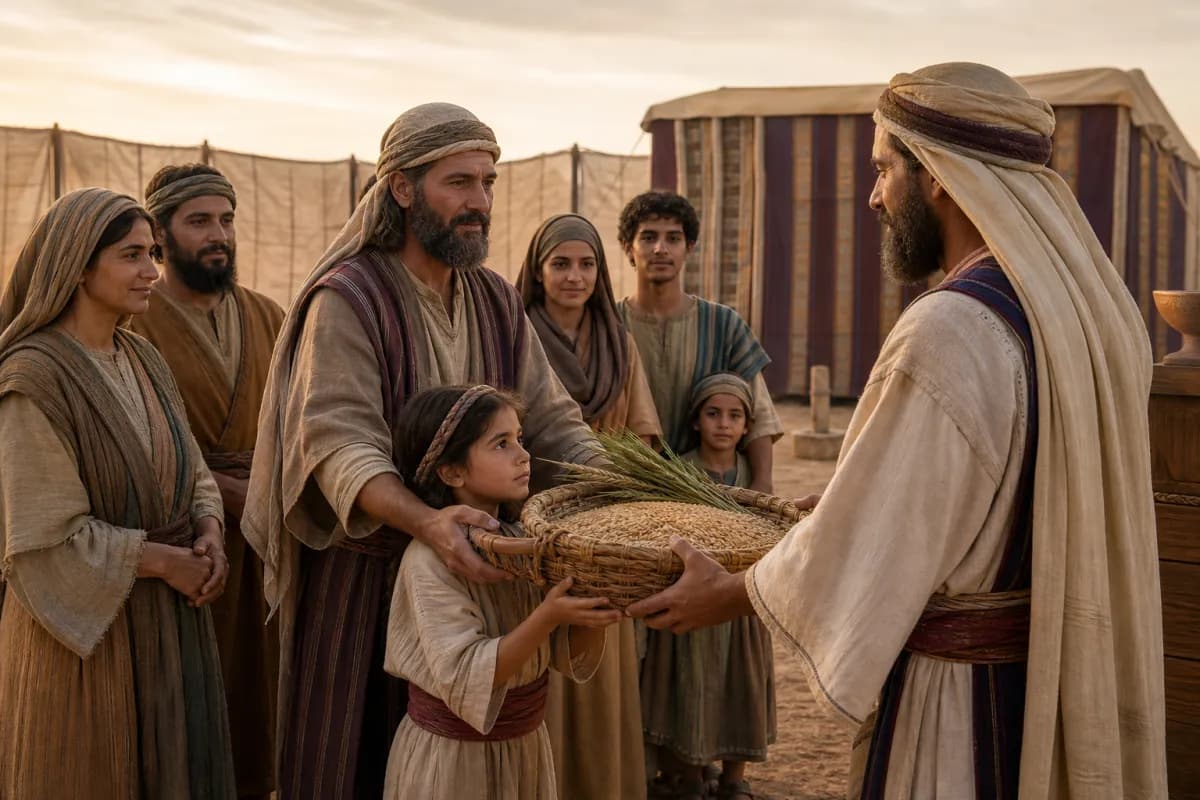
Numbers 15:1–31 gives sacrifice instructions immediately after the judgment at Kadesh, repeatedly speaking of “the land” Israel will enter. It provides offerings for worship, one law for native and resident alien, firstfruits, and a distinction between unintentional sin and defiant rejection. Jesus fulfills the sacrificial hope by bringing sinners near to God and gathering one people from every nation through His saving mission.

Study this passage →
Numbers 15:32–15:36

252 of 876 · Passage study

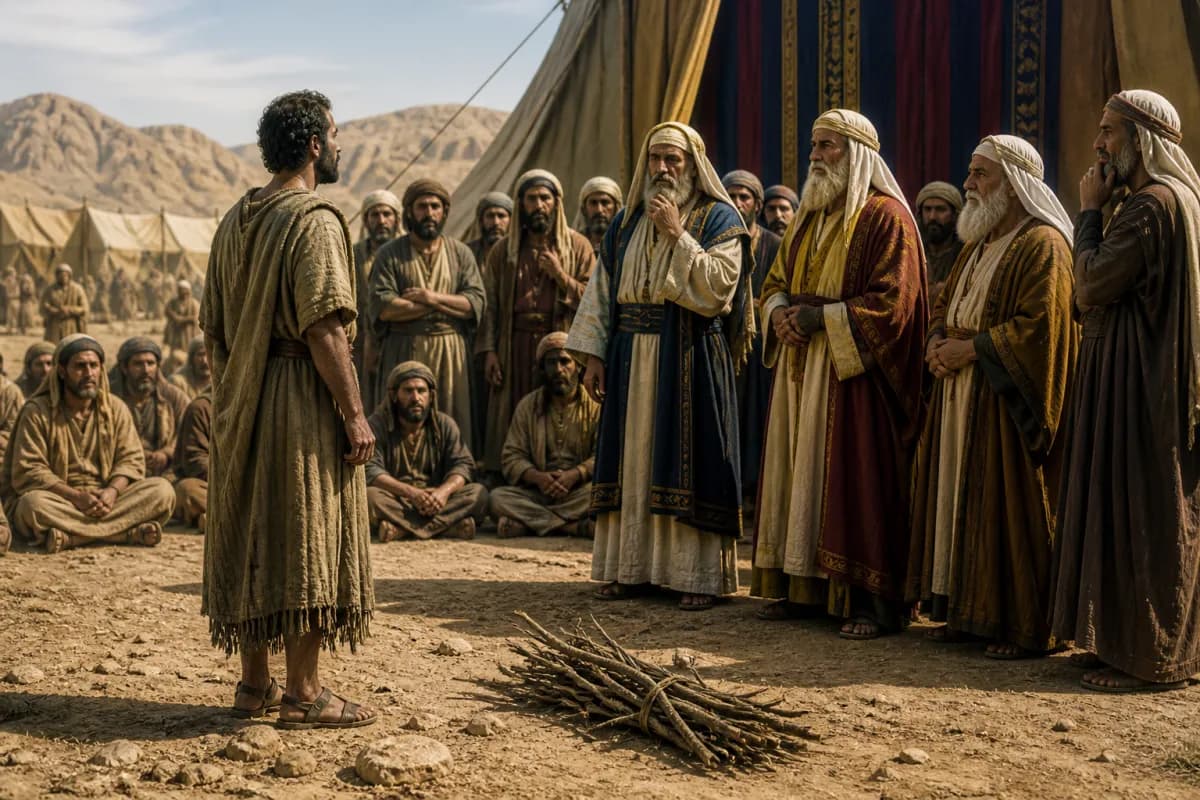
The Man Gathering Sticks: Holiness in a Covenant Sign

Numbers 15:32–36 records a man gathering sticks on the Sabbath, Israel holding him in custody while seeking the Lord’s direction, and his execution outside the camp. The brief account shows that Sabbath was a covenant sign whose public defiance could not be treated as trivial. Jesus is Lord of the Sabbath and gives His people the deeper rest of reconciliation with God, calling them to receive grace with reverent obedience.

Study this passage →
Keep scrolling for the next passage.