Truth-Scrolling

Numbers 15:37–15:41

253 of 876 · Passage study

Tassels for Remembering: A Visible Call to Covenant Faithfulness

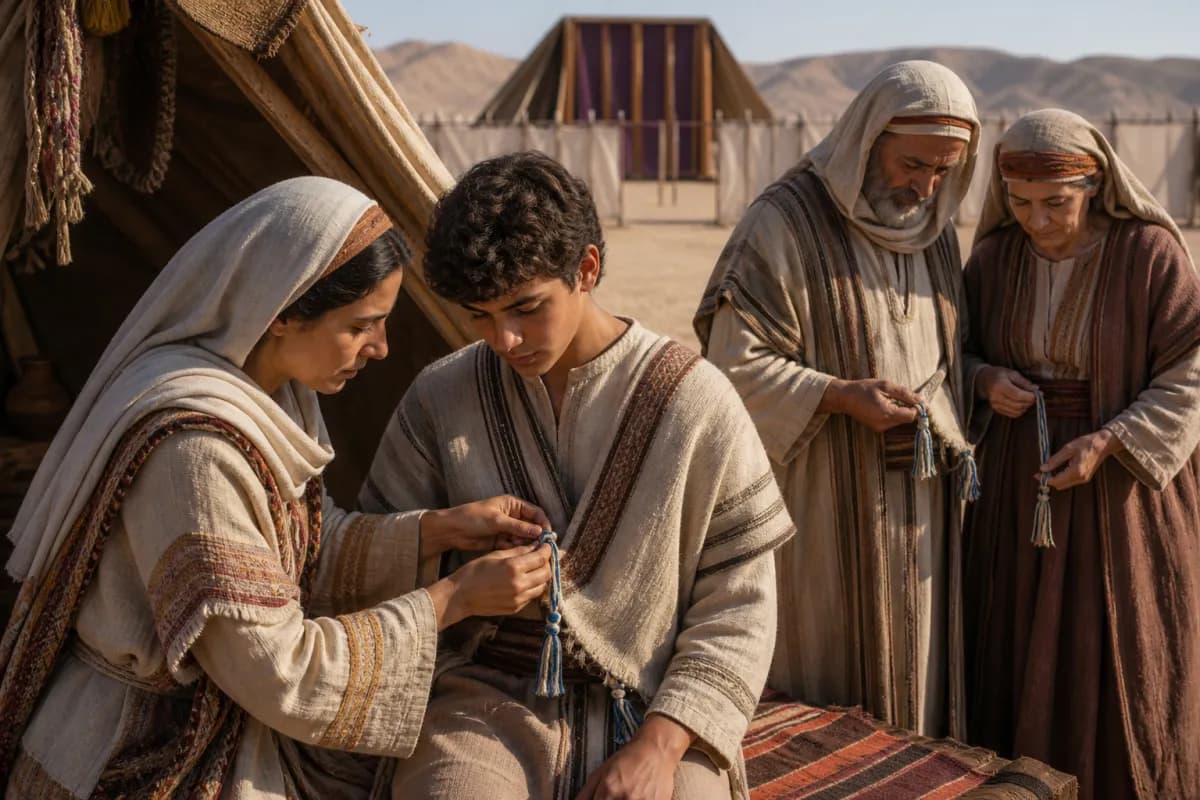
Numbers 15:37–41 gives Israel tassels with a blue cord so that seeing them will call God’s commands to mind and keep the people from following the desires of their own hearts and eyes. The outward sign cannot save them, but it trains a redeemed people to remember the Lord who brought them out of Egypt. Jesus brings His people into the new covenant and forms obedience from hearts made new by His saving grace.
Study this passage →
Numbers 16:1–16:40

254 of 876 · Passage study

Korah’s Revolt: Holiness Used Against God’s Calling

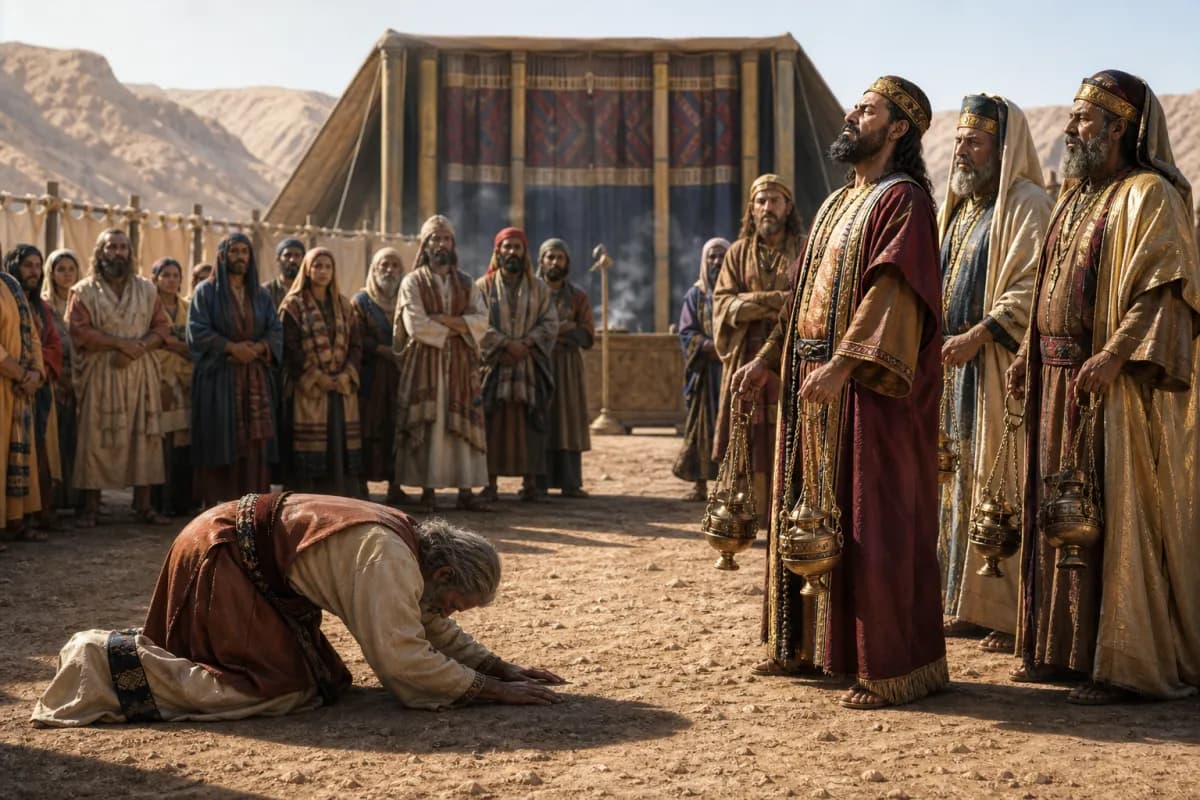
Numbers 16:1–40 records Korah, Dathan, Abiram, and two hundred fifty leaders challenging Moses and Aaron. Their claim that all Israel is holy misuses a true covenant privilege to reject the ministries God has assigned. The Lord vindicates His chosen servants with severe judgment. Jesus is the final priest and humble King who brings His people near to God without turning spiritual gifts into rivalry or self-exaltation.

Study this passage →
Numbers 16:41–16:50

255 of 876 · Passage study

Standing Between the Dead and the Living: Mercy in the Midst of Judgment

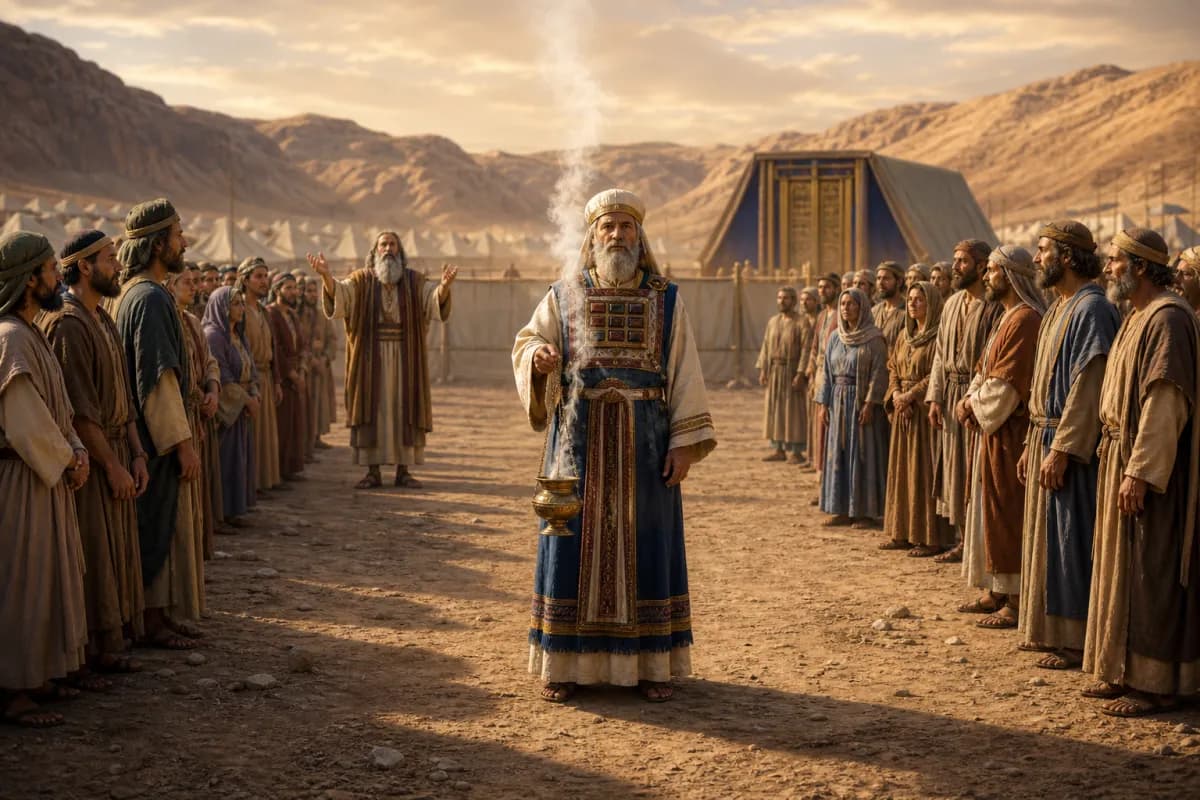
Numbers 16:41–50 records Israel complaining after Korah’s judgment and a plague breaking out among the congregation. Moses sends Aaron with incense to make atonement, and Aaron stands between the dead and the living until the plague stops. The episode does not reduce Jesus to a repeated ritual, but it vividly displays the need for a God-appointed mediator whose atoning work stays judgment. Jesus fulfills that need finally through His sacrificial death and living intercession.

Study this passage →
Numbers 17:1–17:13

256 of 876 · Passage study

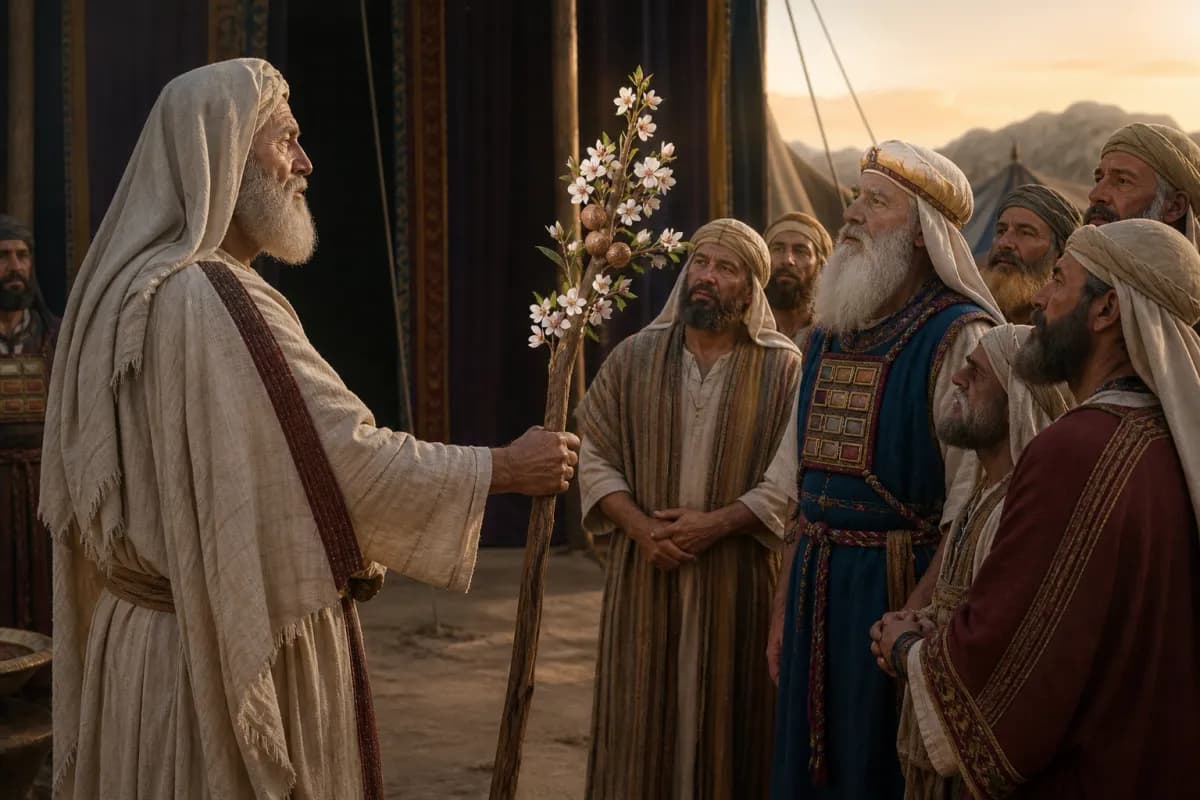
The Staff That Blossomed: God Confirms His Chosen Priest

Numbers 17:1–13 answers Israel’s dispute about priesthood by placing twelve staffs before the covenant testimony. Aaron’s dead staff buds, blossoms, and bears ripe almonds overnight, confirming God’s choice and ending the people’s murmuring. The sign points beyond itself to the need for a priest God appoints. Jesus, raised from death and established as the enduring high priest, gives His people confident access to God.

Study this passage →
Numbers 18:1–18:32

257 of 876 · Passage study

Guarding the Sanctuary and Receiving God as Portion

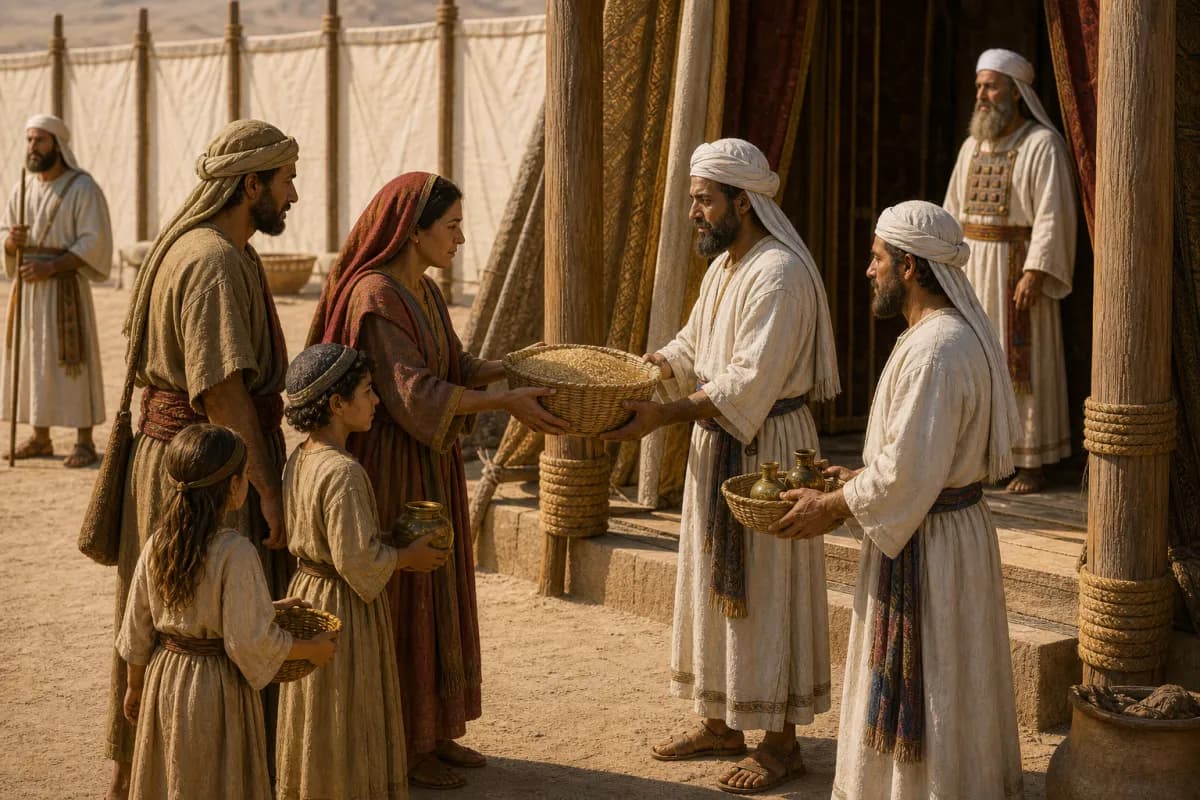
Numbers 18:1–32 assigns the duties and provisions of priests and Levites after Israel’s fear about approaching the tabernacle. Priests bear responsibility for the sanctuary, Levites guard the tent and receive the tithe, and the priests receive holy portions; the arrangement protects the congregation from wrath. Jesus fulfills the priestly work of bringing people to God and gathers a people whose service and generosity flow from belonging to Him.

Study this passage →
Numbers 19:1–19:22

258 of 876 · Passage study

The Red Heifer: Cleansing from Death’s Defilement

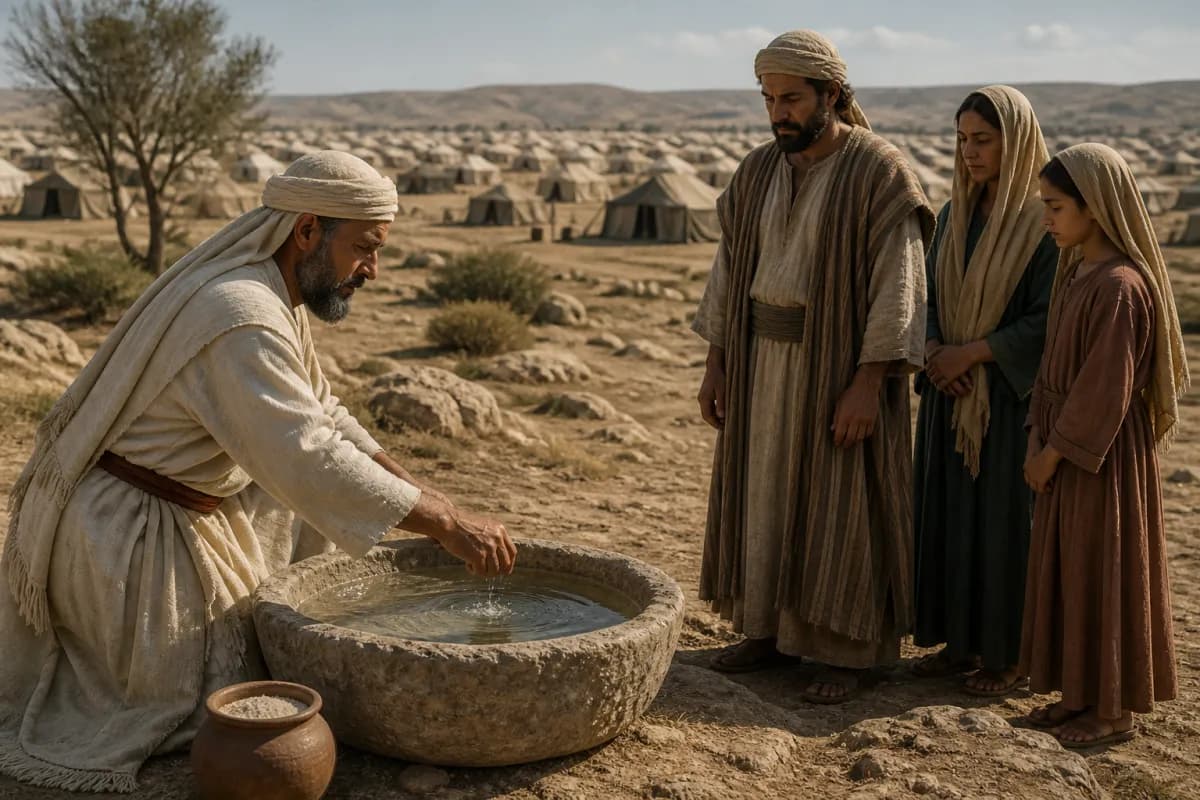
Numbers 19:1–22 provides ashes from a red heifer for cleansing those made unclean by contact with a corpse. The rite teaches Israel that death and God’s holy dwelling cannot be treated casually, while God Himself provides a way back into the camp. Jesus brings the deeper cleansing promised by this pattern: through His sacrificial death He purifies conscience and opens access to God for a people marked by mortal life.

Study this passage →
Numbers 20:1–20:13

259 of 876 · Passage study

Water at Meribah: God’s Faithfulness and Moses’ Failure

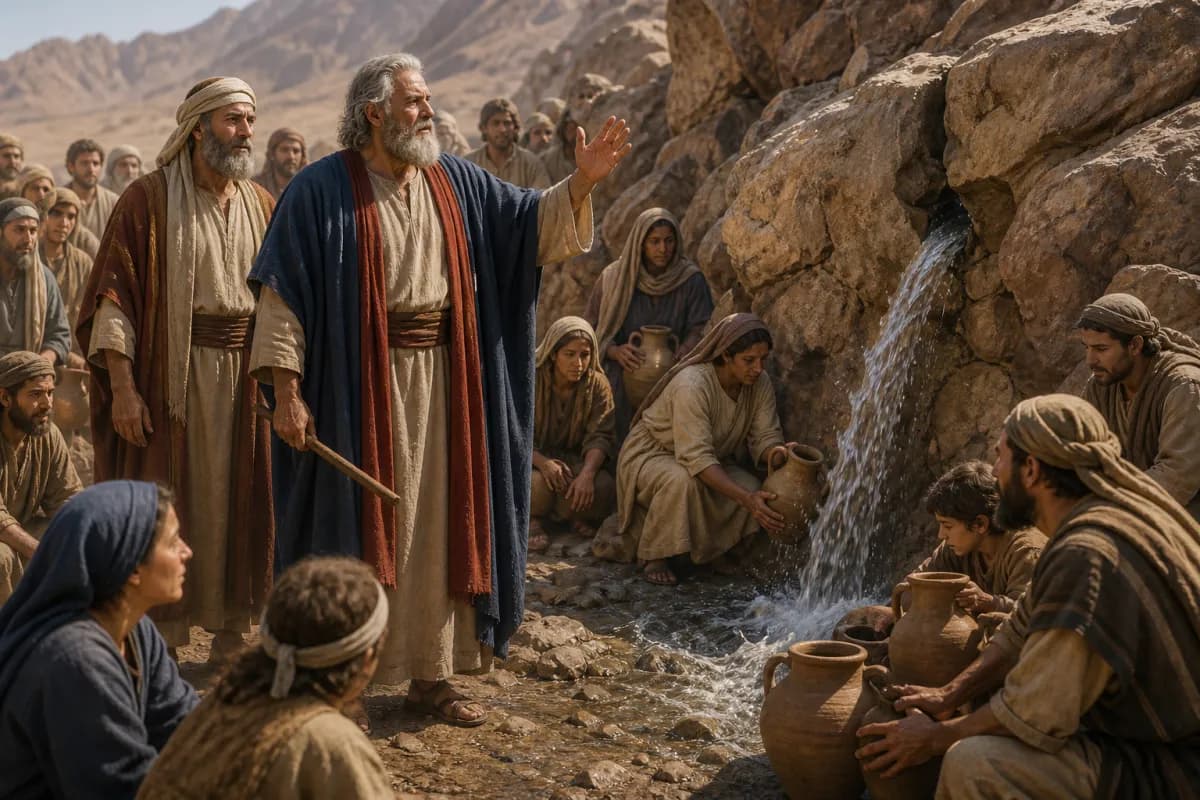
Numbers 20:1–13 places Miriam’s death beside Israel’s renewed thirst at Kadesh. God commands Moses to speak to the rock, but Moses strikes it while accusing the people, and water still comes out. The Lord’s provision displays His faithfulness, while His discipline of Moses and Aaron shows that leaders must uphold God as holy. Jesus gives living water by grace and perfectly reveals the Father’s holy character.

Study this passage →
Numbers 20:14–20:21

260 of 876 · Passage study

Edom’s Refusal: A Long Road Taken in Restraint

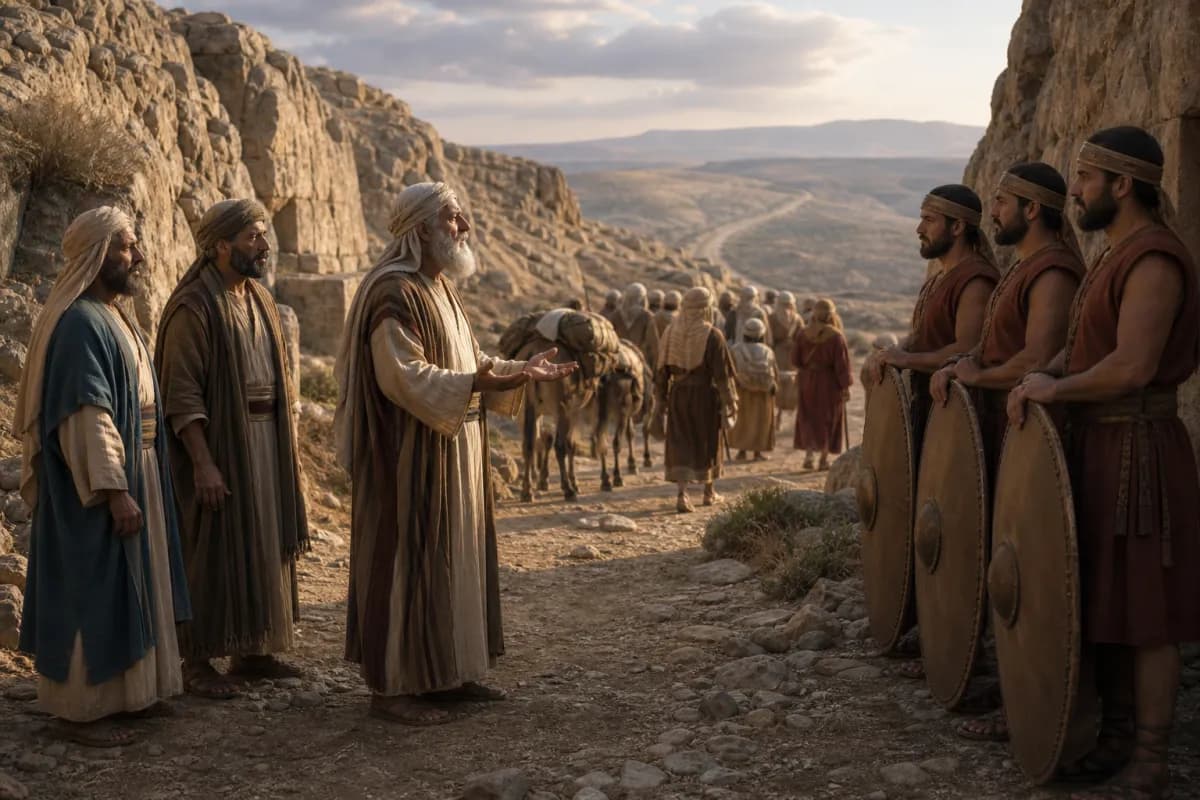
Numbers 20:14–21 records Moses asking Edom, Israel’s brother nation, for peaceful passage along the king’s highway. Israel promises not to take water or enter fields, but Edom answers with armed refusal. Israel turns away rather than force the route. The episode teaches that covenant faithfulness does not seize every desired path; Jesus fulfills God’s purpose through obedient humility and calls His people to pursue peace while trusting the Father’s direction.

Study this passage →
Numbers 20:22–20:29

261 of 876 · Passage study

Aaron’s Final Ascent: A Priesthood Handed On

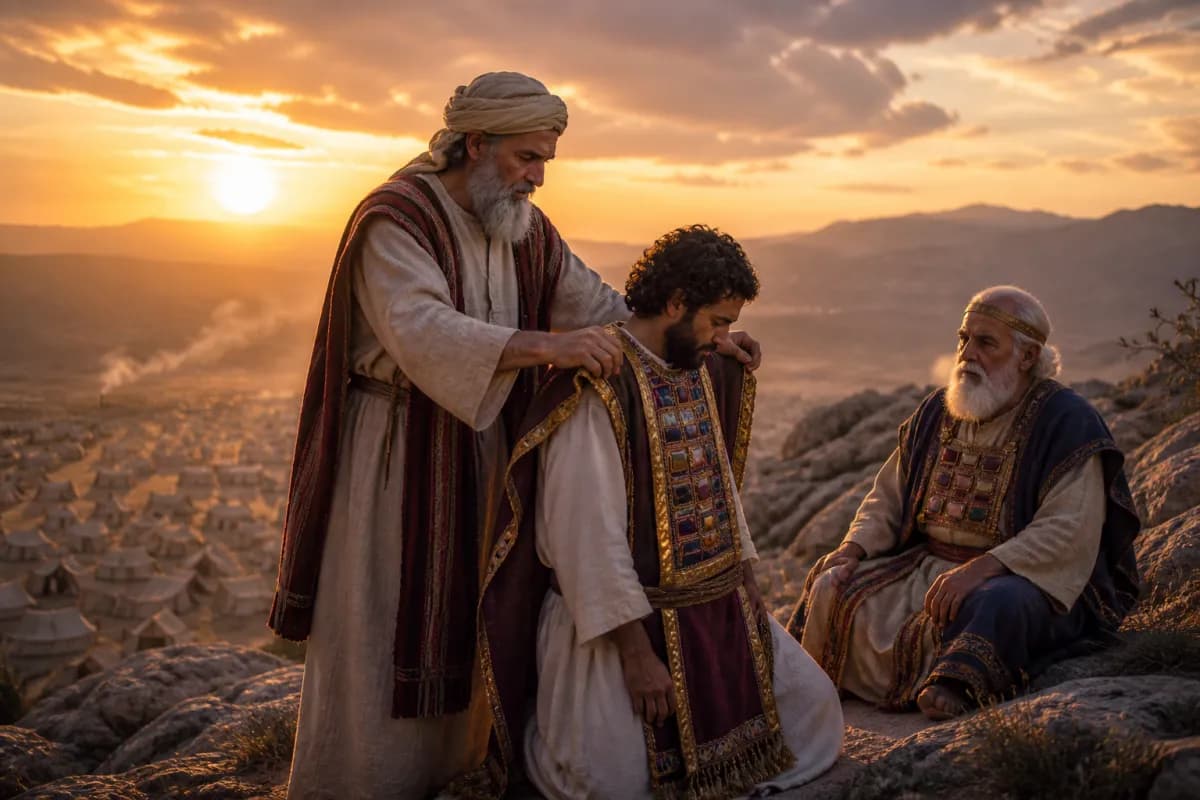
Numbers 20:22–29 records Aaron’s death on Mount Hor after Israel reaches its border. Because Aaron shared in the disobedience at Meribah, he will not enter the land; yet God orders his final service with dignity, transferring his garments to Eleazar before he dies. The passing priesthood highlights its mortality and prepares readers for Jesus, the risen high priest whose saving work and intercession never pass to another.

Study this passage →
Numbers 21:1–21:3

262 of 876 · Passage study

The Vow at Hormah: Victory Belongs to the Lord

Numbers 21:1–3 records a Canaanite king attacking Israel near the Negeb and taking captives. Israel makes a vow that, if the Lord gives the enemy into its hand, the cities will be devoted to destruction. The Lord hears and gives victory, and the place is called Hormah. The passage presents a specific act of divine judgment in Israel’s covenant history; it does not authorize private vengeance. Jesus bears judgment for sinners and sends His people to conquer through gospel witness, not coercion.

Study this passage →
Numbers 21:4–21:9

263 of 876 · Passage study

The Bronze Serpent: Looking to God’s Provision

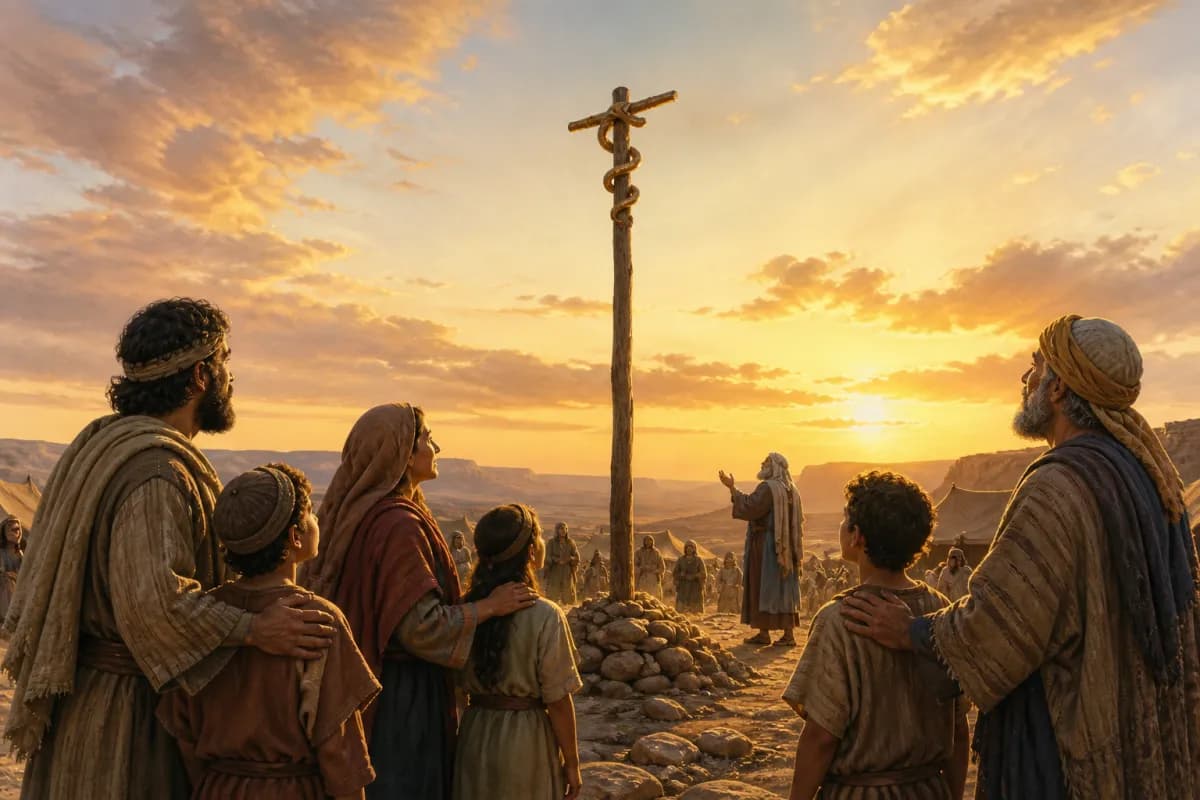
Numbers 21:4–9 records Israel’s weary complaint, the judgment of venomous serpents, and God’s surprising provision of a bronze serpent. Those who look at the sign God appoints live. Jesus Himself uses this event to explain His being lifted up for the world’s salvation: rescue is received by trusting the crucified Son, not by denying sin or curing ourselves.

Study this passage →
Numbers 21:10–21:20

264 of 876 · Passage study

The Journey to Moab: Water, Song, and God’s Steady Leading

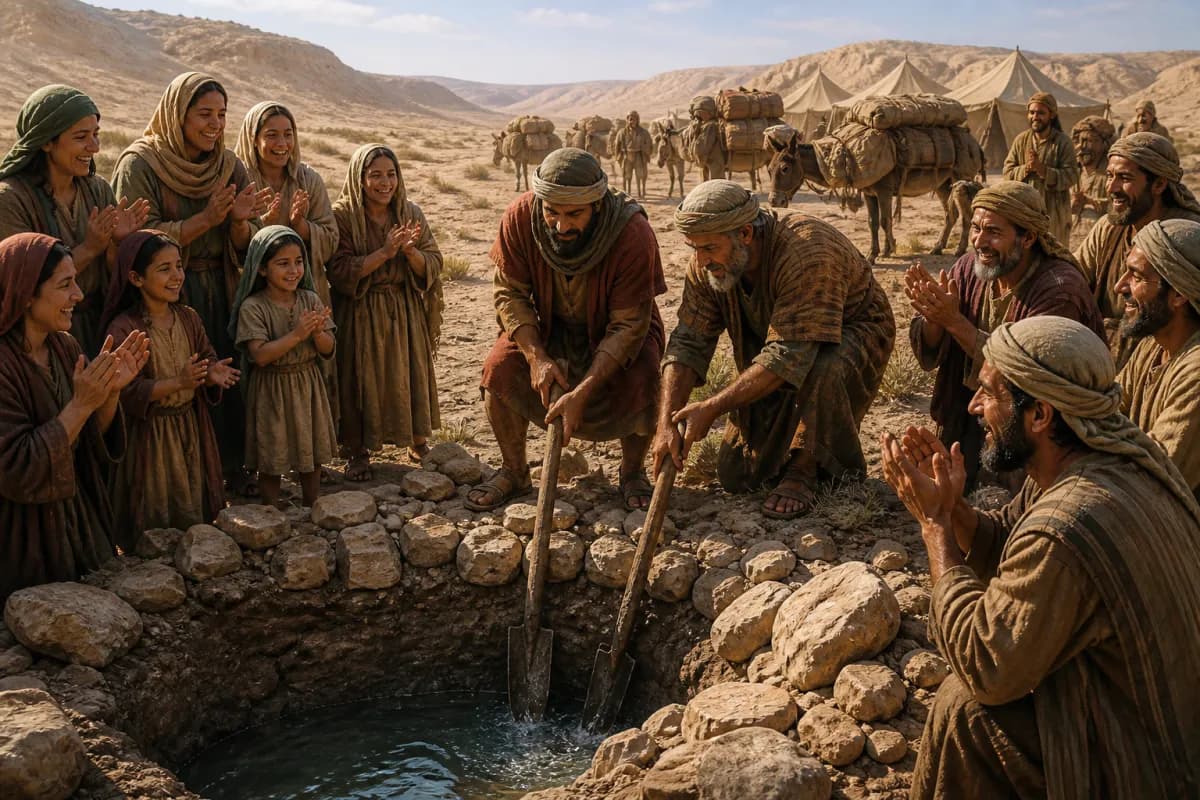
Numbers 21:10–20 traces Israel’s stages toward Moab, pauses at a well where the people sing, and remembers the Lord’s care through difficult terrain. The short itinerary teaches that God’s faithfulness is present in ordinary movement, water, and rest. Jesus is the Shepherd who leads His people through the wilderness of this age toward God’s promised rest.

Study this passage →
Keep scrolling for the next passage.