Truth-Scrolling

Numbers 21:21–21:35

265 of 876 · Passage study

Sihon and Og: The Lord Gives Israel a Foothold

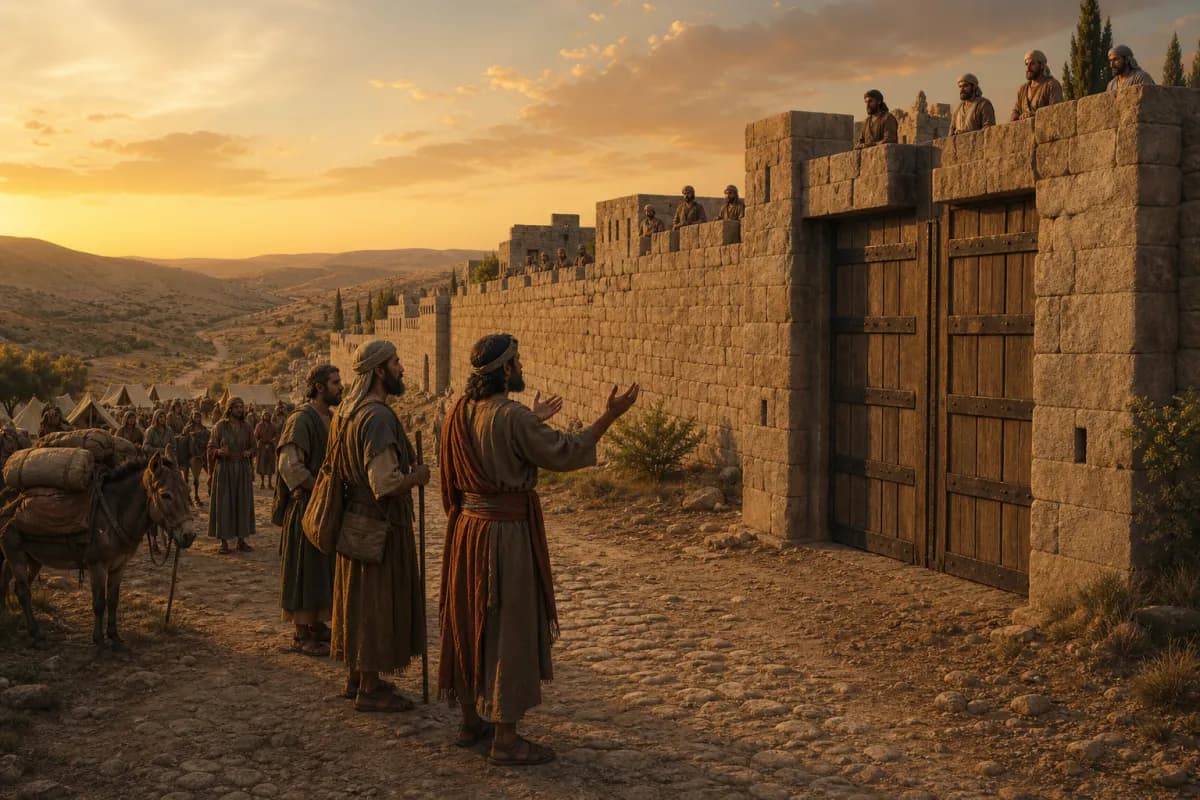
Numbers 21:21–35 recounts Israel’s request to pass through Amorite land, Sihon’s attack, and victories over Sihon and Og. The passage presents Israel’s first significant possession east of the Jordan as God’s gift and judgment, not as self-authorized expansion. Jesus establishes a kingdom by His obedient victory over sin and death, forming a people who trust His reign rather than seize security by force.
Study this passage →
Numbers 22:1–22:21

266 of 876 · Passage study

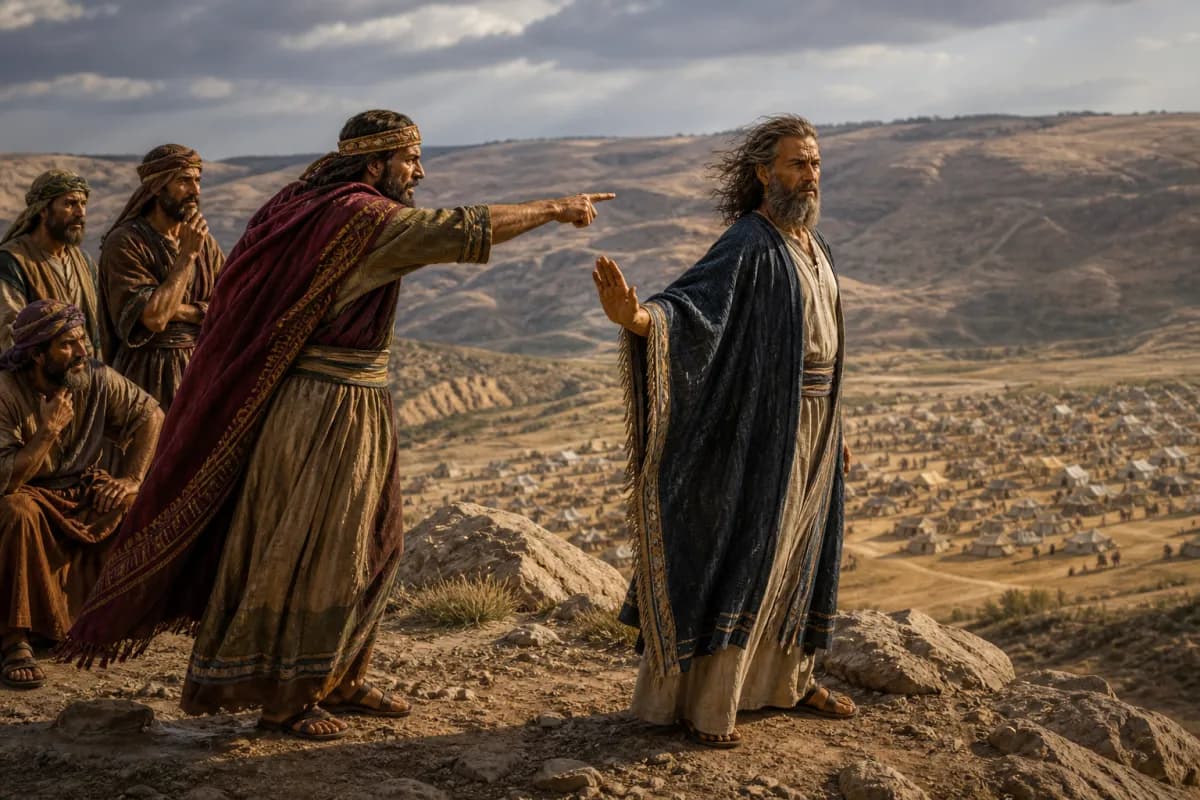
Balak and Balaam: A Curse That Cannot Overrule God’s Blessing

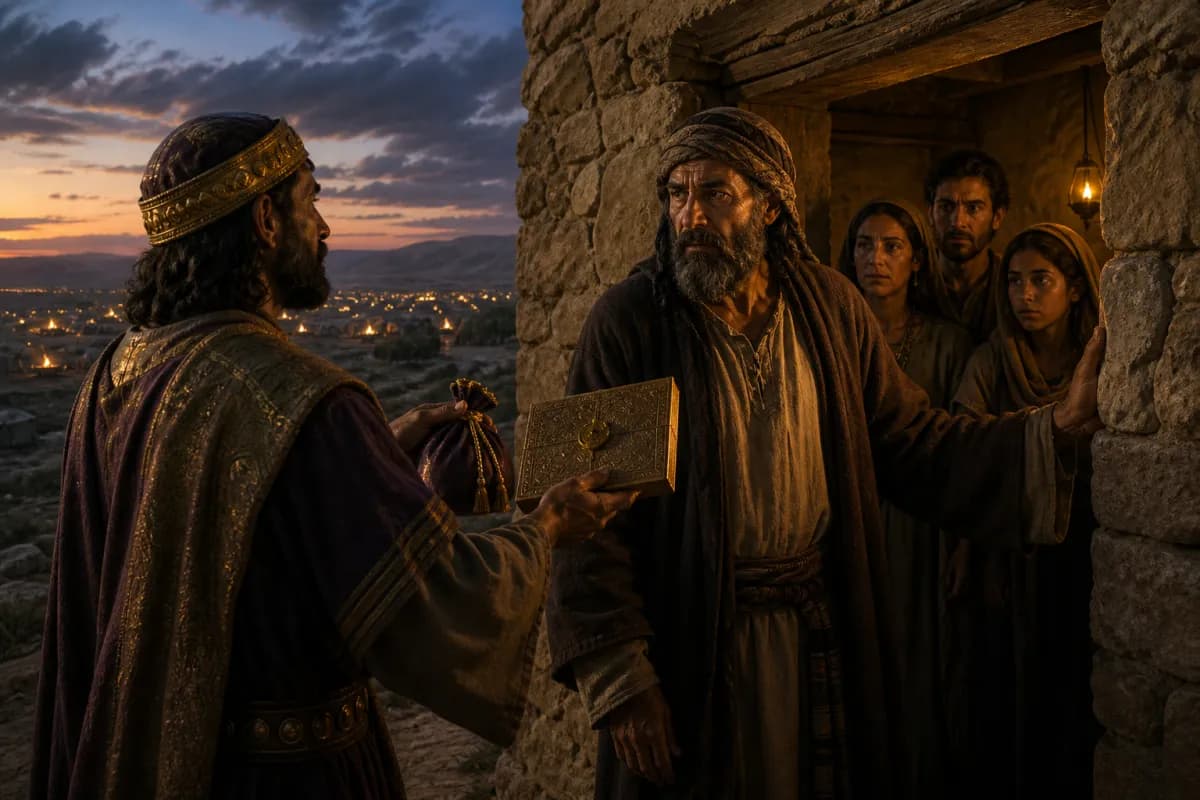
Numbers 22:1–21 introduces Balak’s fear as Israel camps in the plains of Moab and his attempt to purchase a curse through Balaam. The Lord refuses to let Israel be cursed because He has blessed them, while Balaam’s divided desire begins to show. Jesus secures God’s blessing for His people by His grace and exposes every attempt to turn spiritual power into a tool of fear, profit, or control.

Study this passage →
Numbers 22:22–22:35

267 of 876 · Passage study

Balaam’s Donkey: When God Opposes a Crooked Way

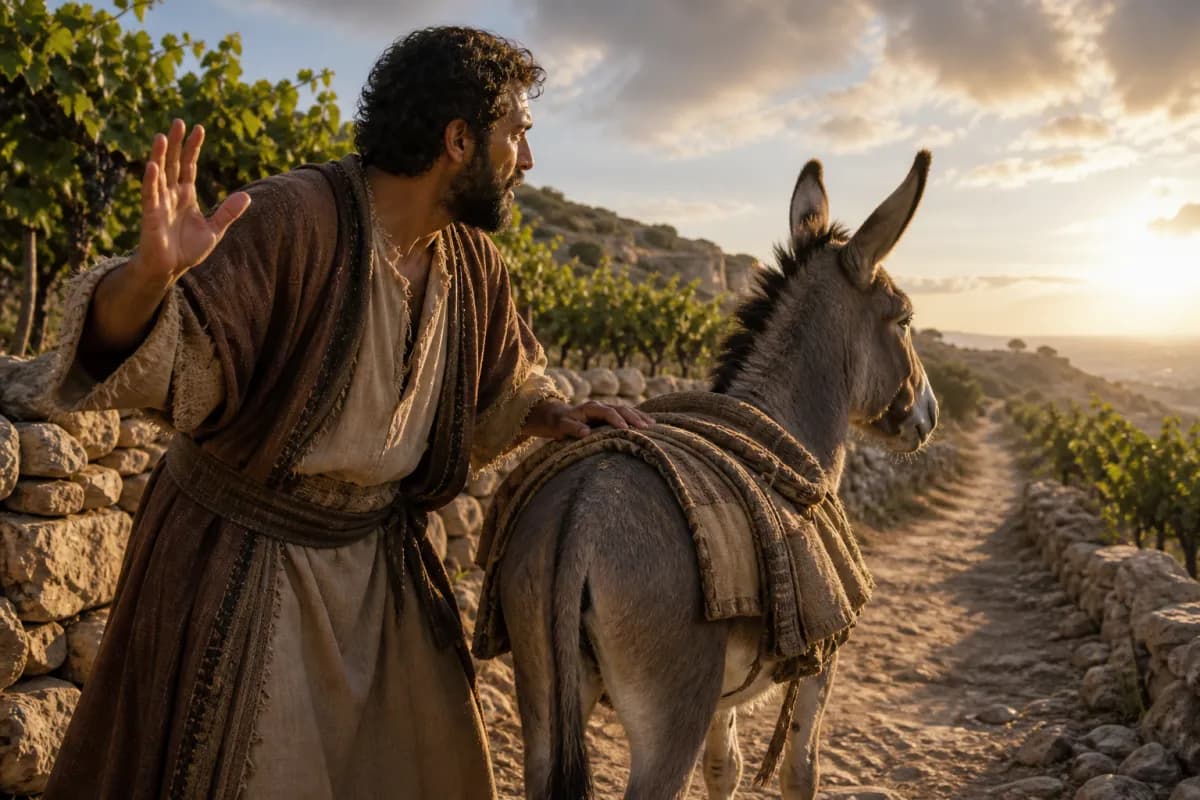
Numbers 22:22–40 slows Balaam’s journey as his donkey sees the Lord’s angel while the renowned seer remains blind. Balaam beats the animal until God opens the donkey’s mouth and then Balaam’s eyes. The scene is humorous, severe, and merciful: God exposes a prophet whose path is crooked and binds him again to speak only the divine word. Jesus opens blind eyes and calls His servants away from greed toward truthful witness.

Study this passage →
Numbers 22:36–22:41

268 of 876 · Passage study

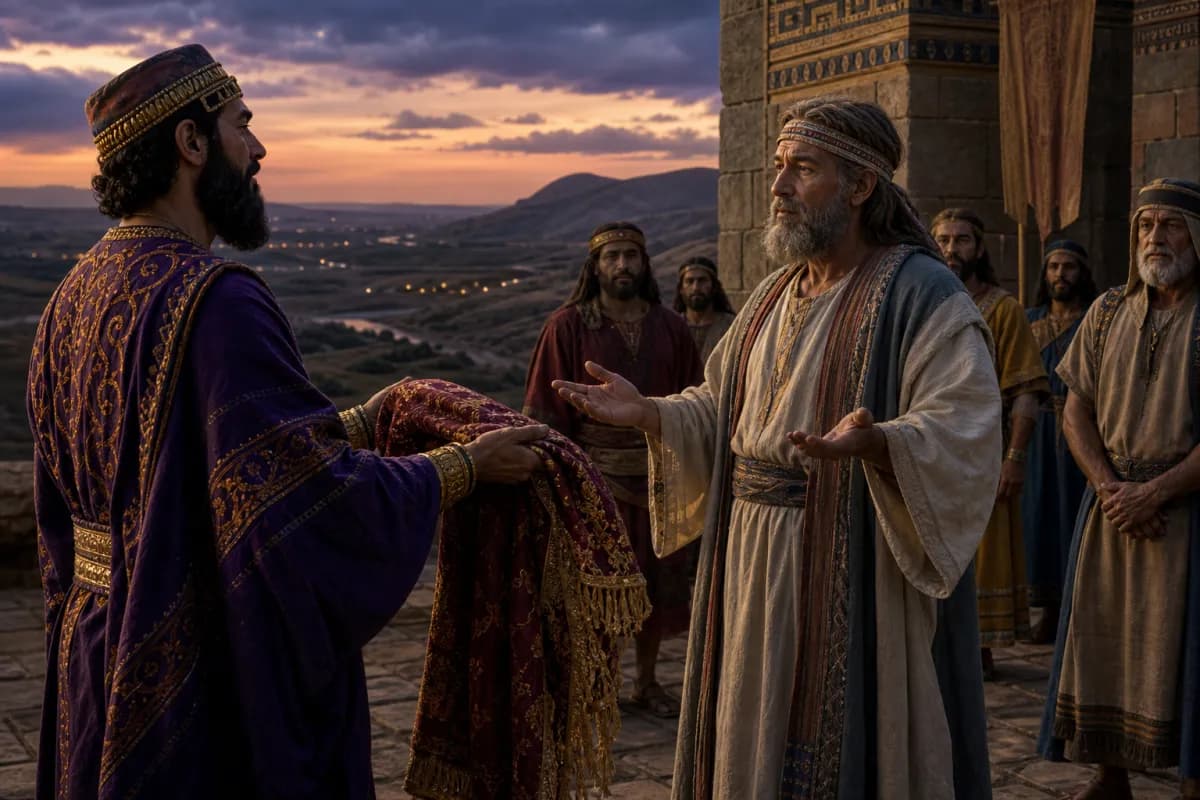
Balak Meets Balaam: Honor Cannot Purchase God’s Word

Numbers 22:36–40 brings Balaam to Moab’s border, where Balak immediately presses him with the promise of honor and hospitality. Balaam answers that he can speak only what God puts in his mouth. The scene exposes the collision between political fear, religious bargaining, and the Lord’s unpurchasable word. Jesus fulfills the faithful obedience Balaam only voices: He speaks the Father’s word without selling His mission for status or safety.

Study this passage →
Numbers 23:1–23:12

269 of 876 · Passage study

Balaam’s First Oracle: Whom God Blesses Cannot Be Cursed

Numbers 23:1–12 shows Balak arranging seven altars and waiting for the curse he has paid for, while Balaam returns with a blessing he did not invent. The Lord’s covenant purpose over Israel cannot be overturned by ritual, fear, or hostile speech. In Jesus, that blessing reaches its goal as God brings people from every nation into the family promised to Abraham.

Study this passage →
Numbers 23:13–23:26

270 of 876 · Passage study

Balaam’s Second Oracle: God Does Not Reverse His Blessing

Numbers 23:13–26 follows Balak to a new lookout point, where he hopes a different view will produce a different word. Balaam’s second oracle declares that God is not a human being who lies or changes course, and that no divination can overturn the blessing He has given Israel. Jesus makes God’s faithfulness visible in history: every promise of God finds its yes in Him, and His saving mission cannot be undone by human schemes.

Study this passage →
Numbers 23:27–23:30

271 of 876 · Passage study

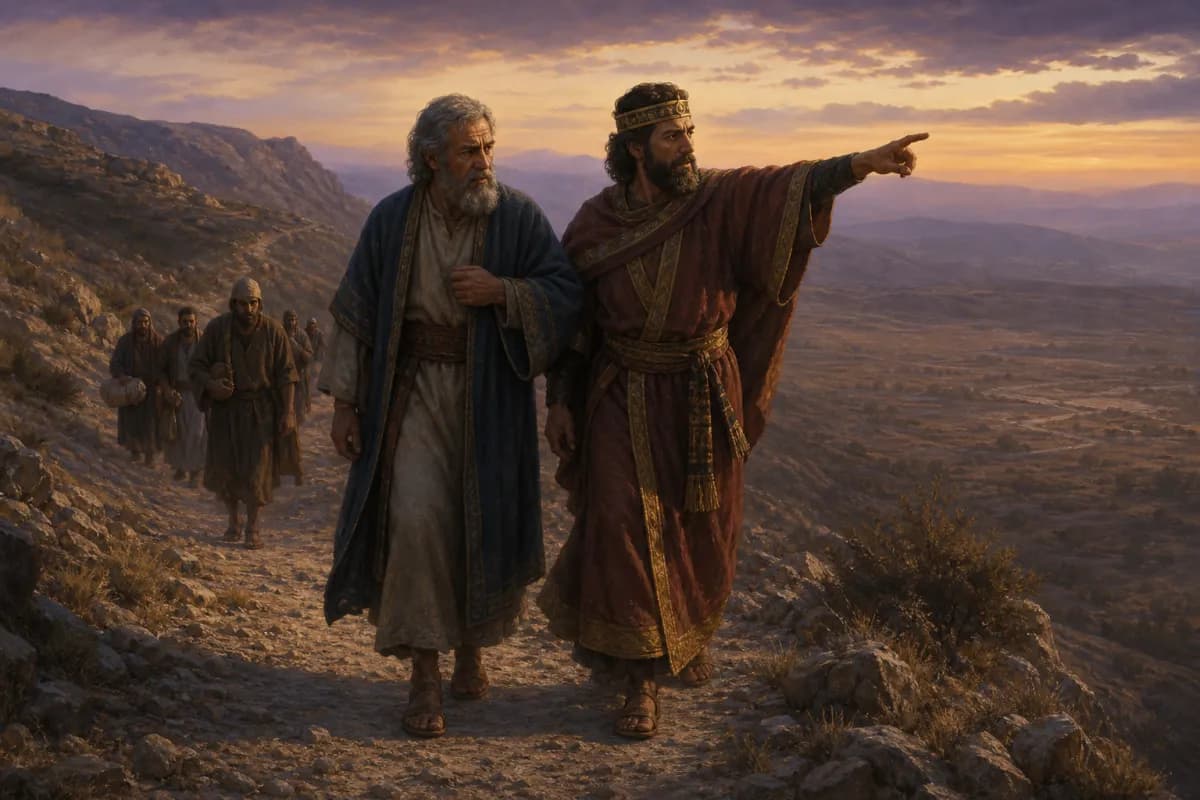
A Third High Place: When Manipulation Keeps Moving

Numbers 23:27–30 records Balak’s final attempt to move Balaam to another mountain in hope that God may permit a curse from there. The brief passage offers no new oracle yet; it exposes the persistence of a king who keeps changing the setting instead of accepting the Lord’s word. Jesus calls His followers to repent of manipulation and to receive God’s will with the trust of children rather than trying to engineer a favorable verdict.

Study this passage →
Numbers 24:1–24:9

272 of 876 · Passage study

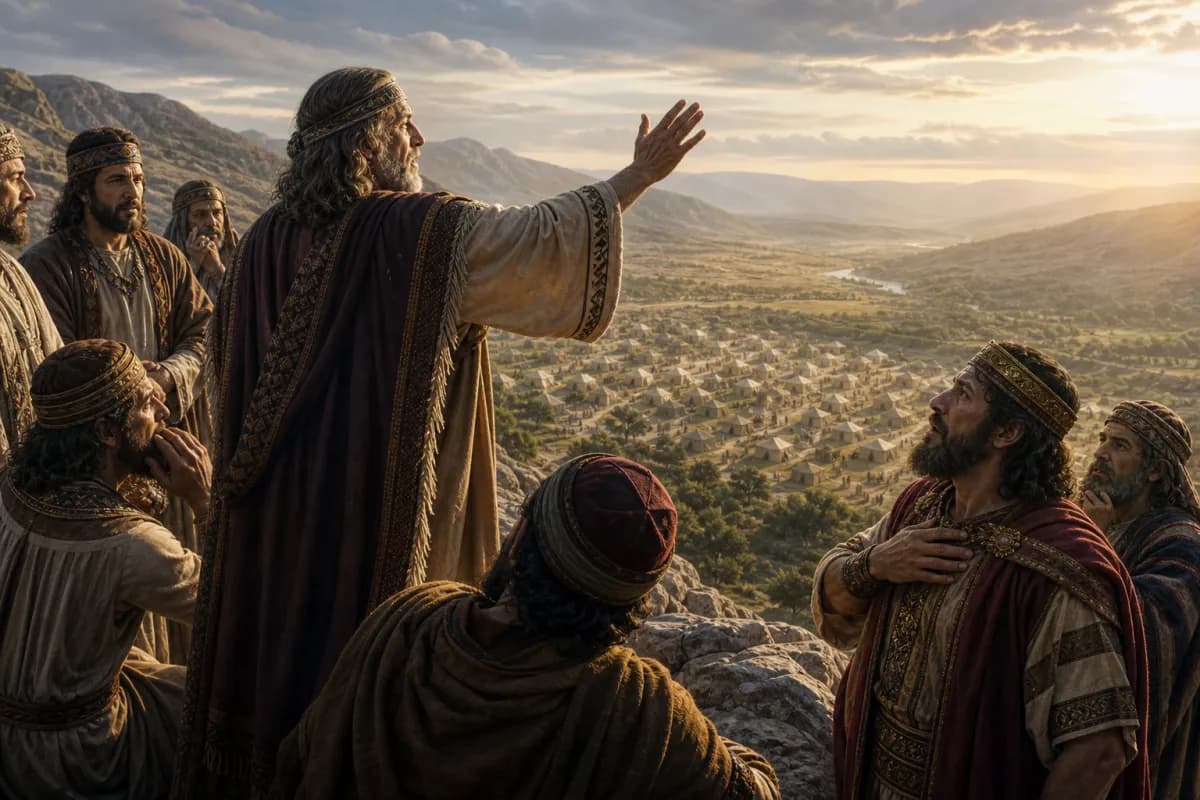
Balaam’s Third Oracle: The Beauty of a People God Blesses

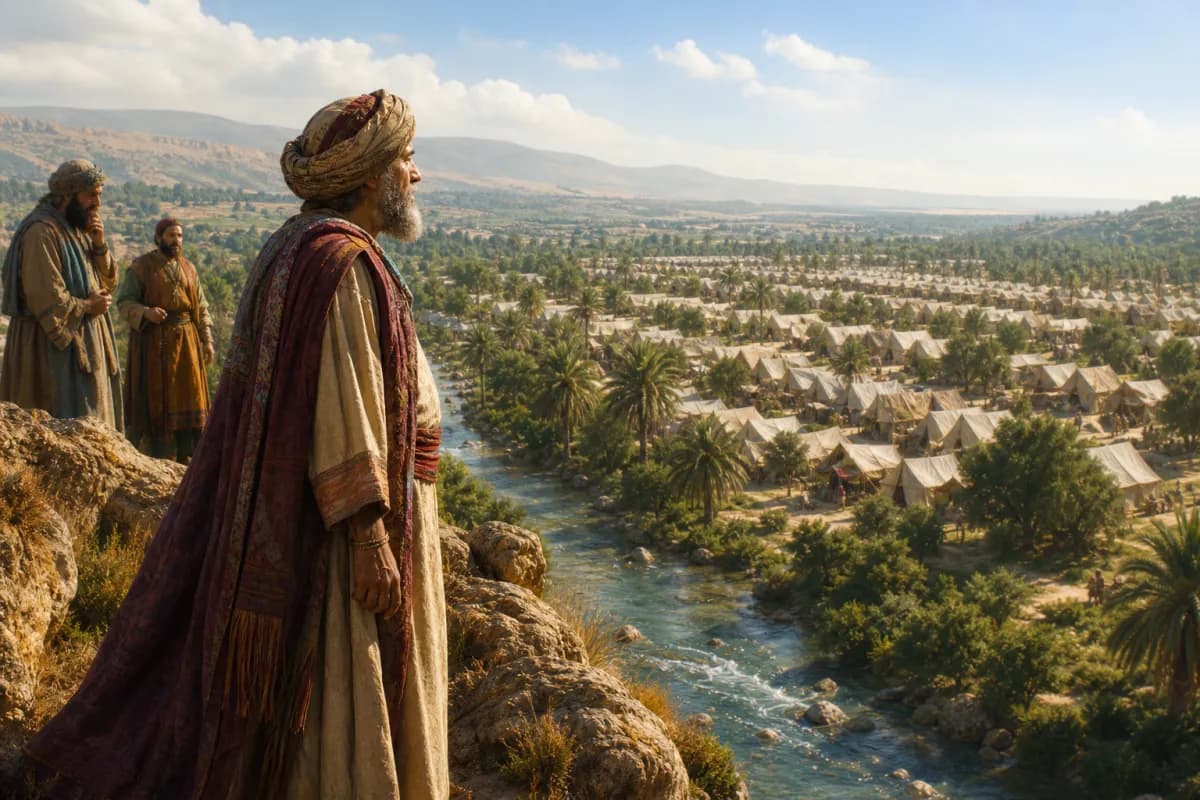
Numbers 24:1–9 records Balaam abandoning further divination and receiving the Spirit-given vision of Israel’s ordered camp. He sees tents like gardens and waters like overflowing streams, then repeats the promise that those who bless Abraham’s family will be blessed. The oracle celebrates God’s gift of life and fruitfulness while directing the Bible’s larger hope toward Jesus, the promised King who gathers a people under God’s blessing for the good of the nations.

Study this passage →
Numbers 24:10–24:25

273 of 876 · Passage study

Balaam’s Final Oracles: The Star and the Scepter

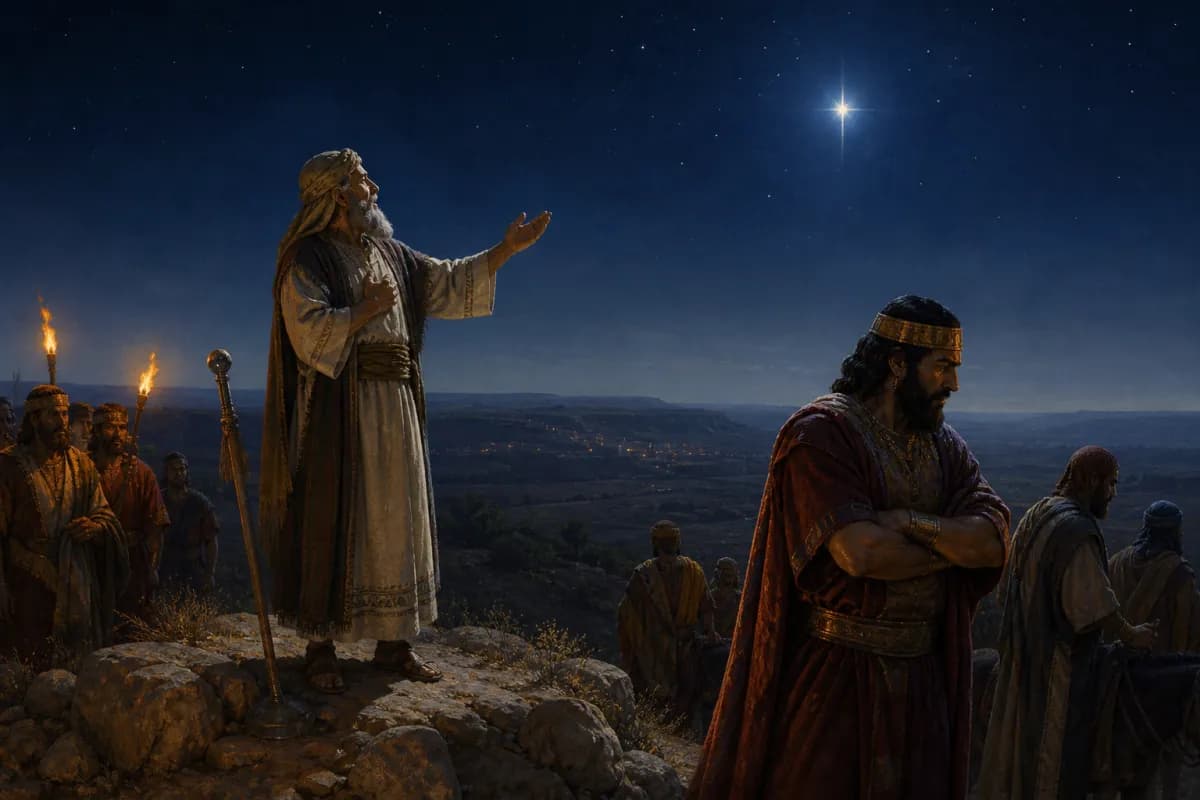
Numbers 24:10–25 ends Balaam’s encounter with Balak by announcing that Israel’s God will raise a ruler from Jacob and bring down hostile powers. The oracle reaches beyond Balak’s immediate fear without giving a timetable for every name it mentions. Jesus is the promised royal descendant who reigns through His saving death and resurrection and will finally judge evil.

Study this passage →
Numbers 25:1–25:18

274 of 876 · Passage study

Baal of Peor: Covenant Zeal and Mercy in a Ruined Camp

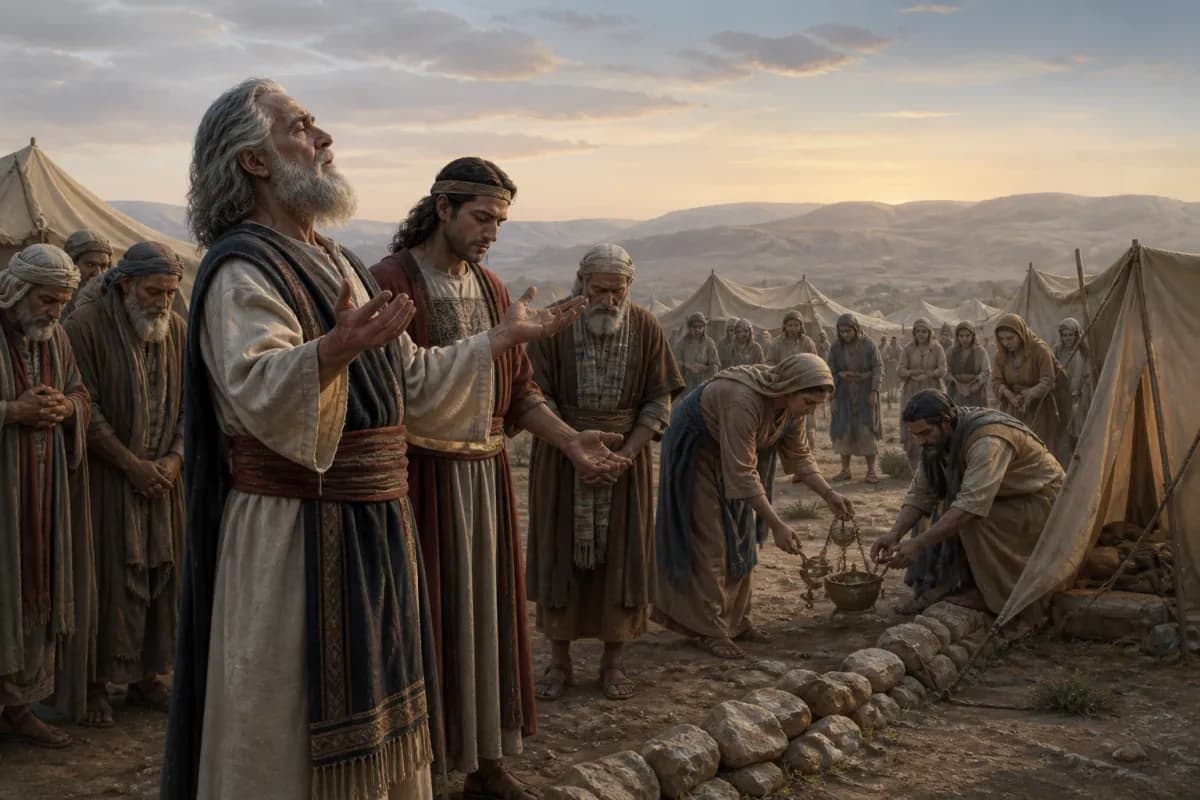
Numbers 25:1–18 shows Israel joining Moabite worship at Peor and suffering a plague until Phinehas acts decisively against a public act of rebellion. The passage treats idolatry as covenant betrayal that destroys a people from within. Jesus alone bears God’s judgment for sinners and creates a holy people whose zeal is shaped by His self-giving love, truth, and mission.

Study this passage →
Numbers 26:1–26:65

275 of 876 · Passage study

The Second Census: A Preserved People at the Threshold

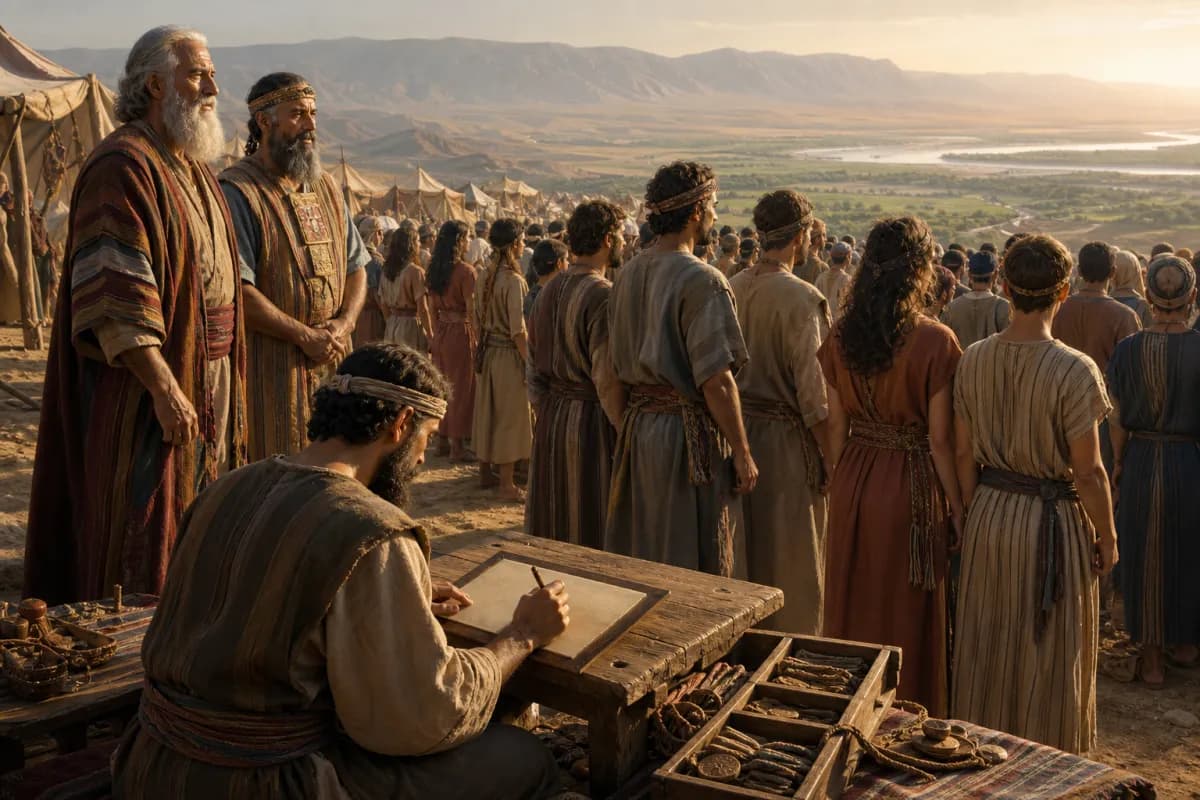
Numbers 26:1–65 counts Israel’s new generation after the plague at Peor. The first wilderness generation has passed away as the Lord said, yet His promise has not failed: their children stand ready to receive the land. Jesus shepherds His people through judgment and death into the inheritance He has secured, making God’s faithfulness stronger than a generation’s unbelief.

Study this passage →
Numbers 27:1–27:11

276 of 876 · Passage study

The Daughters of Zelophehad: Justice for a Father’s Name

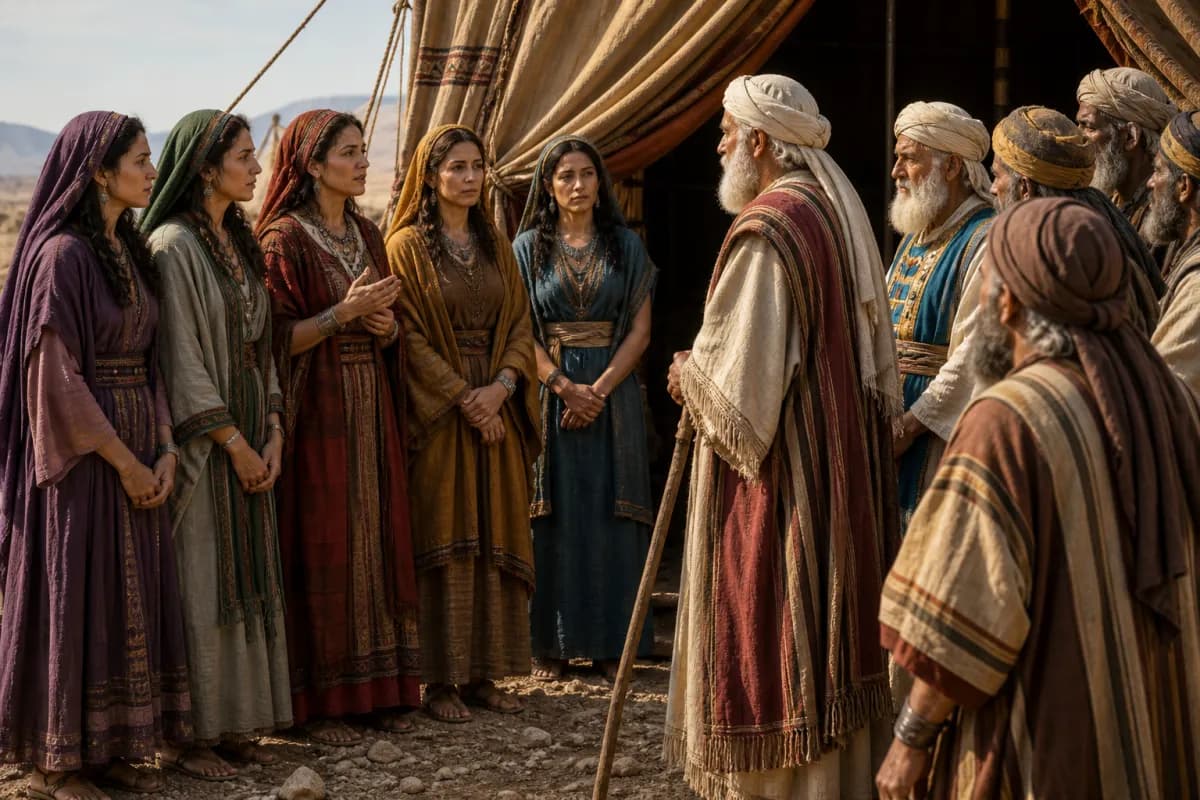
Numbers 27:1–11 brings Mahlah, Noah, Hoglah, Milcah, and Tirzah before Moses to ask why their father’s name should disappear because he had no son. The Lord calls their claim right and establishes an inheritance provision that protects families within the promised land. Jesus welcomes those who seem overlooked and gives His people an enduring inheritance as sons and daughters of God.

Study this passage →
Keep scrolling for the next passage.