Truth-Scrolling

Numbers 27:12–27:23

277 of 876 · Passage study

Joshua Commissioned: Leadership Under God’s Hand

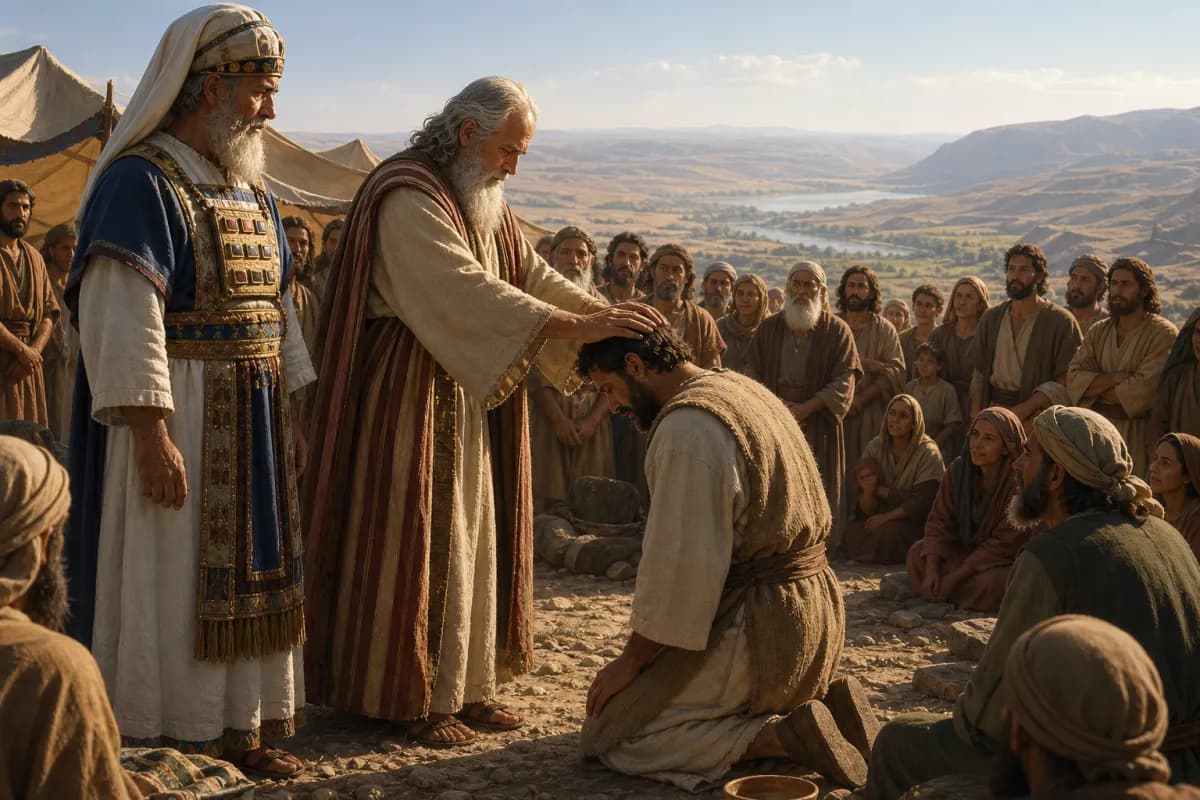
Numbers 27:12–23 prepares Israel for Moses’ death and commissions Joshua, a man in whom is the Spirit, before the whole congregation. Moses will see the land but not enter because he failed to uphold God’s holiness at Meribah. Jesus is greater than Moses and Joshua: the sinless Shepherd who leads His people through death into God’s promised rest and equips them for His mission.
Study this passage →
Numbers 28:1–28:15

278 of 876 · Passage study

Daily and Monthly Offerings: Worship That Keeps Time with Grace

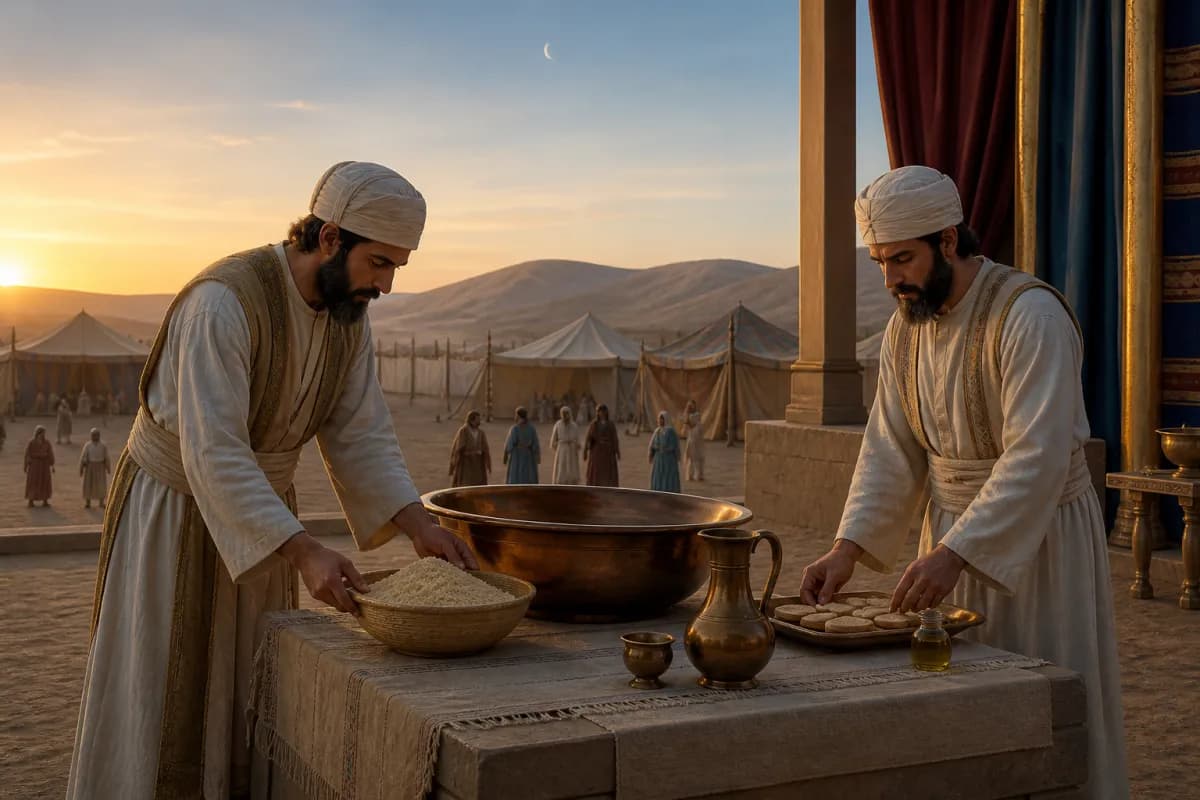
Numbers 28:1–15 orders Israel’s daily, Sabbath, and monthly offerings as the people prepare to enter the land. The repeated sacrifices teach that life before the holy God depends on His appointed mercy, not on occasional religious intensity. Jesus fulfills what these offerings could only portray by giving Himself once for sinners and bringing them near to God for a life of grateful worship and mission.

Study this passage →
Numbers 28:16–28:31

279 of 876 · Passage study

Passover and Weeks: A Calendar of Rescue and Firstfruits

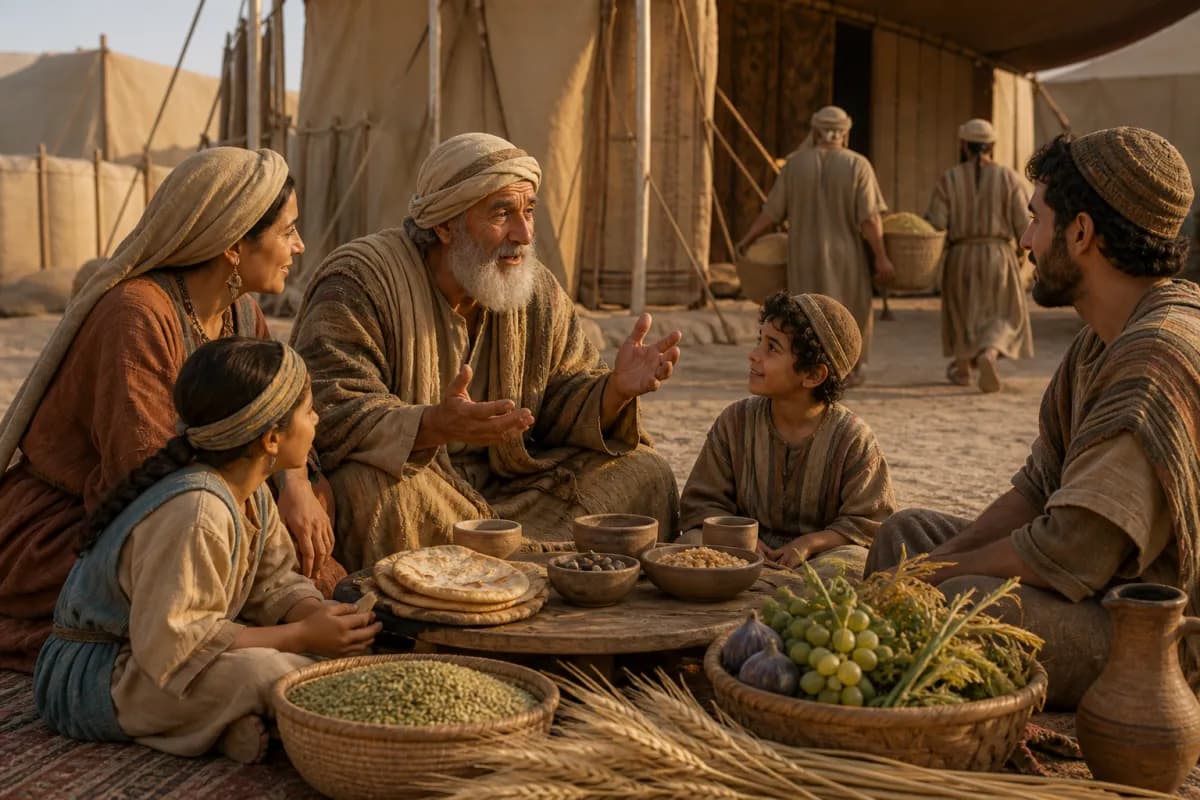
Numbers 28:16–31 gives Passover, the seven-day Festival of Unleavened Bread, and the Festival of Weeks their appointed offerings. Israel is taught to remember its rescue from Egypt and to bring the firstfruits of harvest before the Lord. Jesus gives the Passover its climactic meaning through His death and gathers a people whose whole harvest of life belongs to God.

Study this passage →
Numbers 29:1–29:6

280 of 876 · Passage study

The Trumpet Day: A People Summoned Before God

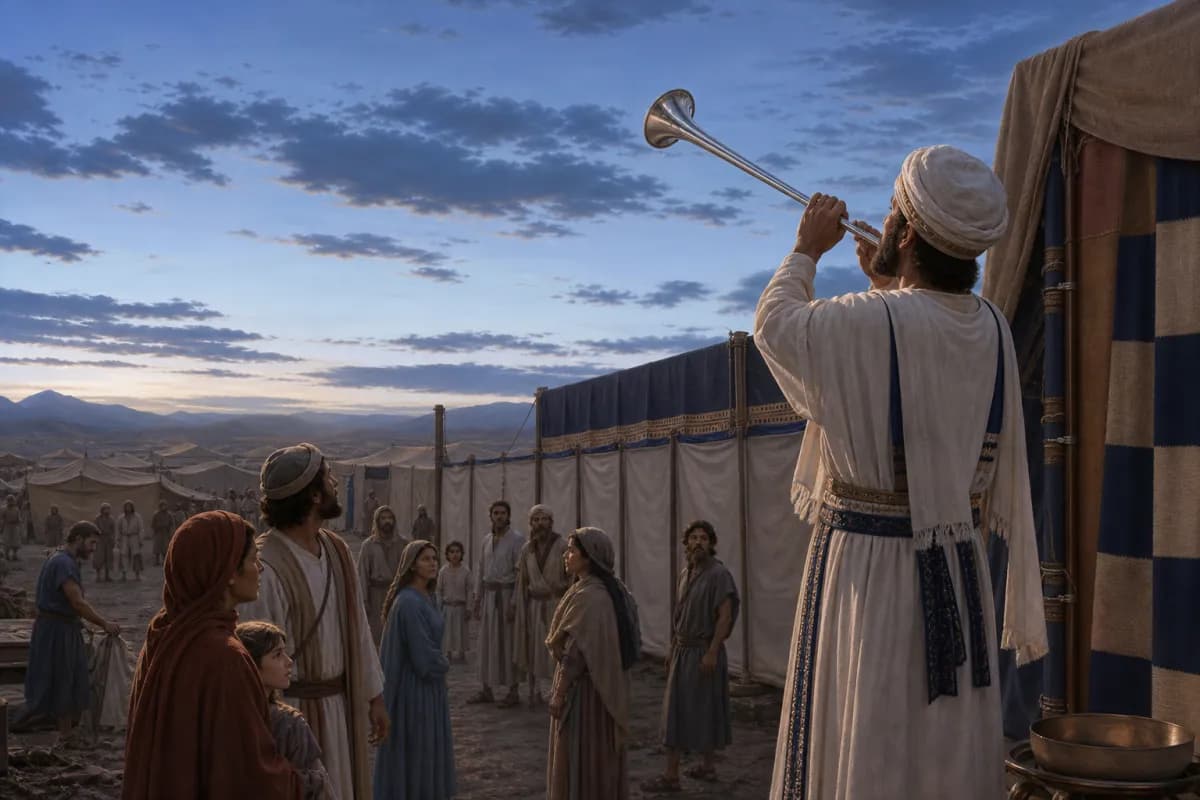
Numbers 29:1–6 sets apart the first day of the seventh month as a holy assembly marked by trumpet blasts, rest from ordinary labor, and prescribed offerings. The sound gathers Israel before the Lord at the beginning of its most solemn month. Jesus gathers His people through the gospel now and will openly summon them at His return, so His church lives awake, worshipful, and ready.

Study this passage →
Numbers 29:7–29:11

281 of 876 · Passage study

The Day of Atonement: Humility Before Holy Mercy

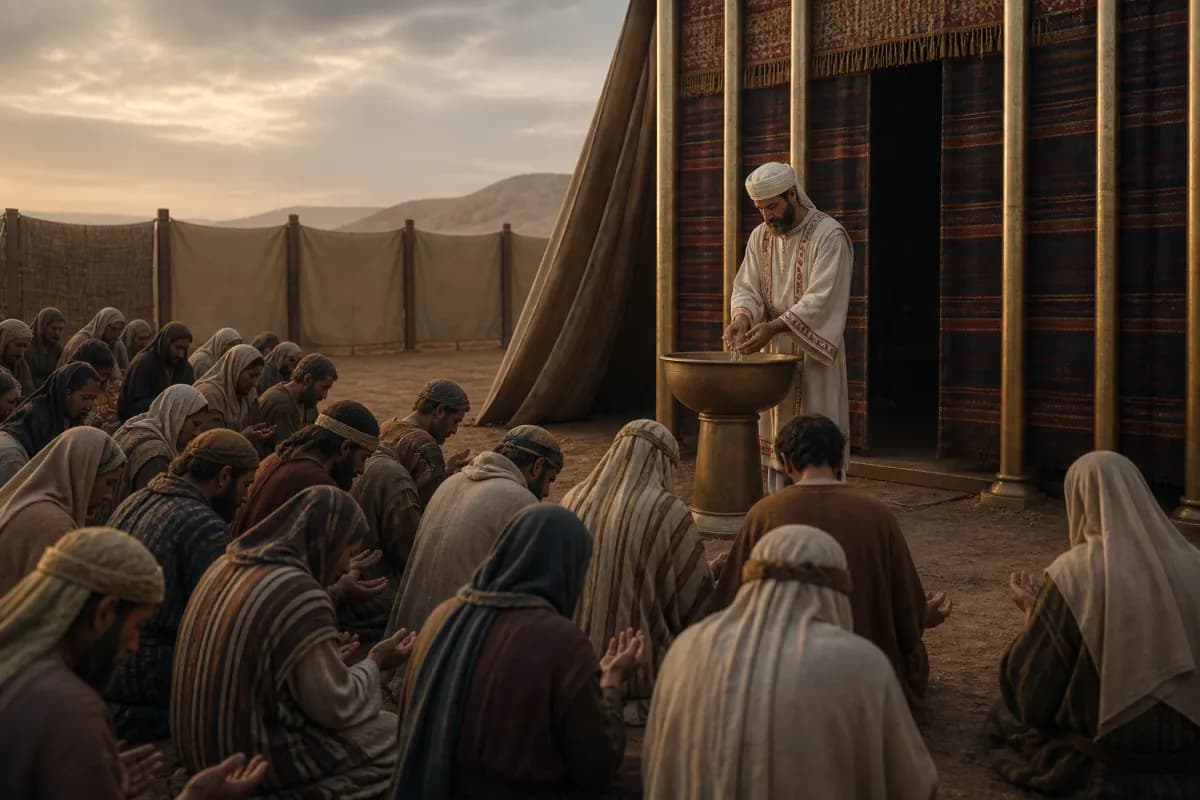
Numbers 29:7–11 commands Israel to humble itself on the Day of Atonement while the priest offers the sacrifices appointed for cleansing. The day holds grief for sin and confidence in God’s provision together. Jesus fulfills its hope by entering God’s presence through His own blood, securing forgiveness and calling His people to humble, trusting repentance.

Study this passage →
Numbers 29:12–29:40

282 of 876 · Passage study

Booths and Abundant Offerings: Joyful Dependence in the Wilderness

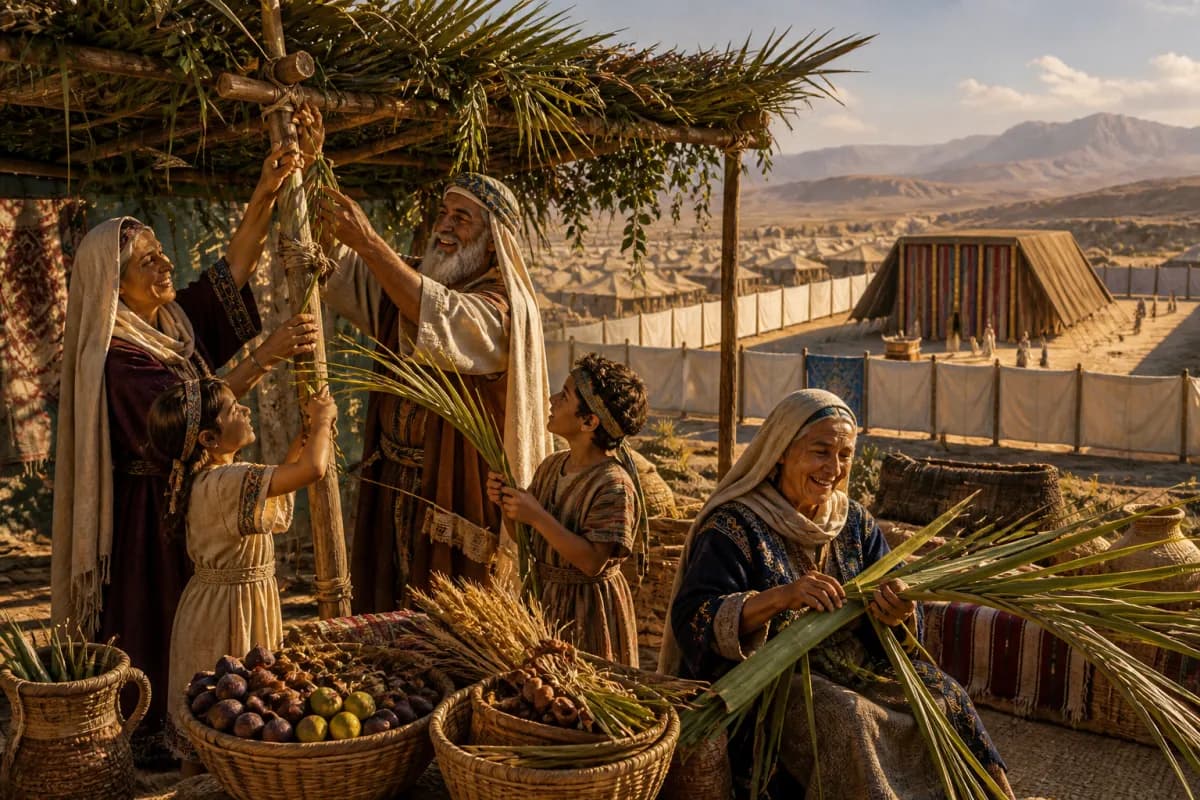
Numbers 29:12–40 details the offerings for the seven days of the Festival of Booths and the concluding eighth-day assembly. The descending number of bulls, the repeated lambs, and the final solemn gathering give Israel a full week of grateful worship after the harvest. Jesus fulfills the feast’s wilderness hope by dwelling with His people and giving the living water for which the festival’s joy longs.

Study this passage →
Numbers 30:1–30:16

283 of 876 · Passage study

Vows and Truthful Speech: Words Before the Lord

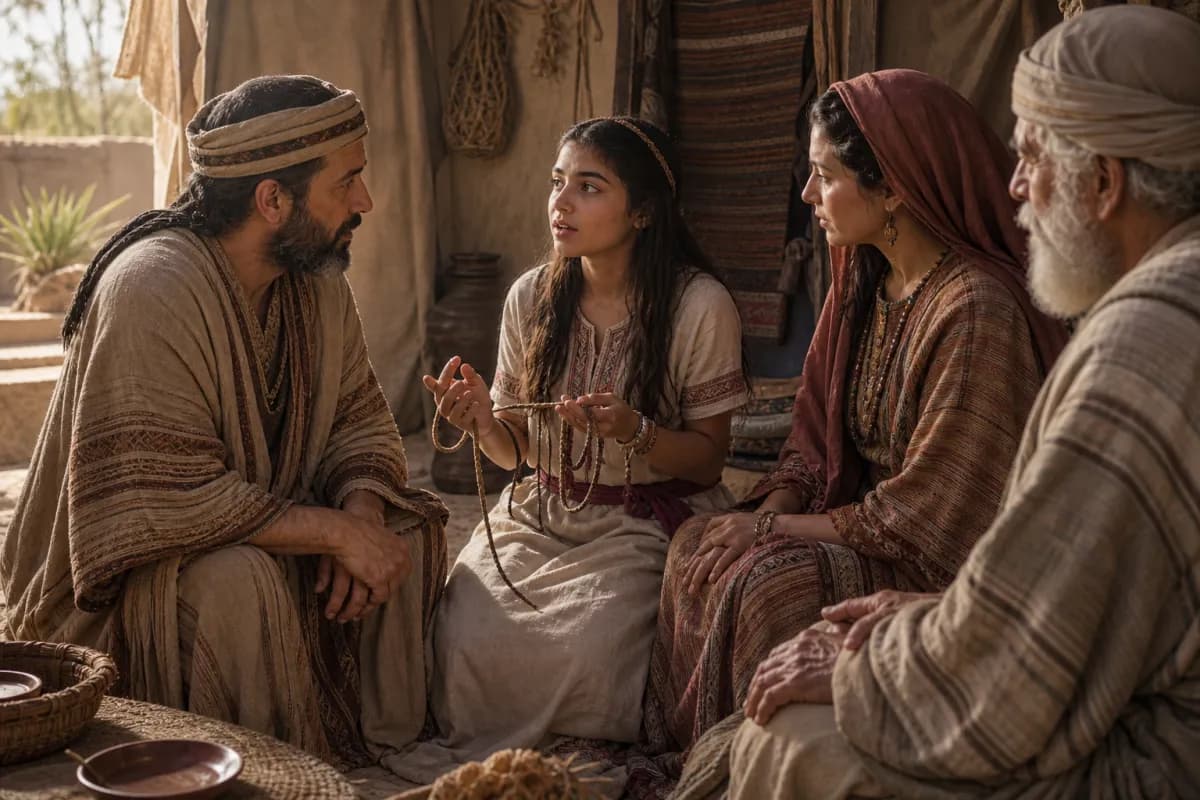
Numbers 30:1–16 treats vows as weighty speech made before the Lord and gives household procedures that protect both responsibility and vulnerable members. The passage teaches that devotion cannot be separated from truthful words and accountable relationships. Jesus is the faithful Son whose word stands, who bears the cost of our unfaithfulness, and who forms disciples marked by honest speech and covenant love.

Study this passage →
Numbers 31:1–31:24

284 of 876 · Passage study

The War Against Midian: The Lord’s Judgment and Israel’s Defilement

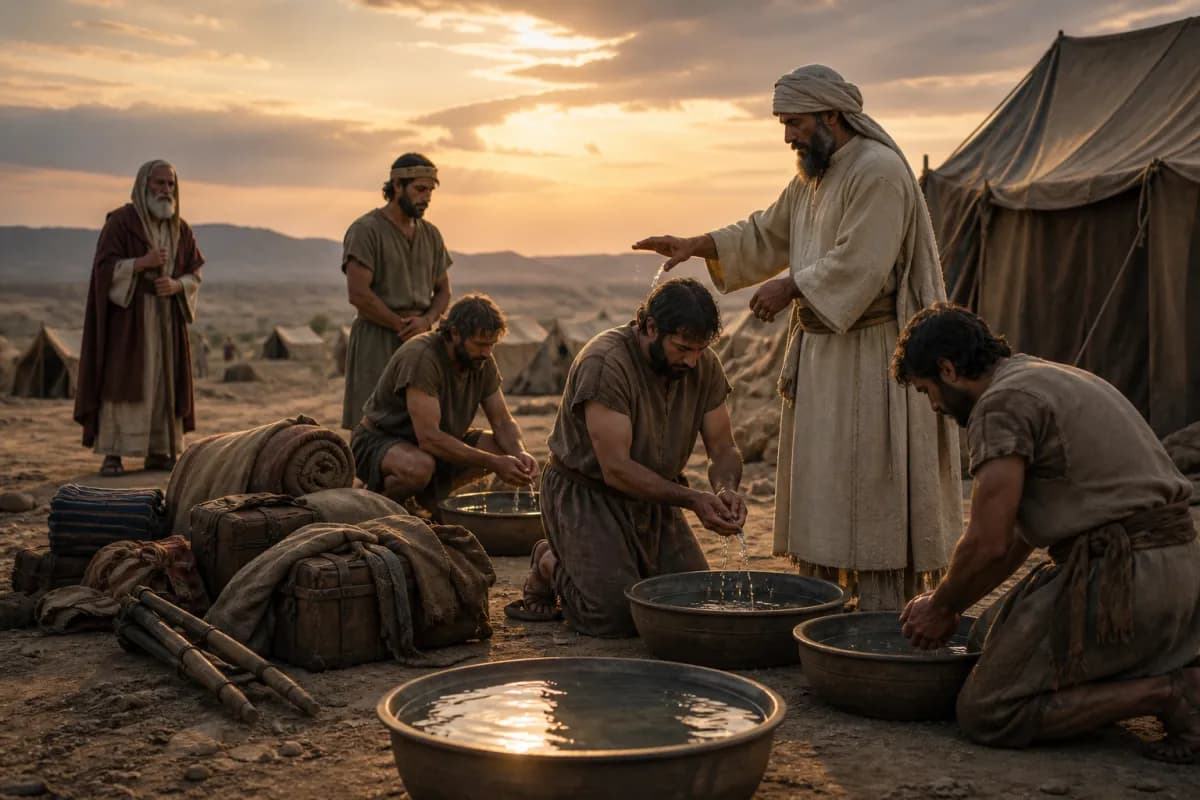
Numbers 31:1–24 records the Lord’s commanded judgment on Midian after Midian’s role in leading Israel into the idolatry of Peor. Israel fights under priestly direction, returns with captives and spoil, and then faces Moses’ rebuke and purification laws. The passage does not license private vengeance or religious violence; it exposes the seriousness of covenant corruption and directs readers to Christ, who bears judgment for sinners and will finally judge evil with perfect justice.

Study this passage →
Numbers 31:25–31:54

285 of 876 · Passage study

Spoil Counted Before the Lord: Victory, Stewardship, and Atonement

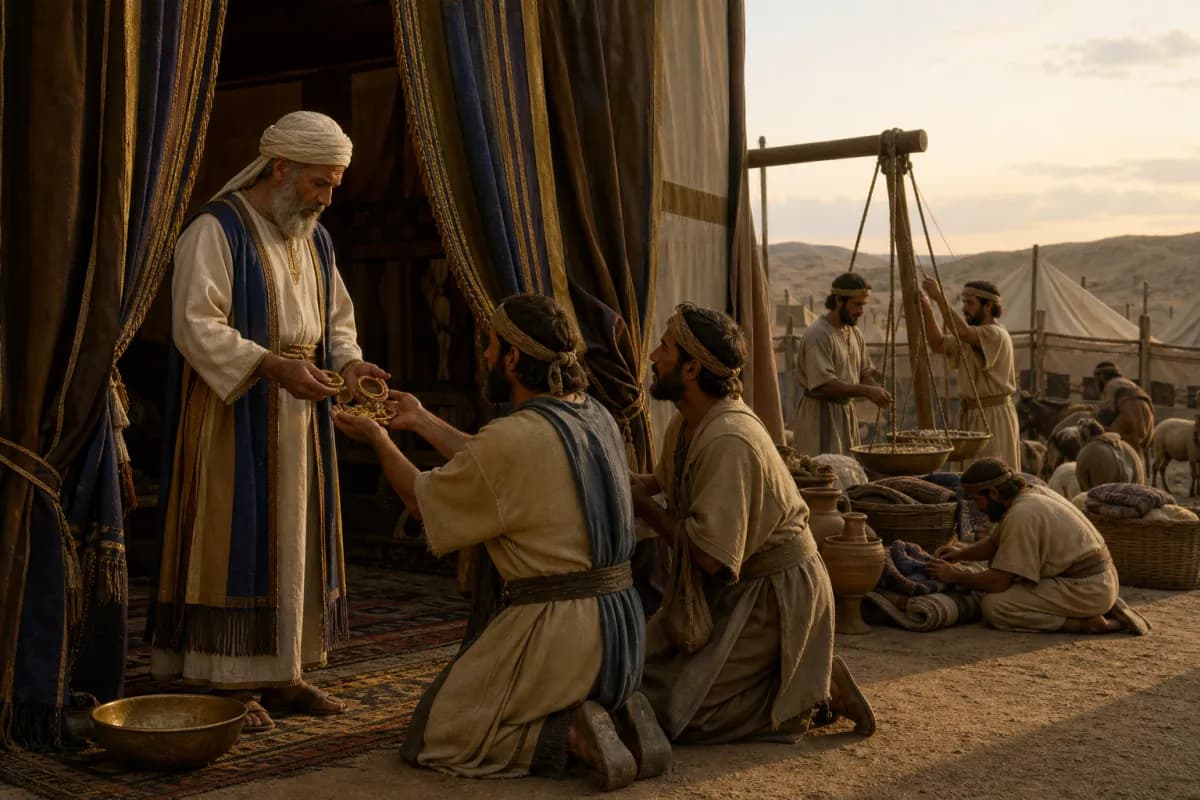
Numbers 31:25–54 counts Midian’s captured people and animals, divides them between the warriors and the congregation, assigns a levy to the Lord for priests and Levites, and ends with officers bringing gold as atonement after discovering no soldier is missing. The passage treats what follows conflict as accountable before God. In Christ, victory cannot become self-congratulation: all that believers receive is held as stewardship before the Savior who gave Himself for them.

Study this passage →
Numbers 32:1–32:42

286 of 876 · Passage study

East of the Jordan: Possession and Shared Promise

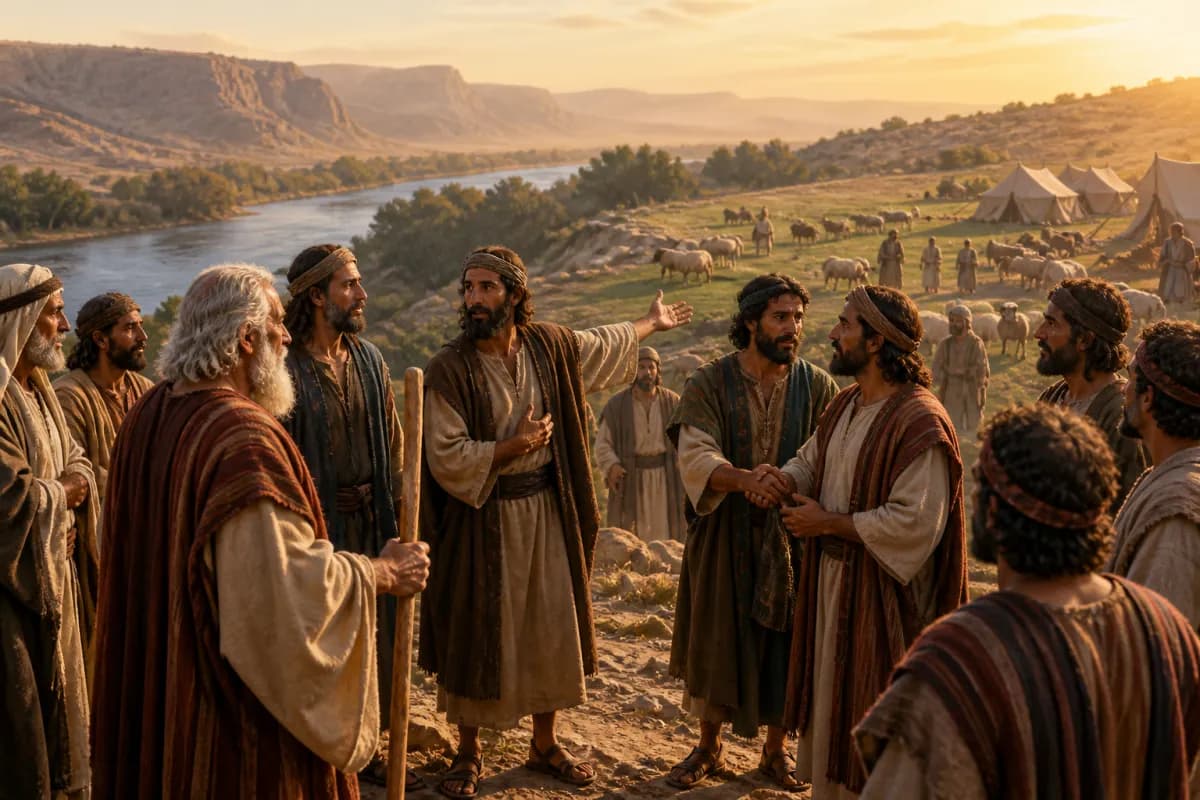
Numbers 32:1–42 tests whether Reuben and Gad will let desirable pastureland separate them from Israel’s shared mission to receive the promised land. Moses confronts their request because the memory of Kadesh makes hesitation dangerous. Their eventual pledge to fight alongside their brothers shows that inheritance must be received within covenant solidarity. Jesus gives His people a better inheritance and sends them to seek the good of others rather than settling into self-protective comfort.

Study this passage →
Numbers 33:1–33:49

287 of 876 · Passage study

The Stages of the Journey: Remembering the God Who Led Israel

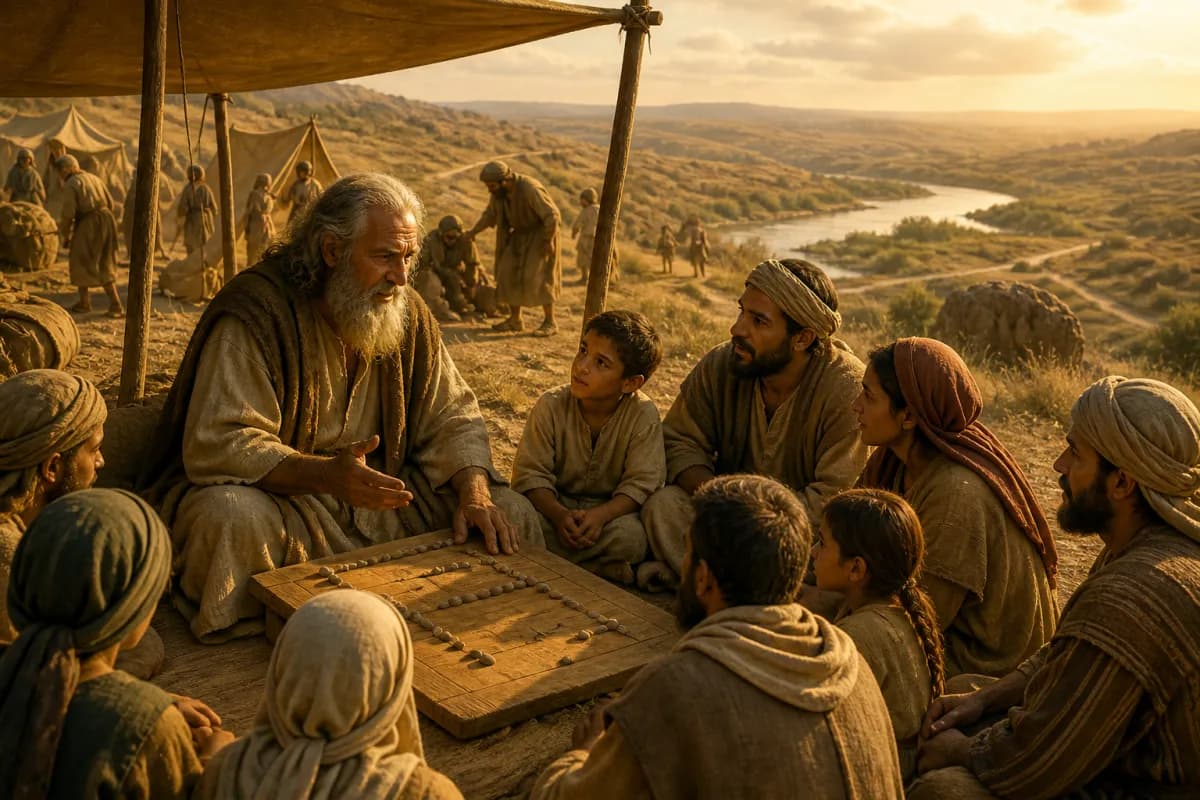
Numbers 33:1–49 records Israel’s stages from Egypt to the plains of Moab, naming each departure and encampment under Moses and Aaron’s leadership. The long list converts a generation’s wilderness life into a testimony that the Lord led His people through every movement. Jesus leads His redeemed people through their pilgrimage toward the promised new creation, making remembered grace a source of perseverance and mission.

Study this passage →
Numbers 33:50–33:56

288 of 876 · Passage study

Entering Canaan: Removing Idols and Receiving the Land

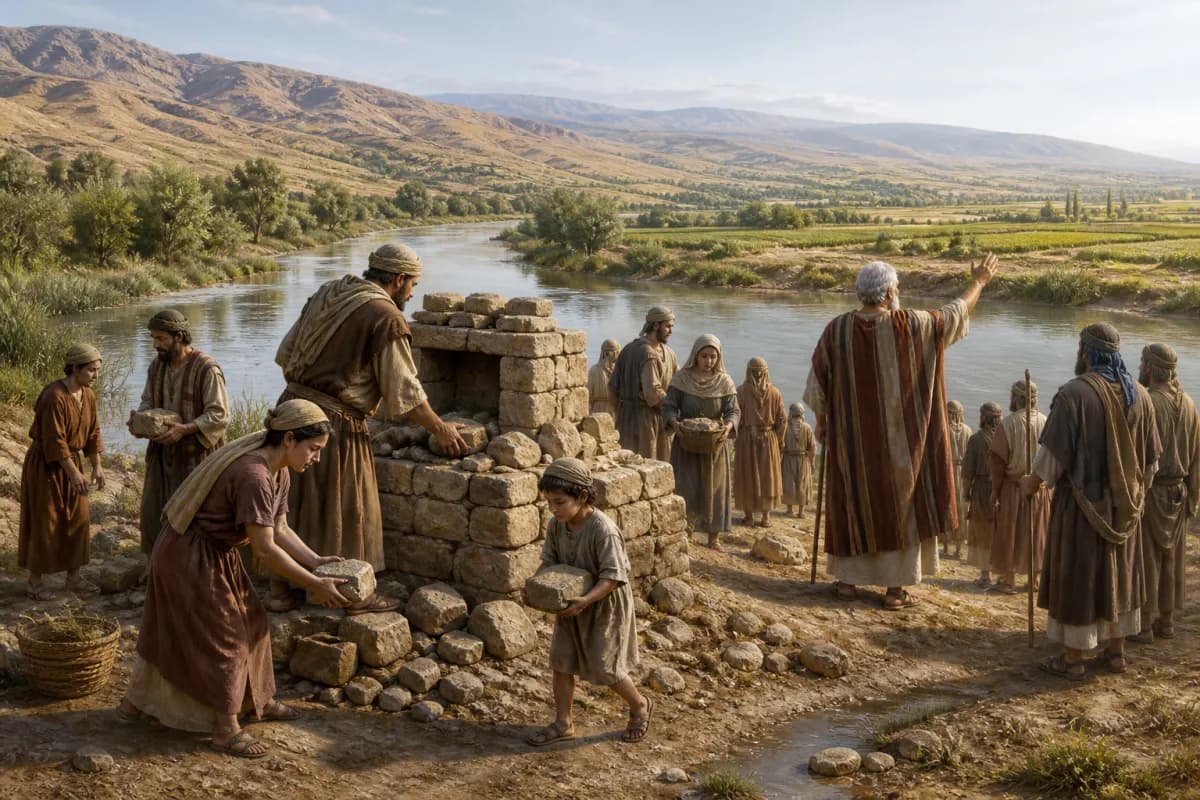
Numbers 33:50–56 commands Israel to dispossess Canaan’s inhabitants, destroy its idolatrous objects, divide the land by lot, and refuse coexistence with the practices that would become traps. The instructions are tied to Israel’s historical entrance into the promised land and cannot be transferred to the church as a mandate for coercion. In Christ, God destroys idolatry through the gospel and promises a purified new creation to a people called to holy witness among the nations.

Study this passage →
Keep scrolling for the next passage.