Truth-Scrolling

Psalms 100:1–100:5

553 of 876 · Passage study

Psalm 100: Enter His Gates with Thanksgiving

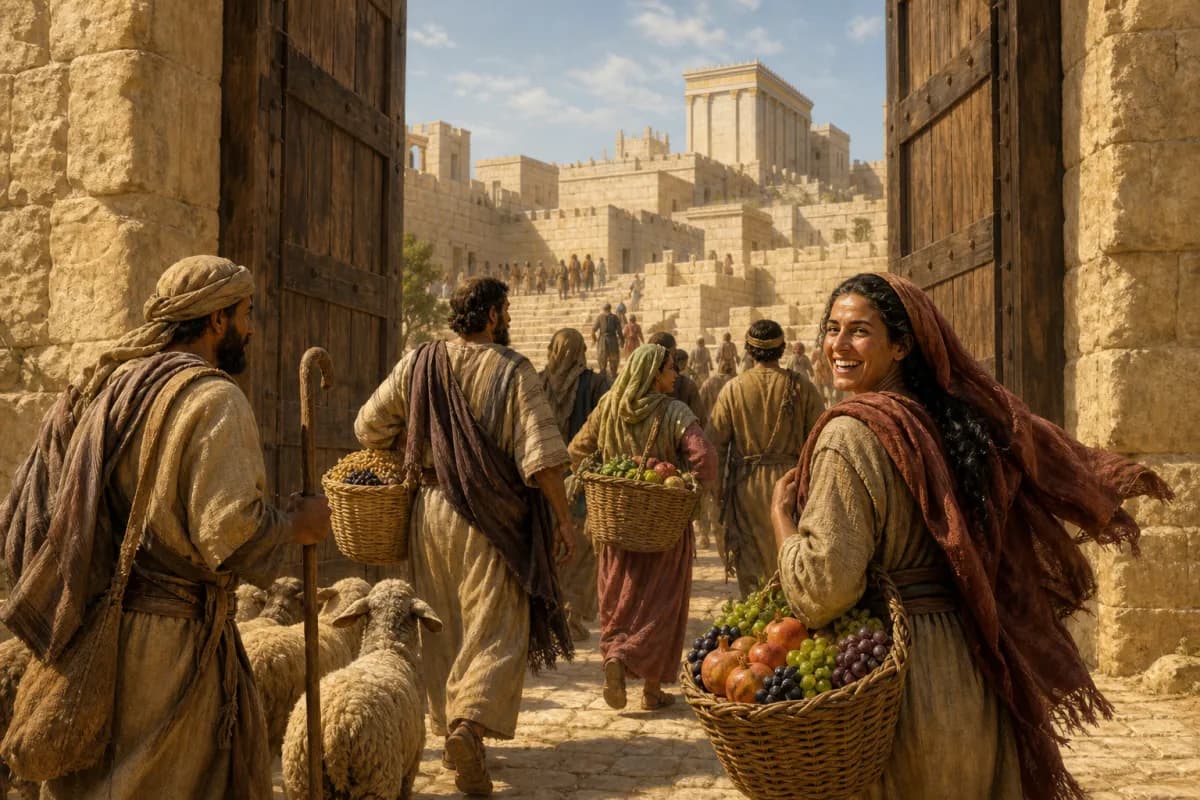
Psalm 100 summons all the earth to serve the Lord with gladness, recognize that He made us, and enter His gates with thanksgiving. The reason for this praise is God’s enduring goodness, steadfast love, and faithfulness. Jesus brings people from every nation into this grateful worship through His saving grace and shepherding care.

Study this passage →
Psalms 101:1–101:8

554 of 876 · Passage study

Psalm 101: The King’s Vow for a Blameless House

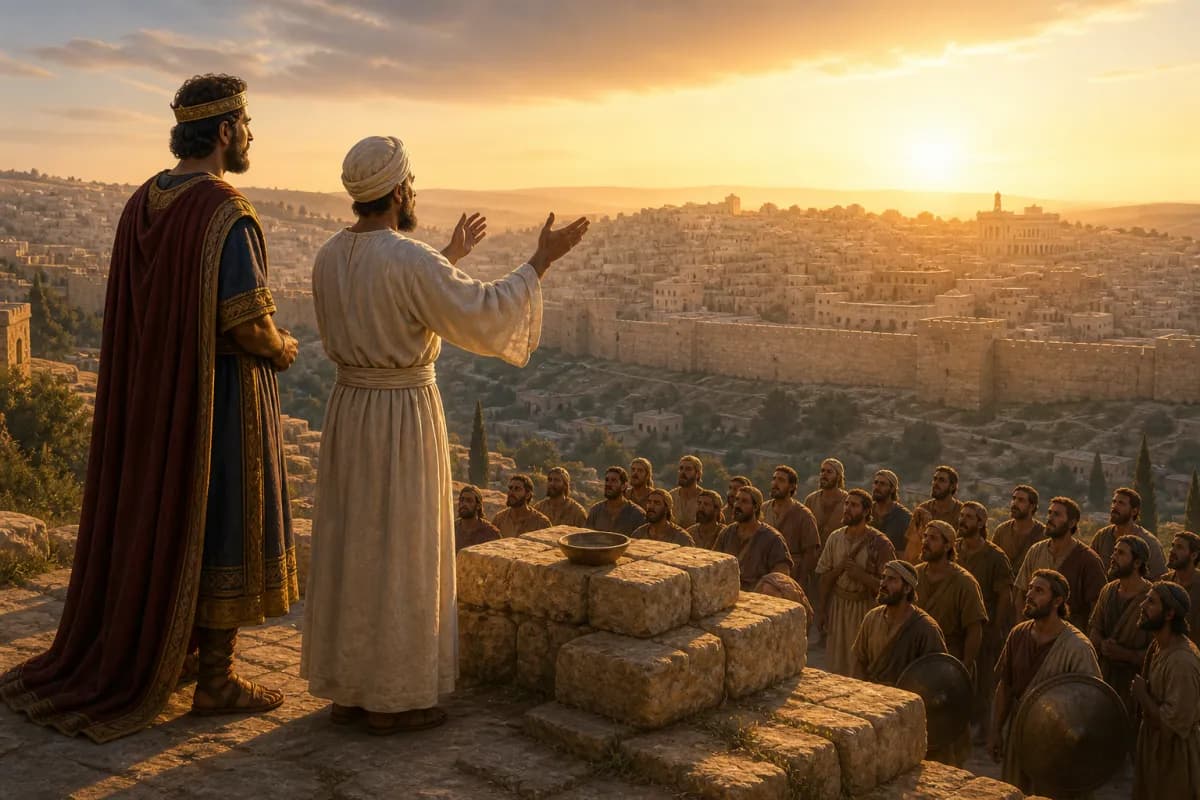
Psalm 101 is a royal vow to rule under the Lord’s steadfast love and justice. The king promises to walk with integrity in his own house, reject worthless practices, refuse slander and pride, seek faithful servants, and remove wickedness from the city of the Lord. Jesus alone fulfills this kingly integrity perfectly and forms a people marked by truth, mercy, and holy service.

Study this passage →
Psalms 102:1–102:28

555 of 876 · Passage study

Psalm 102: The Afflicted Cry and the Lord Who Endures

Psalm 102 gives an afflicted person words for days when sorrow consumes strength, enemies mock, and life feels like smoke. The prayer does not end with the sufferer’s frailty: the Lord remains enthroned forever, will arise to show Zion mercy, and will gather nations to worship Him. Jesus shares human suffering and, as the unchanging Son, secures lasting hope for perishing people.

Study this passage →
Psalms 103:1–103:22

556 of 876 · Passage study

Psalm 103: Bless the Lord Who Forgives and Has Compassion

Psalm 103 calls the soul, the heavenly host, and all creation to bless the Lord for His forgiveness, healing, redemption, compassion, and enduring covenant love. The psalm holds God’s holiness and human frailty together: He does not deal with His people according to their sins, yet His steadfast love belongs to those who fear Him. Jesus secures this forgiveness and gathers a people who bless the Father.

Study this passage →
Psalms 104:1–104:35

557 of 876 · Passage study

Psalm 104: Bless the Lord for His Wise and Sustaining Creation

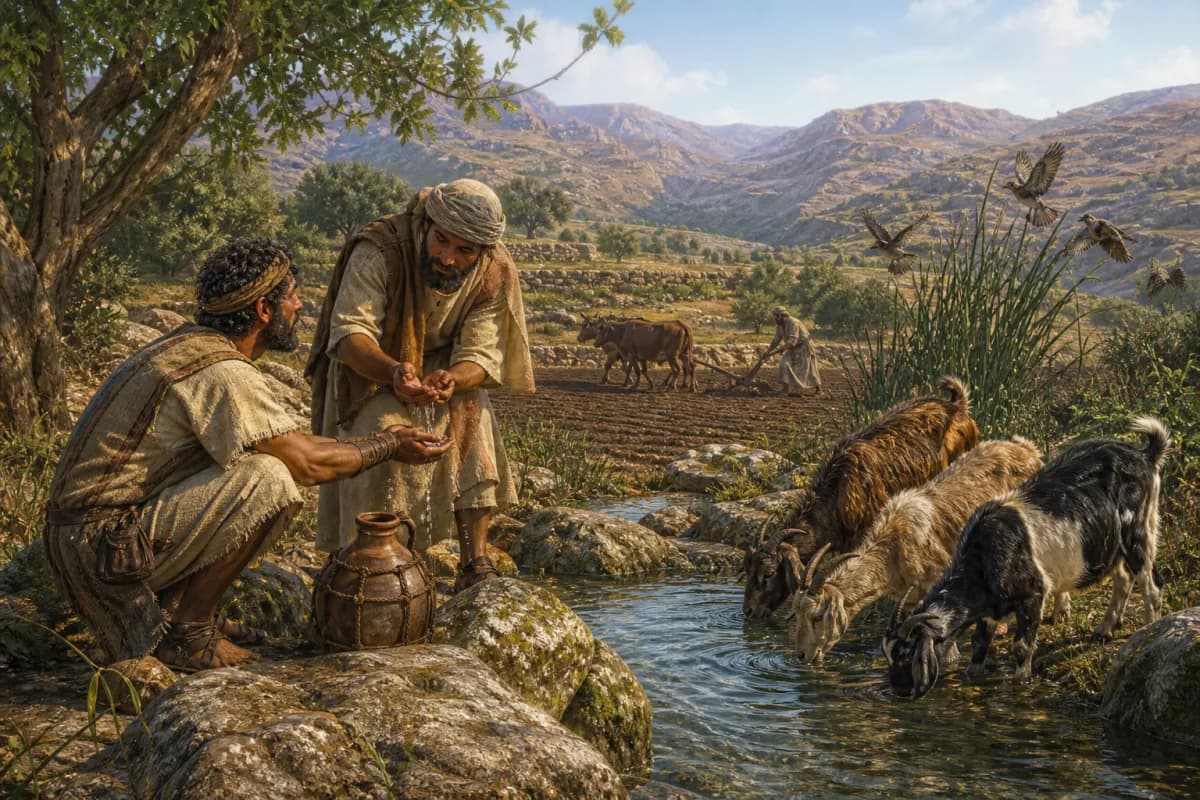
Psalm 104 blesses the Lord by tracing His majestic care through light, waters, mountains, springs, creatures, seasons, food, and human labor. Creation is neither self-sustaining nor divine; it depends on God’s wise provision and His Spirit. Jesus is the Creator and Lord through whom all things hold together, and His saving reign directs creation’s gifts toward worship rather than possession.

Study this passage →
Psalms 105:1–105:45

558 of 876 · Passage study

Psalm 105: Remembering the Covenant-Keeping God

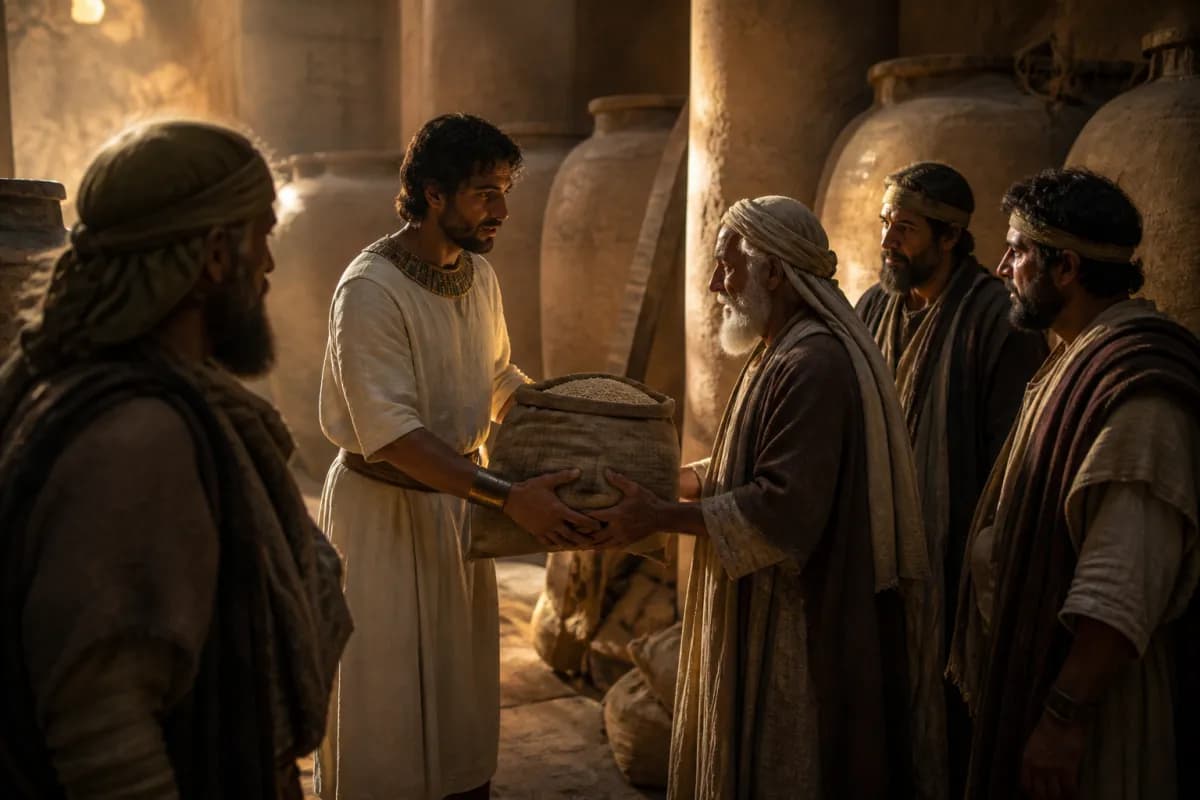
Psalm 105 calls God’s people to give thanks by remembering His covenant faithfulness from Abraham through Joseph, Moses, the exodus, wilderness provision, and entrance into the land. Israel’s history is not driven finally by rulers, famine, or slavery but by the Lord who remembers His promise. Jesus fulfills God’s covenant purpose by bringing the promised blessing to the nations and creating a people who obey Him in grateful faith.

Study this passage →
Psalms 106:1–106:48

559 of 876 · Passage study

Psalm 106: Confessing a Long History of Mercy and Rebellion

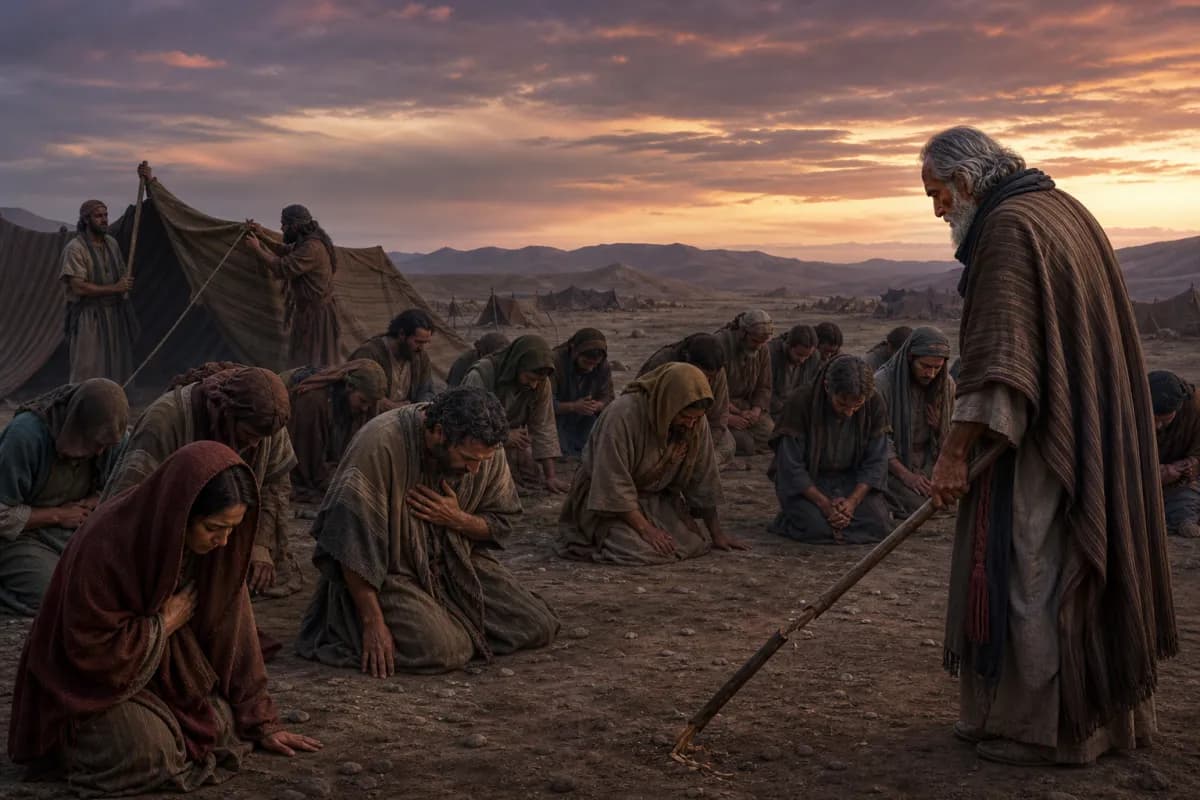
Psalm 106 answers the call to praise by recounting Israel’s repeated unbelief from Egypt through the wilderness and the land. The worshipers do not excuse their ancestors; they confess, “We have sinned,” while remembering that the Lord repeatedly saved for His name’s sake. Their final plea rests on covenant mercy, a hope that reaches its fulfillment in Jesus, who bears sin and gathers a people for God.

Study this passage →
Psalms 107:1–107:43

560 of 876 · Passage study

Psalm 107: Let the Redeemed Tell of the Lord’s Steadfast Love

Psalm 107 calls the redeemed to thank the Lord because His steadfast love meets people in distinct forms of distress: wandering, imprisonment, ruin brought by folly, and terror at sea. Each group cries to Him, He rescues them, and the refrain calls them to give thanks. Jesus embodies this rescuing mercy, bringing the lost home and giving forgiveness, freedom, and peace to those who call on Him.

Study this passage →
Psalms 108:1–108:13

561 of 876 · Passage study

Psalm 108: A Steadfast Heart Seeks God’s Glory and Help

Psalm 108 joins resolute praise with an urgent plea for help. David’s heart is steadfast because God’s steadfast love rises above the heavens and His faithfulness reaches the clouds; he then asks God to save with His right hand as enemies threaten. The psalm teaches God’s people to seek His glory before relief and finds its lasting confidence in Jesus, the faithful King whose victory brings His people near to God.

Study this passage →
Psalms 109:1–109:31

562 of 876 · Passage study

Psalm 109: The Slandered Servant Appeals to the Righteous Judge

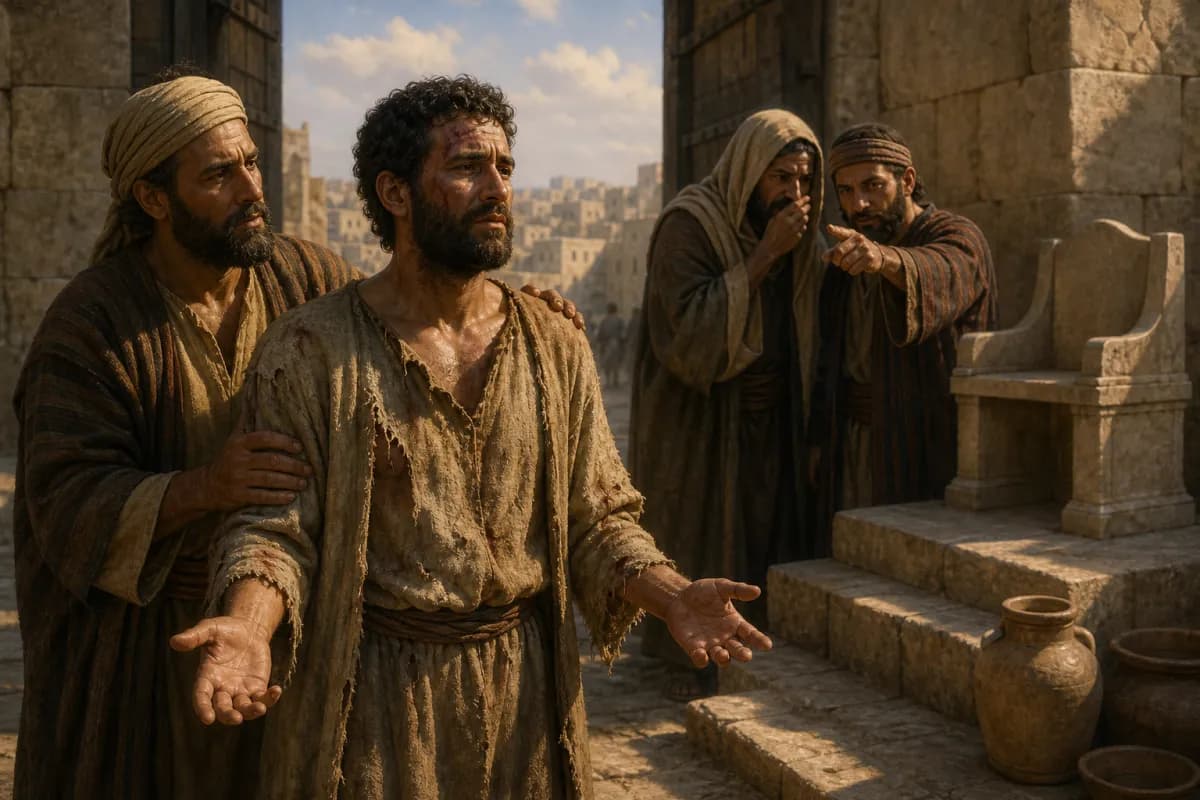
Psalm 109 brings violent accusation and betrayal before God. David answers deceitful mouths and hostile words with prayer, asks the righteous Judge to expose unrepentant evil, and ends by asking for help because he is poor, weak, and wounded. The psalm is not a license for personal revenge; it directs wounded people to God’s judgment and finds its deepest light in Jesus, who was falsely accused yet entrusted Himself to the Father.

Study this passage →
Psalms 110:1–110:7

563 of 876 · Passage study

The Exalted Lord and Priest-King

Psalm 110 announces a king whom David calls “my lord,” seated at the Lord’s right hand and given victory over his enemies. It also announces an everlasting priest after Melchizedek’s order. Jesus applies the psalm to Himself, and Hebrews explains that His resurrection, reign, and once-for-all priestly work bring sinners to God.

Study this passage →
Psalms 111:1–111:10

564 of 876 · Passage study

Psalm 111: The Great Works of the Lord Lead to Reverent Wisdom

Psalm 111 praises the Lord’s great works in creation, redemption, covenant provision, and judgment. His deeds are full of splendor, His righteousness endures, and He remembers His covenant with His people. The psalm ends by saying that the fear of the Lord is the beginning of wisdom. In Jesus, God’s covenant mercy and mighty works come into focus, calling His redeemed people to worshipful obedience.

Study this passage →
Keep scrolling for the next passage.