Truth-Scrolling

Psalms 64:1–64:10

517 of 876 · Passage study

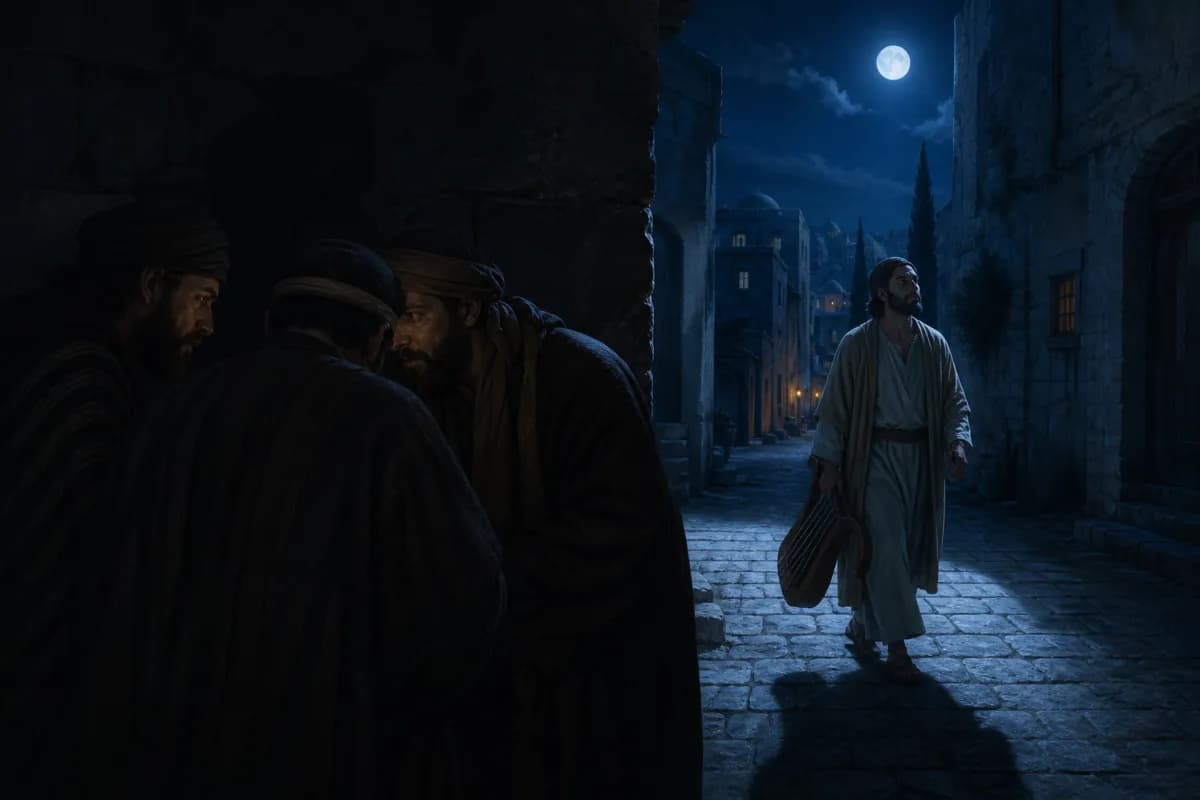
Psalm 64: The God Who Sees Hidden Plots

Psalm 64 brings secret conspiracy, weaponized speech, and public fear before God. David asks to be hidden from those who sharpen their tongues and shoot bitter words from concealment. The psalm’s turning point is God’s own action: He exposes and judges the plotters, leading people to fear, declare His work, and ponder it. Jesus endures false accusation, defeats evil without adopting its methods, and will judge hidden works with righteousness.


Study this passage →
Psalms 65:1–65:13

518 of 876 · Passage study

Psalm 65: Forgiveness, Fruitfulness, and Praise to God

Psalm 65 praises God from Zion as the One who hears prayer, atones for overwhelming sin, draws worshipers near, stills the seas and nations, and visits the earth with abundance. David sees forgiveness and creation’s fruitfulness as gifts of the same generous Lord. Jesus accomplishes the cleansing sinners need and gathers a worshiping people who proclaim God’s grace to the ends of the earth.

Study this passage →
Psalms 66:1–66:20

519 of 876 · Passage study

Psalm 66: Come and Hear What God Has Done

Psalm 66 summons the whole earth to praise God for His awesome deeds, remembers Israel’s passage through sea and river, and tells how God tested but did not abandon His people. The singer then brings vowed worship and personal testimony: God heard because the worshiper did not cherish iniquity. Jesus brings the decisive deliverance from sin and death and sends rescued people to testify to God’s saving work among the nations.

Study this passage →
Psalms 67:1–67:7

520 of 876 · Passage study

Psalm 67: Blessed So That the Nations May Praise God

Psalm 67 asks God to show Israel the favor once associated with His shining face, but its horizon is the whole earth: God’s way and saving power are to become known among every people. The nations’ joy comes from God’s righteous rule, and the harvest becomes a reason for worldwide praise. Jesus sends this blessing outward as the gospel gathers worshipers from every nation.

Study this passage →
Psalms 68:1–68:35

521 of 876 · Passage study

Psalm 68: The God Who Rises for the Vulnerable and Reigns from Zion

Psalm 68 celebrates God’s victorious advance from the wilderness to His dwelling on Zion. He scatters enemies, shelters the fatherless and widowed, gives a home to the lonely, and leads captives out. Israel’s worship answers this God who comes in holy power and generous mercy. Jesus’ ascension and gift-giving echo this royal victory as He gathers and cares for His people.

Study this passage →
Psalms 69:1–69:36

522 of 876 · Passage study

Psalm 69: Reproach, Zeal, and the God Who Draws Near to the Needy

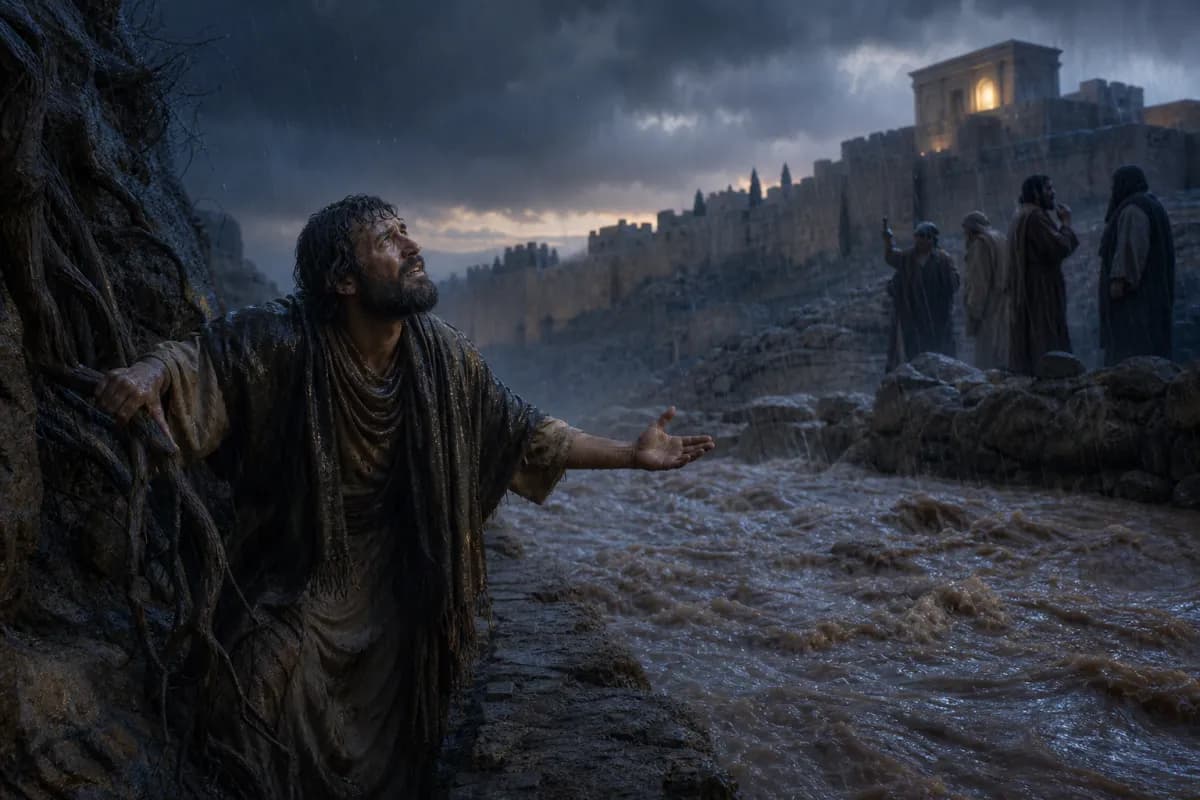
Psalm 69 is the cry of a drowning sufferer whose zeal for God’s house has brought reproach, isolation, and mocking enemies. He asks God to rescue him, judge hardened hostility, and remember the poor. The New Testament recognizes Jesus’ suffering in this righteous lament: He bears reproach, gives Himself for sinners, and brings needy people near to God.

Study this passage →
Psalms 70:1–70:5

523 of 876 · Passage study

Psalm 70: An Urgent Cry for God to Hurry to Help

Psalm 70 condenses a desperate prayer into repeated cries for God to come quickly. Enemies seek the singer’s life and delight in his harm, while those who seek God are invited to rejoice and say, “God is great.” The psalm teaches that urgent prayer is not lesser prayer. Jesus meets His threatened people as the risen Savior and fixes their hope on God’s help rather than their own speed or strength.

Study this passage →
Psalms 71:1–71:24

524 of 876 · Passage study

Psalm 71: Hope from Youth to Old Age

Psalm 71 trusts God across an entire life. The singer remembers God as refuge from youth, asks not to be cast off in old age, and expects to keep proclaiming God’s might to coming generations. Though enemies interpret weakness as abandonment, the psalmist relies on God’s righteousness and future restoration. Jesus’ resurrection secures this hope and makes lifelong witness possible.

Study this passage →
Psalms 72:1–72:20

525 of 876 · Passage study

Psalm 72: The King Whose Justice Defends the Poor

Psalm 72 asks God to give the king righteousness so that he judges with justice, rescues the needy, humbles oppressors, and brings peace and abundance. Its royal hope outruns every ordinary Davidic ruler and finds its fulfillment in Jesus, the righteous King whose saving reign gathers the nations and will finally set all things right.

Study this passage →
Psalms 73:1–73:28

526 of 876 · Passage study

Psalm 73: Nearness to God When the Wicked Prosper

Psalm 73 follows Asaph’s crisis as he sees arrogant and violent people prosper while he has sought a clean heart. Entering God’s sanctuary reshapes his perspective: their apparent security ends in ruin, while God holds him, guides him, and remains his portion. The psalm finds its lasting answer in Jesus, whose cross and resurrection expose false security and secure fellowship with God.

Study this passage →
Psalms 74:1–74:23

527 of 876 · Passage study

Psalm 74: Remember Your Redeemed Congregation

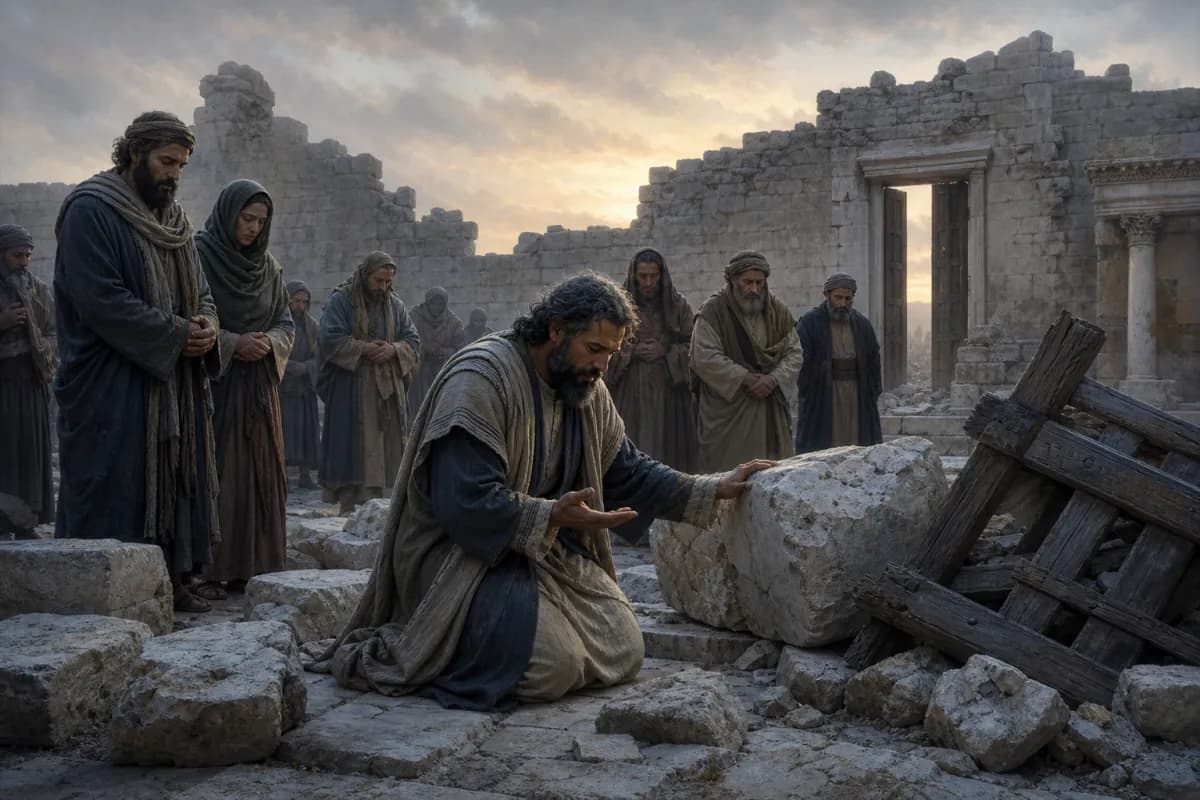
Psalm 74 laments the ruin of God’s sanctuary and the apparent triumph of enemies who have profaned His meeting place. Asaph appeals to the Creator and Redeemer to remember the people He purchased, act for His own name, and judge violent contempt. In Christ, God has secured a people and a dwelling that no earthly destruction can finally erase, while His church still cries for His righteous restoration.

Study this passage →
Psalms 75:1–75:10

528 of 876 · Passage study

Psalm 75: The Judge Who Lifts Up and Brings Down

Psalm 75 gives thanks because God is near, then announces His appointed judgment. He keeps the unstable earth firm, warns the arrogant not to lift their horn, and gives the wicked a cup of His wrath. Exaltation does not come from human maneuvering but from God the Judge. Jesus bears judgment for sinners and will return as the righteous King before whom every proud claim is answered.

Study this passage →
Keep scrolling for the next passage.